Institute Group Leaders awarded promotions in the University

We are delighted to announce that two of our Senior Group Leaders, Jason Carroll and Masashi Narita, have been promoted to professors in this years’ round of Senior Academic Promotions.


Both have been assigned to the Department of Oncology, where their professorships will take effect from 1 October 2019. They join 41 other world-leading researchers who have been promoted to professors across the University of Cambridge.
Jason Carroll has been promoted to Professor of Molecular Oncology. Carroll’s research at the Institute focuses on the oestrogen receptor, which switches on genes in breast cancer cells causing the cells to grow. By understanding how the oestrogen receptor switches genes on and how drugs like tamoxifen work to switch them off, the team hope to learn more about how cancers develop resistance to these drugs. This information can help to make better and more effective drugs for cancer treatments.
Masashi Narita has been promoted to the position of Professor of Senobiology. Narita’s team are studying how to permanently stop the growth of tumour cells. In response to internal and external stresses, cells can choose to either die or to stop cell division permanently in order to remove unhealthy cells. Permanently stopping cell growth causes many changes in cells, affecting gene expression and how proteins are processed within the cell. By understanding the mechanisms of these changes, the Narita Group are working to provide new and alternative tools to tackle cancers.
Related News
See all news-

In Memoriam: Professor Greg Hannon (1964–2026)
9th April 2026
It is with profound sadness that we share the news of the passing of Professor Greg Hannon, who led the Cancer Research UK Cambridge Institute for over eight years.
Find out more -
Most detailed map of breast tissue changes reveals role of menopause in cancer susceptibility
31st March 2026
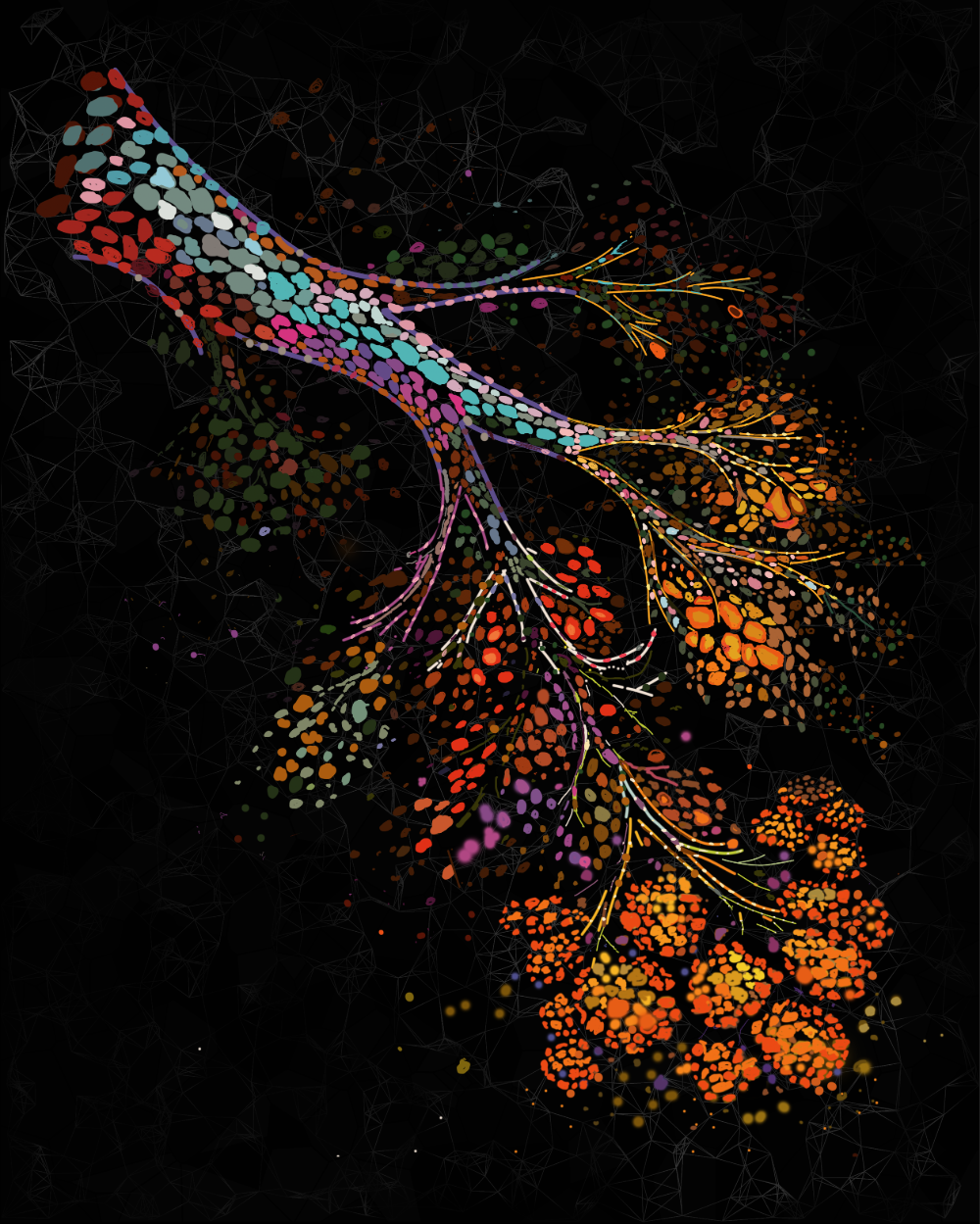
Scientists have created the most detailed map to date, comprising over 3 million cells, showing how breast tissue changes as women age – including dramatic changes during menopause.
Find out more -
Hannon Group joins global team to decode cancer’s dark proteome
4th March 2026
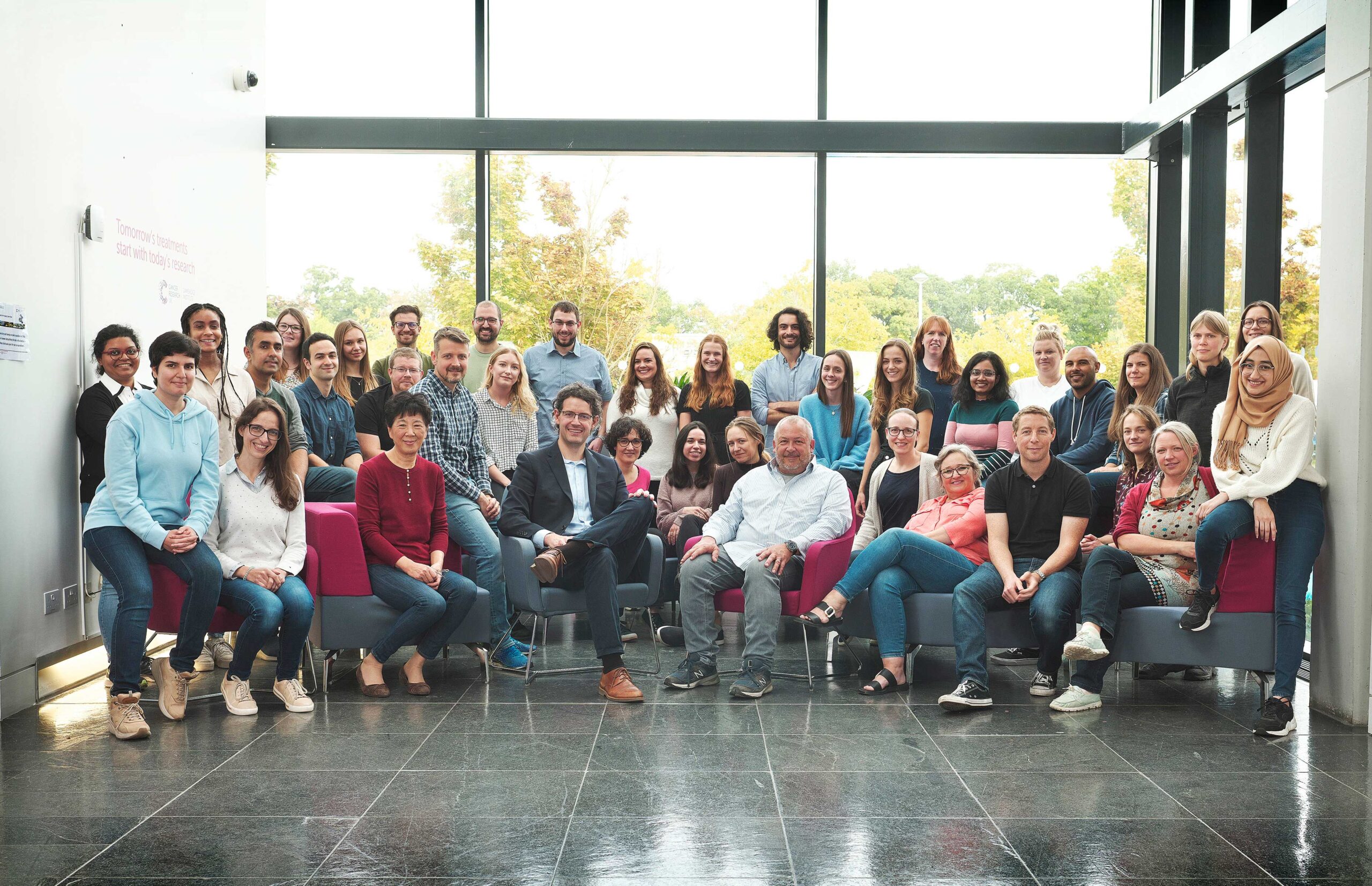
Prof Greg Hannon and his group joins global Cancer Grand Challenges team taking on the dark proteome challenge.
Find out more