Richard Gilbertson elected to the Royal Society
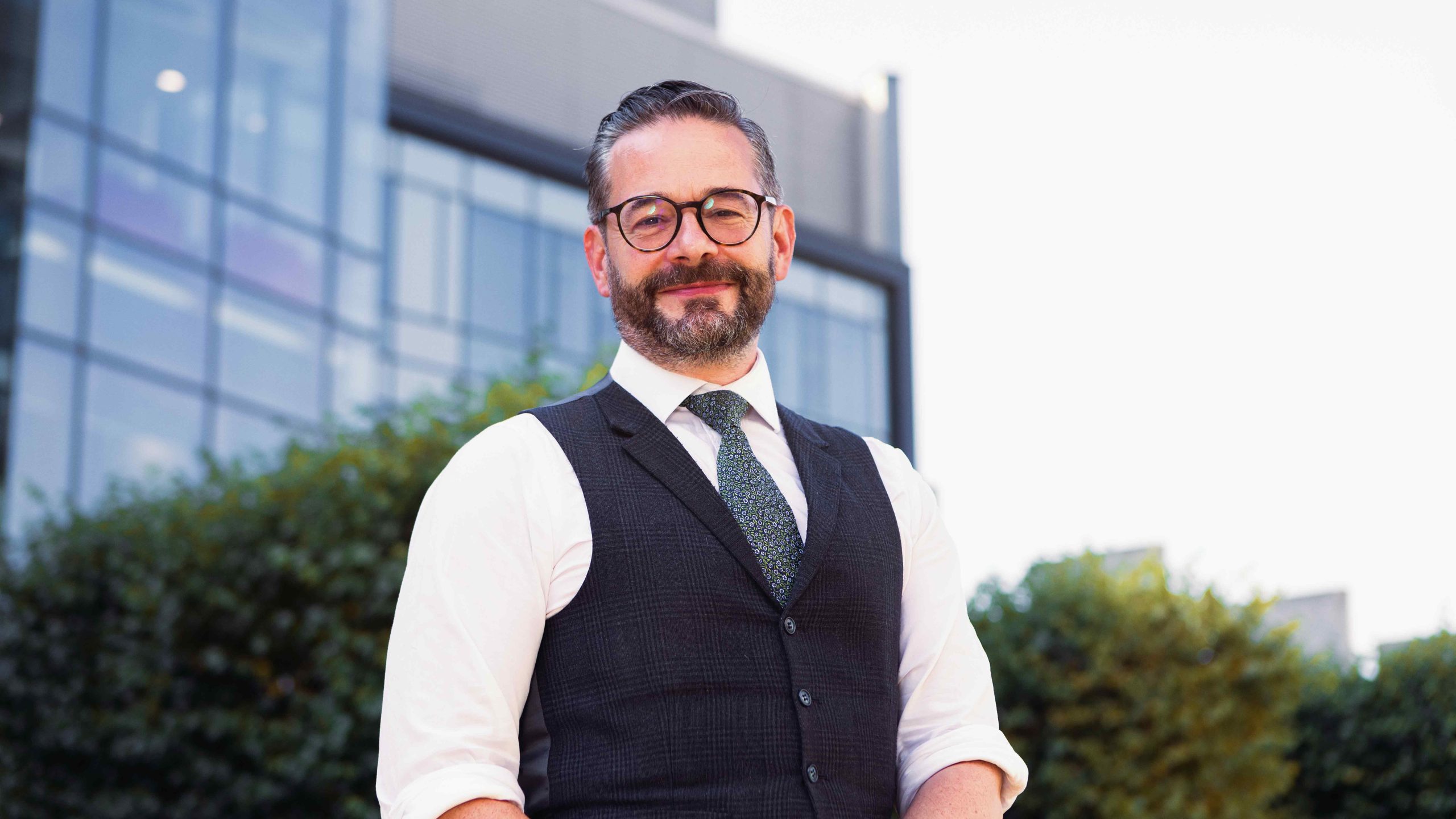
Professor Richard Gilbertson has been elected a Fellow of the Royal Society.
The Royal Society is a self-governing Fellowship made up of the most eminent scientists, engineers and technologists from the UK and the Commonwealth. Its Foreign Members are drawn from the rest of the world.
The Society’s fundamental purpose is to recognise, promote, and support excellence in science and to encourage the development and use of science for the benefit of humanity. Fellows and Foreign Members are elected for life through a peer review process on the basis of excellence in science.
There are approximately 1,700 Fellows and Foreign Members, including around 85 Nobel Laureates. Each year up to 52 Fellows and up to 10 Foreign Members are elected from a group of around 800 candidates who are proposed by the existing Fellowship.
Prof Richard Gilbertson is a Senior Group Leader at the Cancer Research Cambridge Institute, as well as the Li Ka Shing Chair of Oncology and Head of Department of Oncology and Director of the CRUK Cambridge Centre.
Sir Adrian Smith, President of the Royal Society said “It is an honour to welcome so many outstanding researchers from around the world into the Fellowship of the Royal Society.
“Through their careers so far, these researchers have helped further our understanding of human disease, biodiversity loss, and the origins of the universe. I am also pleased to see so many new Fellows working in areas likely to have a transformative impact on our society over this century, from new materials and energy technologies to synthetic biology and artificial intelligence. I look forward to seeing what great things they will achieve in the years ahead.”
Gilbertson was elected to the Royal Society for his work transforming the understanding of the origins and pathogenesis paediatric brain tumours: establishing a direct link between disordered development and multiple different types of brain tumours observed in children, and discovering many of the genetic alterations that drive these diseases.
His work has improved markedly the accuracy of brain tumour classification and treatment, avoiding long-term side effects for those who can be cured, whilst providing new therapeutic targets to guide future treatment. Extending this work to other organs and age groups, he has demonstrated that a combination of stem cell mutagenesis and organ damage determines cancer risk across different tissues.
Related News
See all news-
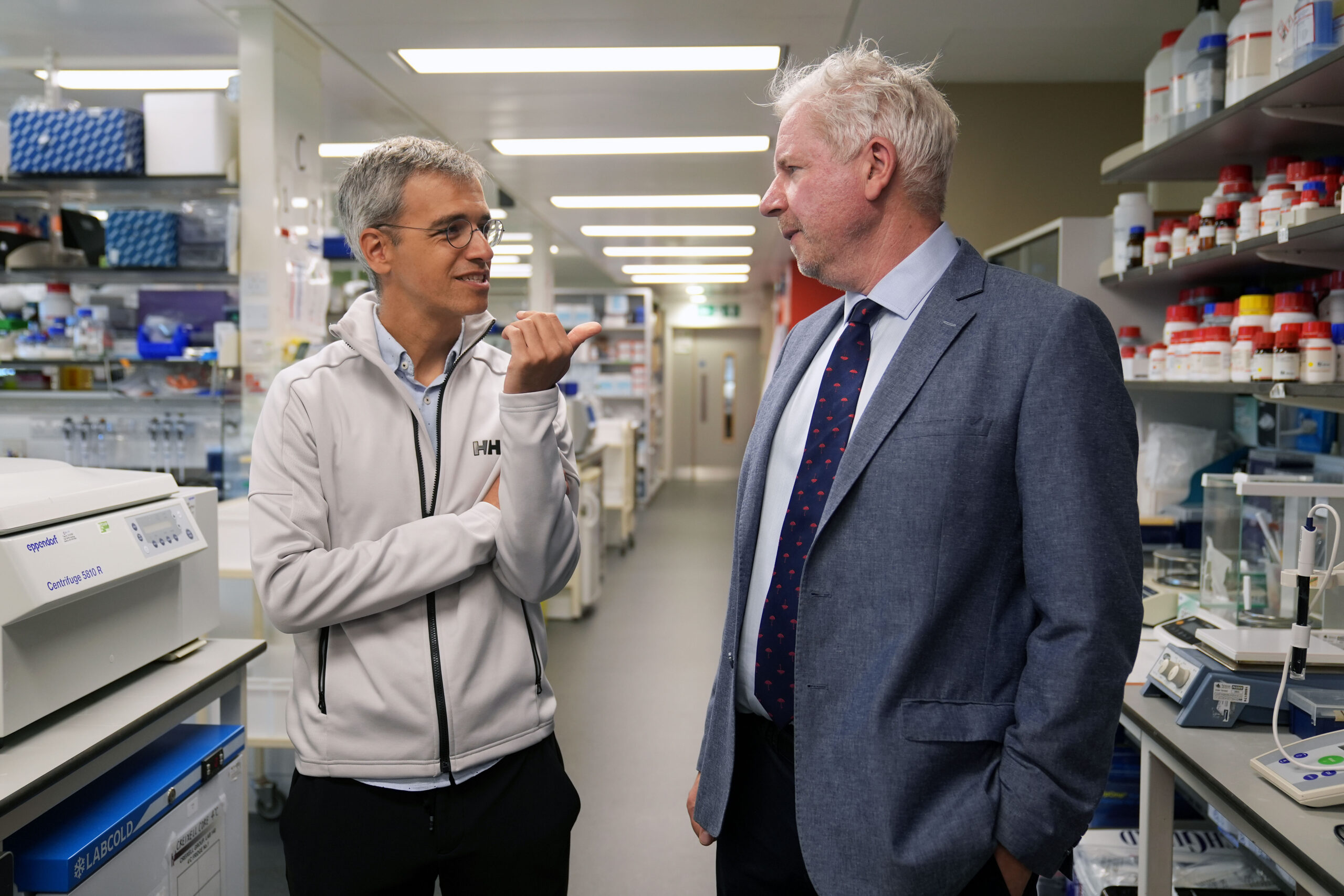
Sophie Kinsella’s family meet the brain cancer researchers carrying forward her legacy
5th October 2026
Sophie Kinsella’s family has unveiled a plaque in her honour at laboratory focusing on glioblastoma.
Find out more -
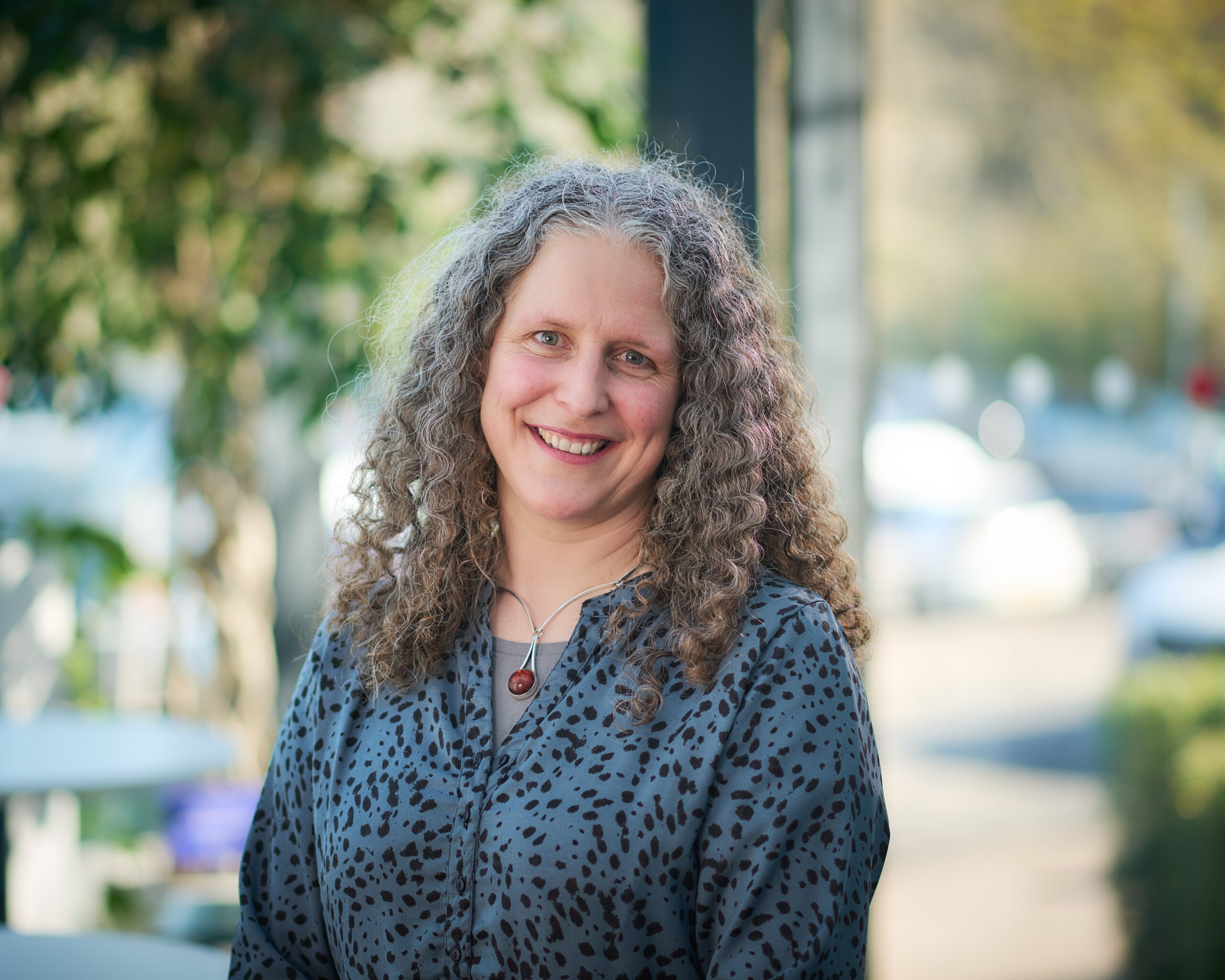
Maike de la Roche promoted to Research Professor
1st October 2026
Congratulations to Prof Maike de la Roche, following her promotion to Research Professor at the Cancer Research UK Cambridge Institute (CRUK CI).
Find out more -
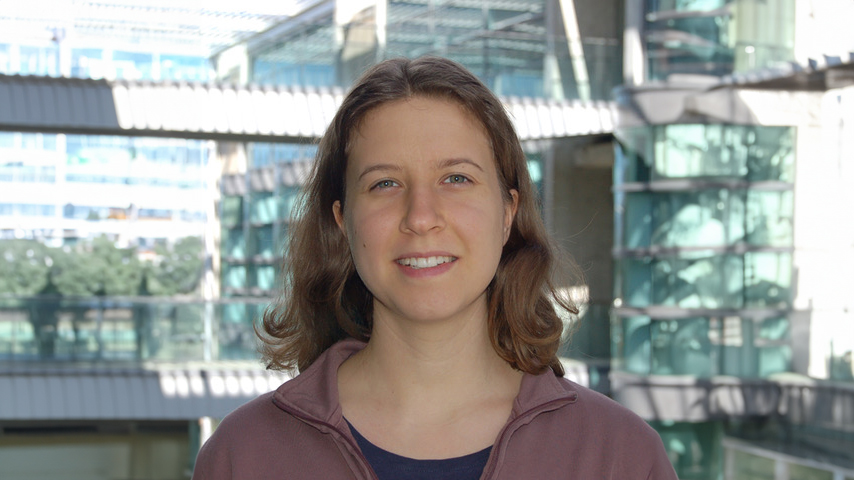
Dr Magdalena Crossley awarded £2 million Wellcome Career Development Award
11th September 2026
Dr Magdalena Crossley has been awarded a £2 million Wellcome Career Development Award to investigate how unusual RNA-DNA structures contribute to cancer and other diseases.
Find out more