Dr Guiping Wang appointed as a Junior Group Leader

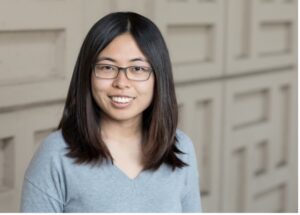
Dr Guiping Wang joins the Cancer Research UK Cambridge Institute as a Junior Group Leader, starting in September 2026.
The Wang Group will bridge the gap between high-resolution spatial biology and genome-wide discovery to investigate how the spatial organisation of DNA, RNAs, and proteins influences cancer cell behaviour.
To achieve this, Guiping and her research team will develop and apply cutting-edge imaging and epigenomic sequencing approaches. By measuring these multi-scale changes inside individual cancer cells, the group aims to identify how cancers rewire their molecular layers and find new targetable vulnerabilities to overcome therapy resistance.
Dr Guiping Wang completed her PhD in Chemistry at Harvard University, visualising the organisation of RNAs and proteins in cells using advanced optical imaging methods.
She then joined Stanford University’s School of Medicine in 2021 as a Postdoctoral Fellow. During this time, she identified a key weakness in certain aggressive cancers and developed advanced methods to study multiple layers of gene regulation within individual cells.
The Wang Group is currently recruiting for a PhD student and over the coming months will also be searching for postdoctoral researchers. Prospective applicants can view our vacancies page here.
Visit the group’s webpageRelated News
See all news-
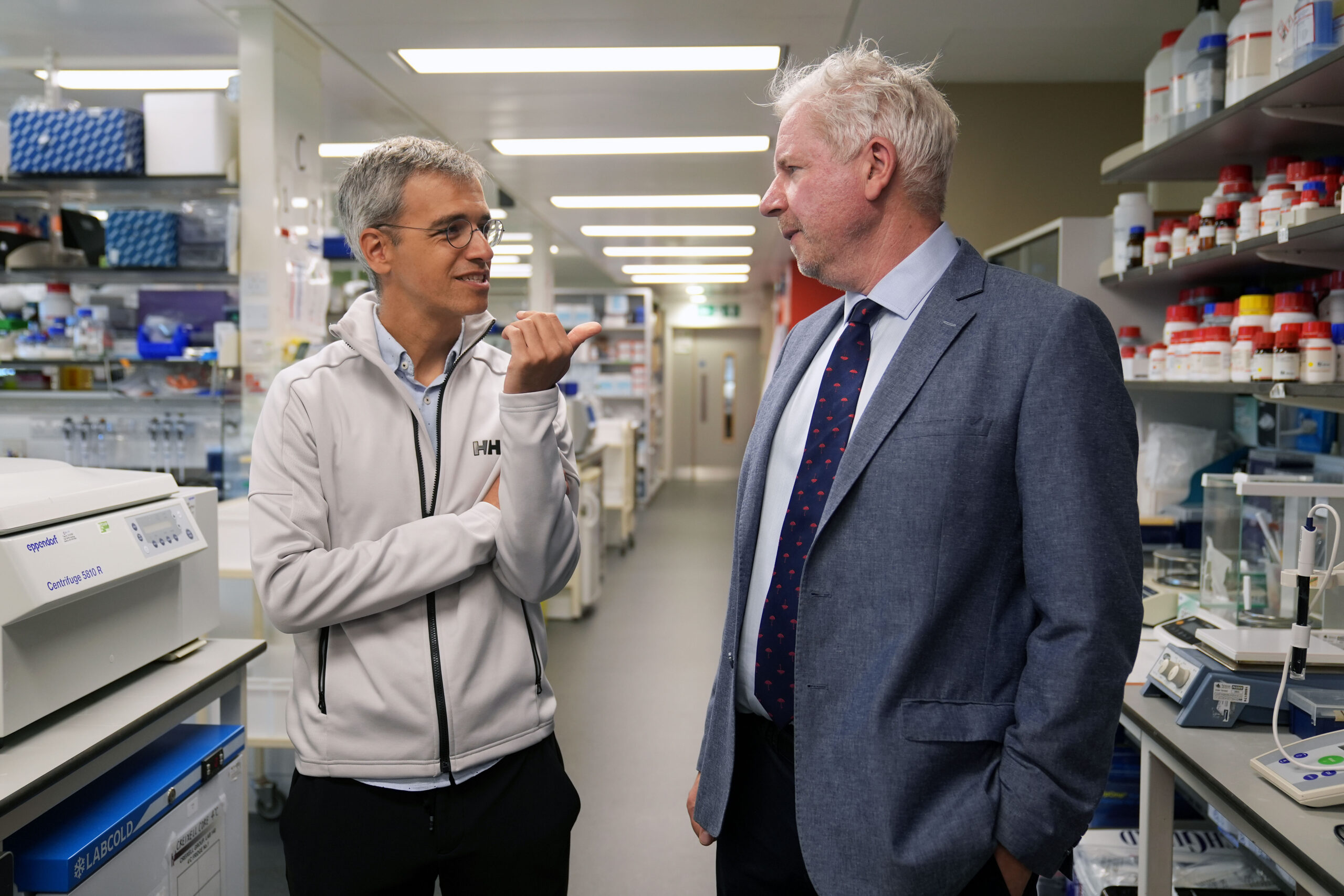
Sophie Kinsella’s family meet the brain cancer researchers carrying forward her legacy
5th October 2026
Sophie Kinsella’s family has unveiled a plaque in her honour at laboratory focusing on glioblastoma.
Find out more -

Maike de la Roche promoted to Research Professor
1st October 2026
Congratulations to Prof Maike de la Roche, following her promotion to Research Professor at the Cancer Research UK Cambridge Institute (CRUK CI).
Find out more -
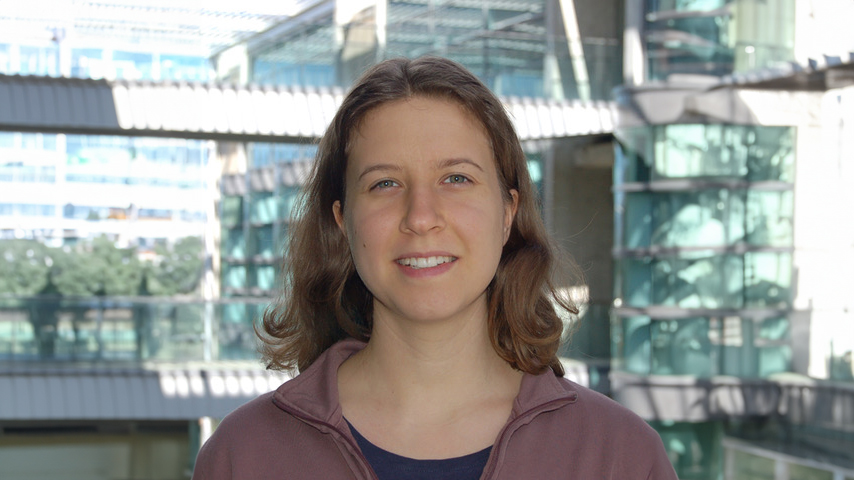
Dr Magdalena Crossley awarded £2 million Wellcome Career Development Award
11th September 2026
Dr Magdalena Crossley has been awarded a £2 million Wellcome Career Development Award to investigate how unusual RNA-DNA structures contribute to cancer and other diseases.
Find out more