Pioneering new ways to diagnose childhood brain tumours to be trialled
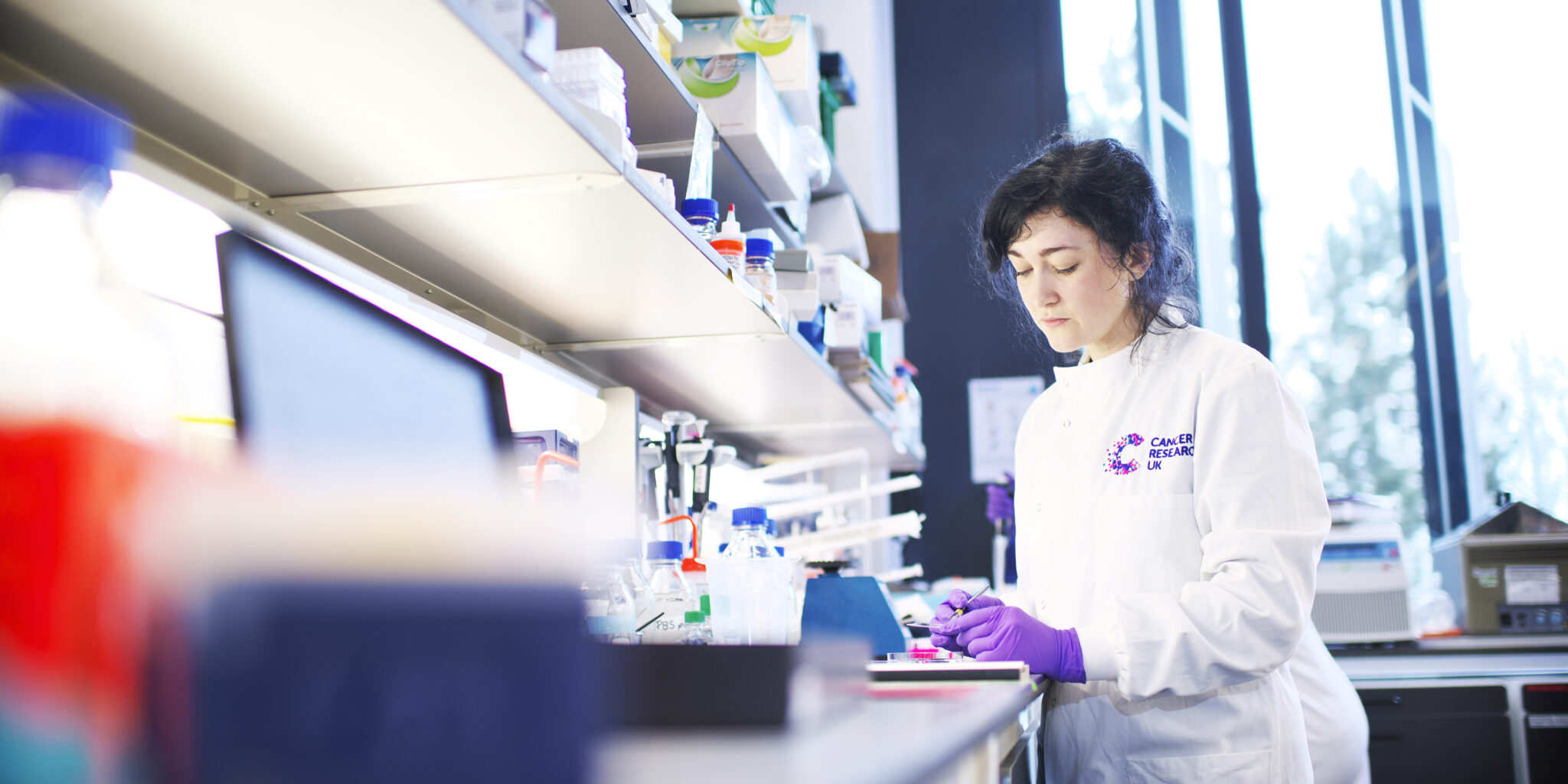
Dr Jessica Taylor has been awarded a Future Leaders Award to develop novel techniques to distinguish different types of medulloblastoma, a type of brain tumour in children.
Funded by The Brain Tumour Charity, this research aims to pioneer the diagnosis of medulloblastoma by using minimally invasive methods, protecting the quality of life of children with this diagnosis.
Medulloblastoma is the most common cancerous childhood brain tumour, accounting for 15-20% of all childhood brain tumour diagnoses. Around 52 children are diagnosed with a medulloblastoma each year in the UK.
These tumours are fast growing and develop at the back of the brain in the cerebellum.
Dr Jessica Taylor, a postdoctoral researcher in our Gilbertson Group, will focus on one of the four subtypes of medulloblastoma – wingless (WNT) medulloblastoma. WNT-medulloblastoma is typically difficult to operate on, but is highly curable with chemotherapy and radiation.
The Brain Tumour Charity’s Future Leaders Award will enable Dr Taylor to explore a novel method to identify WNT medulloblastoma without using invasive surgery. This will protect children from the potential long-term, damaging effects of surgery such as memory problems and speech issues.
The research will use antibodies which are designed to bind to the WNT-medulloblastoma cells. Once bound to the cells, they will be visible on a PET scan and can be used to diagnose this subtype of medulloblastoma.
Researchers will also design these antibodies to bind to drugs that could treat WNT-medulloblastoma. This innovative approach would deliver treatments directly to the tumour, potentially replacing the need for more traditional chemotherapy. This could have several benefits including giving patients an additional treatment option and offering a more targeted therapy, potentially reducing the side effects from treatment.
Dr Jessica Taylor, The Brain Tumour Charity Future Leader at the Cancer Research UK Cambridge Institute said: “Over 50 children in the UK are diagnosed with medulloblastoma every year and ensuring that these children get the best treatment is of paramount importance to ensure they have a good quality of life. We know that WNT- medulloblastoma is difficult to resect surgically, but responds well to standard of care treatment. We hope that our research can avoid unnecessary surgeries in the future.
“With 1 in 4 children with this tumour type suffering long-term memory loss and speech issues after surgery, it is important that we work towards improving diagnostic methods which avoid surgery. I hope my research will change the way medulloblastoma is clinically diagnosed and that it will improve the treatment and quality of life for children diagnosed with this disease.”
Dr David Jenkinson, Chief Scientific Officer at The Brain Tumour Charity, said: “Our Future Leaders are the next generation of brain tumour researchers. Their innovative ideas and determination to find a cure will drive us closer to improving the lives of those diagnosed with a brain tumour. We are proud to be able to fund these brilliant minds.
“This innovative project exploits the features of WNT-medulloblastoma to create specific antibodies that will help diagnose and even treat this type of tumour, avoiding unnecessary surgery for the children diagnosed. Focussing research on non-invasive diagnostics and treatments help to prevent long-term damage that can result from surgery. This work will help deliver The Brain Tumour Charity’s aim of halving the harm that brain tumours cause. We very much look forward to following and sharing the success of this project in the future.”
“With 1 in 4 children with this tumour type suffering long-term memory loss and speech issues after surgery, it is important that we work towards improving diagnostic methods which avoid surgery. I hope my research will change the way medulloblastoma is clinically diagnosed and that it will improve the treatment and quality of life for children diagnosed with this disease.”
Dr Jessica Taylor, Cancer Research UK Cambridge Institute
Related News
See all news-

In Memoriam: Professor Greg Hannon (1964–2026)
9th April 2026
It is with profound sadness that we share the news of the passing of Professor Greg Hannon, who led the Cancer Research UK Cambridge Institute for over eight years.
Find out more -
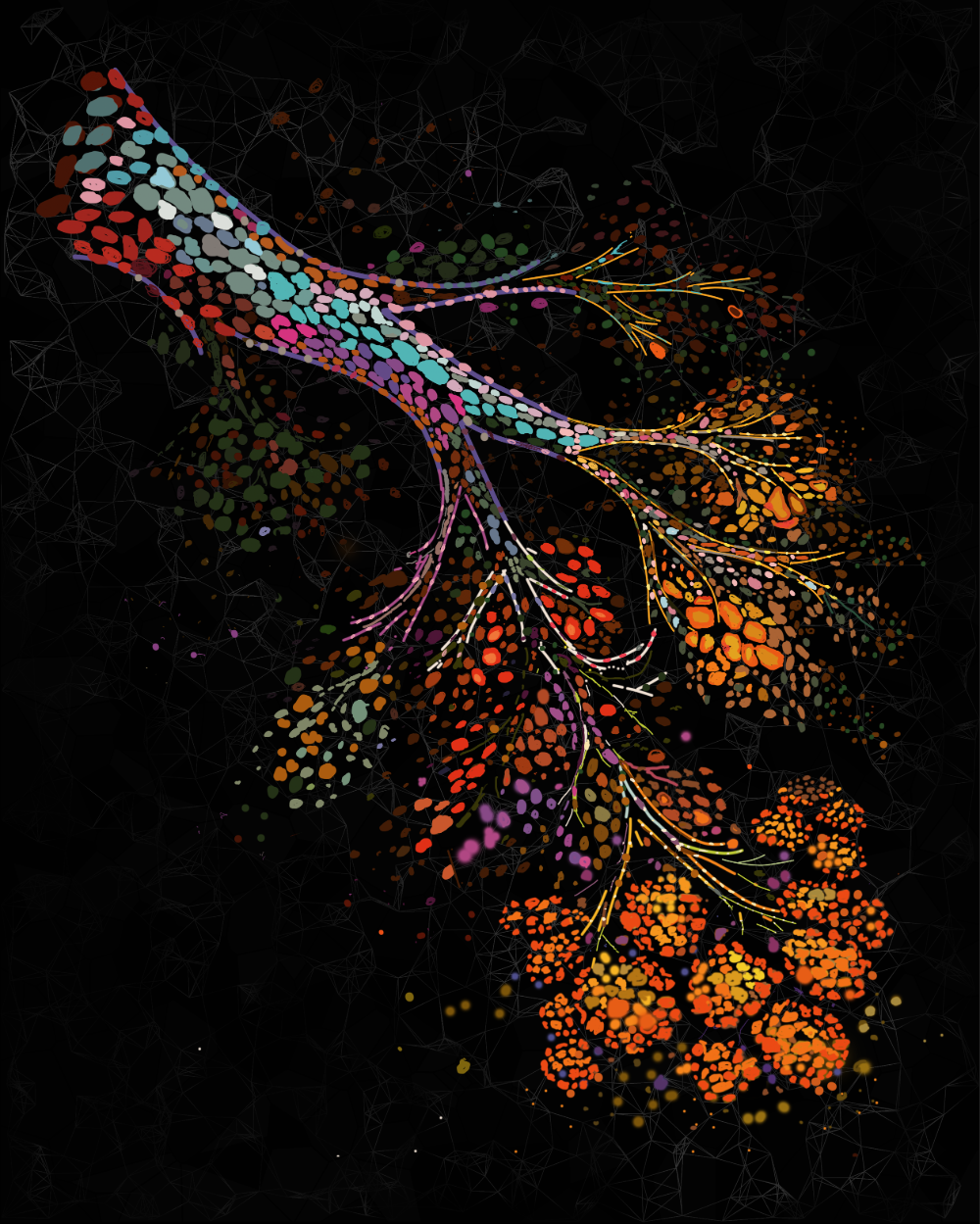
Most detailed map of breast tissue changes reveals role of menopause in cancer susceptibility
31st March 2026
Scientists have created the most detailed map to date, comprising over 3 million cells, showing how breast tissue changes as women age – including dramatic changes during menopause.
Find out more -
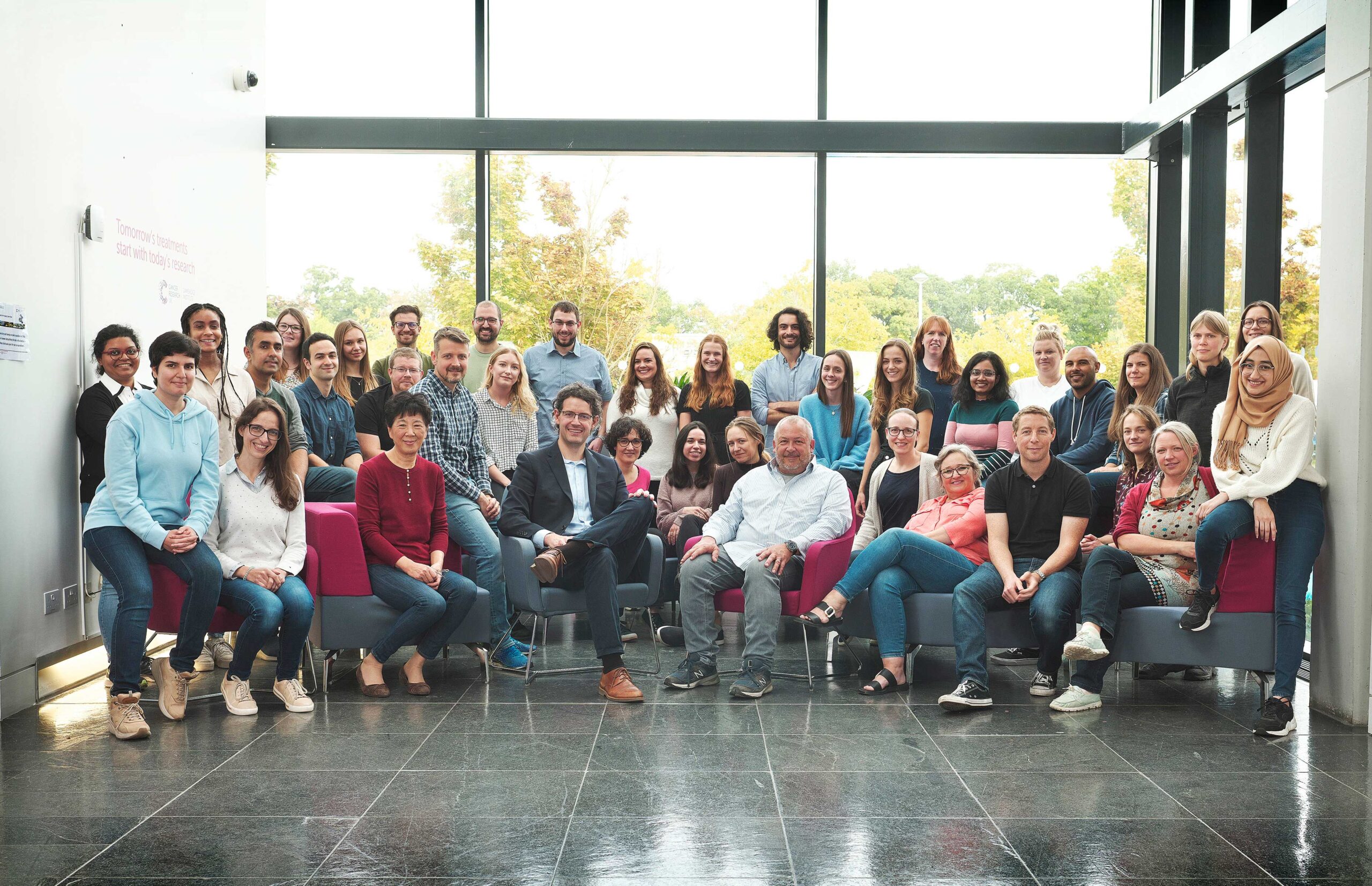
Hannon Group joins global team to decode cancer’s dark proteome
4th March 2026
Prof Greg Hannon and his group joins global Cancer Grand Challenges team taking on the dark proteome challenge.
Find out more