Hero Block
Hero block with image, video and pattern variants. Max length: 100 characters (including spaces).
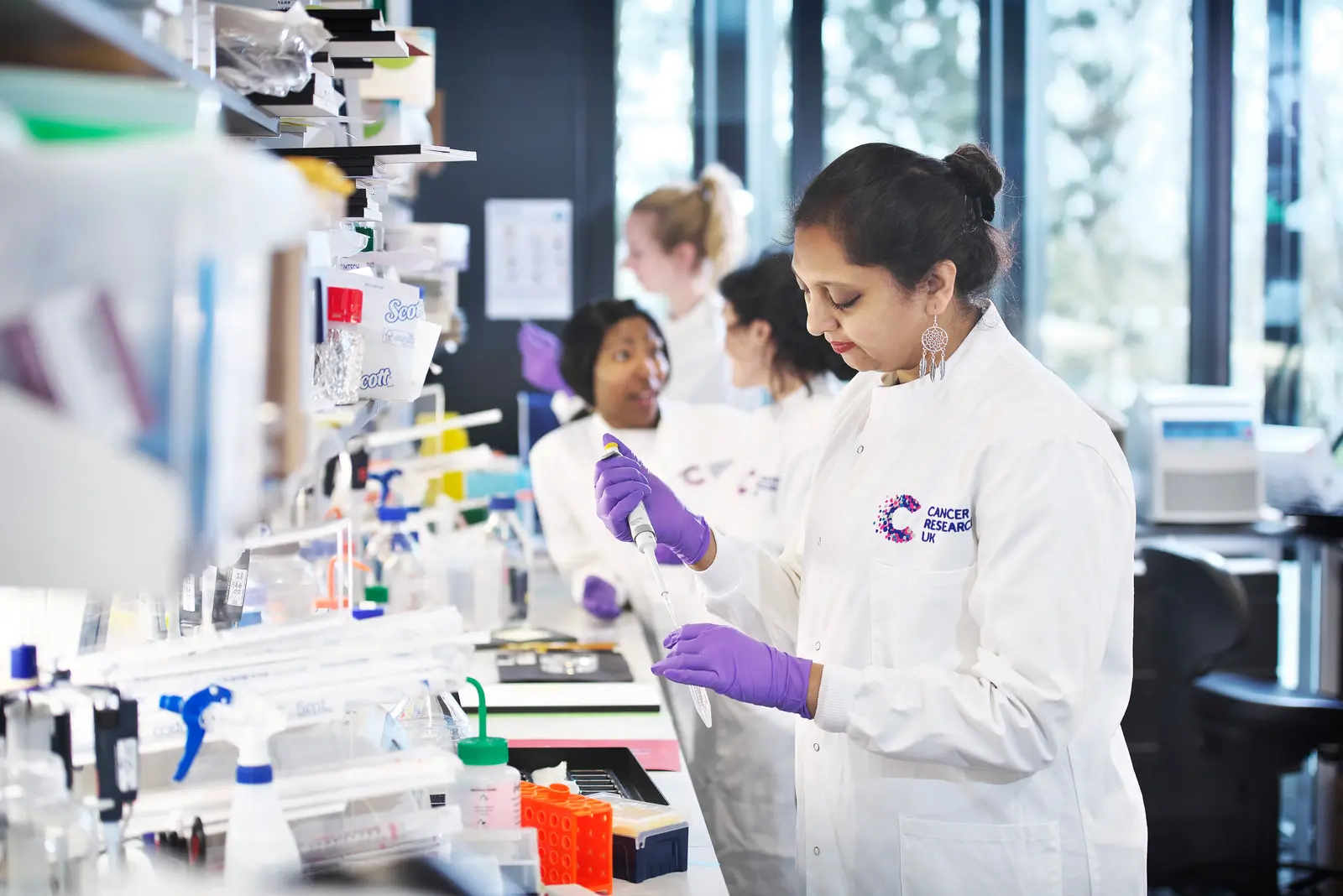
Grid Listing Block
Grid listing block to show research theme. Max length: 250 characters (including spaces).
-
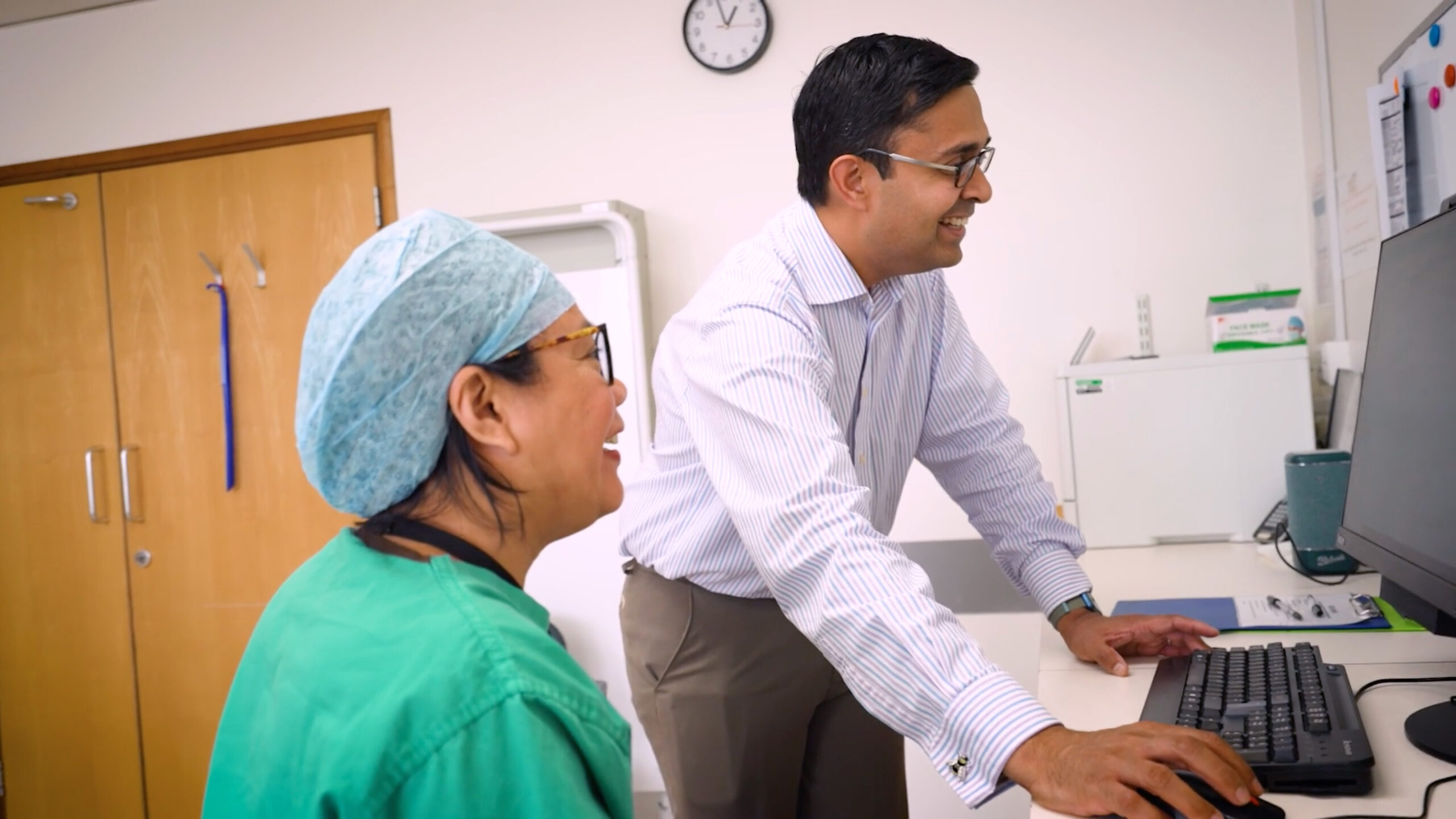
Cancer detection
Improving early cancer diagnoses and predicting treatment response.
Find out more -
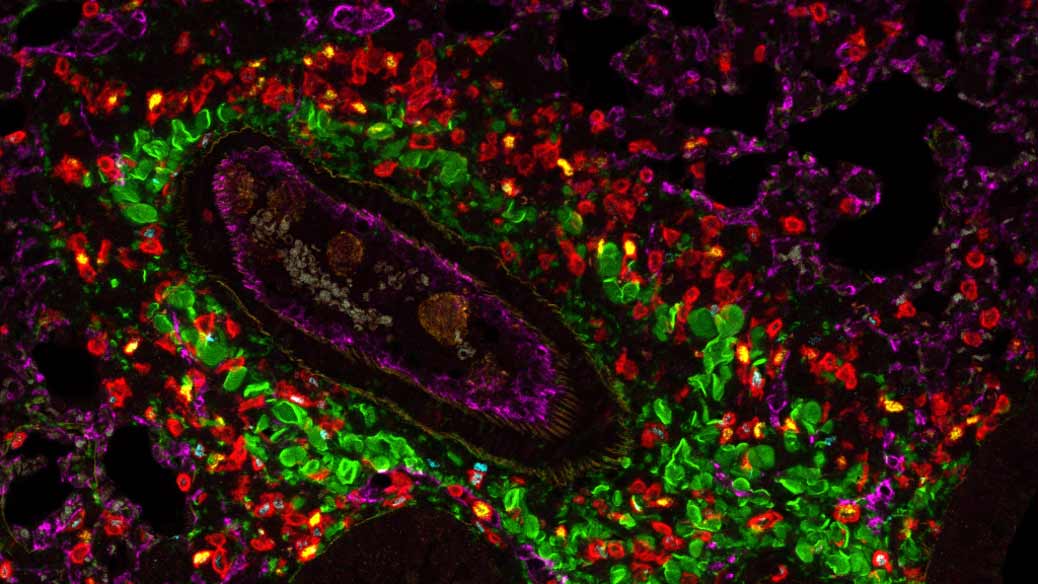
Tumour microenvironment
Unravelling tumour interactions to identify potential drug targets.
Find out more -
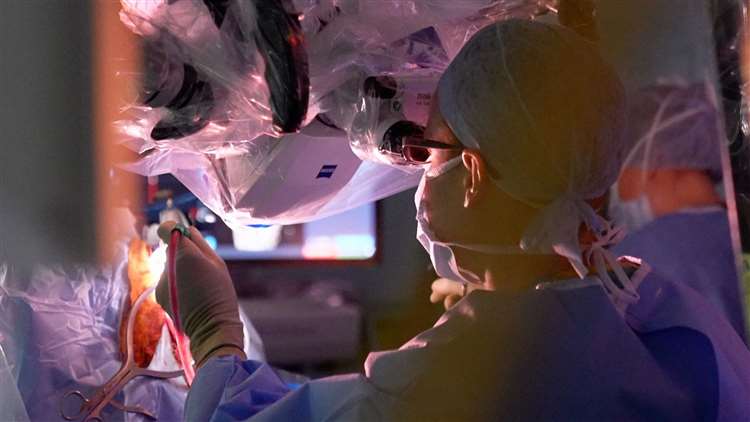
Personalised medicine
Tailoring cancer treatment to individual needs.
Find out more -
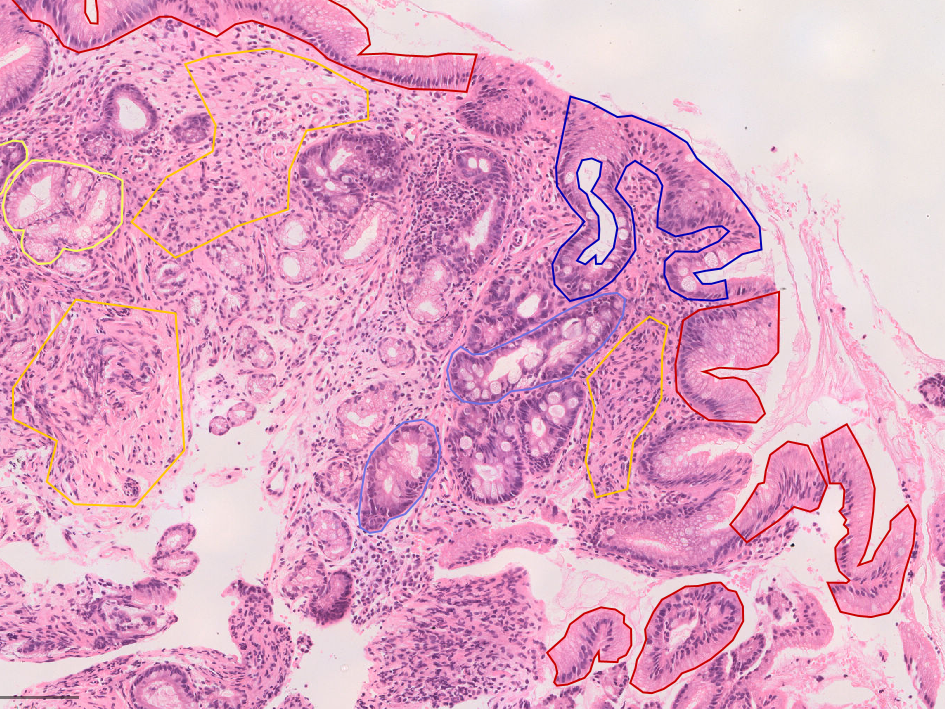
Artificial intelligence
Using artificial intelligence to enhance cancer research and treatments.
Find out more -
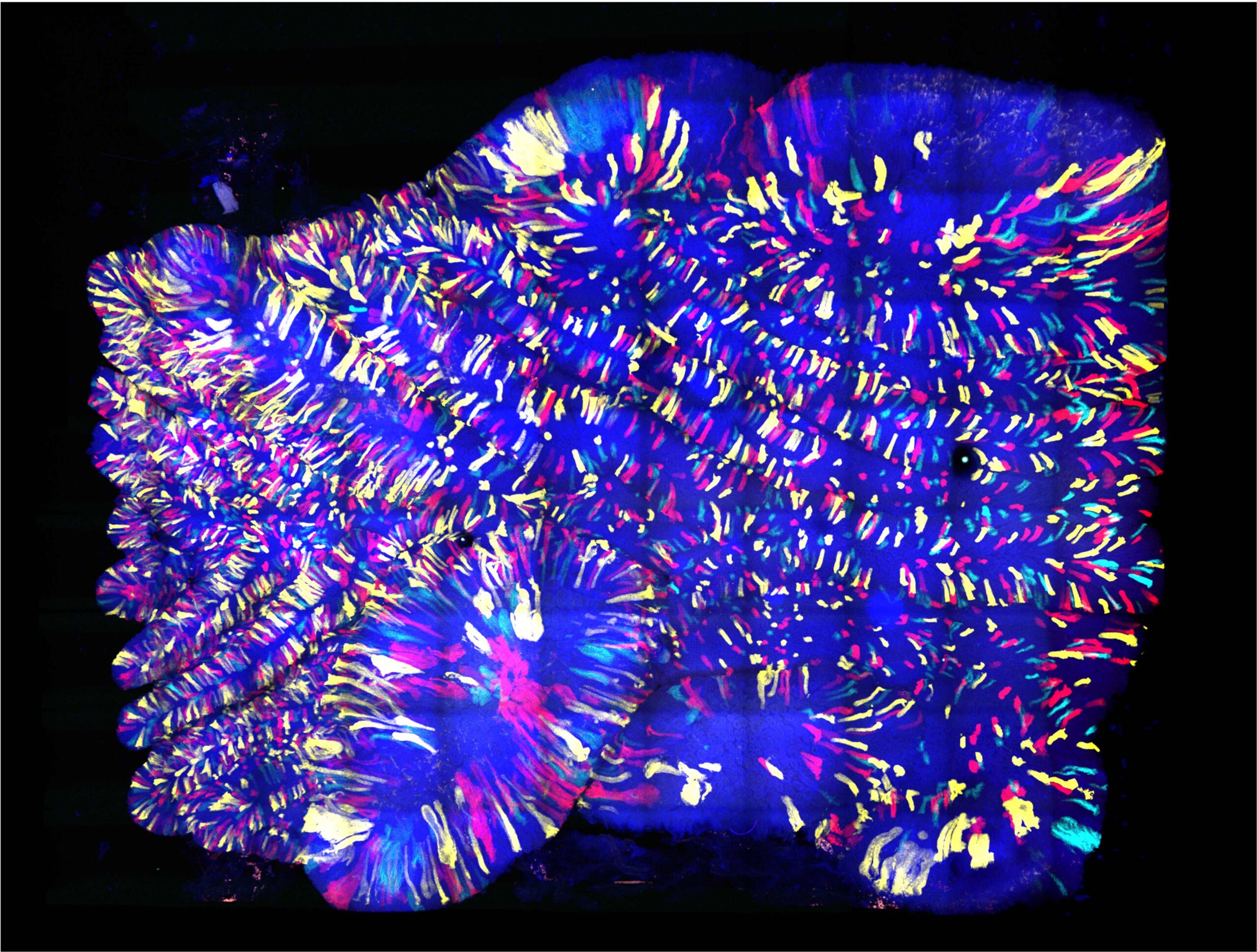
Cell biology
Understanding every stage of a tumour through discovery science.
Find out more -
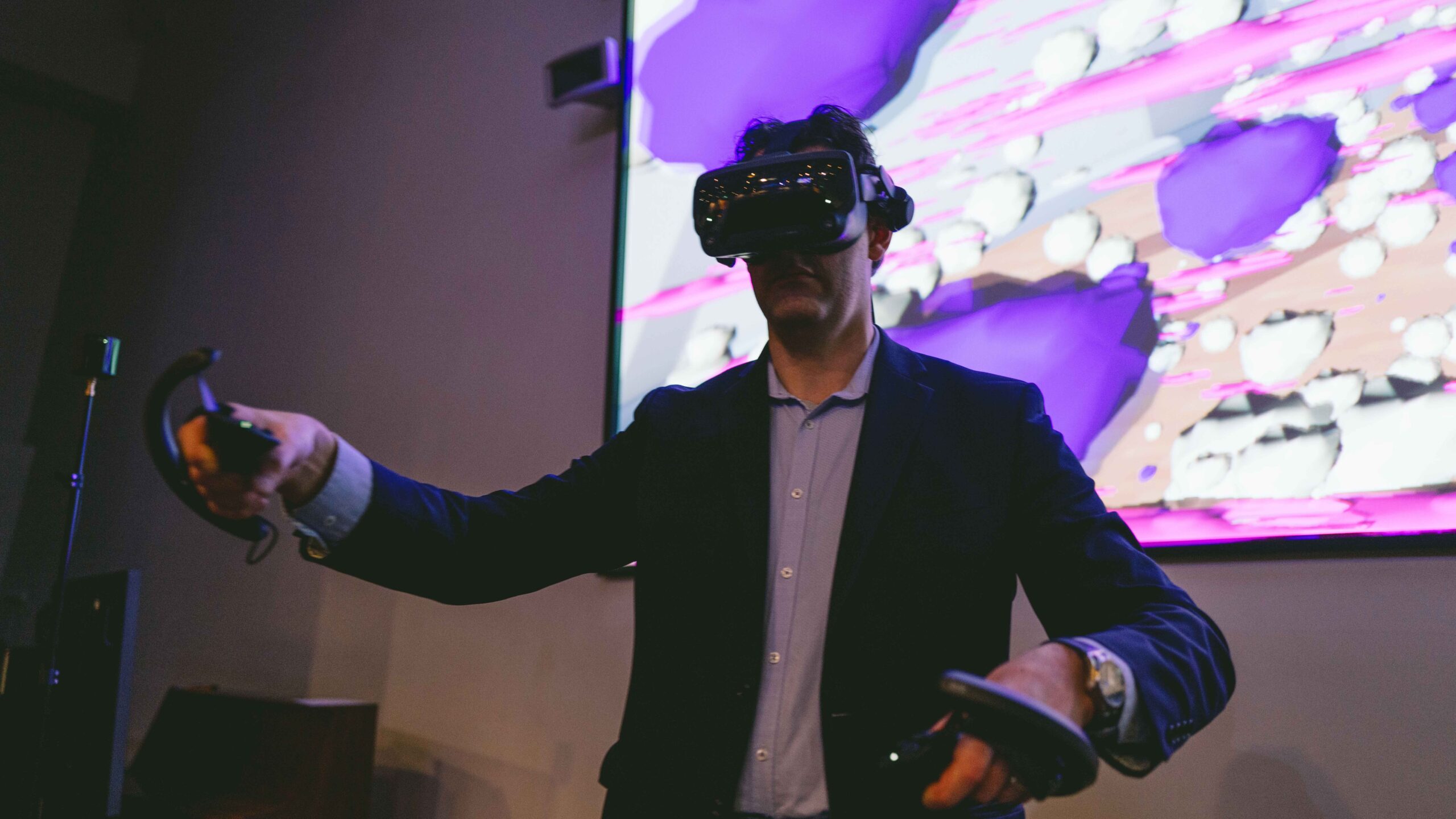
Clinical integration
Maximising patient data for better cancer care.
Find out more -
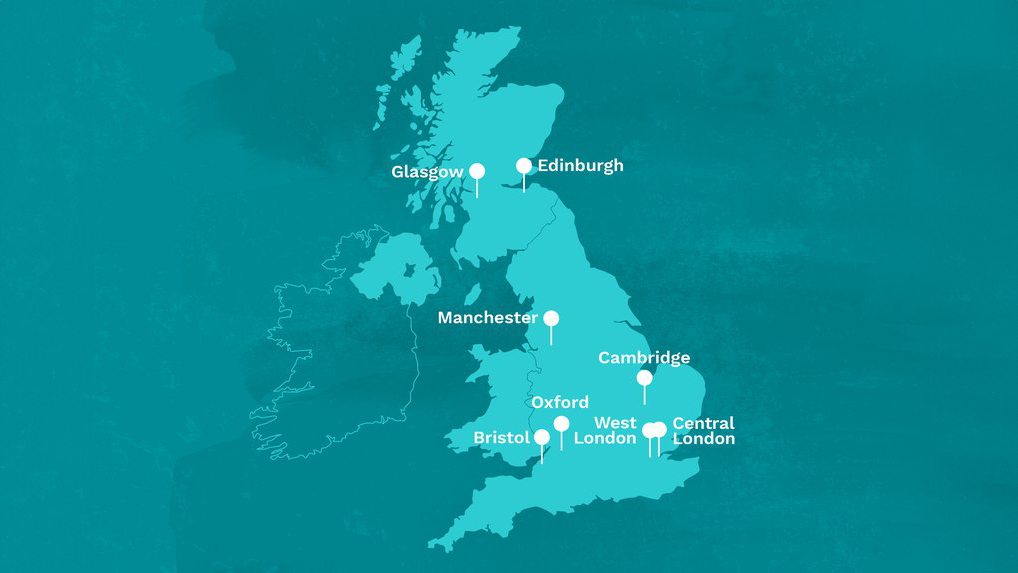
Personalising treatment for ovarian cancer patients: BriTROC-2
BriTROC-2 is a nationwide project developing personalised treatments for women diagnosed with High Grade Serous Ovarian Cancer.
Find out more -
jpg1
Test line
And another line
-
jpg2
External link -

webp1
-
jpg3
-
webq2
Example of 3 cards
-
Artificial intelligence
Using artificial intelligence to enhance cancer research and treatments.
Find out more -
Cancer detection
Improving early cancer diagnoses and predicting treatment response.
Find out more -
Cell biology
Understanding every stage of a tumour through discovery science.
Find out more
Large Circle Promo Banner
CTA LinkPromo banner with a large circle for content. Max length: 200 characters (including spaces)
Promo banner with a large circle for content. Max length: 200 characters (including spaces)
Latest News
See all news-
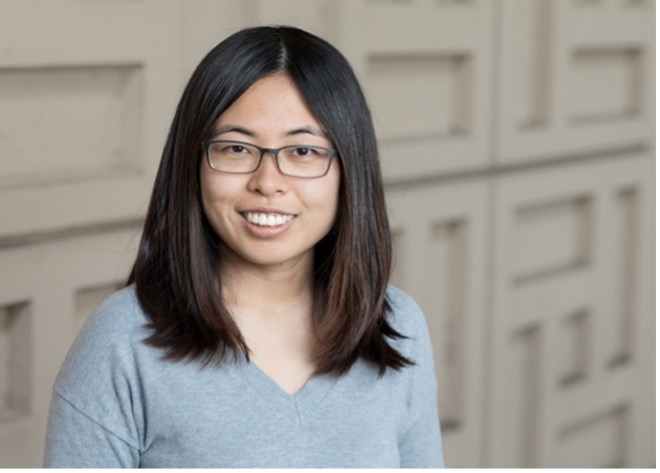
Dr Guiping Wang appointed as a Junior Group Leader
18th May 2026
Dr Guiping Wang joins the Cancer Research UK Cambridge Institute as a Junior Group Leader, starting in September 2026.
Find out more -
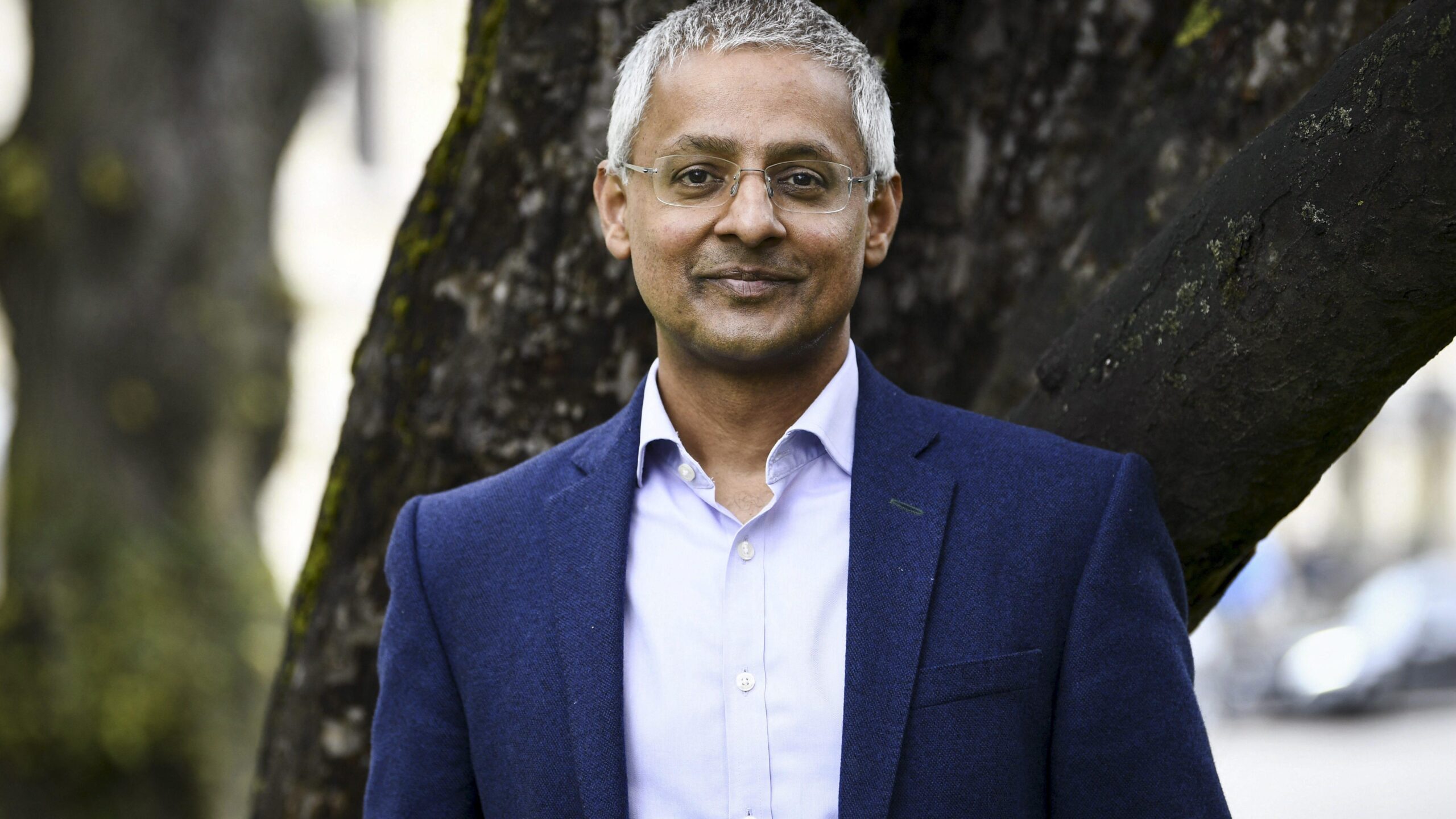
Shankar Balasubramanian receives the Princess of Asturias Award for Scientific and Technical Research
14th May 2026
The 2026 award recognises Prof Balasubramanian and his co-recipients David Klenerman and Pascal Meyer for their pioneering work in genome sequencing technologies.
Find out more -
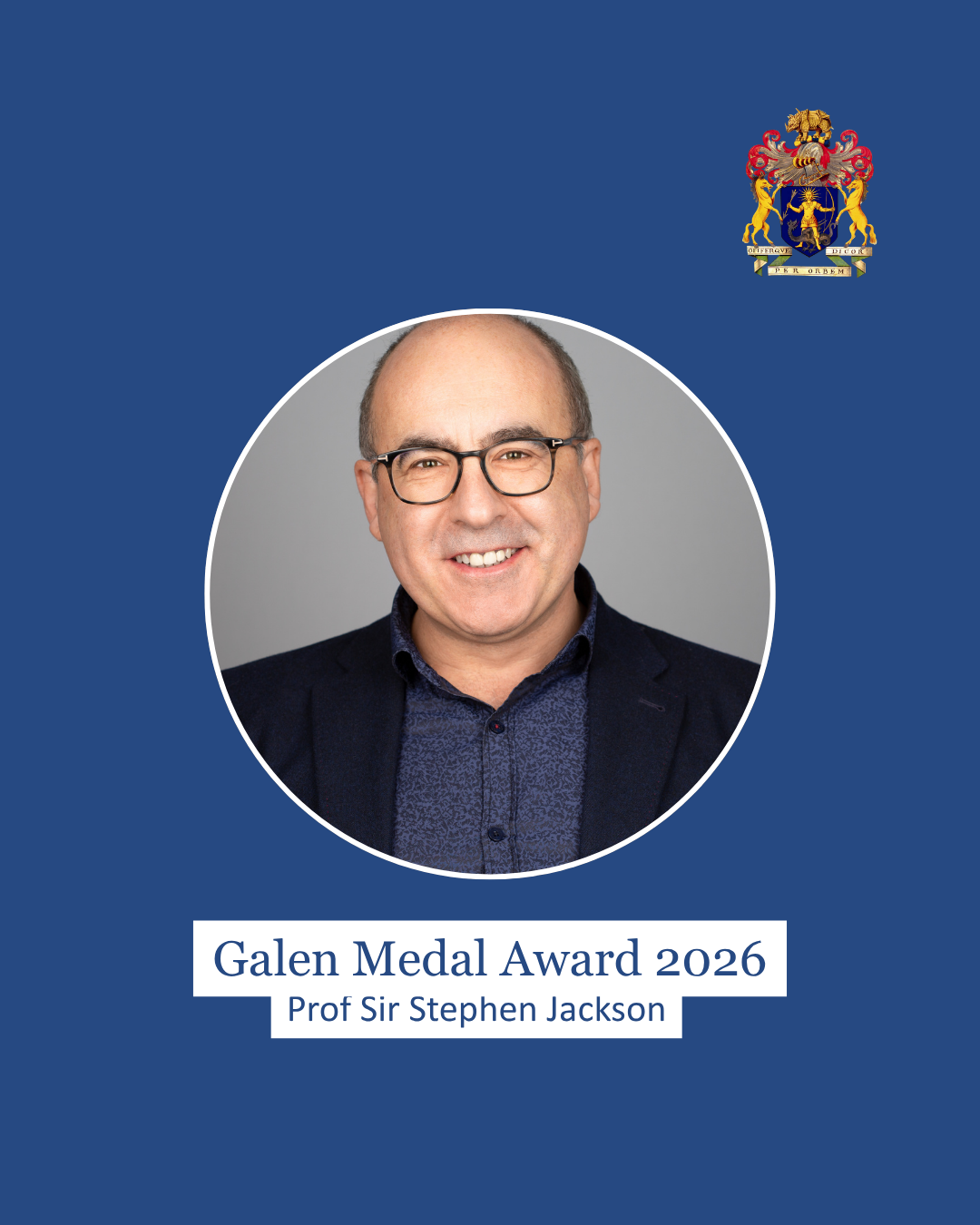
Prof Sir Steve Jackson receives the 2026 Galen Medal in Therapeutics
14th May 2026
This award comes in recognition of his transformational work on the mechanisms of DNA repair, cell survival and the DNA-damage response (DDR), as well as for the development of the cancer-targeting drug Olaparib.
Find out more
Impact
See all case studies-
Personalising treatment for ovarian cancer patients: BriTROC-2
BriTROC-2 is a nationwide project developing personalised treatments for women diagnosed with High Grade Serous Ovarian Cancer.
Find out more -
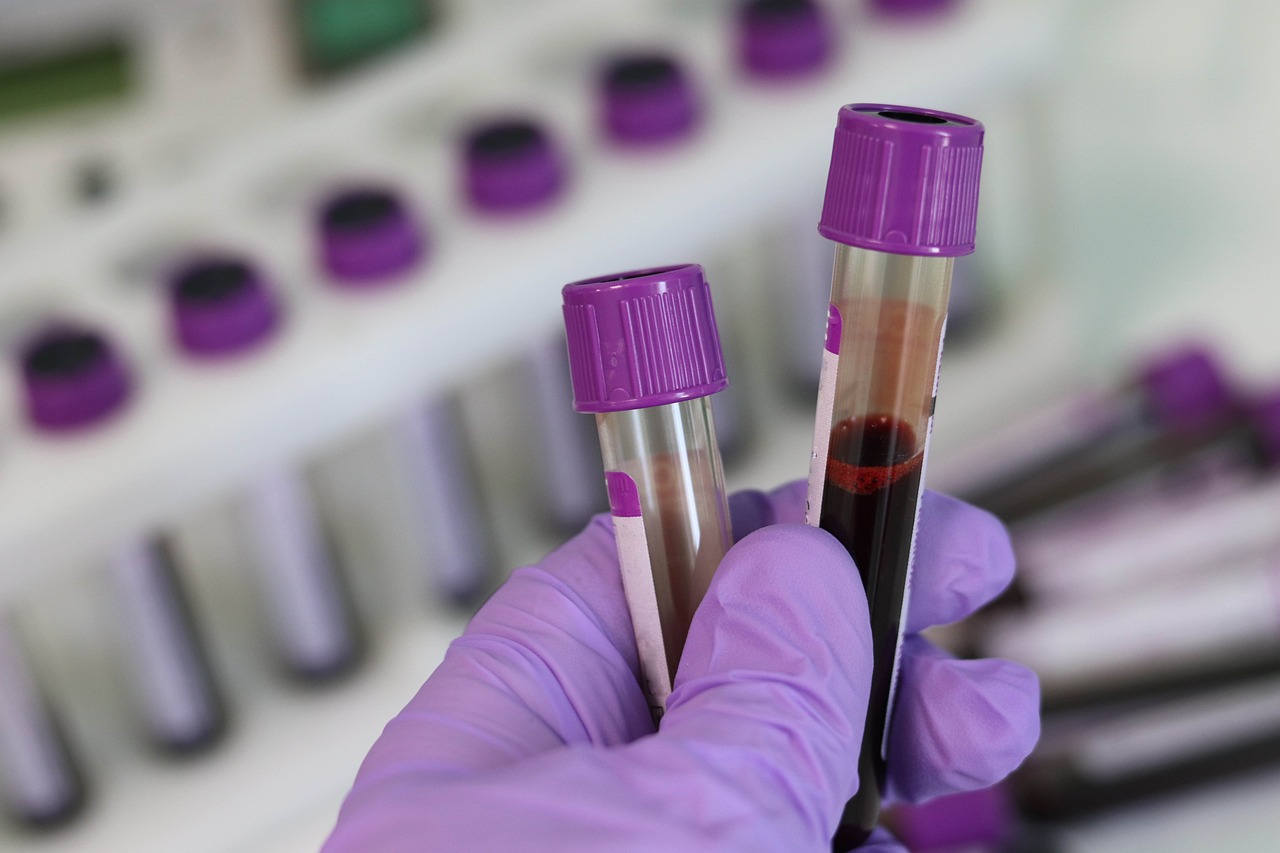
Non-invasive tests to improve cancer detection
Cambridge researchers have developed new methods for detecting and monitoring cancer through simple blood tests.
Find out more
Research Summary
Lorem ipsum dolor sit amet, consectetur adipiscing elit, sed do eiusmod tempor incididunt ut labore et dolore magna aliqua. Ut enim ad minim veniam, quis nostrud exercitation ullamco laboris nisi ut aliquip ex ea commodo consequat. Duis aute irure dolor in reprehenderit in voluptate velit esse cillum dolore eu fugiat nulla pariatur. Excepteur sint occaecat cupidatat non proident, sunt in culpa qui officia deserunt mollit anim id est laborum.

Circle Graphic CTA
CTA block with a circle graphic. Max length: 200 characters (including spaces).
CTA Link“Lorem ipsum dolor sit amet, consectetur adipiscing elit, sed do eiusmod tempor incididunt ut labore et dolore magna aliqua. Ut enim ad minim veniam, quis nostrud exercitation ullamco laboris nisi ut aliquip ex ea commodo consequat. Duis aute irure dolor in reprehenderit in voluptate velit esse cillum dolore eu fugiat nulla pariatur. Excepteur sint occaecat cupidatat non proident, sunt in culpa qui officia deserunt mollit anim id est laborum.”
Prof Jason Carroll
-

Deliver cancer research of the highest calibre
Our research will transform our understanding of every stage of a tumour lifecycle. We believe that only through understanding all aspects of the disease can we prevent, detect and treat cancer so that everybody can lead longer, better lives.
See Research Themes
We are attracting the brightest minds in research, both across the UK and globally, to create a dynamic and inclusive environment for all to accelerate scientific discovery. Our 20 research groups work collaboratively to bring about the most impactful discoveries and create an Institute-wide culture of tackling the most important questions in cancer research.
Core-funding from Cancer Research UK
-
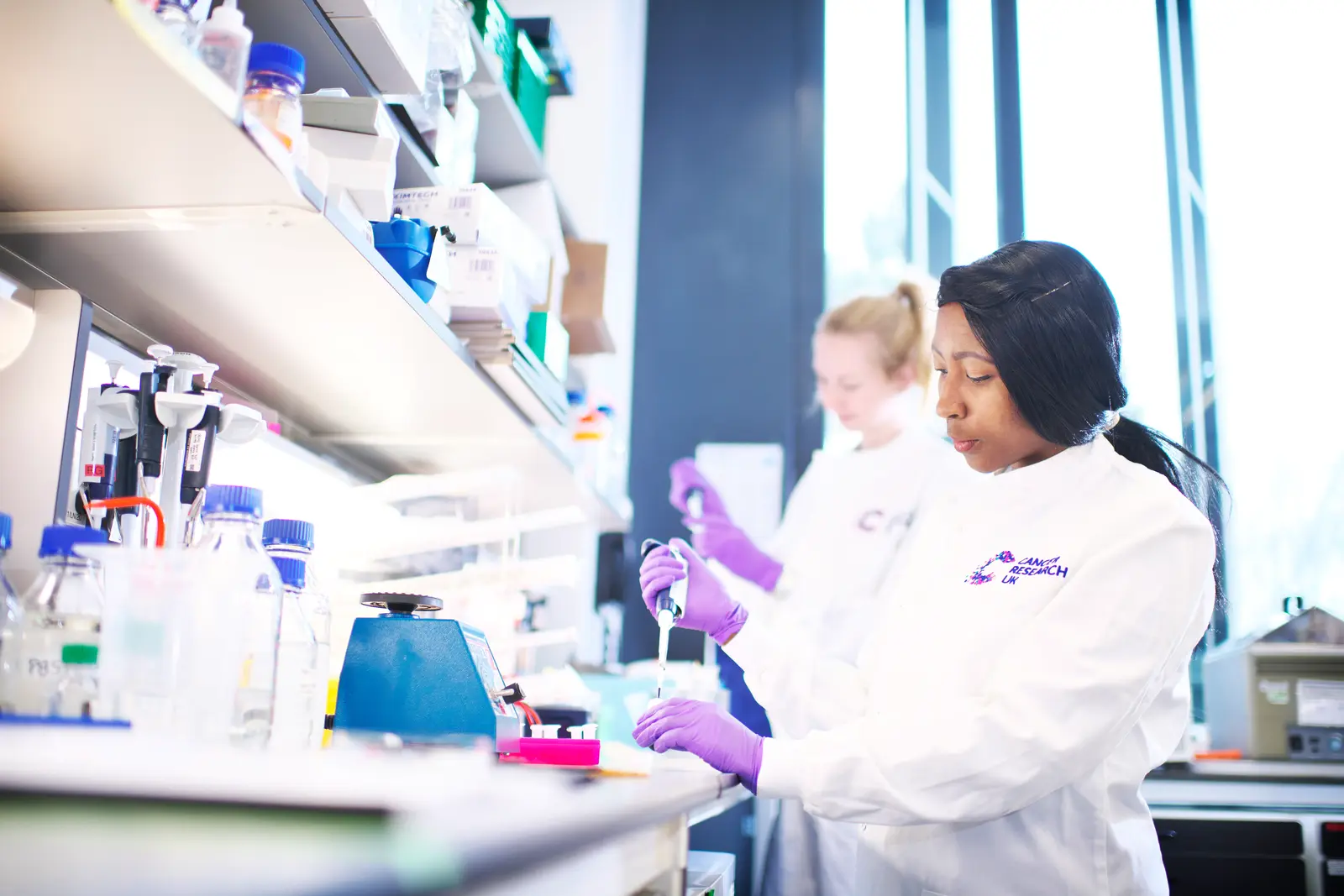
Deliver cancer research of the highest calibre
Our research will transform our understanding of every stage of a tumour lifecycle. We believe that only through understanding all aspects of the disease can we prevent, detect and treat cancer so that everybody can lead longer, better lives.
We are attracting the brightest minds in research, both across the UK and globally, to create a dynamic and inclusive environment for all to accelerate scientific discovery. Our 20 research groups work collaboratively to bring about the most impactful discoveries and create an Institute-wide culture of tackling the most important questions in cancer research.
Core-funding from Cancer Research UK
-
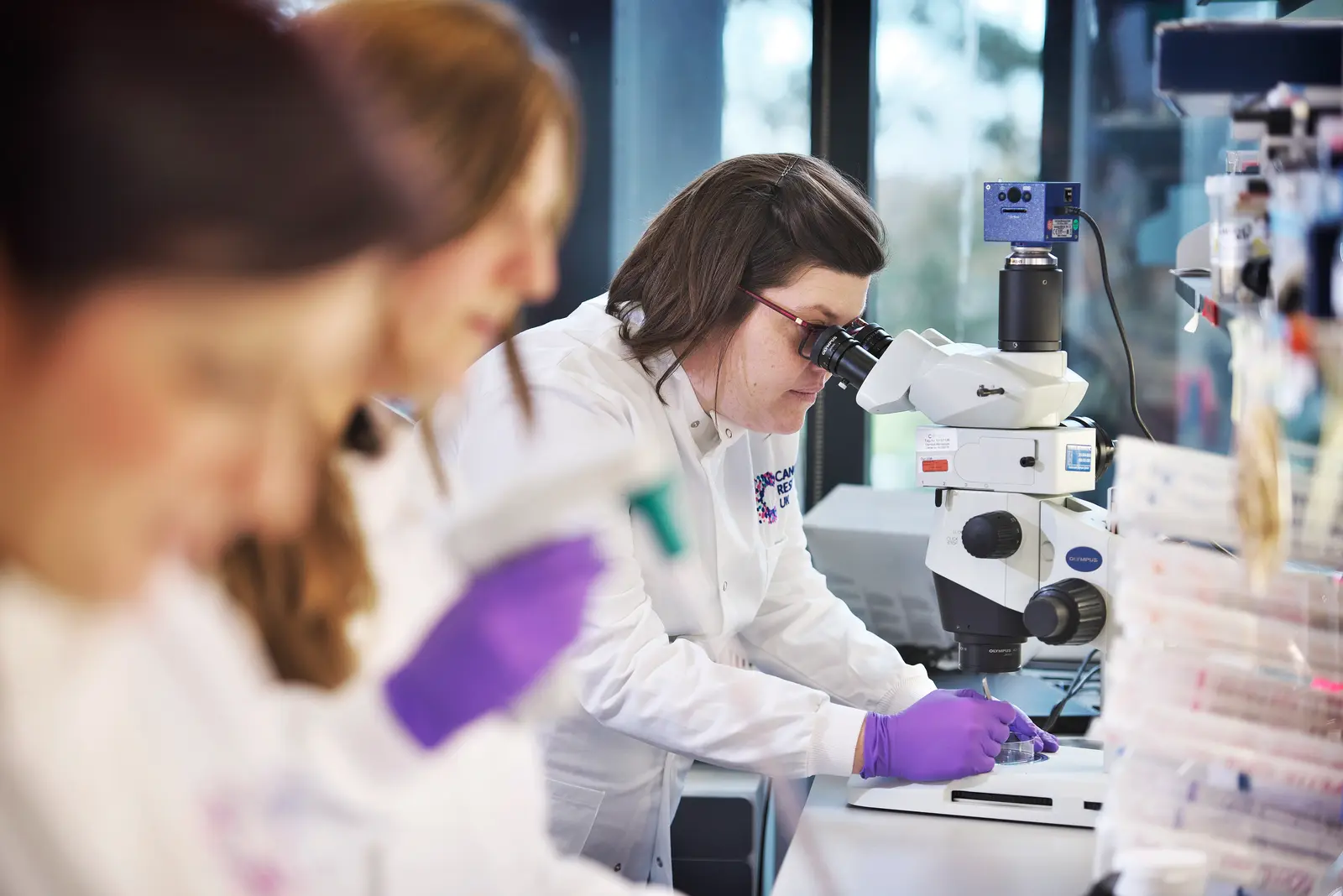
Deliver cancer research of the highest calibre
Our research will transform our understanding of every stage of a tumour lifecycle. We believe that only through understanding all aspects of the disease can we prevent, detect and treat cancer so that everybody can lead longer, better lives.
Contact
We are attracting the brightest minds in research, both across the UK and globally, to create a dynamic and inclusive environment for all to accelerate scientific discovery. Our 20 research groups work collaboratively to bring about the most impactful discoveries and create an Institute-wide culture of tackling the most important questions in cancer research.
Core-funding from Cancer Research UK
-
Deliver cancer research of the highest calibre
Our research will transform our understanding of every stage of a tumour lifecycle. We believe that only through understanding all aspects of the disease can we prevent, detect and treat cancer so that everybody can lead longer, better lives.
Chat with us
We are attracting the brightest minds in research, both across the UK and globally, to create a dynamic and inclusive environment for all to accelerate scientific discovery. Our 20 research groups work collaboratively to bring about the most impactful discoveries and create an Institute-wide culture of tackling the most important questions in cancer research.
Core-funding from Cancer Research UK
Video caption lipsum dolor sit amet consectetur adipiscing.
Focus areas
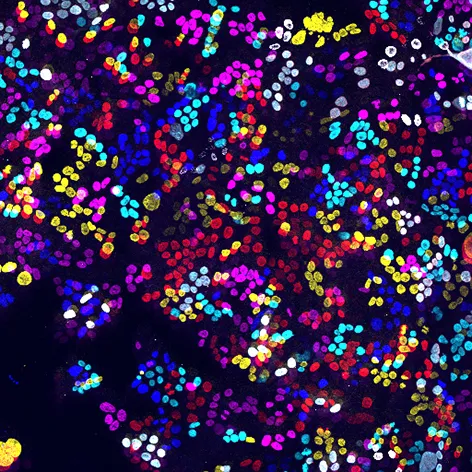
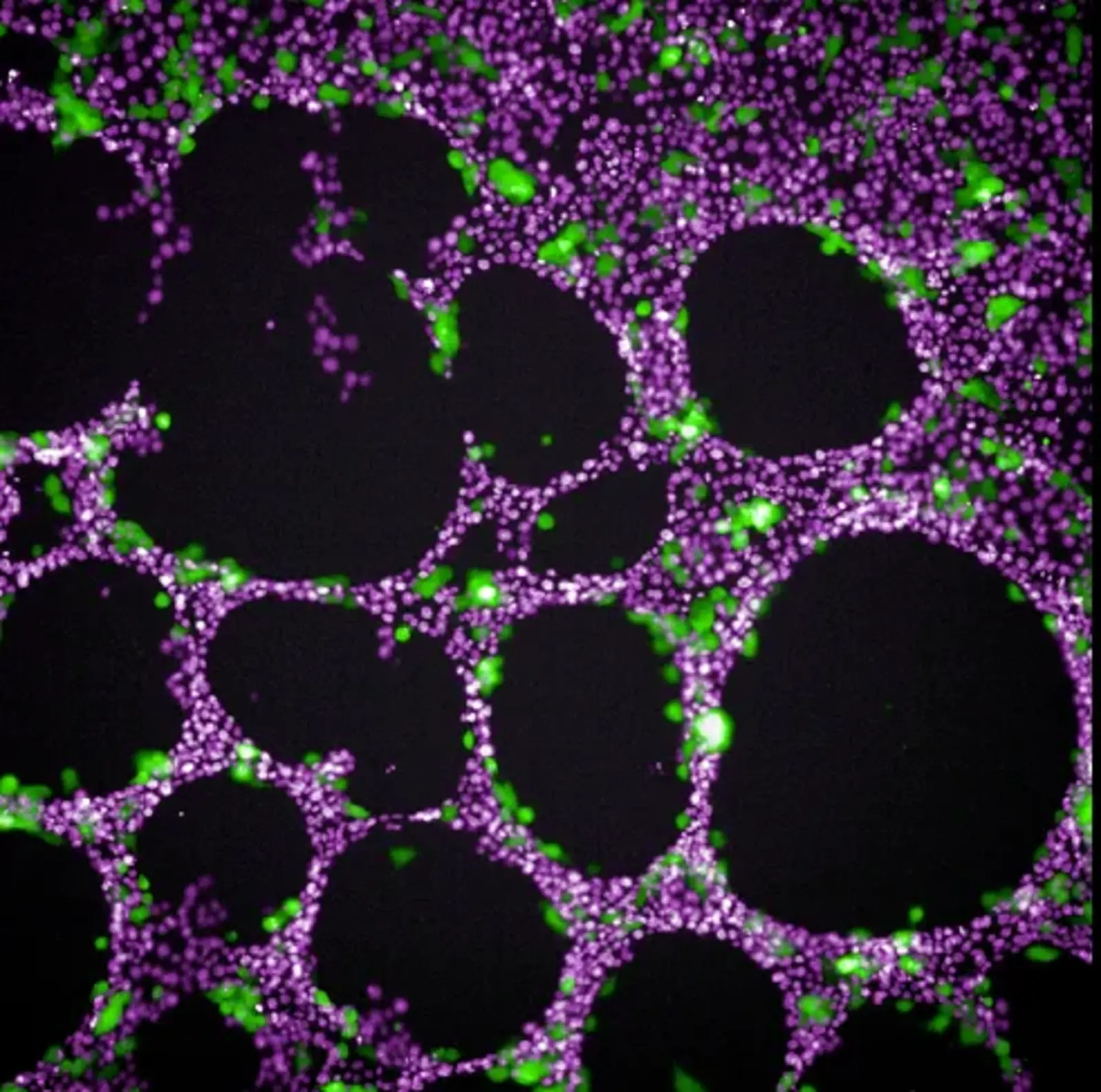
Lineage tracing
To determine the fate of clones we need to be able to observe them. This can be done directly by visualizing them or indirectly using DNA sequencing to detect unique mutations. Visualisation can be done in a number of ways using genetically modified mice. It commonly involves inducing a low frequency of sporadic activation of reporter genes using tightly regulated site specific recombinases, e.g. Cre, Flp, Dre. The recombinases can be expressed from specific stem or progenitor populations, or throughout the tissue. Spontaneous somatic mutations can sometimes be visualized directly.
The composition, frequency and size of clones are determined and this quantitative assessment lends itself to mathematical interpretations to describe the processes by which grow and become fixed and infer the behaviours of the original individually marked cells, that are commonly stem cells.
Stem cell extinctions and expansions characterize the process by which surviving clones can eventually become fixed in the epithelium – by occupying the individual glands or crypts that characterise the epithelium.

Stem cell and clonality
Introduction
Cancers of the colon, like other cancers, arise from the abnormal growth of cells containing oncogenic mutations. This provides the motivation to understand in detail the molecular changes accompanying such mutations. In contrast the impact of mutations on cell fates within affected tissues receives relatively little attention. Yet cancers are comprised of expanded clones of cells. Every mutated clone has a natural history involving discrete steps that establishes the fate of the founding cell and of its clonal descendants to dictate their contribution to, and availability for, neoplastic transformation.
We investigate the origin of clones in the intestinal epithelium to understand the probability of their survival and expansion at each stage and how this varies with different mutations. By defining when during their natural history clones predisposed to cancer become permanently fixed and how much they subsequently grow we can tailor interventions appropriately: aiming either to promote their extinction or limit their growth.
Primary CTA button


Introduction
Cancers of the colon, like other cancers, arise from the abnormal growth of cells containing oncogenic mutations. This provides the motivation to understand in detail the molecular changes accompanying such mutations. In contrast the impact of mutations on cell fates within affected tissues receives relatively little attention. Yet cancers are comprised of expanded clones of cells. Every mutated clone has a natural history involving discrete steps that establishes the fate of the founding cell and of its clonal descendants to dictate their contribution to, and availability for, neoplastic transformation.
We investigate the origin of clones in the intestinal epithelium to understand the probability of their survival and expansion at each stage and how this varies with different mutations. By defining when during their natural history clones predisposed to cancer become permanently fixed and how much they subsequently grow we can tailor interventions appropriately: aiming either to promote their extinction or limit their growth.
sdaskld jlkasjdkl jaskldj klasjd klajskld jaskljd klasjlkdjaskl
block quote
“We are excited about studying the fundamental processes of this highly unusual but important protein. The insight will help us understand how specialised master regulators like FOXA1 can change the genomic landscape and ultimately the fate of a cell, which is important given that FOXA1 is a major driver in breast and prostate cancer. We thank the Wellcome Trust for the opportunity to conduct this work.”
Prof Jason Carrol
-
ACED: International Alliance for Cancer Early Detection
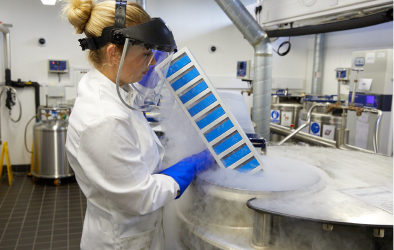
ACED is a partnership between Cancer Research UK, Canary Center at Stanford University, the University of Cambridge, OHSU Knight Cancer Institute, UCL and The University of Manchester worth over £55 million.
The Cambridge ACED centre is co lead by Dr Sarah Bohndiek with Early Cancer Institute Director Professor Rebecca Fitzgerald. It is made up of 355 members from organisations that include The University of Cambridge, the Gurdon and Wellcome Sanger Institutes, and NHS Departments.
The Centre designs, develops and delivers Clinical Infrastructure for Research in Early Detection, a clinical facility that will enable early phase clinical trials of novel diagnostics. This will be key to test and validate early diagnostics and accelerate adoption of the most promising early detection approaches by doctors.
Read Case Study -
Black in Cancer
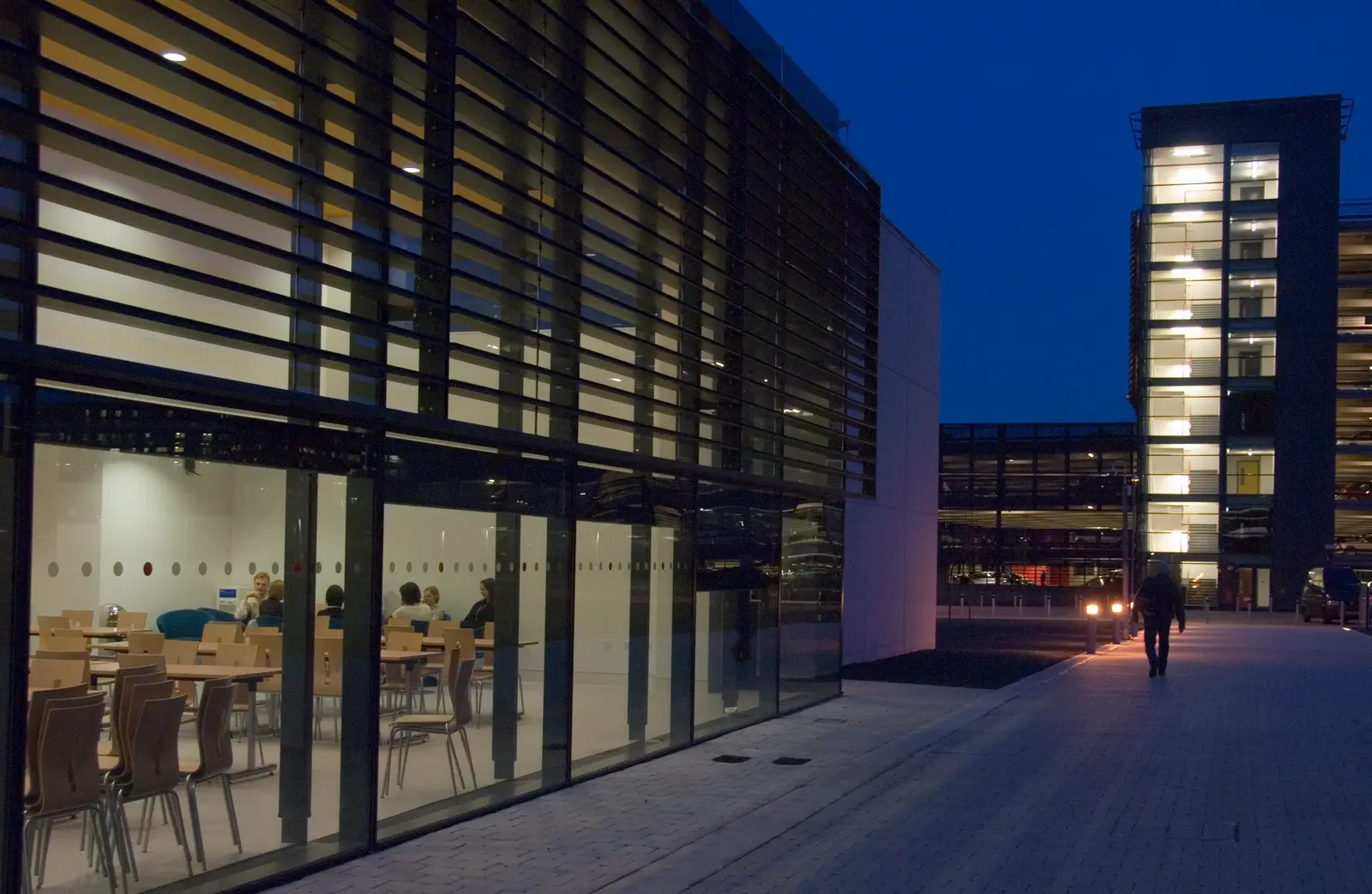
We are proud to house the UK Headquarters of Black in Cancer, an organisation dedicated to strengthen the network between Black people in the cancer space whilst highlighting Black excellence in cancer research and medicine.
We have partnered with Black in Cancer to offer two summer research places to UK undergraduate students on the Black and Cancer mentorship scheme. Mentees are matched with a mentor from academia or industry currently contributing to the fight against cancer, for career mentoring.
Mentees in the scheme will receive training outside of the mentorship including coaching events and presentation training.
See Research Themes
Group Members
-
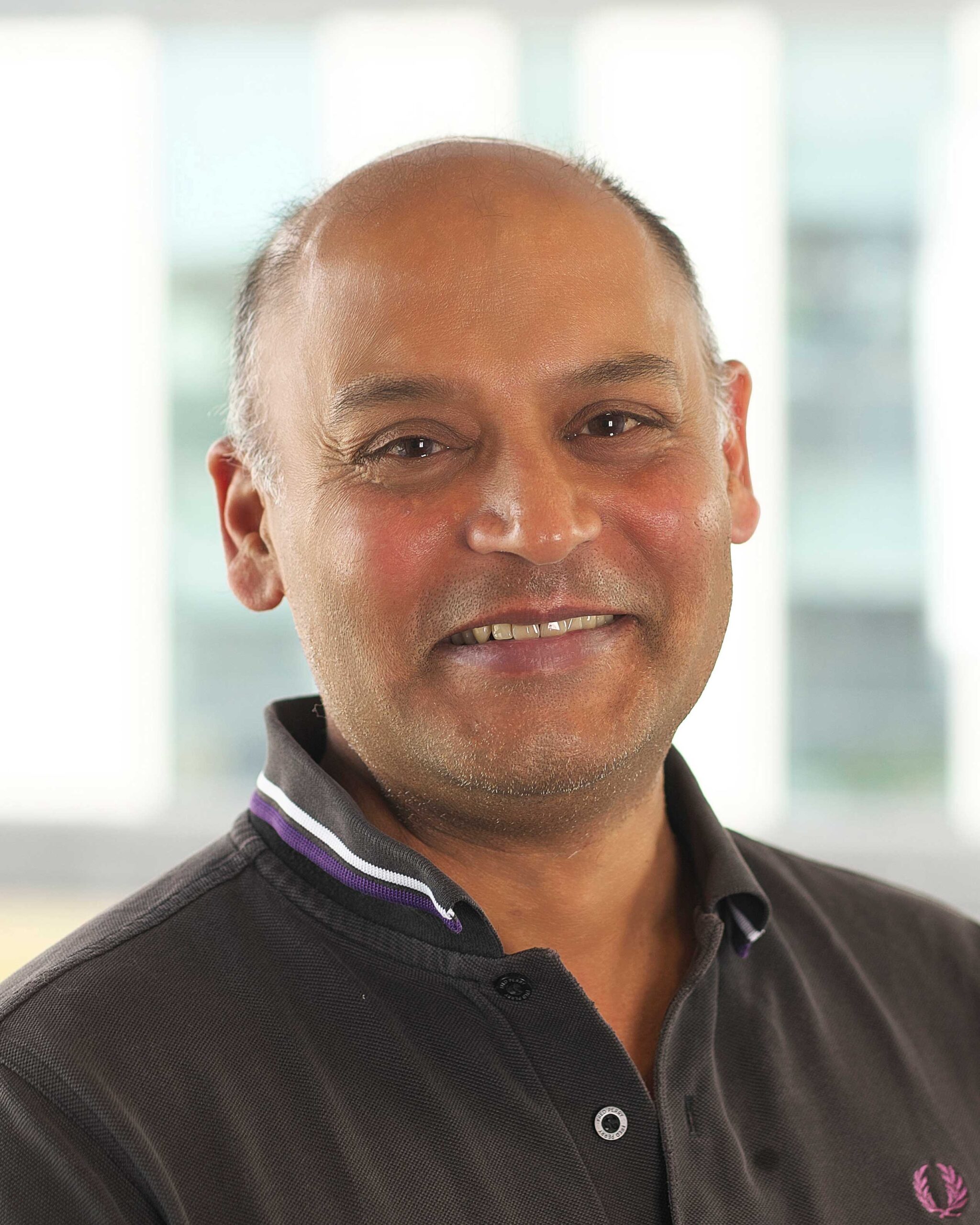
Clive D'Santos
Head of Proteomics
-
Valar Franklin
Principle Scientific Associate
-
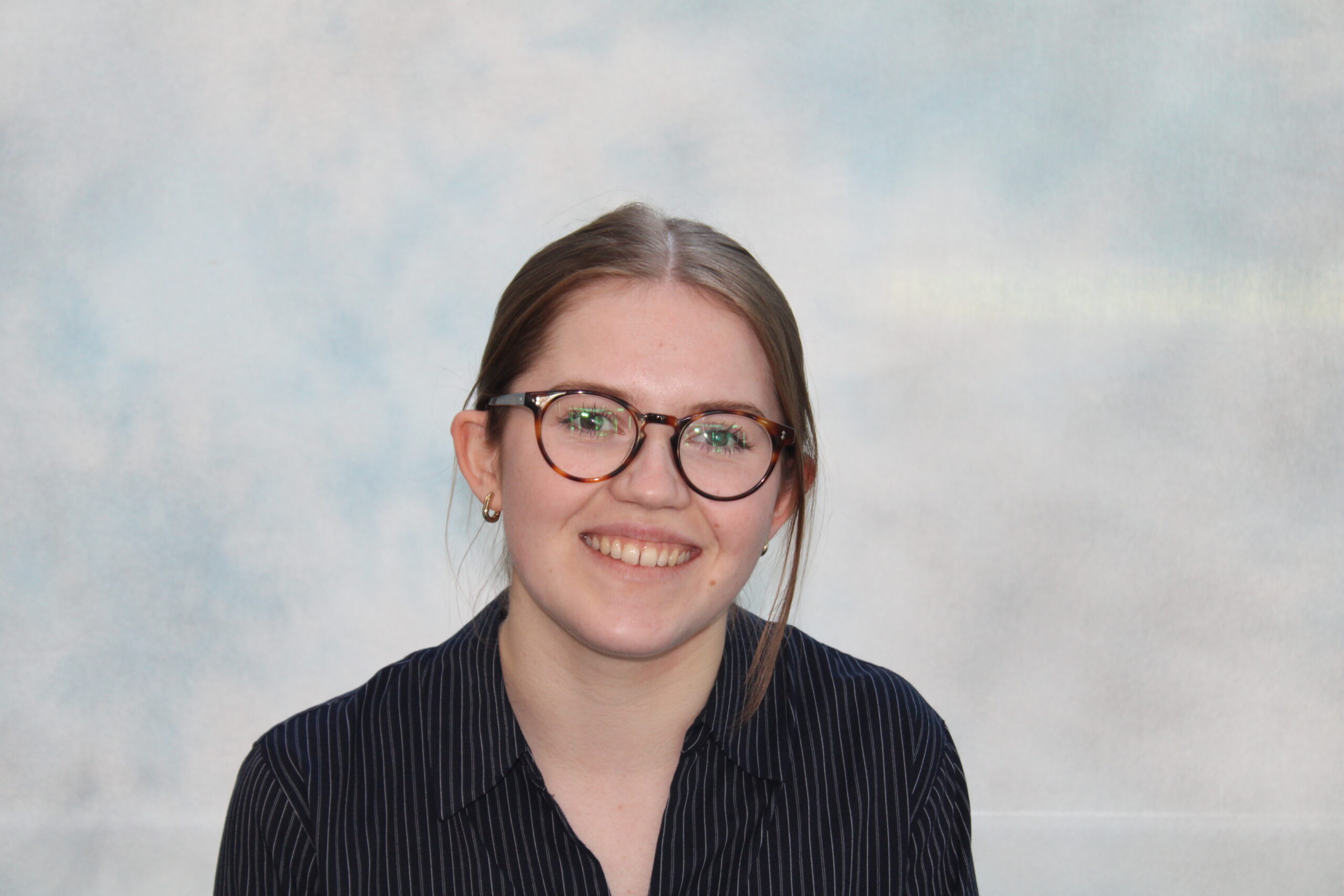
Amelia O'Dell
Research Assistant
-
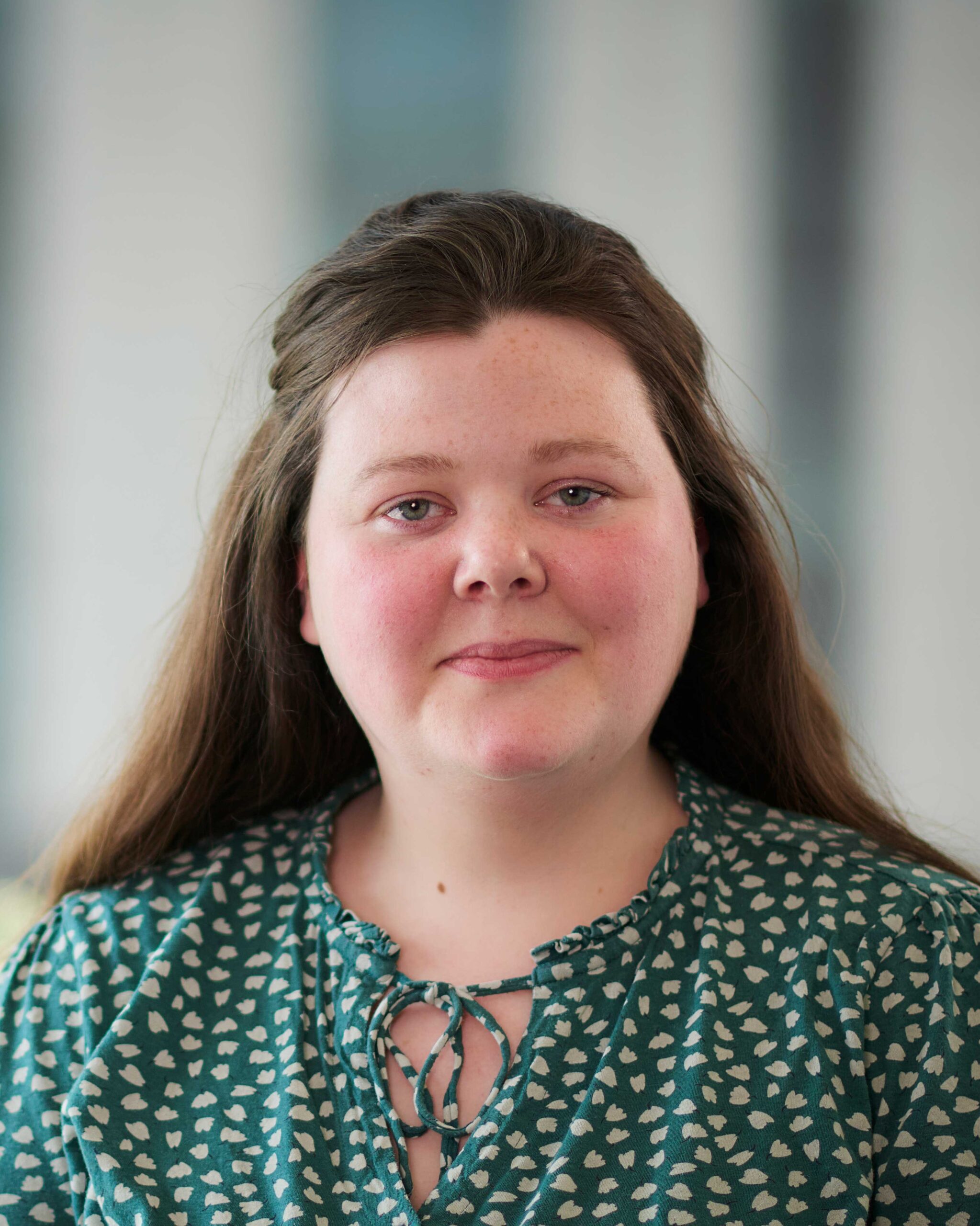
Amy Cullen
Principal Scientific Associate
-
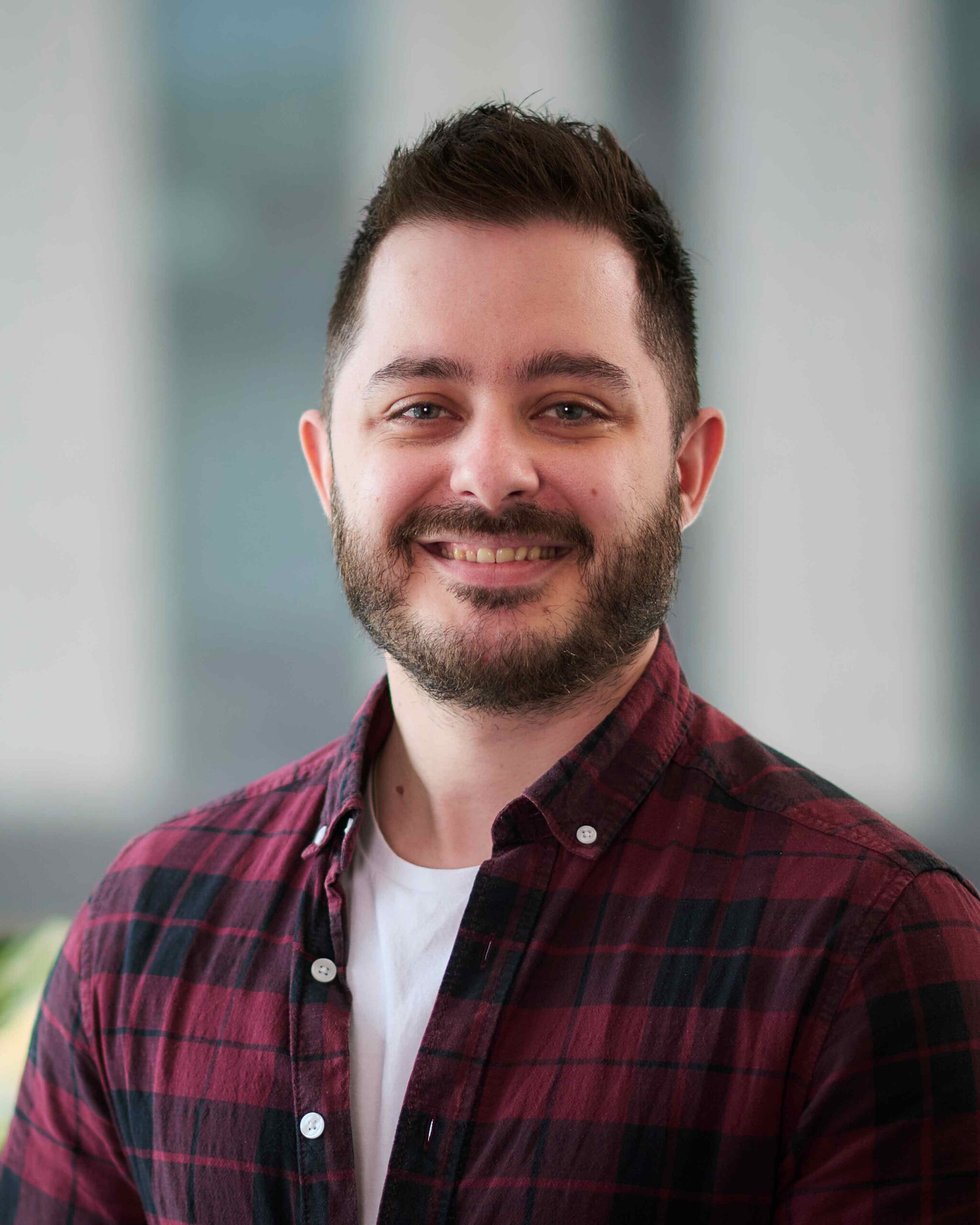
Philip Smith
Research Associate
-
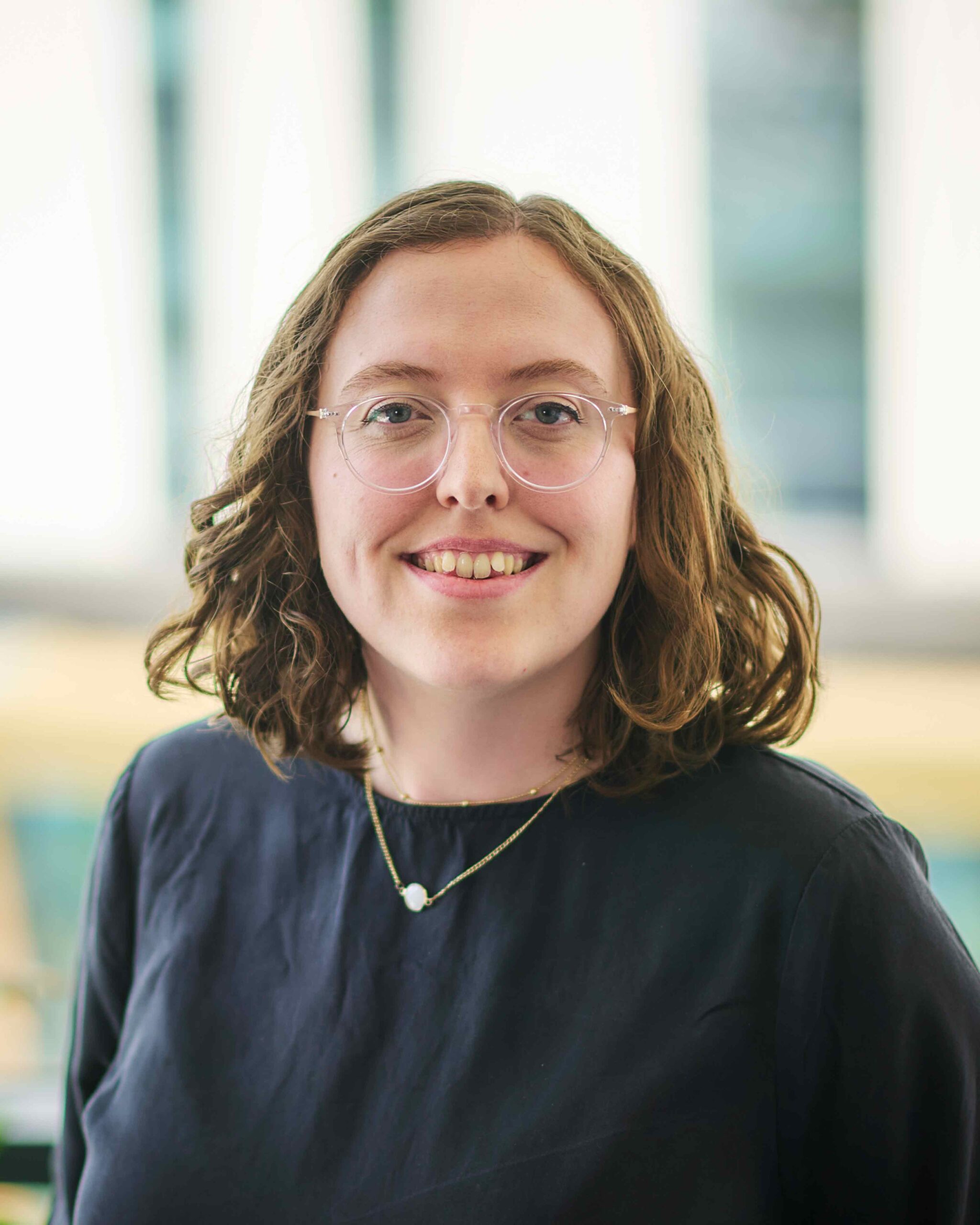
Kate Eason
Research Associate
-
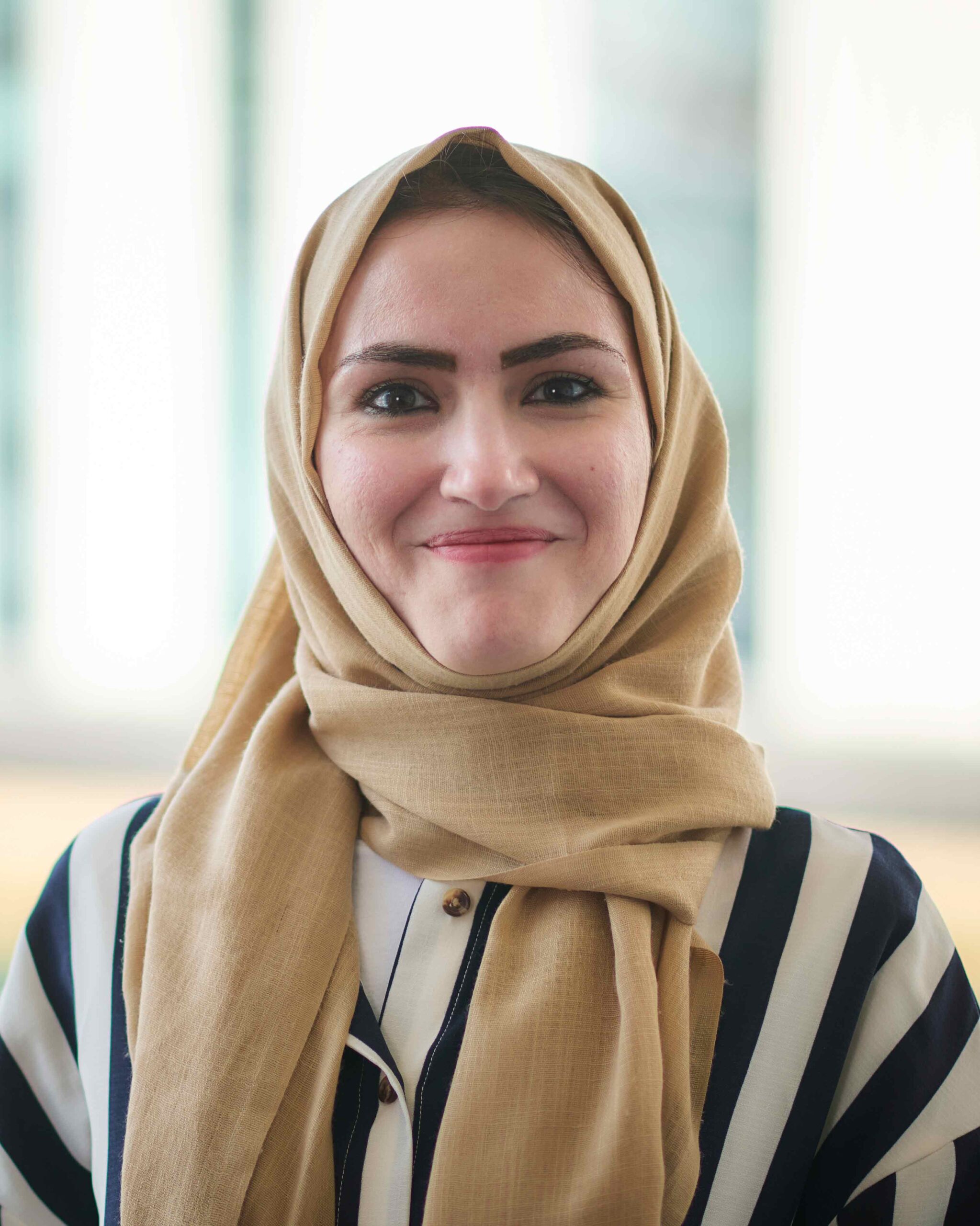
Raghad Al Jarf
Research Associate
-
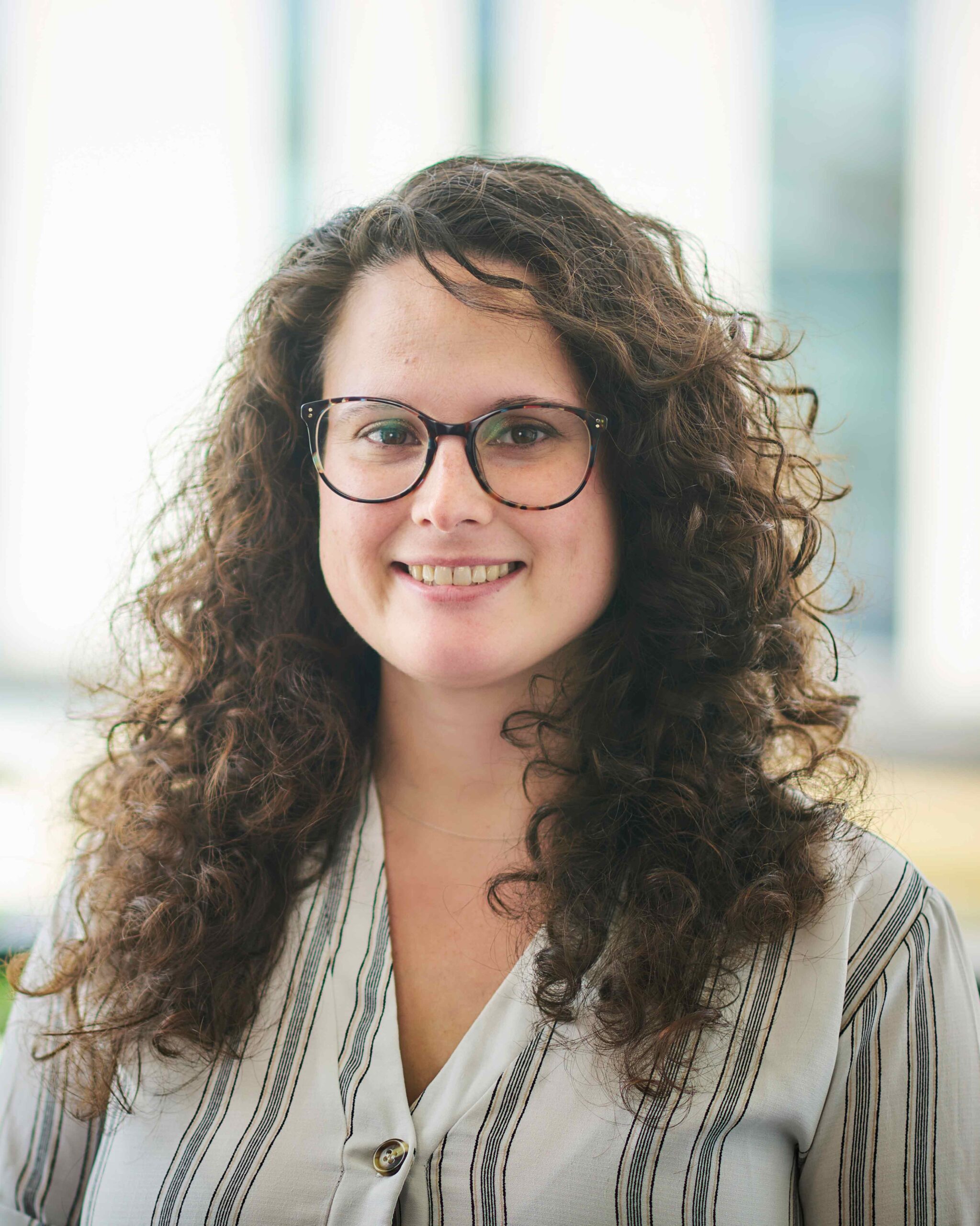
Raquel Manzano Garcia
Senior Bioinformatics Analyst
-
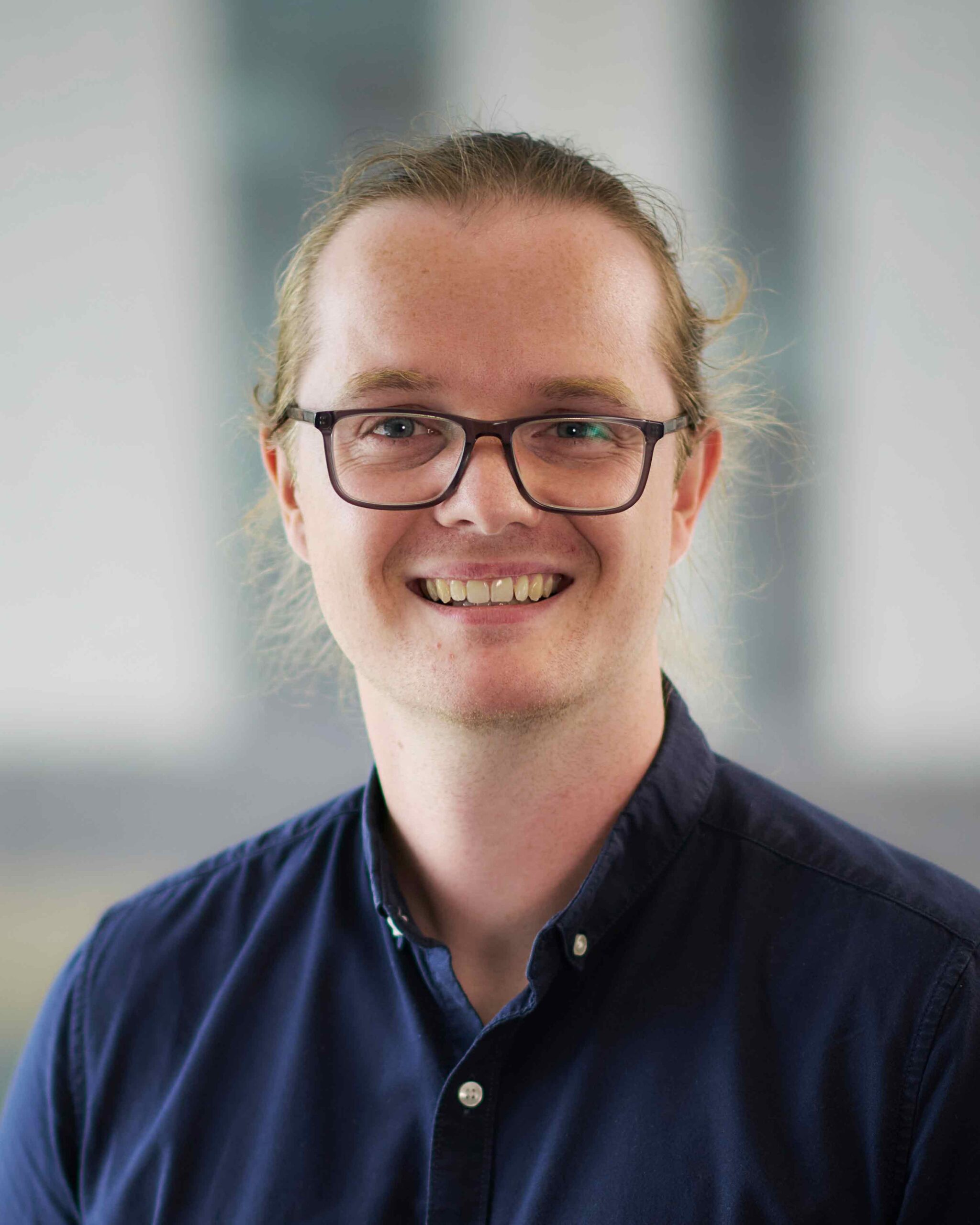
Ryan Blake
Scientific Associate
-
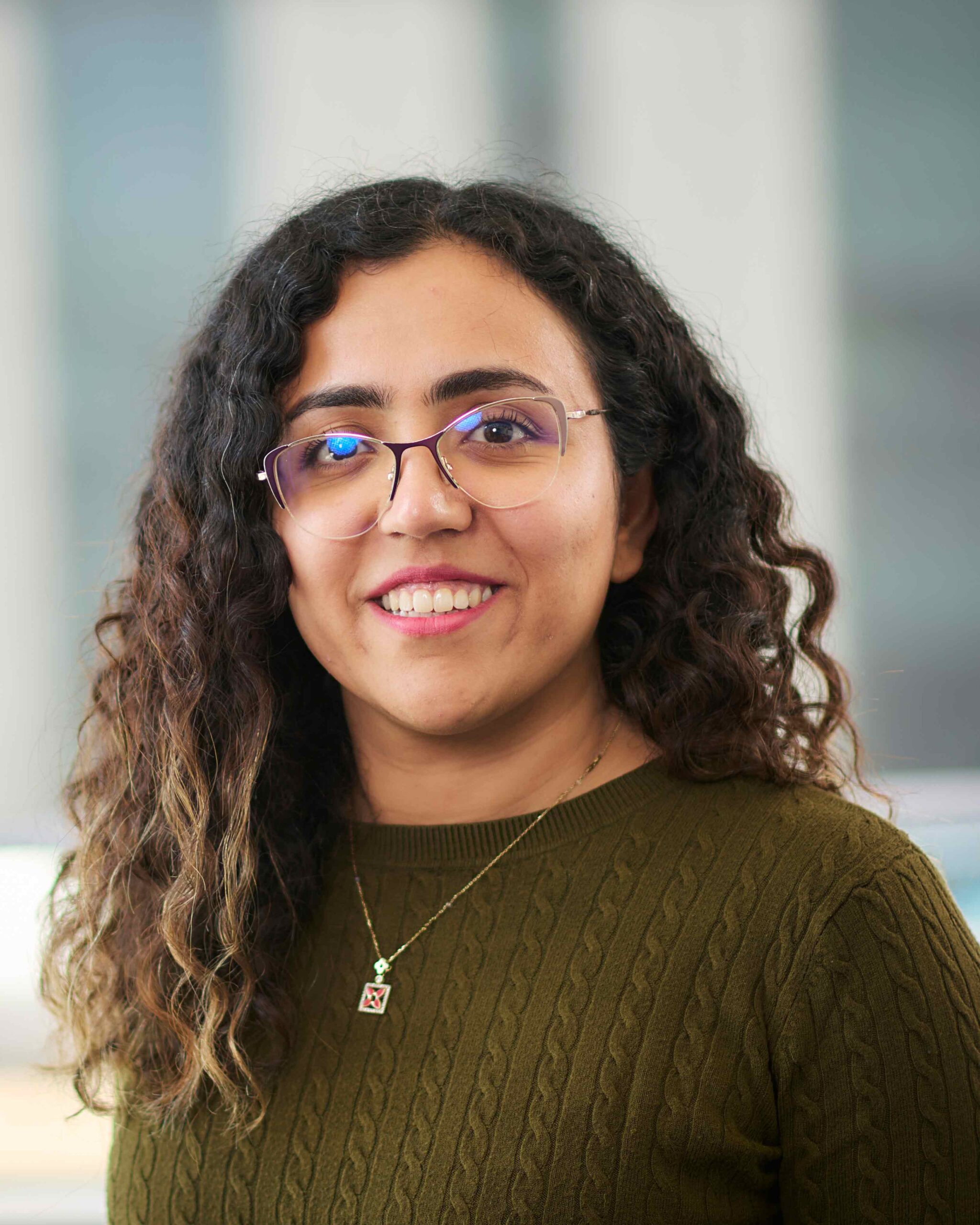
Shadi Shafighi
Research Associate
-
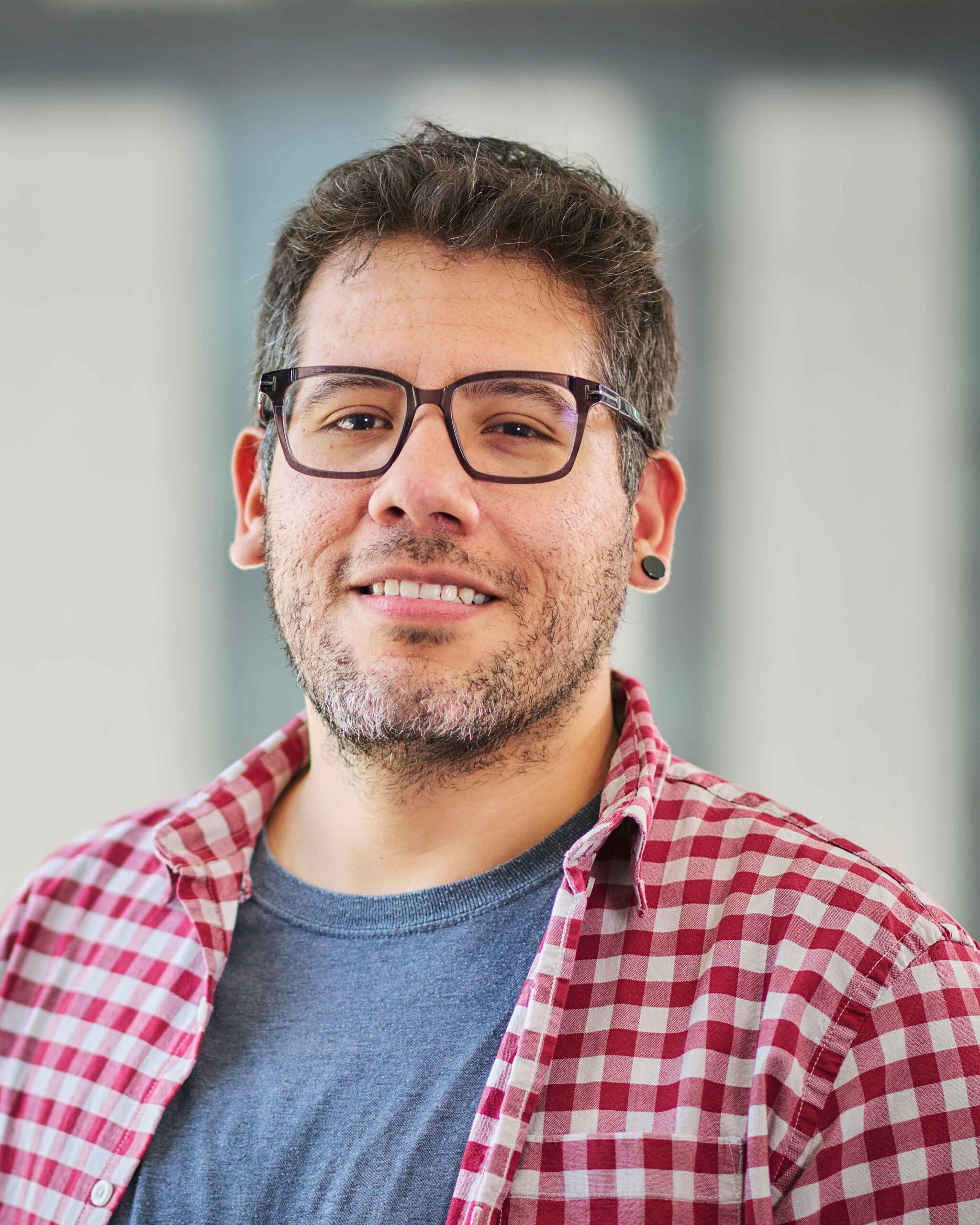
Daniel Guerrero Romero
Research Associate
-
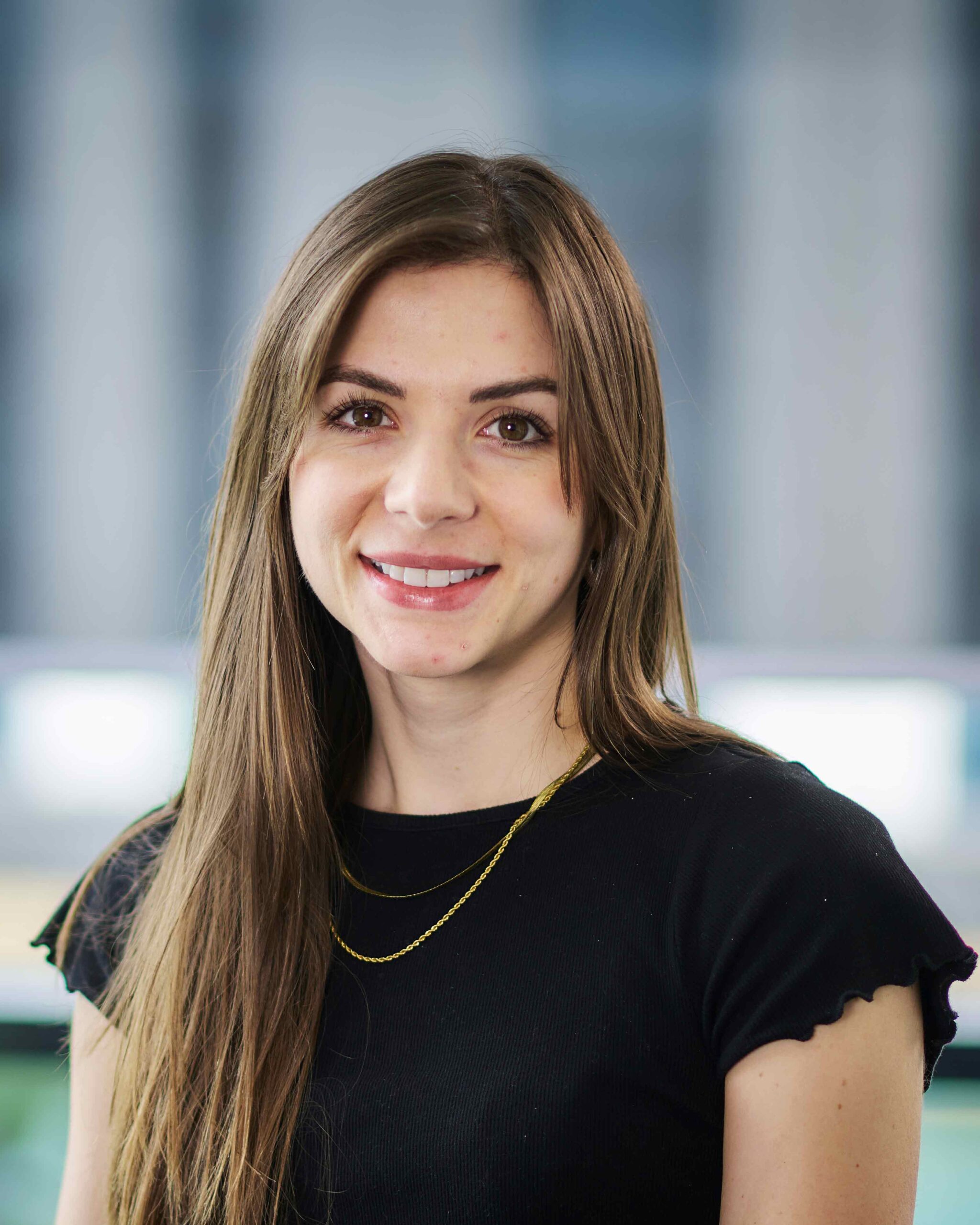
Emily Lythgoe
Postgraduate Student
-
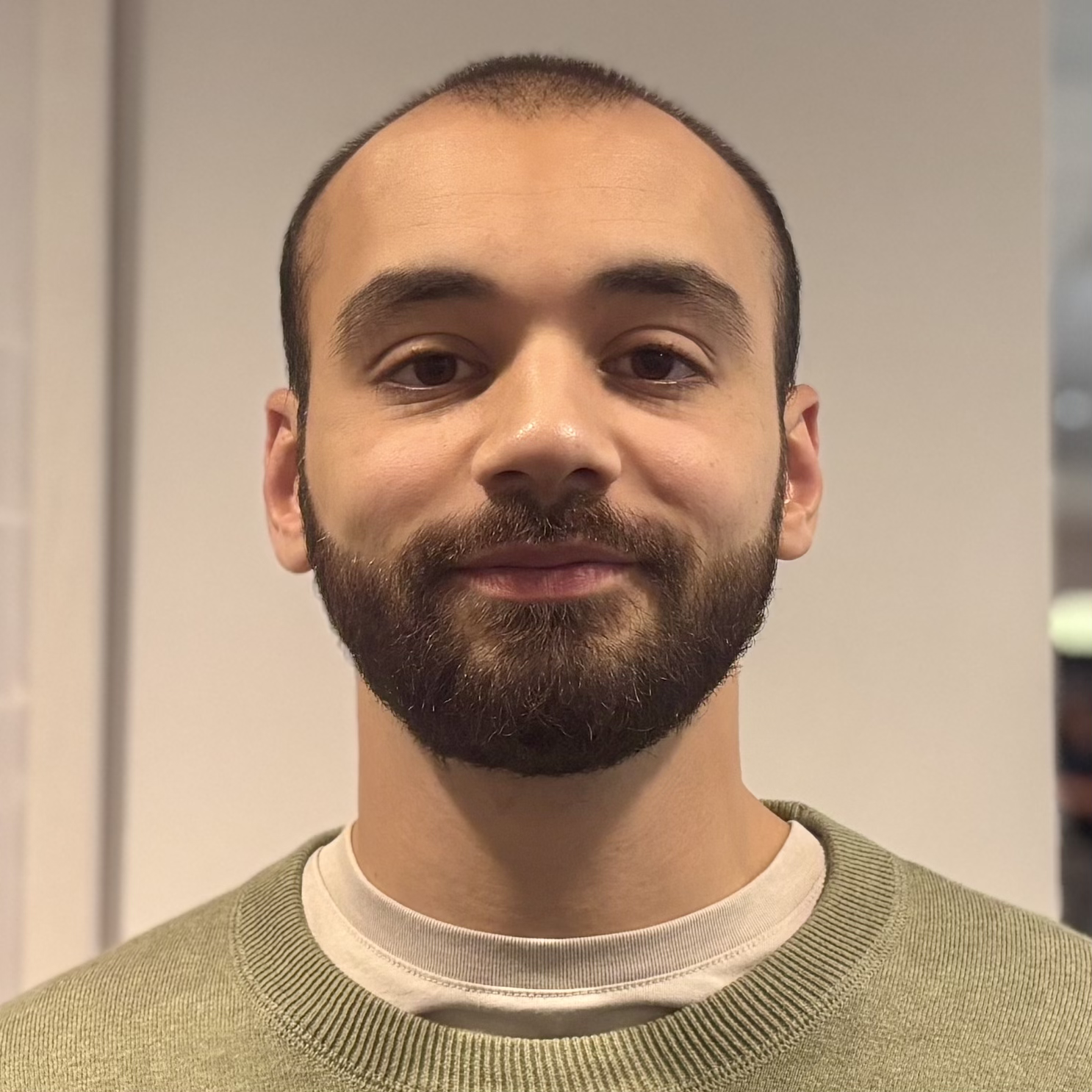
Rehan Zuberi
Postgraduate Student
-
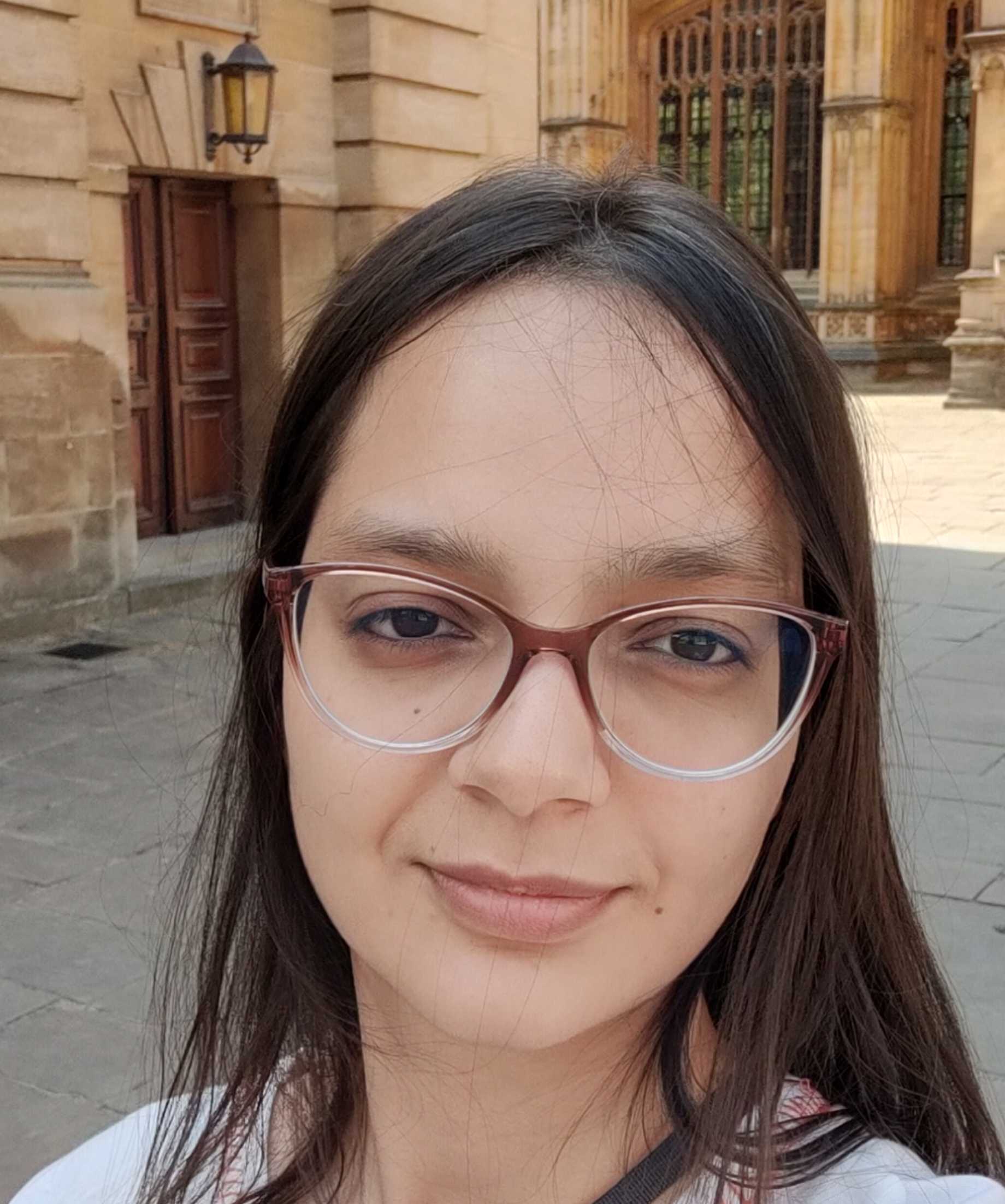
Anoushka Harit
Postgraduate Student
Contact Form
Fields marked with an asterisk * are mandatory.
"*" indicates required fields
My Group Members
-
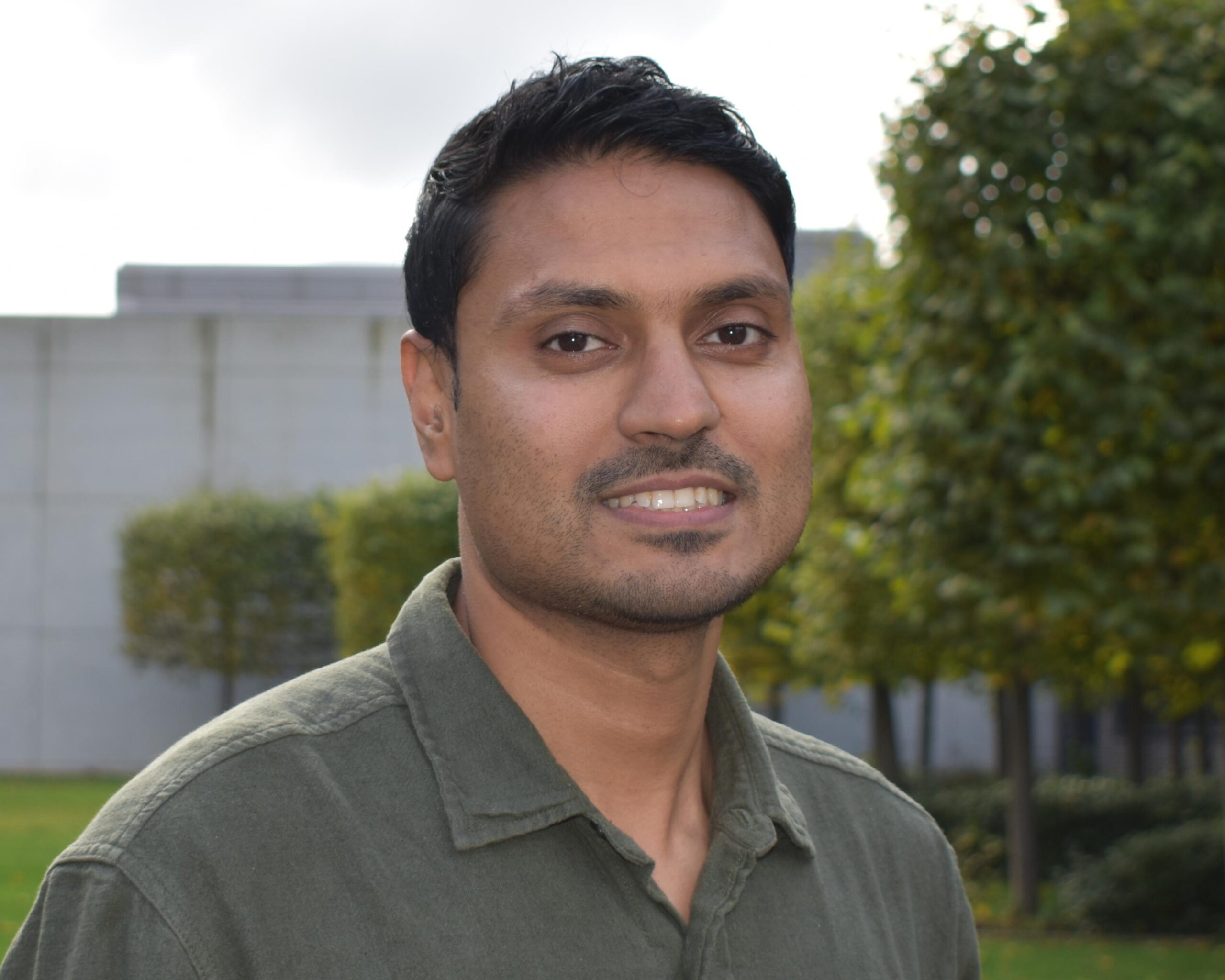
Atif Khan
Research Associate
-
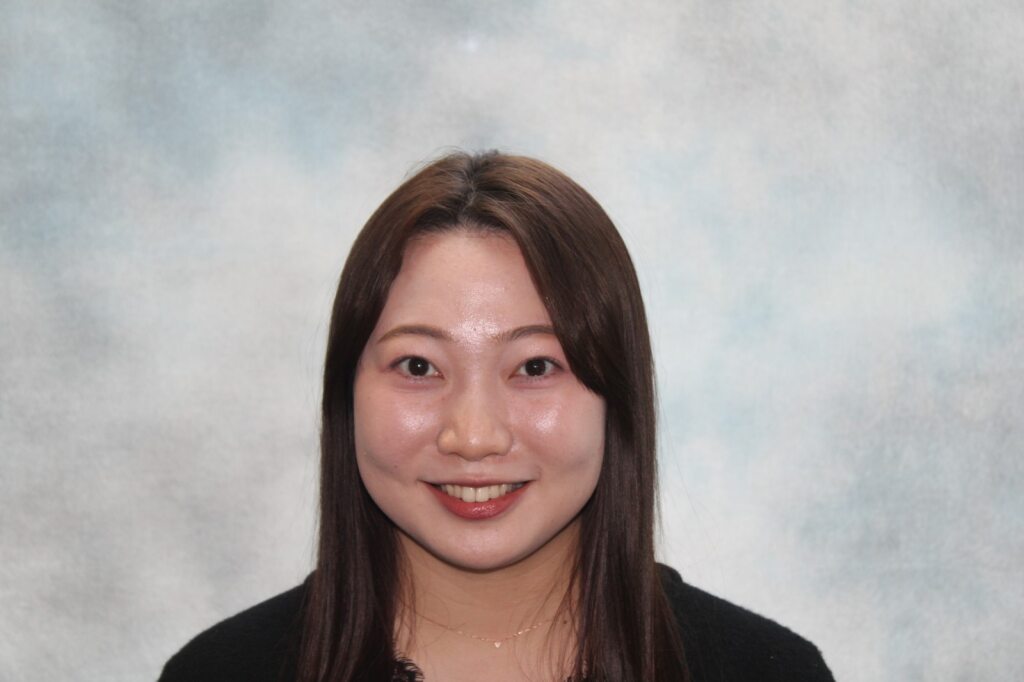
Ayane Nakamura
Visiting PhD Student
-
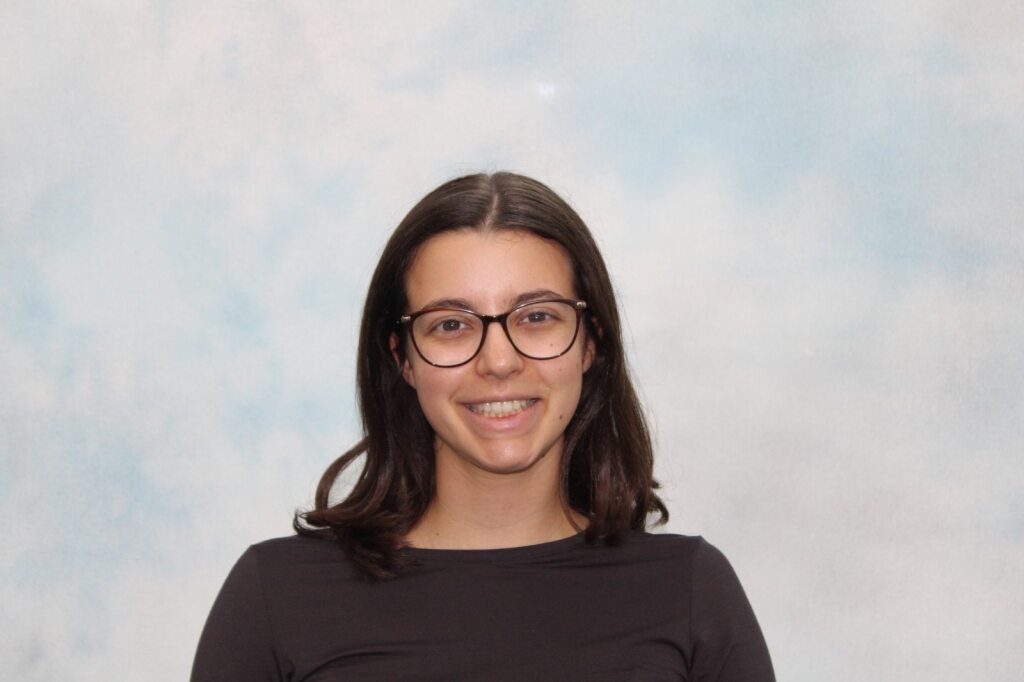
Carolina Moretti Ierardi
PhD Student
-
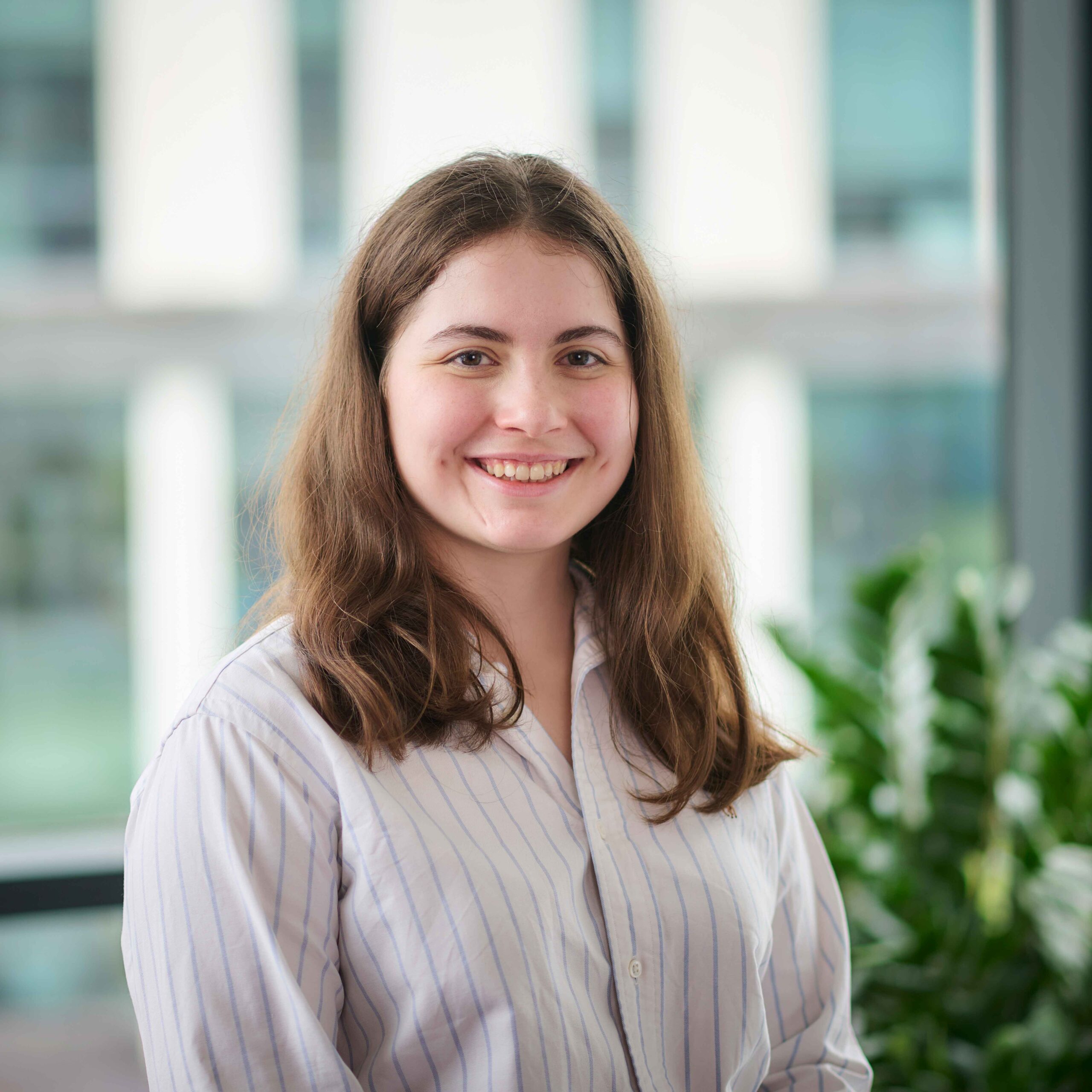
Caroline Caruso Carter
Postgraduate Student
-
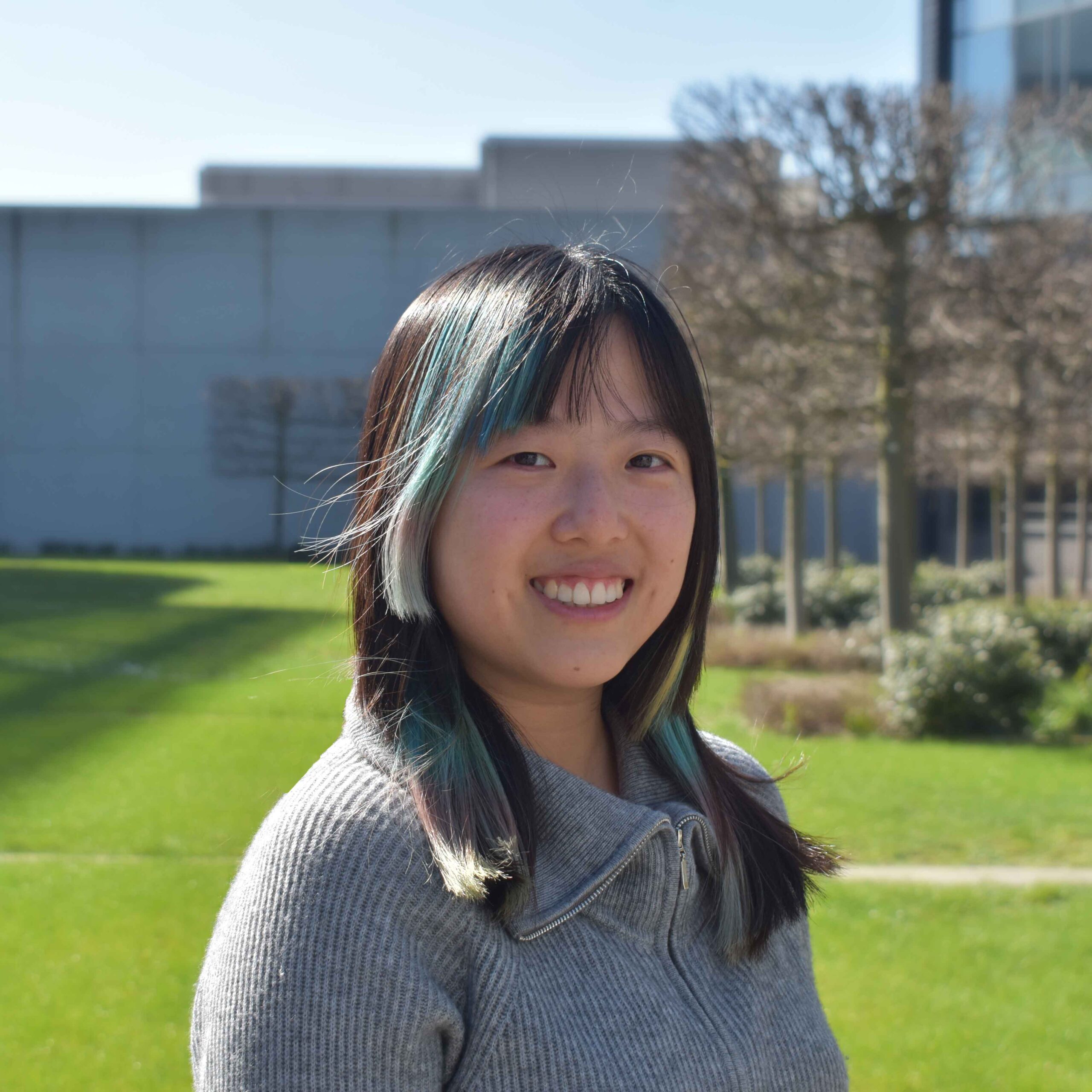
Ciccy Wang
Visiting Research Associate
-
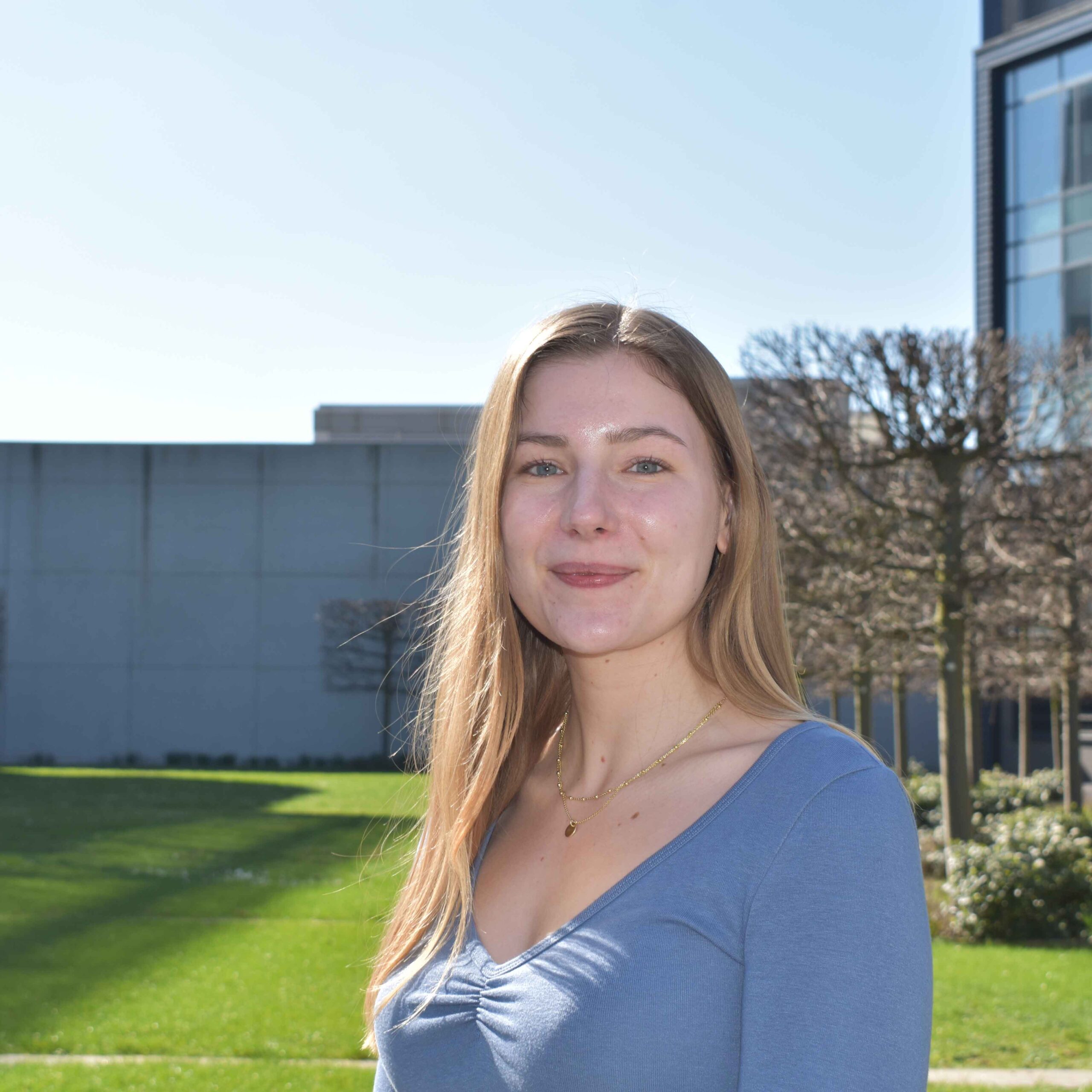
Ellen Schrader
Postgraduate Student
-

Ioanna Karouzou
Research Administrator
-

Lubna Ahmad
Postgraduate Student
-
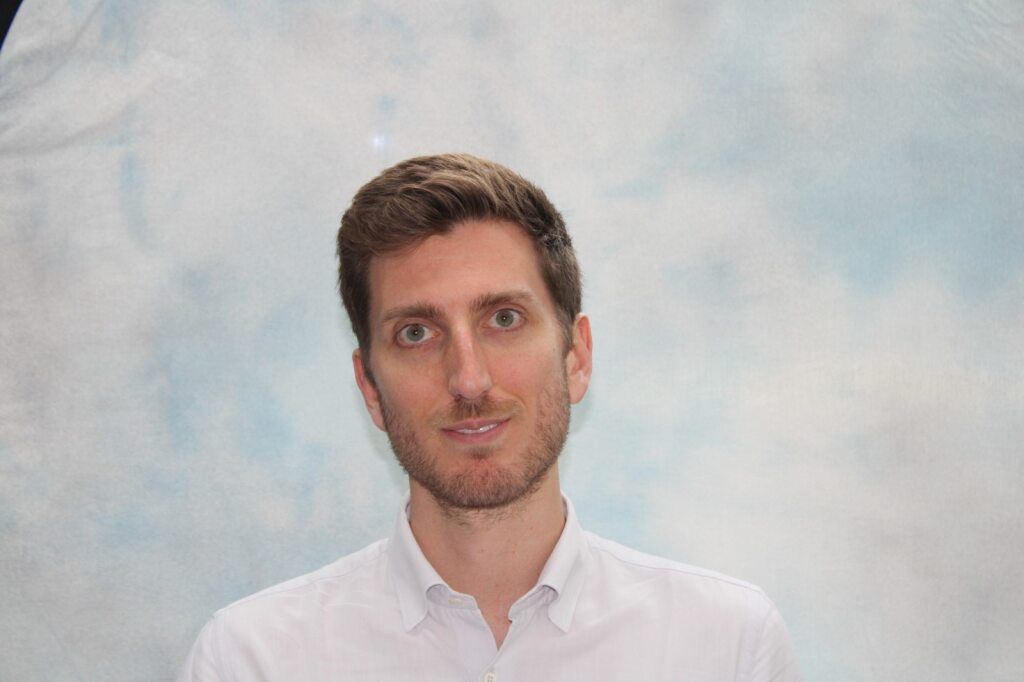
Matteo Naldini
Research Associate
-
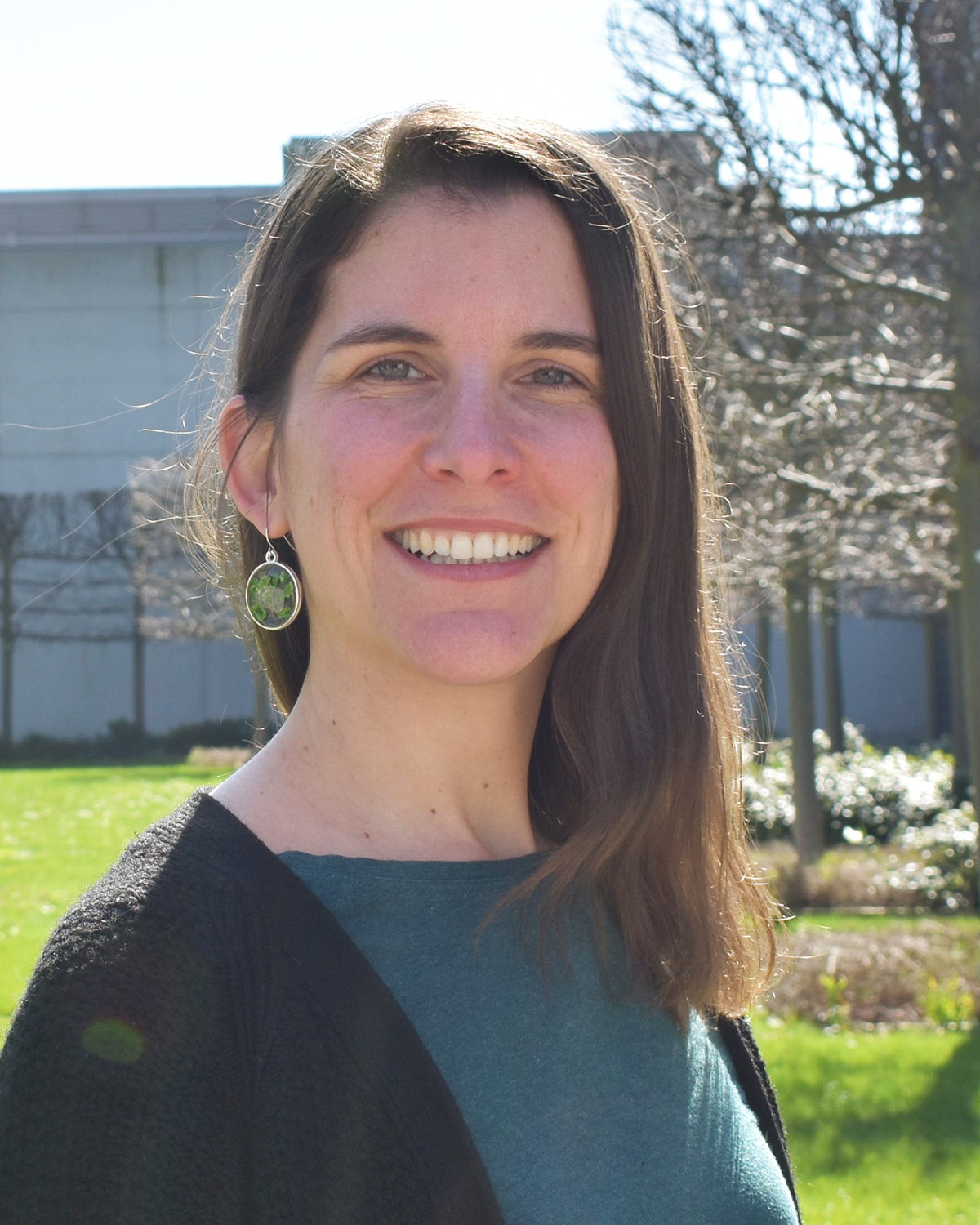
Neus Masque Soler
Principal Scientific Associate
-
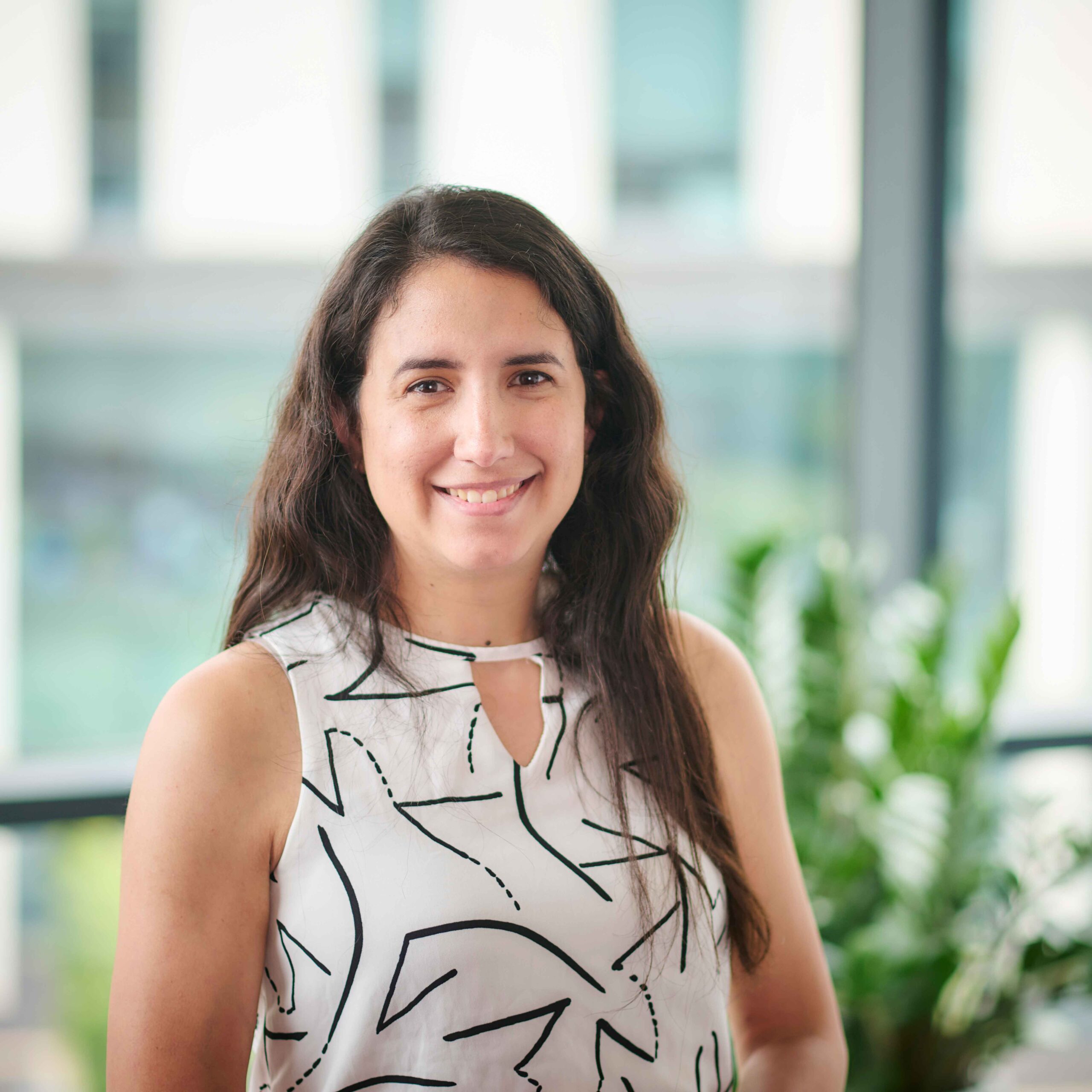
Shimrit Mayer
Research Associate
-
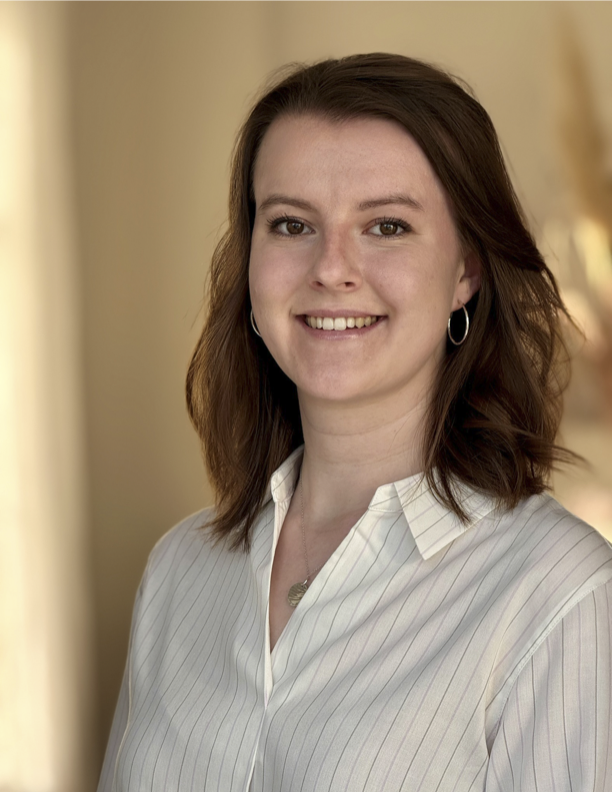
Paula Wagner
Associated Staff
-
Eric Jou
Associated Staff
-

Sridatta Teerdhala
Visiting Master’s Student
Latest News
See all news-
Prof Sir Steve Jackson receives the 2026 Galen Medal in Therapeutics
14th May 2026
This award comes in recognition of his transformational work on the mechanisms of DNA repair, cell survival and the DNA-damage response (DDR), as well as for the development of the cancer-targeting drug Olaparib.
Find out more -
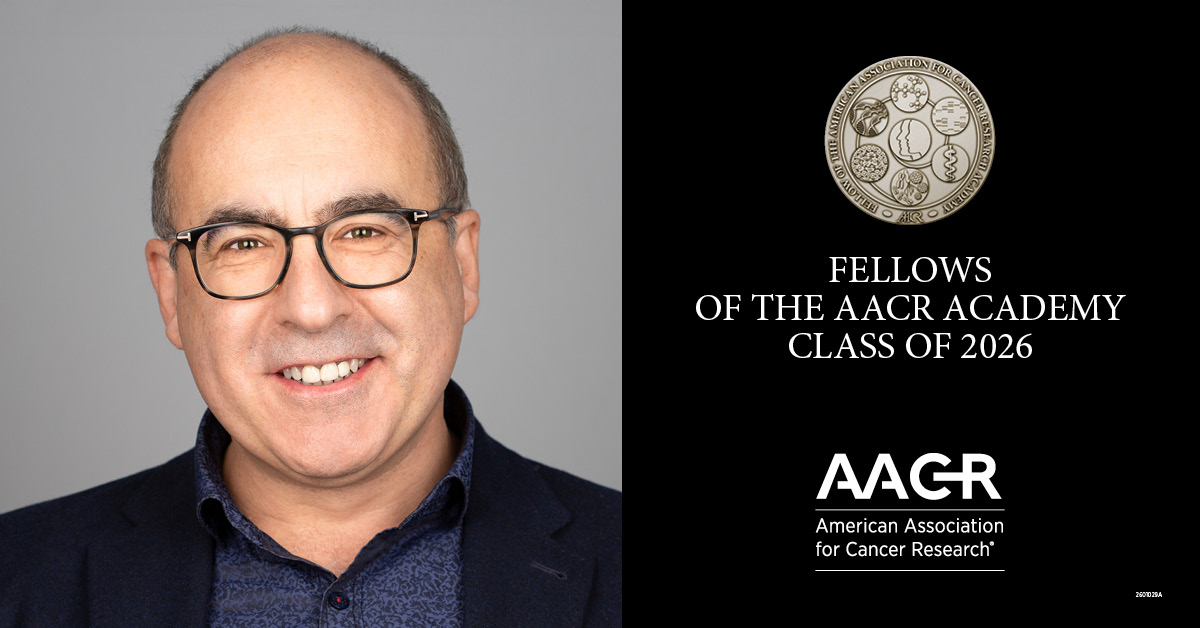
Professor Sir Steve Jackson elected as a fellow of the American Association for Cancer Research
16th February 2026
Senior Group Leader Sir Steve Jackson has been elected as a Fellow of the American Association for Cancer Research Academy in the Class of 2026.
Find out more -
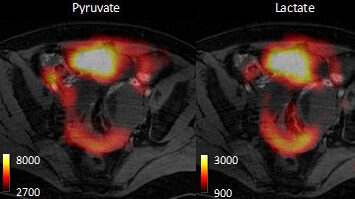
Imaging technique allows rapid assessment of ovarian cancer subtypes and their response to treatment
6th December 2024
An MRI-based imaging technique developed at the Institute predicts the response of ovarian cancer tumours to treatment, and rapidly reveals how well treatment is working, in patient-derived cell models.
Find out more
Title
ButtonNo publications selected for display
Heading
Seminar Feed
-
- 24 Jun 2026 11:35 am – 11:35 am
-
- 24 Jun 2026 11:35 am – 11:35 am
-
- 24 Jun 2026 11:35 am – 11:35 am
-
Clonal haematopoiesis, early detection and pre-leukemia to leukemia development
- 24 Jun 2026 11:35 am – 11:35 am