Subhanita Ghosh, Scientific Associate
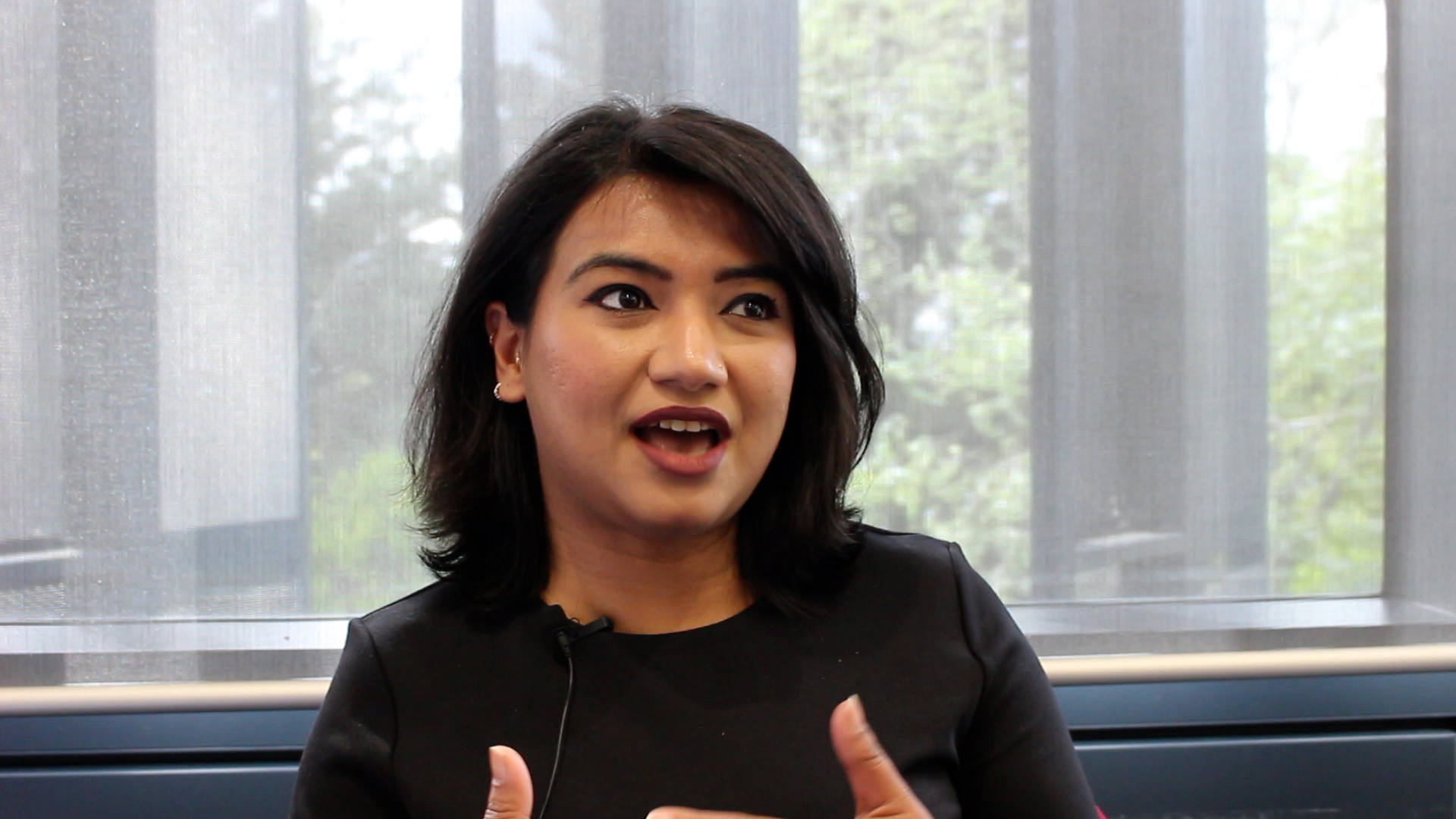
In her role as a Research Associate in the Mair Group, Su works to understand how cancer spreads. She also is learning and applying new skills in data analysis as new technologies like AI are changing the way science is done.
With a strong interest in the power of the epigenome, Su made the transition to cancer research at the CI where she now works in the lab of Richard Mair. Both her knowledge of and background in epigenetics are vital to the lab’s mission, studying how brain cancer uses nutrients to survive and grow. She also has a passion for patient and public engagement.
Watch her episode of Behind the Lab Coat below and then check out the bonus interview below for more details on her impressions of life at the CI.
Your background is in studying the epigenome and you’re now looking at this in the context of cancer. What is epigenetics?
“Epigenetics is not coded into our DNA. It’s a temporary system. It can switch off and switch on, but that features are quite relevant to change, to change the fate of a cell, let’s say one single cell with, rewired epigenome could be cancerous.
And that’s enough, maybe for traveling from one organ to another. And form a tumor. So this tiny changes. It’s like a butterfly effect. You drop one pebble, and the ripples could be fast. That is epigenetics.”
And now you work in the Mair Group looking at brain cancer. Why attracted you towards joining this particular lab?
“Richard’s lab has a huge reputation for understanding brain tumours, so I was interested to apply my skills and knowledge to understand the genome evolution in brain cancer. And it was intriguing because Richard is a neurosurgeon which means we have the opportunity to work with actual patients.
That’s sort of my goal to work and understand direct patient implications and how we could improve research as a whole. That’s the opportunity I wanted to harness and that’s why it was intriguing and interesting to me.”
The CI provides researchers with in-house Core Facilities to help with running experiments. Which of these are most useful for your work?
“I use RICs a lot and I also use Genomics core extensively as the majority of my samples are sequenced here. And we get a lot of help from Scientific Computing to store the huge amount of data that we need to store and use.”
You are also involved regularly in public engagement and bringing science into the communities around Cambridge and the CI. Tell me about that.
“I am part of the patient and public involvement groups (PPI) and I also do a scientific outreach programme. It gives me a nice stage to connect with patients, and this truly gives me a new perspective on my research.
I find reaching out to the public and spreading the message very important too. For example, I was recently on a panel talk about brain cancer as a part of the Cambridge Festival. It wasn’t just patient families or friends, there was the younger generation there too, school students and college students, who were interested to understand how they could contribute to the field. It was very engaging from all sorts of different angles. It kind of blew me away actually.”
Latest News
See all news-
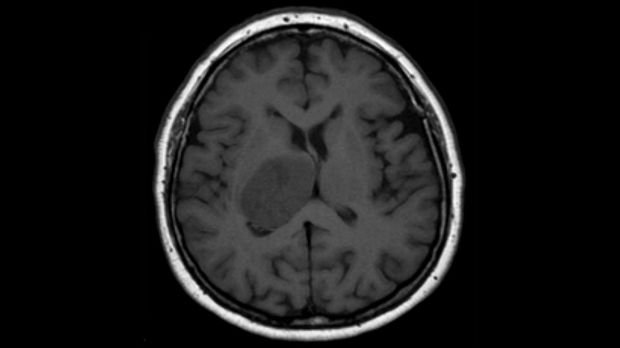
Dr Richard Mair to co-lead £13.7M investment for brain tumour research
19th December 2025
The National Institute for Health and Care Research (NIHR) has today announced a £13.7 million investment that will support ground-breaking research to develop novel brain tumour treatments in the UK.
Find out more -
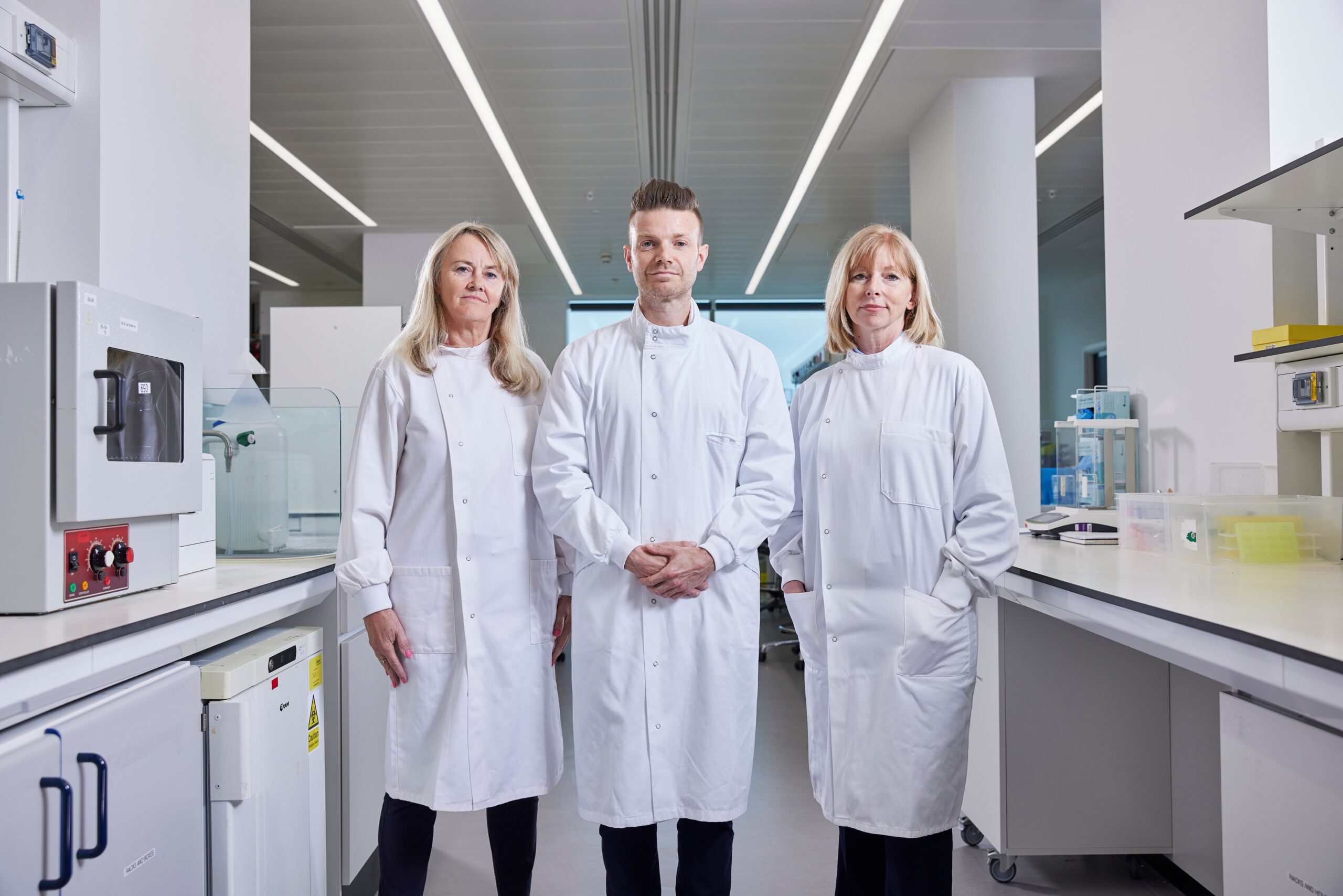
Cancer Detectives: New Channel 4 Documentary Showcases Cambridge Brain Cancer Trial
27th November 2025
A Cambridge researcher offering new hope to people with brain tumours is the focus of a documentary exploring the science behind the next big breakthroughs.
Find out more -
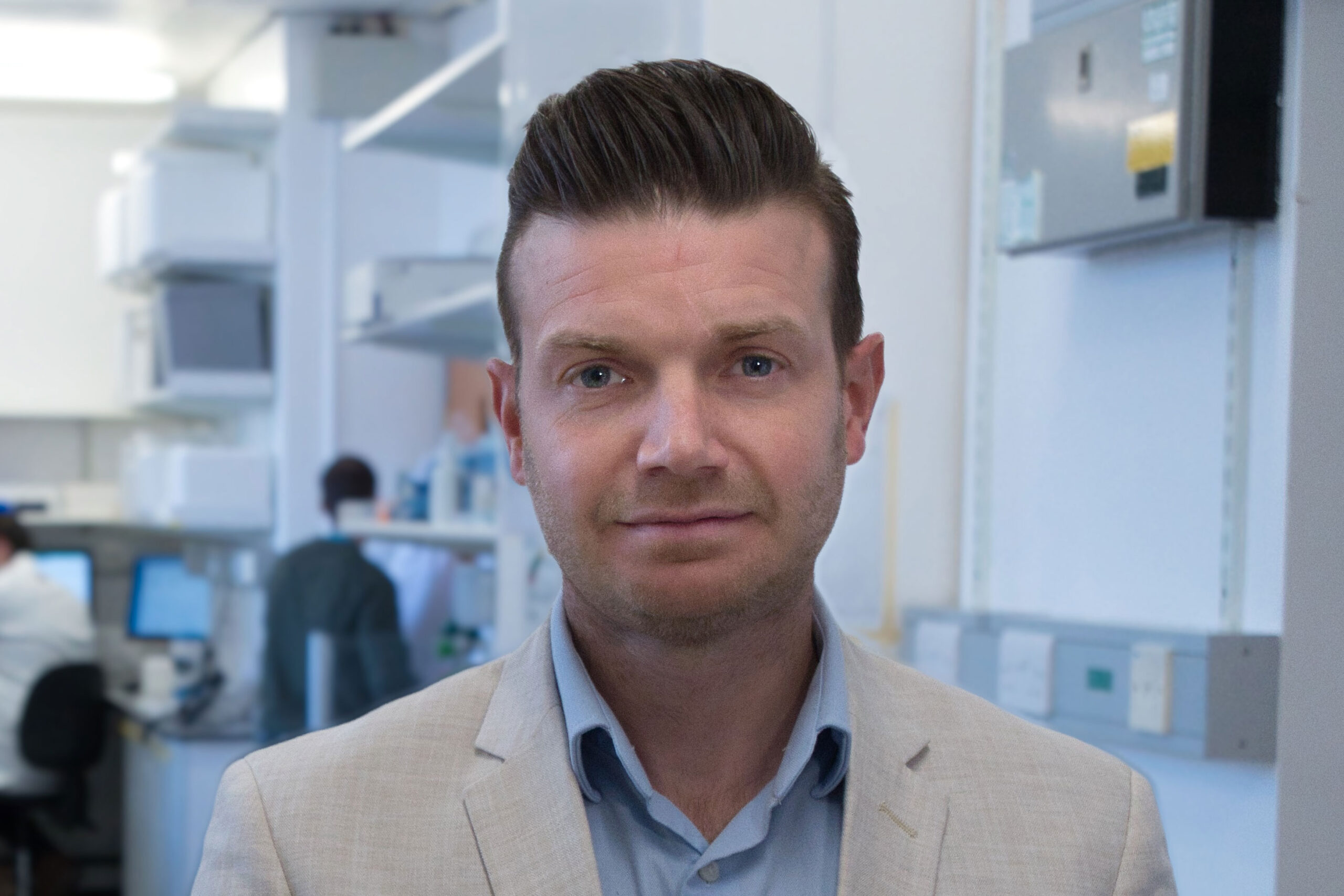
Richard Mair joins Institute as an Independent Clinical Fellow
10th February 2025
Richard will build a research group at the Institute to focus on IDH mutant astrocytoma, , a common type of brain tumour that accounts for 9% of brain tumour diagnoses.
Find out more
Behind the Lab Coat
-
Mikhail Mamalakis
Read moreSenior Research Associate (AI)
-
Nadia Cross
Read moreCore Facilities Operations Specialist
-
Atif Khan
Read moreResearch Associate
-
Ian Hall
Read morePrincipal Scientific Associate
-
Katherine Umande
Read moreOperations Finance Manager
-
Jason Carroll
Read moreDeputy Director and Senior Group Leader
-
Amit Roshan
Read moreClinician Scientist
-
Ania Piskorz
Read moreHead of Genomics