Michail Mamalakis, Senior Research Associate
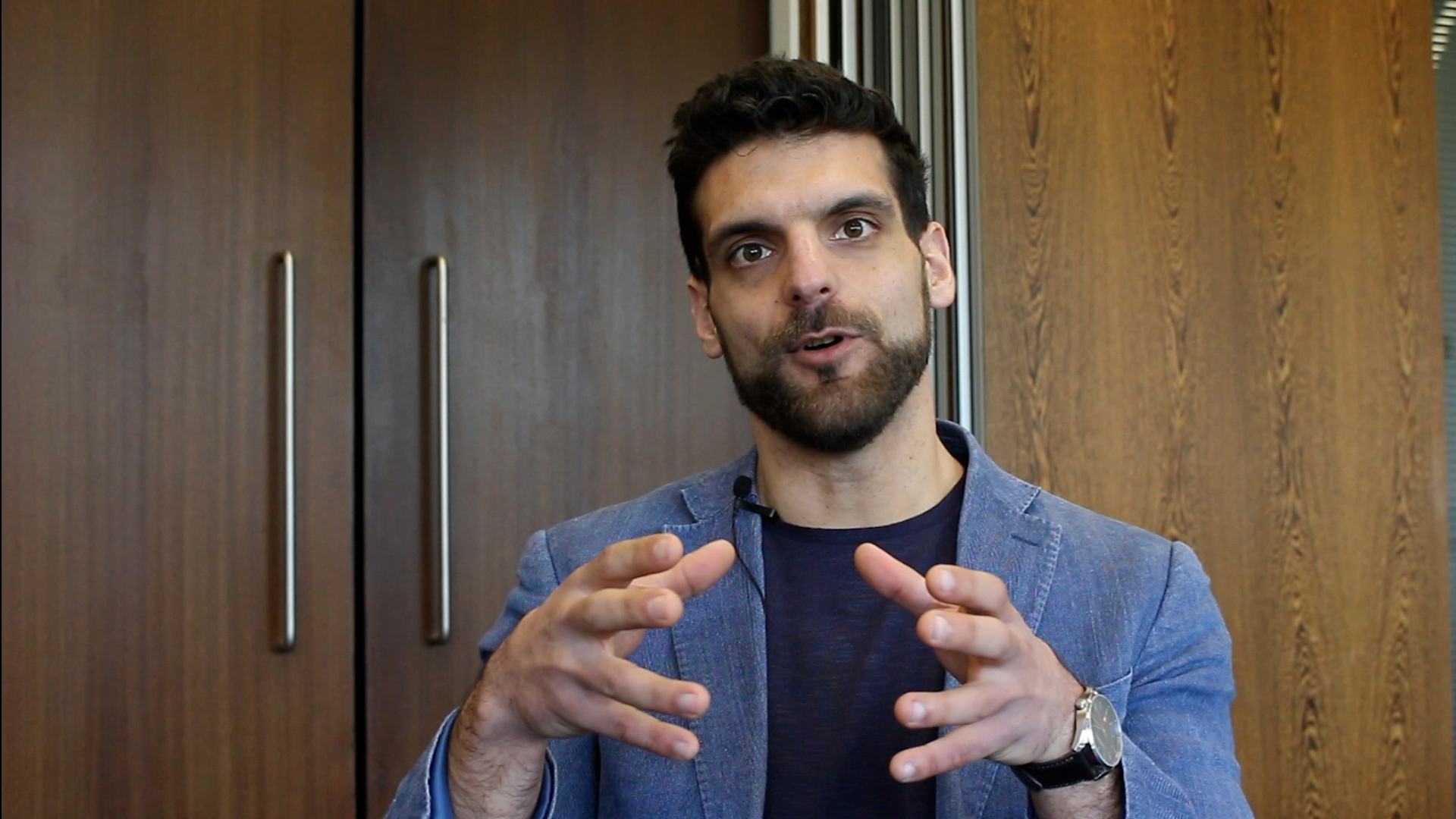
In his role as a Senior Research Associate, computer scientist Michail helps his colleagues in the Gilbertson Group train and utilise AI models to assist their vital research. He is also an Affiliated Lecturer in the University of Cambridge’s Department of Computer Science and Technology where he teaches and supports students.
Michail’s path to the CI began when he first made the leap to studying human biology, inspired by a desire to understand the mechanics behind how the human body adapts to some of his favourite sports.
Watch his episode of Behind the Lab Coat below and then check out the bonus interview below for more details on his experience of life at the CI as a computer scientist and cancer researcher.
How did you go from computer science to working in biology?
“My first degree was in Electrical Engineering and Computer Science in Greece, where I completed my undergraduate studies. I then earned a master’s degree in engineering, followed by a Master of Science in Biomedical Engineering and a PhD focused on computer vision and cardiovascular diseases. My research was more related to AI methods in computer vision and understanding how models work and make decisions than to cancer research.
I used to do boxing and powerlifting, and now I practice weightlifting. That sparked my interest in understanding how muscles move, how we generate force, and how the body manages and controls force. Over time, this interest has expanded, and now I am more broadly interested in biology.’
What motivated you to join the Gilbertson Group in particular?
“The biology, clearly, and, of course, the skills that the group has and the CI has generally because it’s one of the best institutes around working on cancer in children. I want AI to be used for something important like preventing cancer in children. The reason I really like the environment in the CI is because there’s so much expertise in biology and I’m learning a lot.”
What is Cambridge like as a place to work and live?
“Cambridge for me is an amazing area for science. It’s like a network because it’s small, but, at the same time, I’m fascinated how much further ahead it is in the state of the art for different topics like maths, biology and computer science. It’s like a community where everyone can share ideas and discuss them. It’s a very nice place to live, to be honest. Another thing that I really like in Cambridge is that it motivates students to have a balanced well-being and offers a lot of activities in sports.”
What is happening in AI right now?
“In the last six months, it has changed rapidly. Everyone knows about ChatGPT of OpenAI and Claude of Anthropic, but the hot topic nowadays is agentic AI, which focuses on reasoning and cognition. Researchers are trying, more or less, to create representations of human cognitive processes. The goal is to enable AI systems to perform complex tasks while reasoning through them and explaining the rationale behind each action they take”
How do you keep up with the pace of AI change?
“That is an amazing question and it’s what I’m asking myself every day. Just try to stay focused on what you want to achieve with it!”
Behind the Lab Coat
-
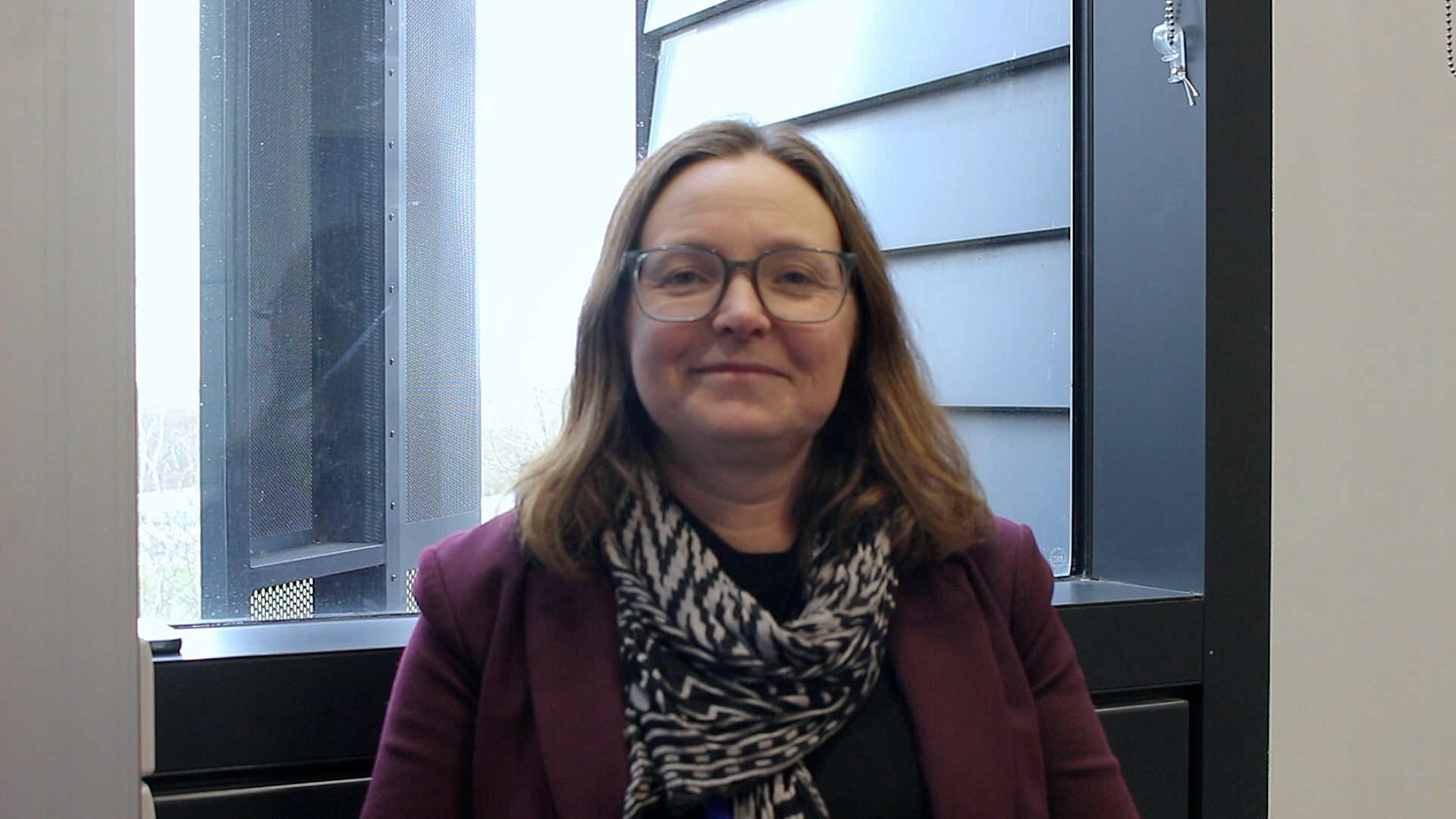
Nadia Cross
Read moreCore Facilities Operations Specialist
-
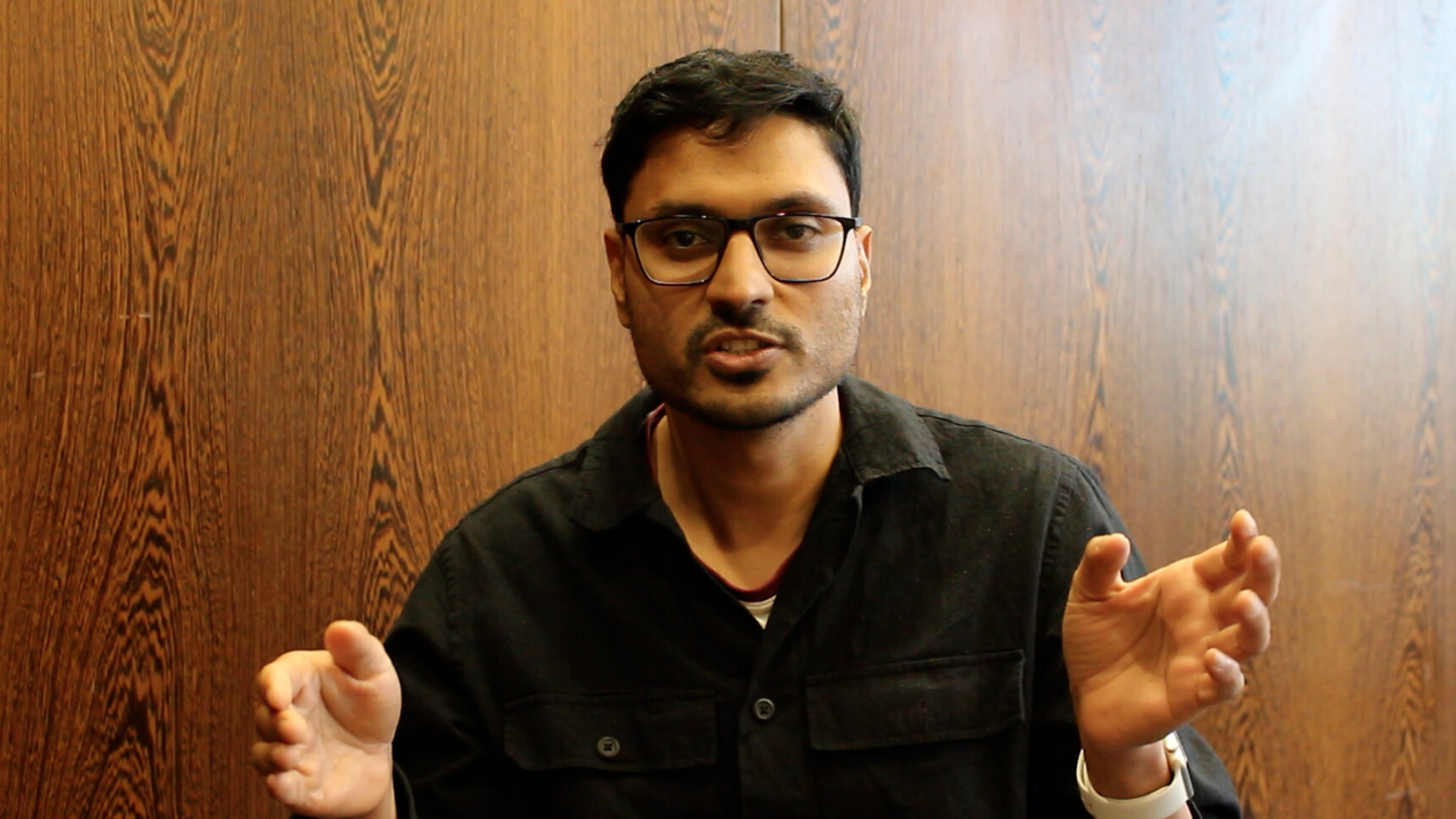
Atif Khan
Read moreResearch Associate
-
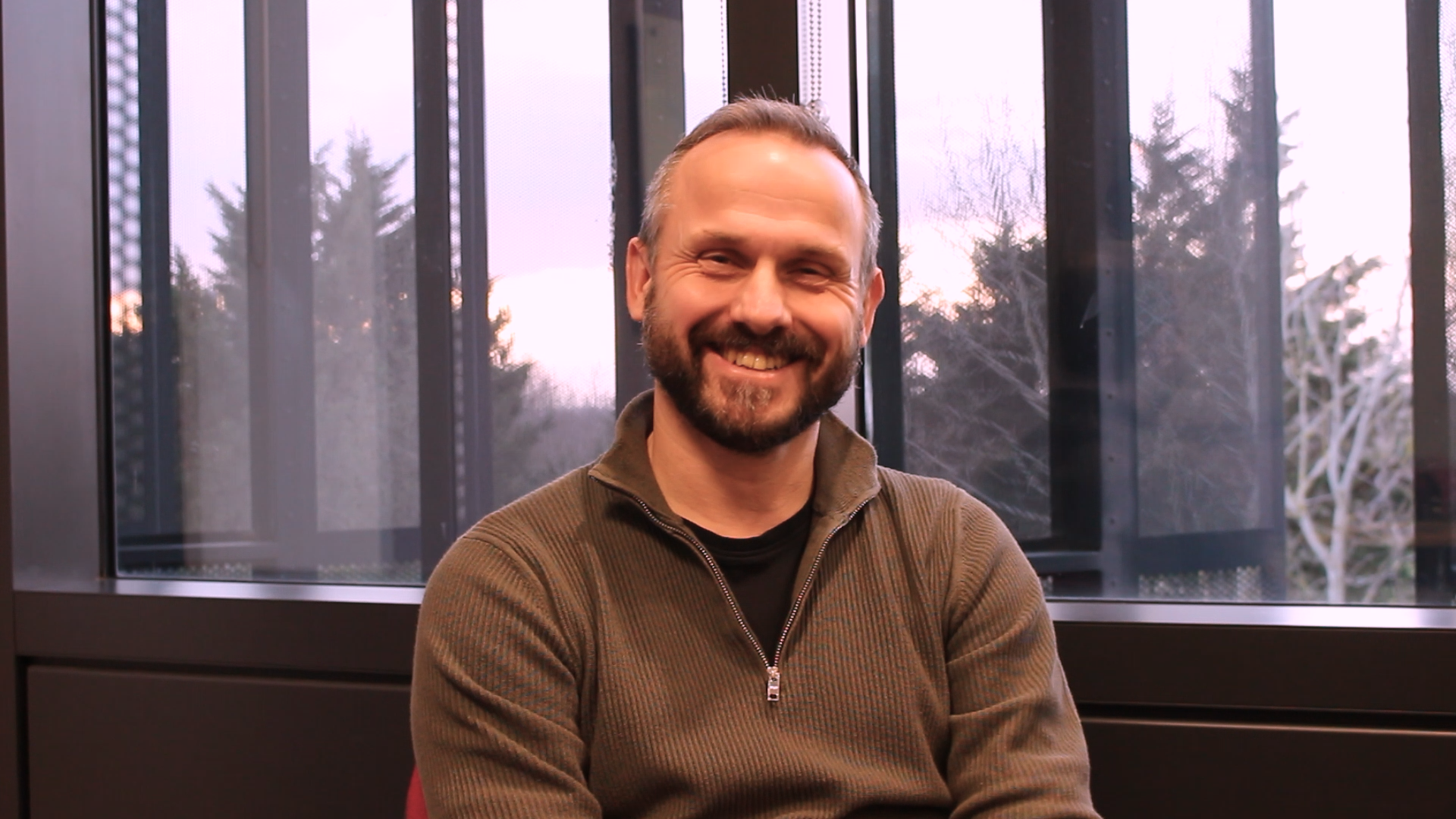
Ian Hall
Read morePrincipal Scientific Associate
-
Katherine Umande
Read moreOperations Finance Manager
-
Jason Carroll
Read moreDeputy Director and Senior Group Leader
-
Amit Roshan
Read moreClinician Scientist
-
Ania Piskorz
Read moreHead of Genomics