Cell Biology
Understanding every stage of a tumour through discovery science.
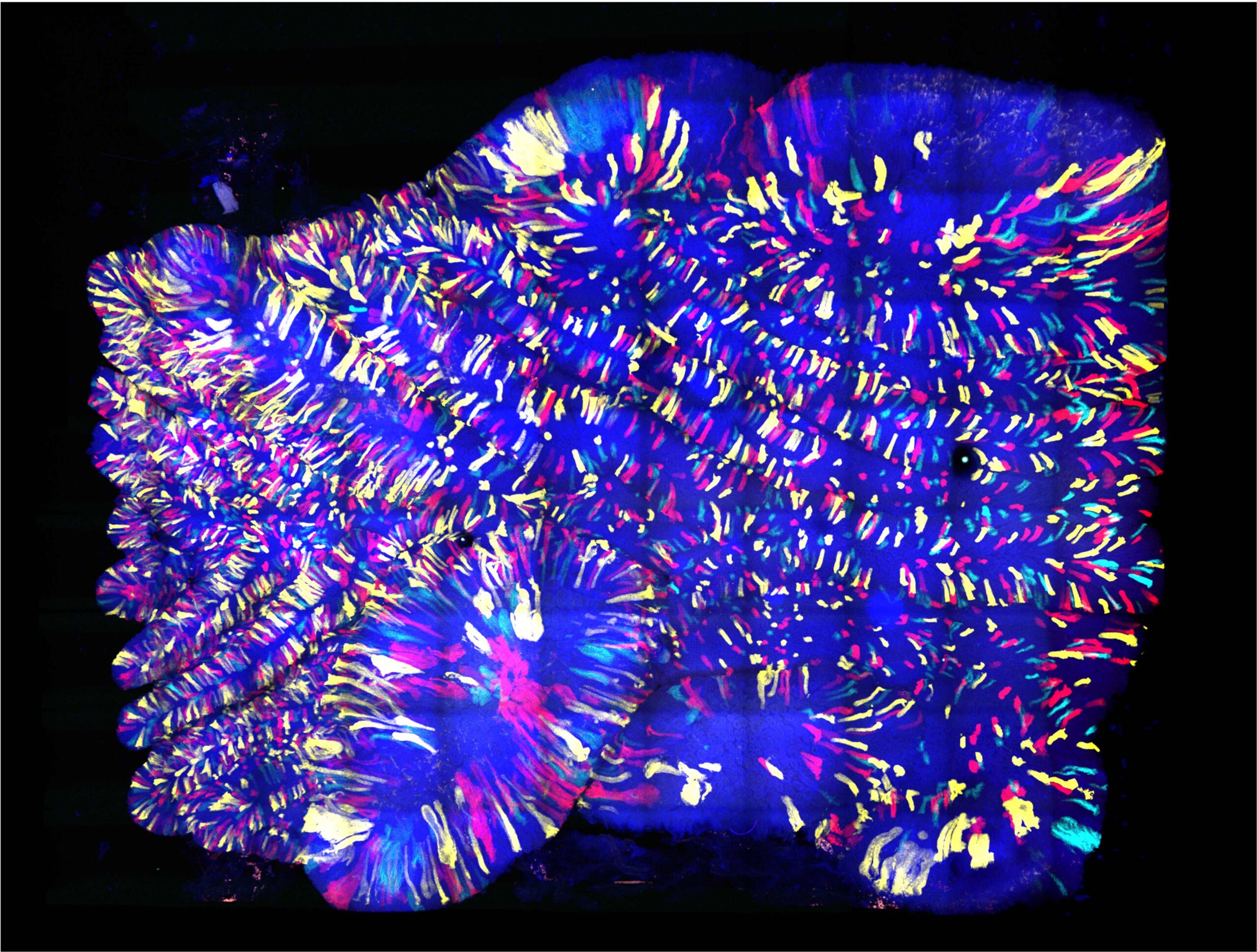
We aim to understand every aspect of how tumours develop and grow.
By studying each stage of the tumour lifecycle, we uncover important information that helps us develop new ways to prevent, detect, and treat cancer.
The Gilbertson Group recently discovered that the ability for cancer to spread, or metastasise, is not just a feature of cancer cells. They found that normal cells can also spread when a specific protein, NALCN, is missing. This finding shows that the spread of cells is a basic property that can be switched on in cancer and opens new avenues for potential drug targets.
The Carroll Group discovered that a protein called STAT3 can make breast cancer cells spread by taking over hormone-regulated genes, making these cancers harder to treat with standard hormone therapies. The Winton Group explores how small changes in colon cells can lead to larger areas of mutation. They found that even when tissue looks normal, certain mutations can spread quickly. The Balasubramanian team looks at special DNA structures called G-quadruplexes that are common in cancer genes and can boost cancer growth.
The Jackson Group focuses on DNA damage and repair. Through a spin-out company, they have developed the cancer drug Olaparib, a type of PARP inhibitor. Olaparib, marketed as Lynparza, has treated more than 140,000 patients with ovarian, breast, pancreatic, and prostate cancers to date.
By understanding how tumours work at every level, we can create better strategies to treat patients, bringing us closer to a world free from the fear of cancer.
Research Groups
-

Balasubramanian Group
Find out moreChemical biology
-
Carroll Group
Find out moreNuclear receptor transcription
-

Creixell Group
Find out moreCancer signalling and therapeutics
-
Crossley Group
Find out moreRNA in genome stability and immunity
-

Gilbertson Group
Find out moreCellular and molecular origins of cancer
-
Jackson Group
Find out moreMaintenance of genome stability
-
Narita Group
Find out moreCellular senescence and tumour suppressors
-

Winton Group
Find out moreStem cell biology of the intestine
Impact
See all case studies-

Next generation DNA sequencing
The development of Next Generation Sequencing technology has reduced the time and cost of sequencing DNA.
Find out more -
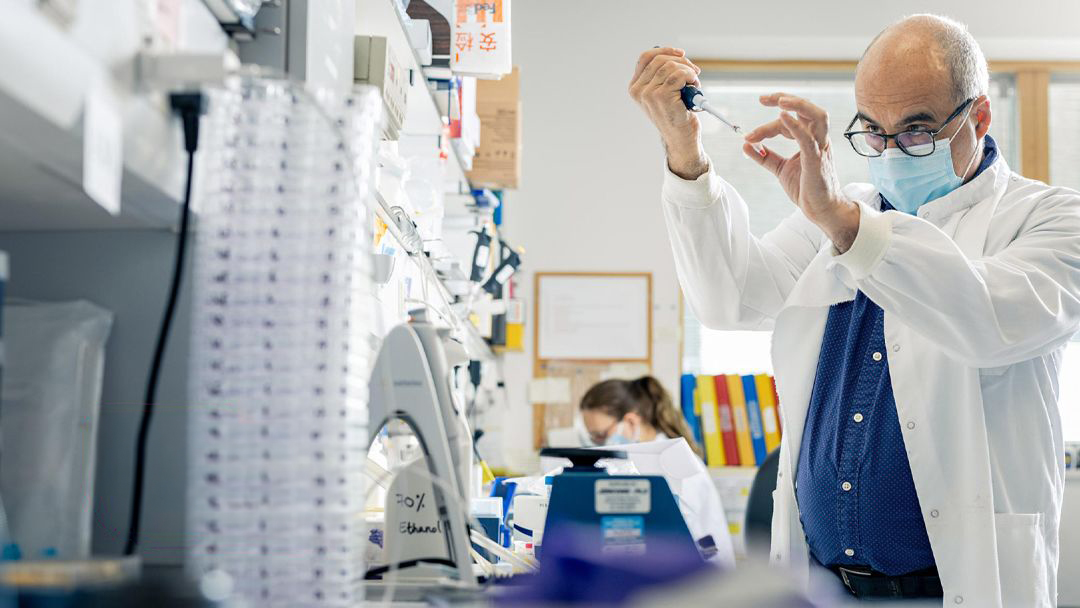
Transforming cancer treatment with Olaparib
Olaparib has significantly impacted patient outcomes, with over 140,000 patients treated, reducing disease progression and death by up to 66%.
Find out more
Related News
See all news-
Hannon Group joins global team to decode cancer’s dark proteome
4th March 2026
Prof Greg Hannon and his group joins global Cancer Grand Challenges team taking on the dark proteome challenge.
Find out more -
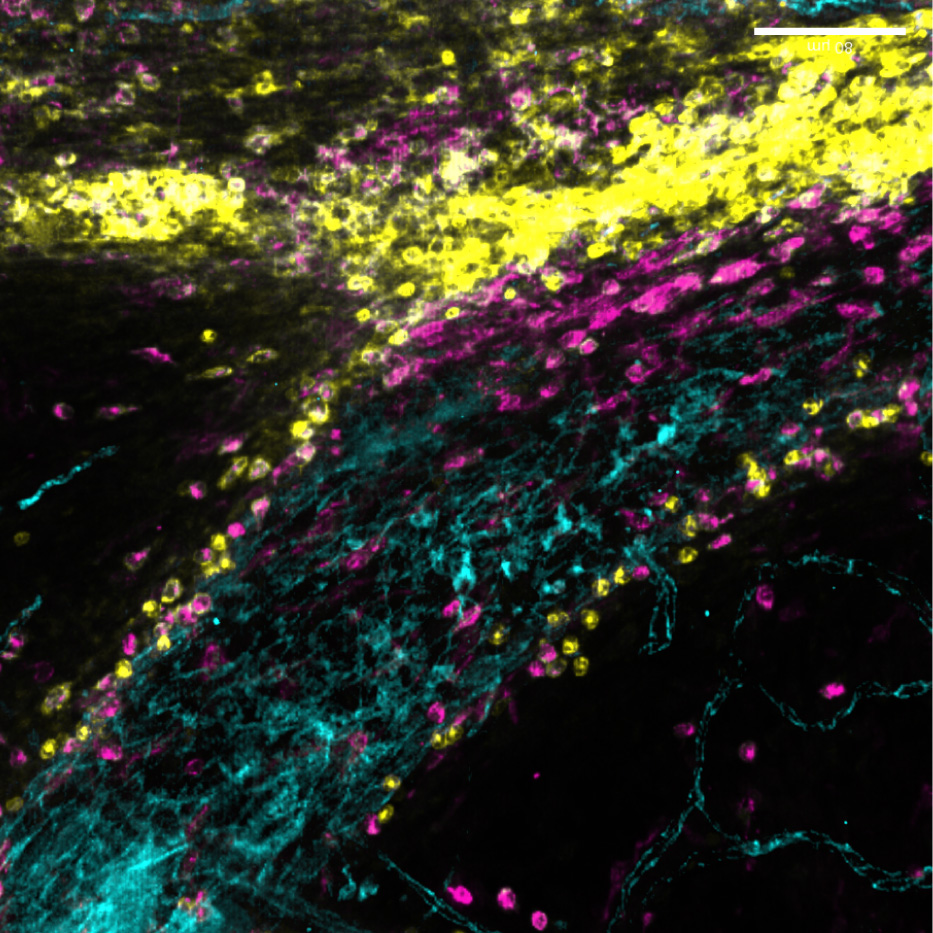
New immune pathway offers treatment hope for childhood brain tumours
3rd February 2026
A newly discovered immune pathway could lead to gentler treatments for multiple childhood brain cancers, according to new research from our Gilbertson Group published today in Nature Genetics.
Find out more -
Order of cancer-driving mutations affects the chance of tumour development
3rd December 2025
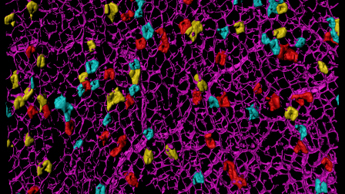
New research from the Winton Group has revealed that the order of cancer-driving mutations plays an important role in whether tumours in the intestine can develop.
Find out more