Sir Shankar Balasubramanian elected Fellow of the AACR Academy
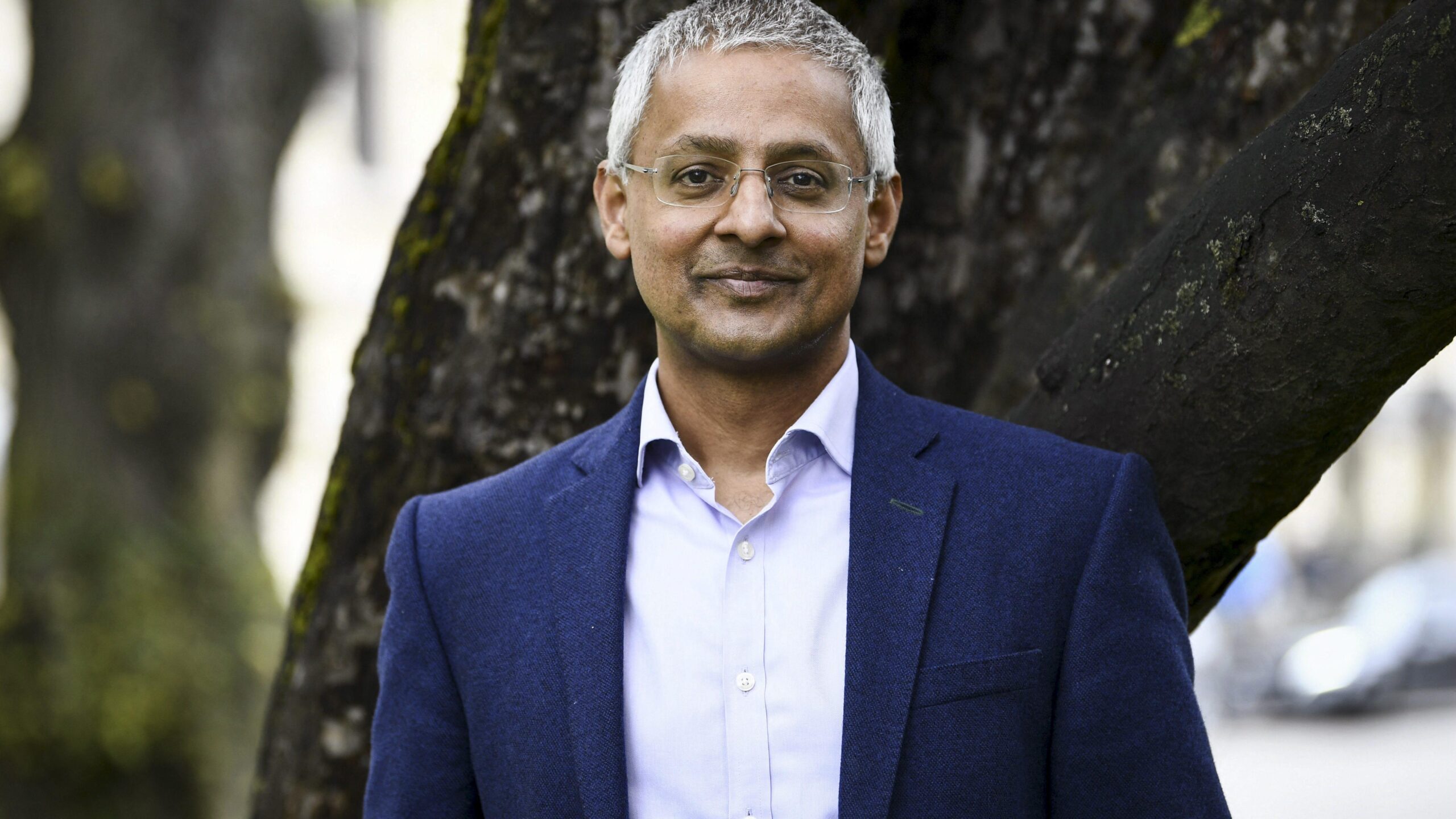
Sir Shankar Balasubramanian, Senior Group Leader at the Cancer Research UK Cambridge Institute and Herchel Smith Professor of Medicinal Chemistry at the University of Cambridge, has been elected as a Fellow of the American Association for Cancer Research (AACR) Academy.
Sir Shankar has been recognised for his pioneering research in nucleic acid chemistry and his key role in the development of next-generation sequencing technology. His work has revolutionised genome analysis and contributed significantly to precision cancer medicine.
Next Generation DNA Sequencing has had – and continues to have – a transformative impact in the fields of genomics, biology and medicine. It has allowed a million-fold improvement in speed and cost when compared to the first sequencing of the human genome. In 2000, sequencing of one human genome took over 10 years and cost more than a billion dollars; today, the entire genome of multiple humans can be sequenced in a single day at a cost of less than $1,000.
Fellows of the AACR Academy are selected through a rigorous peer-reviewed process that recognises individuals whose work has had a lasting impact on cancer research. This year, 33 new Fellows have been elected, bringing the total to 375. Membership in the Academy reflects a lifetime of scientific achievement and leadership in the field.
The AACR Academy brings together leading researchers dedicated to advancing cancer science and medicine through research, education, and collaboration. Fellows play a key role in shaping the future of cancer research and contributing to the global effort to improve outcomes for patients.
Sir Shankar’s election to the AACR Academy highlights the importance of fundamental research in driving innovation in cancer treatment and precision medicine.
Related News
See all news-
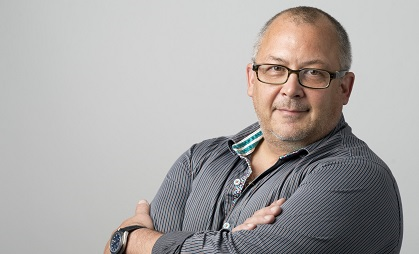
In Memoriam: Professor Greg Hannon (1964–2026)
9th April 2026
It is with profound sadness that we share the news of the passing of Professor Greg Hannon, who led the Cancer Research UK Cambridge Institute for over eight years.
Find out more -
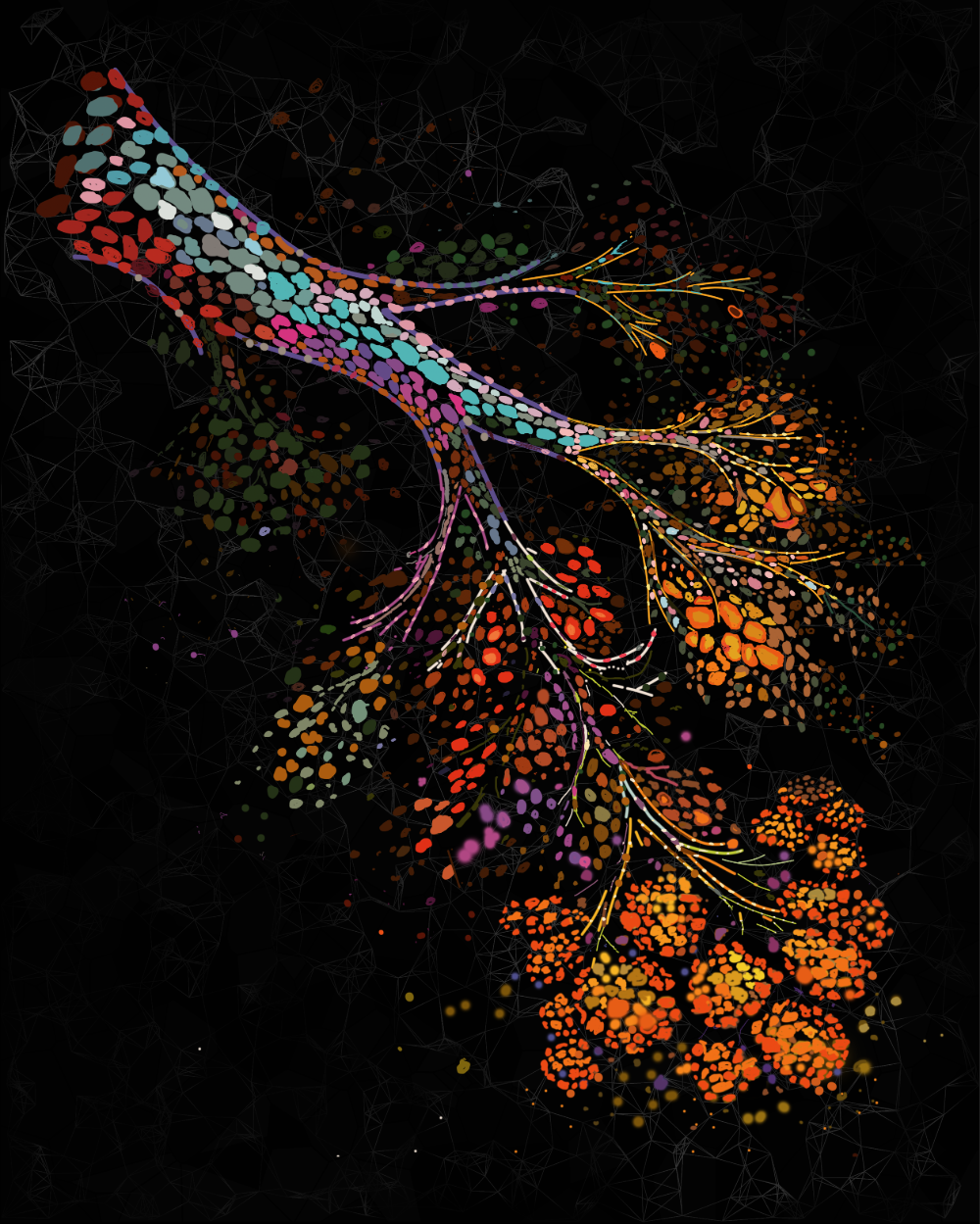
Most detailed map of breast tissue changes reveals role of menopause in cancer susceptibility
31st March 2026
Scientists have created the most detailed map to date, comprising over 3 million cells, showing how breast tissue changes as women age – including dramatic changes during menopause.
Find out more -
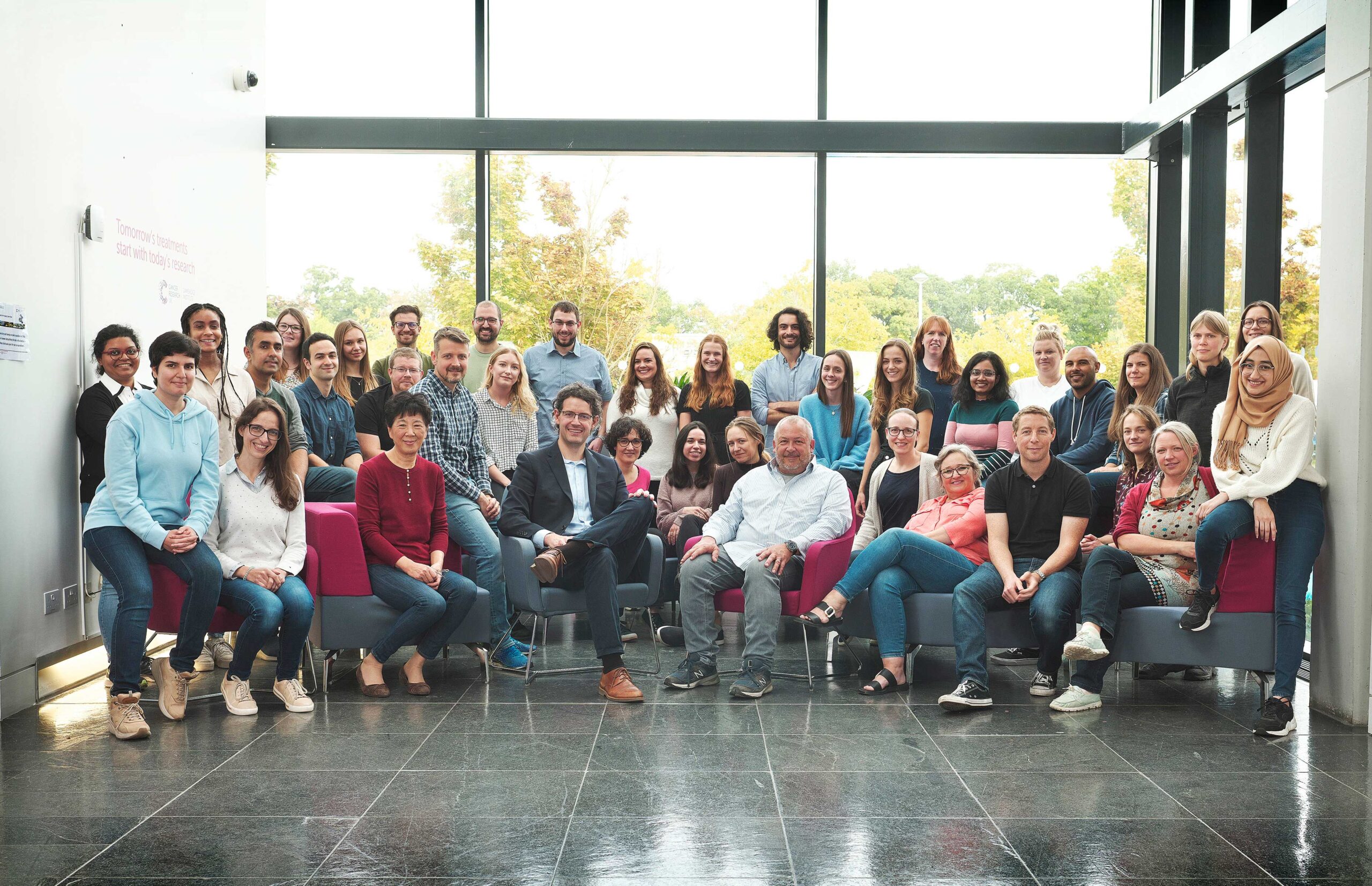
Hannon Group joins global team to decode cancer’s dark proteome
4th March 2026
Prof Greg Hannon and his group joins global Cancer Grand Challenges team taking on the dark proteome challenge.
Find out more