Scientists discover how molecule found in bacteria stops breast cancer
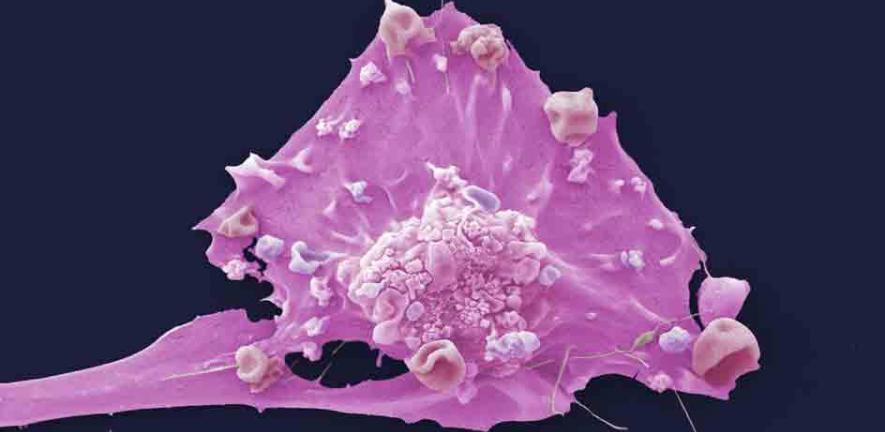
Scientists have discovered how a molecule that was first discovered in bacteria blocks a protein which causes breast cancer to develop and spread, reveals research published in Nature Chemistry this week.
Cambridge research, funded by the Biotechnology and Biological Sciences Research Council (BBSRC), has revealed at the molecular level how thiostrepton – a naturally-occurring cancer-protector molecule – ‘clamps’ a cancer-causing protein called FOXM1, preventing it from working.
FOXM1 is present in greater amounts in breast cancer cells. It attaches to specific stretches of DNA – switching on genes regulating the growth and division of cells. It also causes tumours to spread and triggers the growth of blood vessels which supply tumours with nutrients for growth.
Blocking this protein may prevent the development of cancer at an early stage as well as block cancer growth and spread.
Designing drugs to stop proteins like FOXM1 is a huge challenge for scientists. But this new information will allow researchers to design small molecules that mimic thiostrepton – but are even more effective at blocking the cancer-promoting effects of FOXM1.
Lead author, Professor Shankar Balasubramanian, from the Cancer Research UK’s Cambridge Research Institute and the Department of Chemistry, University of Cambridge, said: “Before this research we weren’t aware of any natural product which could directly target a protein that controls gene activity. Yet intriguingly a molecule in bacteria – which also has strong antibiotic effects – does this very well, switching off cancer-causing genes in breast cancer cells.
“This naturally-occurring molecule doesn’t have all the right properties to be used as a breast cancer treatment itself. But this exciting discovery paves the way for the design of more potent and selective drugs based on the structure of thiostrepton to block the FOXM1 protein.”
Around 48,000 women in the UK are diagnosed with breast cancer each year and around 12,100 UK women die from the disease.
Dr Lesley Walker, Cancer Research UK’s director of cancer information, said: “Survival rates for breast cancer have been improving for 30 years thanks to the development of more targeted treatments. But there is more to be done. One huge challenge is how to prevent breast cancer from spreading to other parts of the body – once a cancer has spread it becomes more difficult to treat successfully.
“It’s fascinating to discover how a simple bacteria could hold the key to powerful new approaches to treat breast cancer developing and spreading.”
Related News
See all news-

In Memoriam: Professor Greg Hannon (1964–2026)
9th April 2026
It is with profound sadness that we share the news of the passing of Professor Greg Hannon, who led the Cancer Research UK Cambridge Institute for over eight years.
Find out more -
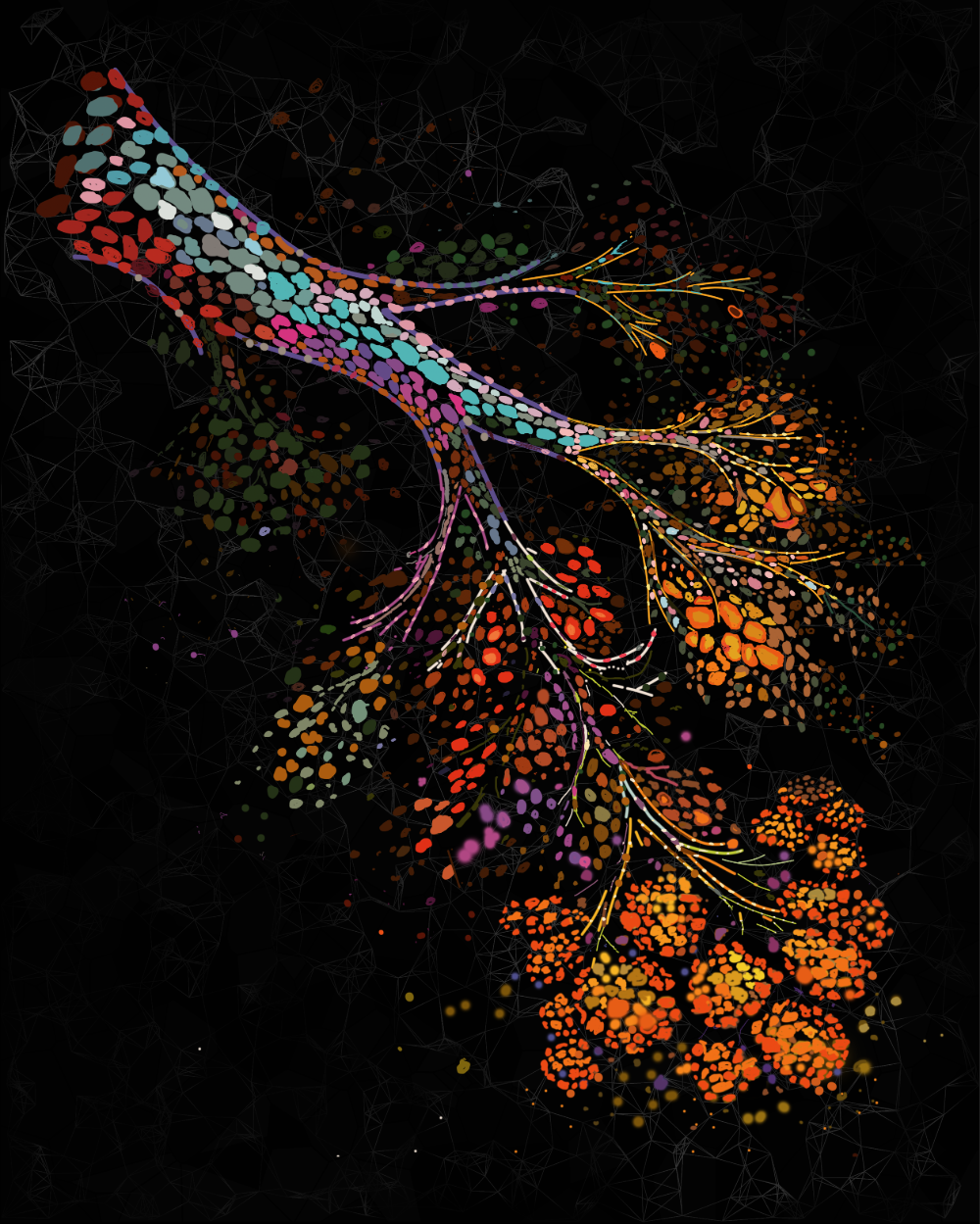
Most detailed map of breast tissue changes reveals role of menopause in cancer susceptibility
31st March 2026
Scientists have created the most detailed map to date, comprising over 3 million cells, showing how breast tissue changes as women age – including dramatic changes during menopause.
Find out more -
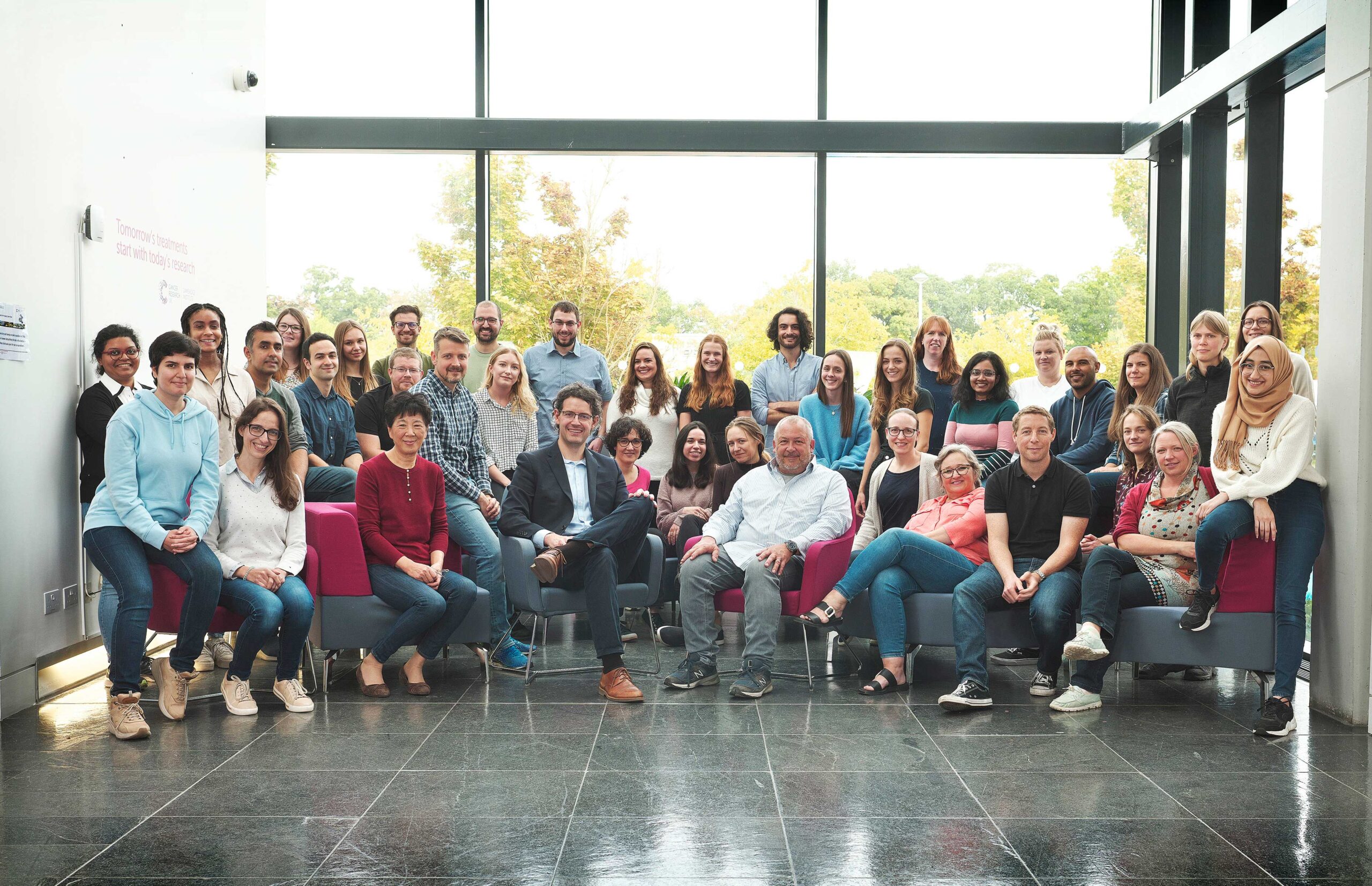
Hannon Group joins global team to decode cancer’s dark proteome
4th March 2026
Prof Greg Hannon and his group joins global Cancer Grand Challenges team taking on the dark proteome challenge.
Find out more