Simple blood test to track tumour evolution in patients
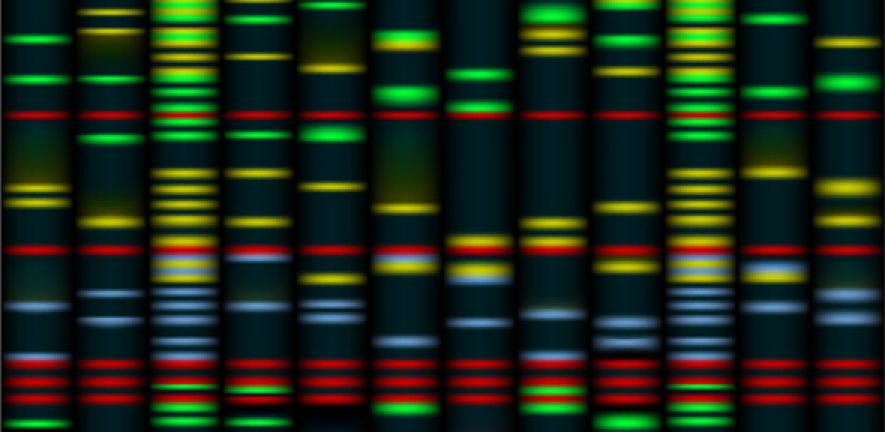
By tracking changes in patients’ blood, Cambridge scientists have created a new way of looking at how tumours evolve in real-time and develop drug resistance. The research was published in the print edition of Nature today, 02 May.
Scientists at the Cancer Research UK Cambridge Institute at the University of Cambridge used traces of tumour DNA, known as circulating tumour DNA (ctDNA), found in cancer patients’ blood to follow the progress of the disease as it changed over time and developed resistance to chemotherapy treatments.
For the study, which was co-directed by Dr James Brenton, Professor Carlos Caldas, and Dr Nitzan Rosenfeld from the University’s Cancer Research UK Cambridge Institute, they followed six patients with advanced breast, ovarian and lung cancers and took blood samples, over one to two years. They then focused analysis on those samples that contained relatively higher concentrations of tumour ctDNA,
By looking for changes in the tumour ctDNA before and after each course of treatment, they were able to identify changes in the tumour’s DNA that were likely linked to drug resistance following each treatment session.
Using this new method they were able to identify several changes linked to drug-resistance in response to chemotherapy drugs such as paclitaxel (taxol) which is used to treat ovarian, breast and lung cancers, tamoxifen which is used to treat oestrogen-positive breast cancers and transtuzumab (Herceptin) which is used to treat HER2 positive breast cancers.
The researchers hope this new approach could facilitate research on how cancer tumours develop resistance to some of our most effective chemotherapy drugs as well as providing an alternative to current methods of collecting tumour DNA – by taking a sample direct from the tumour – a much more difficult and invasive procedure.
Dr Rosenfeld said: “Tumours are constantly changing and evolving which helps them develop a resistance to many of the drugs we currently give patients to treat their disease. We’ve shown that a very simple blood test can be used to collect enough tumour DNA to suggest to us what parts of the cancer’s genetic code is changing and creating tumour resistance to chemotherapy or biologically-targeted therapies.
“We hope that our discoveries can pave the way to helping us understand how cancers develop drug resistance as well as identifying new potential targets for future cancer drugs.”
Dr Brenton added: “Importantly, this advance means that we will be able to screen a much larger number of genes in the blood to test if specific genetic changes in the cancer explain resistance to treatment. The low cost and high acceptability of a blood sample means that this can be done across hundreds or thousands of patients. This is vital to discover reliable clinical biomarkers.”
Professor Caldas said: “The tracking of different cancer clones in real time using a liquid biopsy will have enormous value to identify drug resistance in the clinic and adjust therapy accordingly.”
Related News
See all news-

In Memoriam: Professor Greg Hannon (1964–2026)
9th April 2026
It is with profound sadness that we share the news of the passing of Professor Greg Hannon, who led the Cancer Research UK Cambridge Institute for over eight years.
Find out more -
Most detailed map of breast tissue changes reveals role of menopause in cancer susceptibility
31st March 2026
Scientists have created the most detailed map to date, comprising over 3 million cells, showing how breast tissue changes as women age – including dramatic changes during menopause.
Find out more -
Hannon Group joins global team to decode cancer’s dark proteome
4th March 2026
Prof Greg Hannon and his group joins global Cancer Grand Challenges team taking on the dark proteome challenge.
Find out more