Prof Jason Carroll secures £2.3m Wellcome Trust Discovery Award
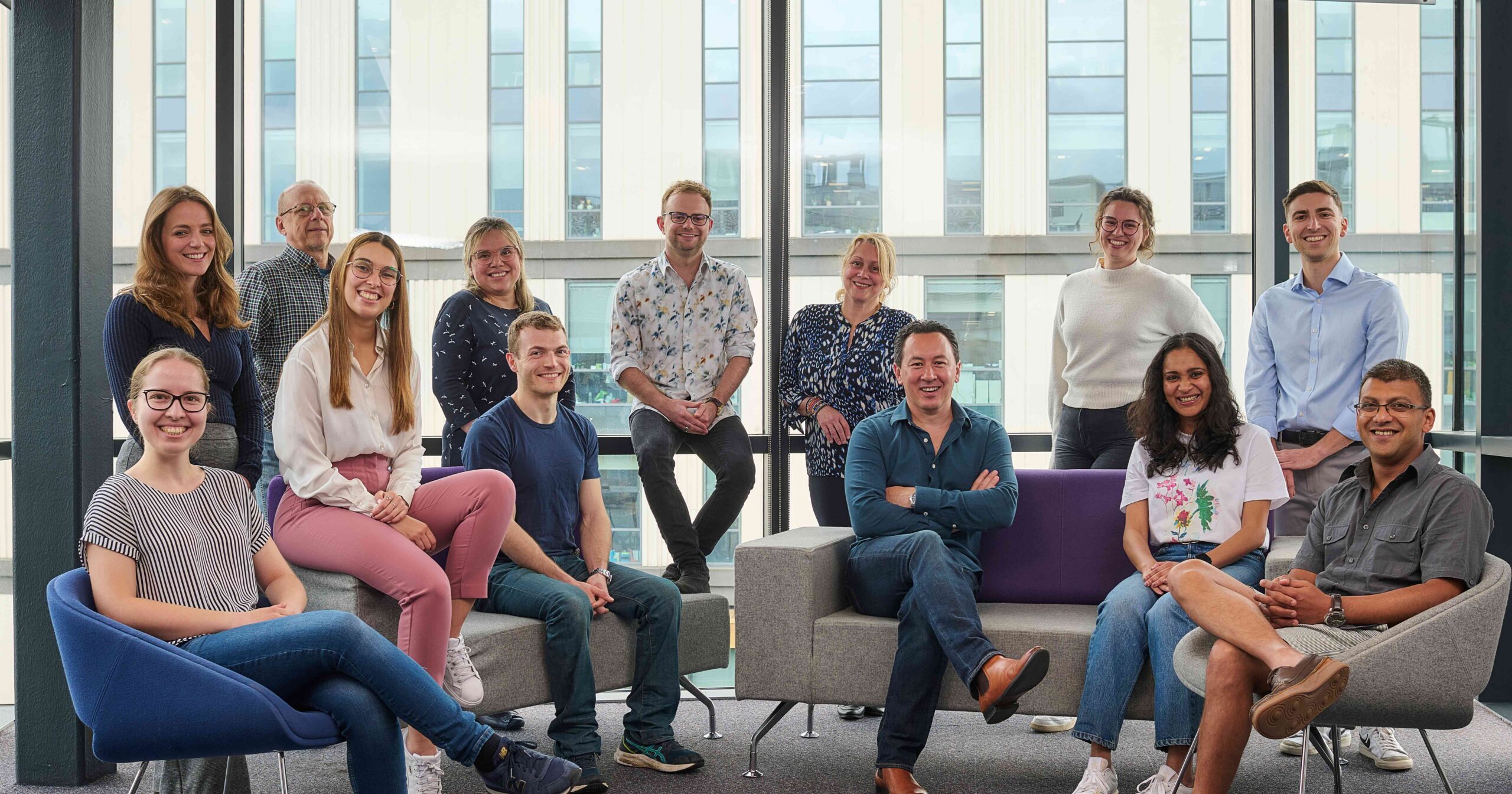
Prof Jason Carroll has received a Wellcome Trust Discovery Award, worth £2.3 million over six years, which enables his research group to pursue a new research project titled FOXA1: function and regulation of pioneer factors.
The award provides funding for established researchers to pursue bold and creative research ideas to deliver significant shifts in understanding that could improve human life, health and wellbeing.
FOXA1 is a transcription factor, a protein responsible for regulating how genes are expressed – that is involved in embryonic development, including the early differentiation of cells in specific organs of the body. Understanding and characterising FOXA1 thus has the potential to provide us with greater insight into the processes by which cancer-causing genetic errors can occur to co-opt these developmental processes.
Prof Jason Carroll and researchers in his group will explore the biochemical factors that regulate FOXA1 activity and the conditions that allow FOXA1 to function as a transcription factor. Their research hopes to uncover how FOXA1 induces cell-type specific regulatory events.
In particular, the Carroll Group seeks to establish how FOXA1 interacts with chromatin, the densely packed complex of DNA and proteins held within the cell nucleus that helps to protect DNA and regulate gene expression during cell division.
Prof Carroll said “We are excited about studying the fundamental processes of this highly unusual but important protein. The insight will help us understand how specialised master regulators like FOXA1 can change the genomic landscape and ultimately the fate of a cell, which is important given that FOXA1 is a major driver in breast and prostate cancer. We thank the Wellcome Trust for the opportunity to conduct this work.”
Related News
See all news-

In Memoriam: Professor Greg Hannon (1964–2026)
9th April 2026
It is with profound sadness that we share the news of the passing of Professor Greg Hannon, who led the Cancer Research UK Cambridge Institute for over eight years.
Find out more -
Most detailed map of breast tissue changes reveals role of menopause in cancer susceptibility
31st March 2026
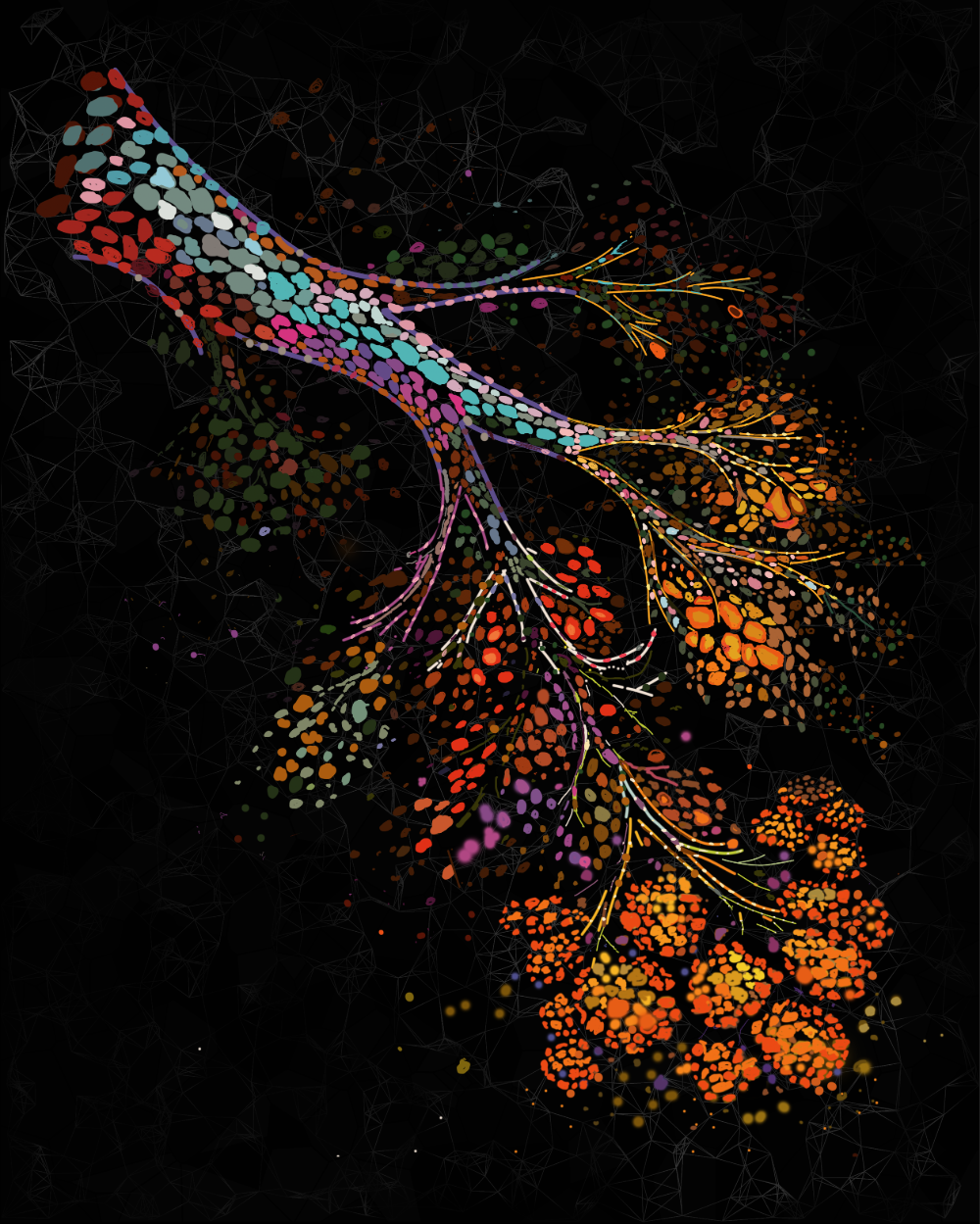
Scientists have created the most detailed map to date, comprising over 3 million cells, showing how breast tissue changes as women age – including dramatic changes during menopause.
Find out more -
Hannon Group joins global team to decode cancer’s dark proteome
4th March 2026
Prof Greg Hannon and his group joins global Cancer Grand Challenges team taking on the dark proteome challenge.
Find out more