Prof Greg Hannon elected Fellow of the AACR Academy Class of 2020
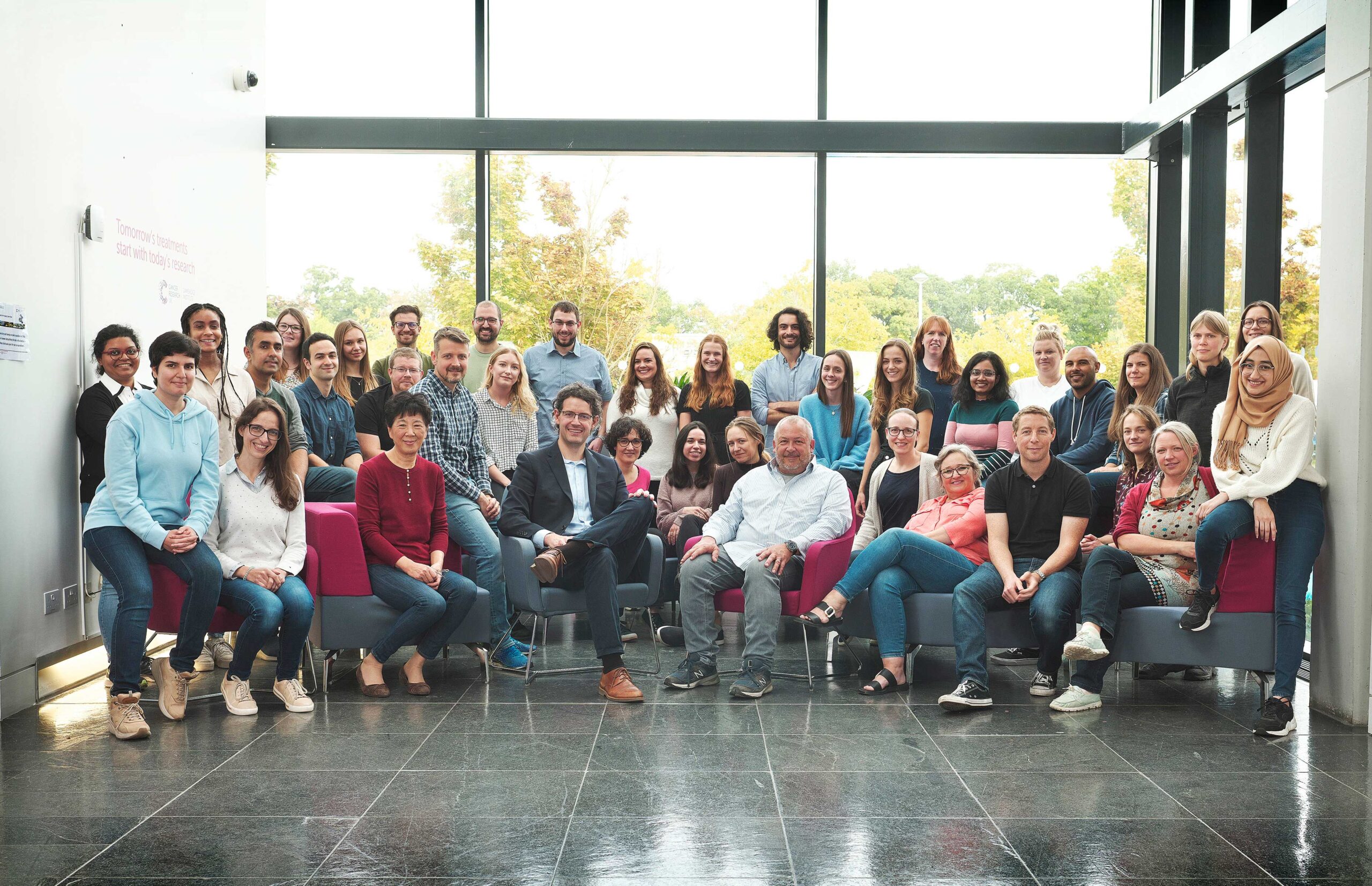
Institute Director Prof Greg Hannon has joined 19 leading cancer researchers to be elected Fellows of the American Association for Cancer Research (AACR) Academy.
The mission of the AACR Academy is to recognise and honour distinguished scientists whose scientific contributions have propelled significant innovation and progress against cancer. Fellows of the AACR Academy serve as a global brain trust in the cancer field, helping to advance the mission of the AACR to prevent and cure all cancers through research, education, communication, collaboration, science policy and advocacy, and funding for cancer research.
Professor Greg Hannon has been recognised for fundamental contributions to characterizing the role of cyclin-dependent kinases and small RNAs including microRNAs, piwi-interacting, and short-hairpin RNAs in cell cycle regulation, carcinogenesis, and drug development.
All Fellows are nominated and elected through an annual peer review process conducted by existing Fellows of the AACR Academy and ratified by the AACR Academy Steering Committee and AACR Executive Committee. This process involves a rigorous assessment of each candidate’s scientific accomplishments in cancer research and cancer-related sciences. Only individuals whose work has had a significant and enduring impact on cancer research are considered for election and induction into the AACR Academy.
“This year’s collection of elected Fellows of the AACR Academy continues the AACR’s rich tradition of recognizing the most significant contributors to cancer research,” said Margaret Foti, PhD, MD (hc), chief executive officer of the AACR. “The 2020 class consists of 19 trailblazing pioneers in various scientific areas who have accelerated the pace of progress against cancer. We are honored to have them join our 212 existing Fellows and look forward to celebrating their scientific accomplishments.”
Related News
See all news-

In Memoriam: Professor Greg Hannon (1964–2026)
9th April 2026
It is with profound sadness that we share the news of the passing of Professor Greg Hannon, who led the Cancer Research UK Cambridge Institute for over eight years.
Find out more -
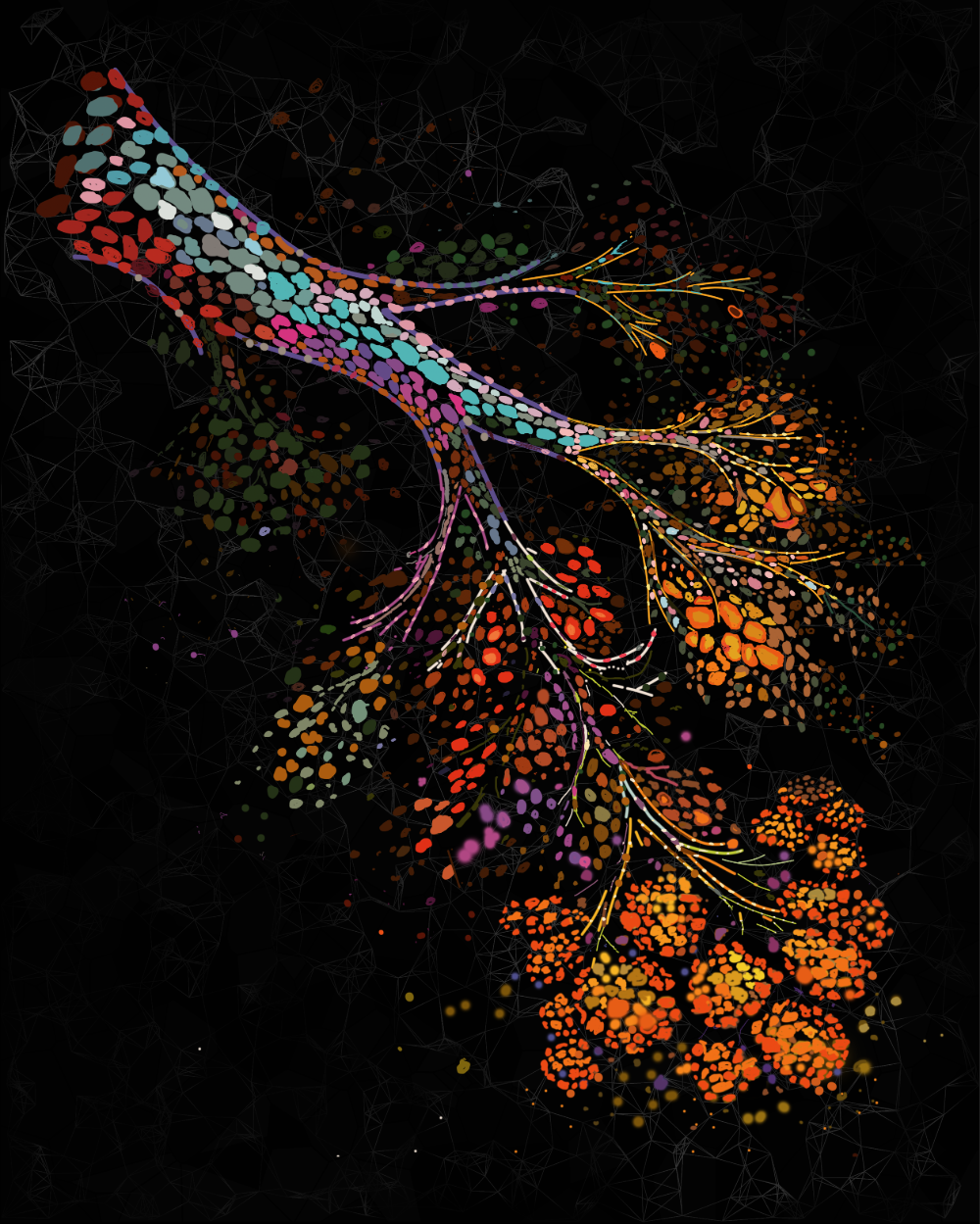
Most detailed map of breast tissue changes reveals role of menopause in cancer susceptibility
31st March 2026
Scientists have created the most detailed map to date, comprising over 3 million cells, showing how breast tissue changes as women age – including dramatic changes during menopause.
Find out more -
Hannon Group joins global team to decode cancer’s dark proteome
4th March 2026
Prof Greg Hannon and his group joins global Cancer Grand Challenges team taking on the dark proteome challenge.
Find out more