Nitzan Rosenfeld receives Translational Research Award
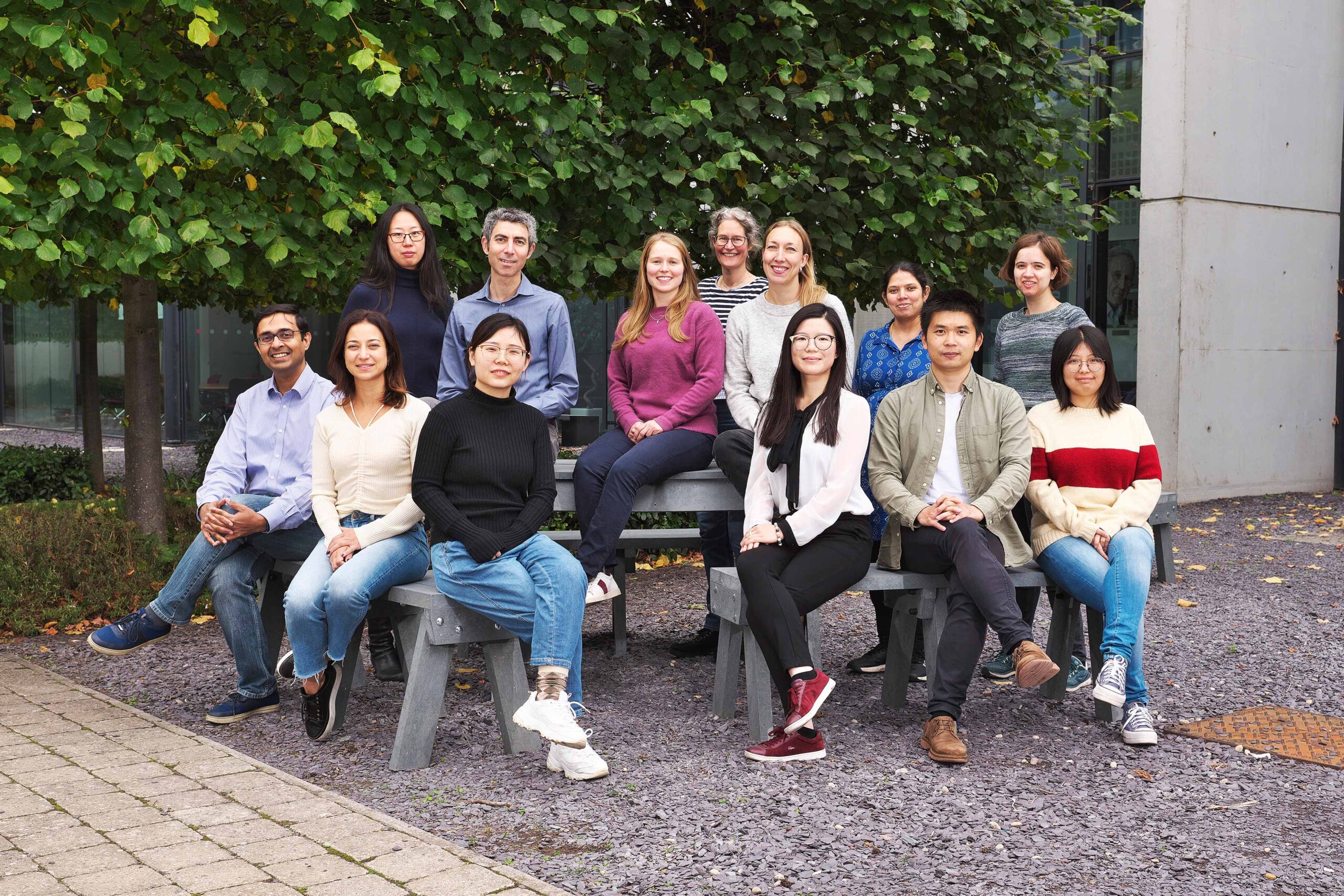
Congratulations to Nitzan Rosenfeld, who has won the 2013 British Association for Cancer Research Translational Research Award.
The purpose of the award is to recognise and reward the achievements of an individual whose work has made significant contributions to translational (laboratory – clinic) cancer research.
The lab are working on developing effective methods to make use of circulating tumour DNA (ctDNA), which is found in blood and other body fluids and contains much useful information about a patient’s cancer. For example, by using genomic techniques to study ctDNA researchers can learn about the evolution of a patient’s tumour and how it is developing resistance to therapy. The advantage of using ctDNA to diagnose and monitor disease is that it can be collected relatively non-invasively, through a blood test rather than a tumour biopsy, and ease of sample collection means that you can take many more samples to follow the development and changes in a tumour.
Related News
See all news-

In Memoriam: Professor Greg Hannon (1964–2026)
9th April 2026
It is with profound sadness that we share the news of the passing of Professor Greg Hannon, who led the Cancer Research UK Cambridge Institute for over eight years.
Find out more -
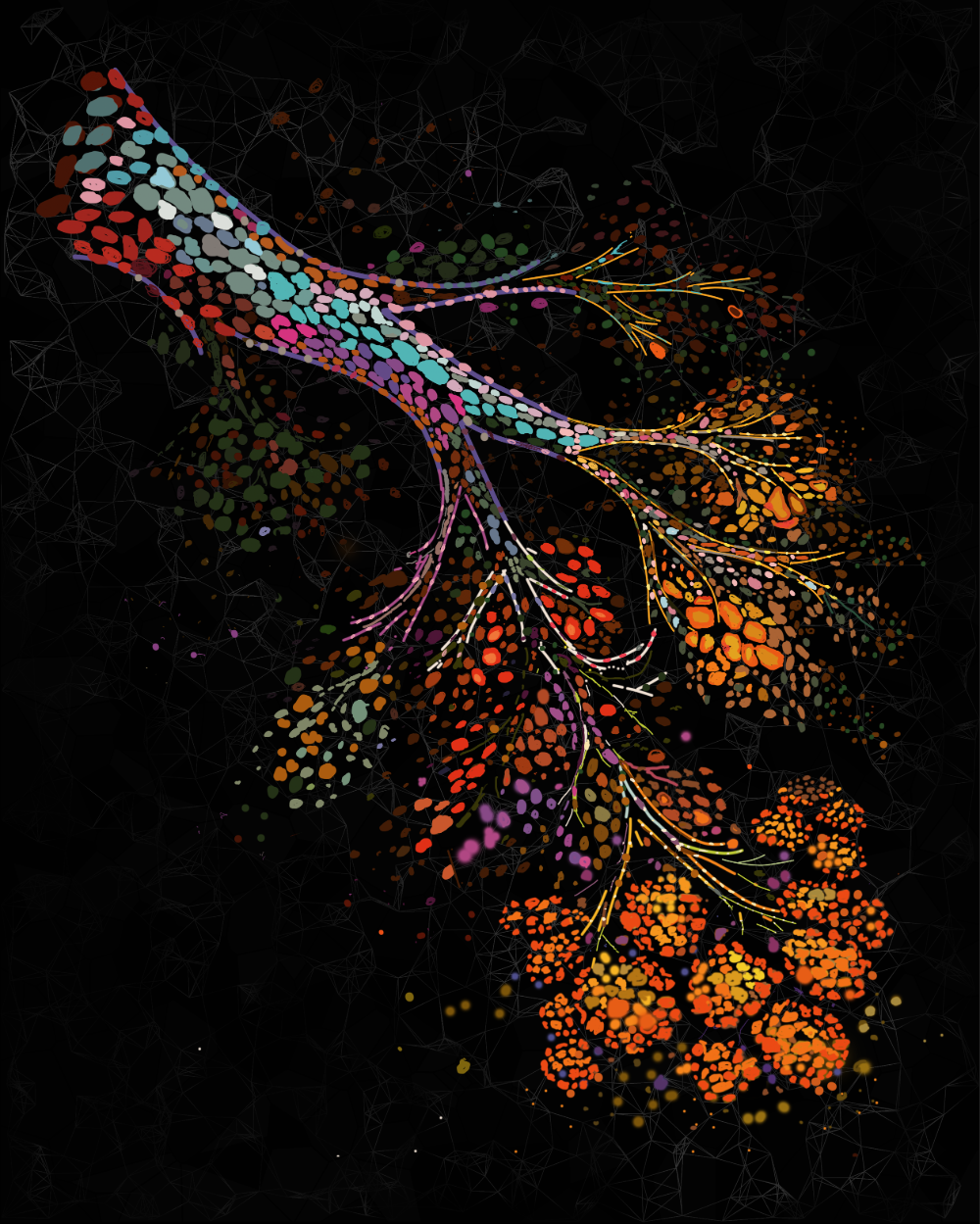
Most detailed map of breast tissue changes reveals role of menopause in cancer susceptibility
31st March 2026
Scientists have created the most detailed map to date, comprising over 3 million cells, showing how breast tissue changes as women age – including dramatic changes during menopause.
Find out more -
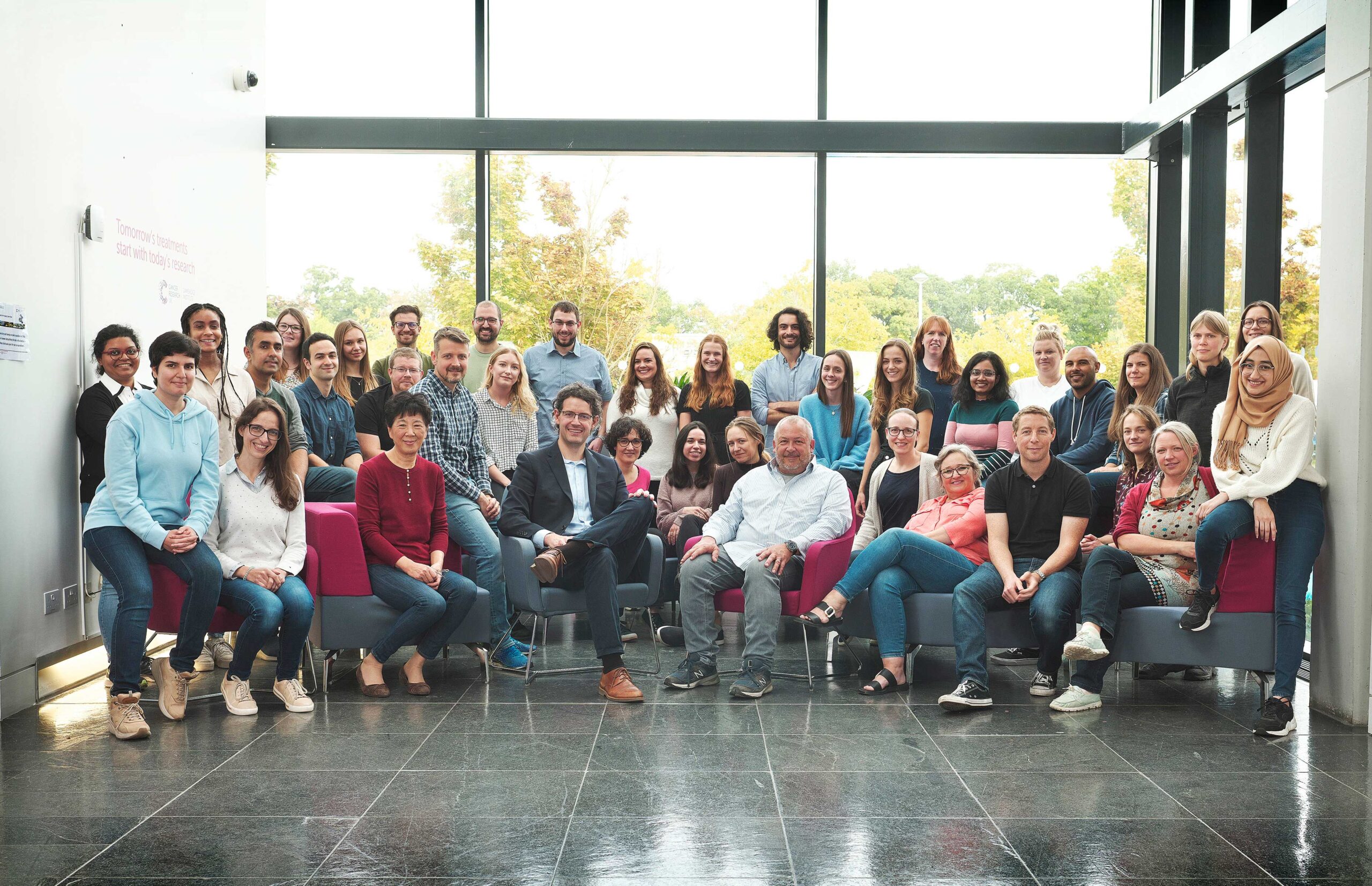
Hannon Group joins global team to decode cancer’s dark proteome
4th March 2026
Prof Greg Hannon and his group joins global Cancer Grand Challenges team taking on the dark proteome challenge.
Find out more