Madzia Crossley appointed as Junior Group Leader

Dr Magdalena (Madzia) Crossley will be joining the Cancer Research UK Cambridge Institute as a Junior Group Leader starting in early 2025.
Crossley completed her PhD at the University of Cambridge before accepting a Postdoctoral Scholar position at Stanford University, US. Since 2021, she has held a Stanford Cancer Institute Fellowship.
Crossley’s research will focus on understanding RNA – DNA hybrid structures called R loops, how they contribute to cells becoming cancerous, and whether they can be used to detect cancer in the clinic.
RNA is a molecule that carries instructions from DNA to make proteins. While DNA is the long-term storage of genetic information, RNA is the short-term messenger. Sometimes, after being made from DNA, RNA can reattach to the DNA, forming a structure called an R-loop.
R-loops can help influence how genes are turned on or off and are involved in normal cellular processes. However, if R-loops exist for too long or form in the wrong locations, they can cause issues, like increasing the risk of DNA breaks and instability.
Previous research by Dr Magdalena Crossley discovered that differences in how R-loops are processed can cause RNA-DNA hybrid molecules to build up inside the cell and trigger an immune system response.
Her new research group at the Institute will investigate how these RNA-DNA hybrids, which occur at higher levels in cancer cells, are made, how cells respond to the presence of these molecules and how these processes might contribute to cancer developing. They will analyse the molecules to try and identify patterns that can be linked to specific cancer types to classify and better understand tumours.
Finally, they aim to discover how these RNA-DNA hybrid molecules are released from cells and whether they can be found in the blood of cancer patients to be used as biomarkers to detect cancer. This could potentially lead to new, non-invasive methods for diagnosing and tracking cancer.
Related News
See all news-

In Memoriam: Professor Greg Hannon (1964–2026)
9th April 2026
It is with profound sadness that we share the news of the passing of Professor Greg Hannon, who led the Cancer Research UK Cambridge Institute for over eight years.
Find out more -
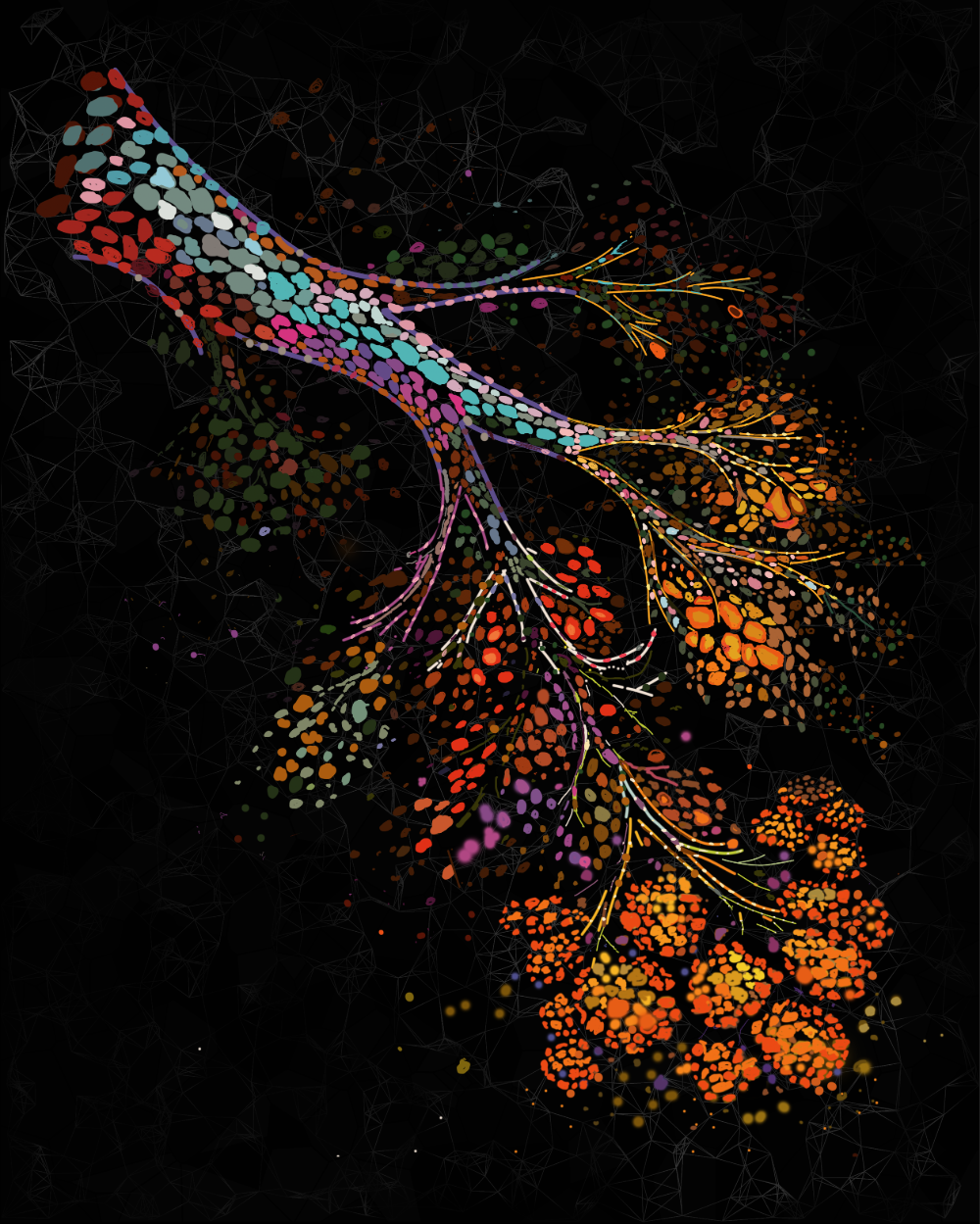
Most detailed map of breast tissue changes reveals role of menopause in cancer susceptibility
31st March 2026
Scientists have created the most detailed map to date, comprising over 3 million cells, showing how breast tissue changes as women age – including dramatic changes during menopause.
Find out more -
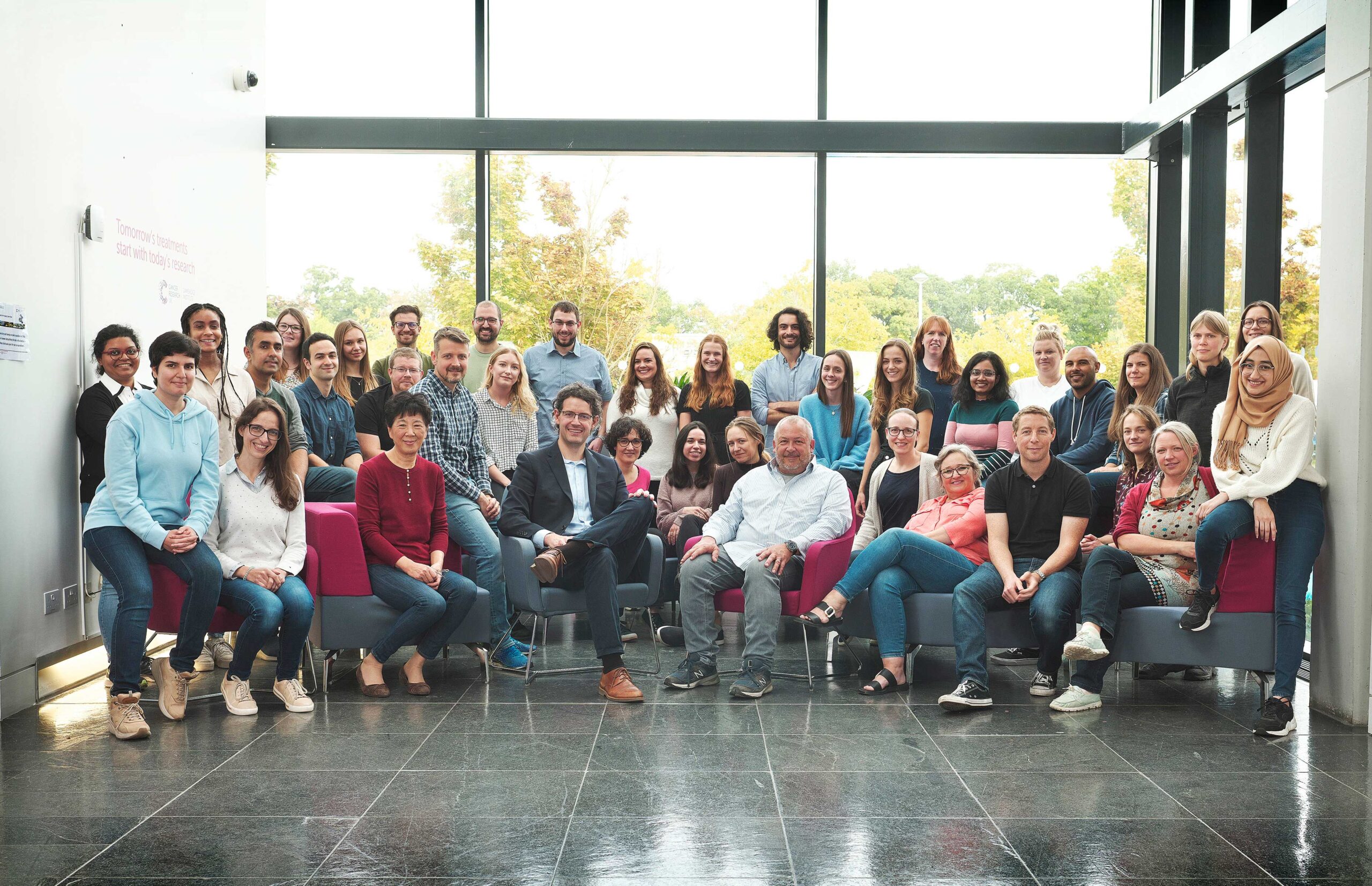
Hannon Group joins global team to decode cancer’s dark proteome
4th March 2026
Prof Greg Hannon and his group joins global Cancer Grand Challenges team taking on the dark proteome challenge.
Find out more