Judith Weber awarded Graduate Student Thesis Prize

Dr Judith Weber has been announced as the winner of this year’s Graduate Student Thesis Prize. The Prize is awarded each year to an exceptional graduate student who has completed a truly outstanding piece of work during their studies.
Dr Weber completed her PhD in the VISION Lab, supervised by Group Leader Dr Sarah Bohndiek, where she developed novel imaging dyes for the early detection of cancer.
Cancer that is diagnosed at an early stage, when it’s small and hasn’t spread to other parts of the body, is more likely to be treated successfully. One of the early molecular changes seen in many cancer cells is an increase in levels of Reactive Oxygen Species (ROS), unstable molecules containing oxygen that easily react with other molecules in the body.
ROS can damage DNA, proteins and influence signalling pathways, leading to changes in how genes are expressed, how cells divide and specialise, and the body’s inflammatory response. However, our understanding of how ROS impacts disease development is currently limited by our inability to precisely measure the levels of ROS over time in living organisms.
The goal of Dr Weber’s PhD was to design, synthesise and validate two types of novel ROS-sensitive contrast agents and combine them with imaging techniques to measure ROS during disease development in both cancer and neurodegenerative disease.
Using photoacoustic imaging, Judith developed a cancer-targeted dye that is activated by ROS, enabling the specific detection of levels of hydrogen peroxide, a major and abundant ROS in living organisms. The dye was validated in breast cancer cells and a mouse model and shown to be non-toxic and to accumulate in the cancer cells, leading to a measurable change in the photoacoustic signal.
Since completing her PhD, Judith has moved to Germany to start her role as Senior Scientist at AbbVie, working on the discovery and characterisation of radiotracers for brain imaging.
Read more:
J Weber, L Bollepalli, A Belenguer, M Di Antonio, N De Mitri, J Joseph, S Balasubramanian, C A Hunter and S E Bohndiek (2019) An activatable, bifunctional probe for photoacoustic and fluorescence imaging to probe oxidative stress in cancer. Cancer Research
L-M Needham*, J Weber*, J W B Fyfe, O M Kabia, D T Do, E Klimont, Y Zhang, M Rodrigues, C M Dobson, S Ghandi, S E Bohndiek, T N Snaddon, S F Lee (2018) Bifunctional fluorescent probes for detection of amyloid aggregates and reactive oxygen species. Royal Society Open Science 5:171399. *contributed equally
J Weber, P C Beard and S E Bohndiek, S.E. (2016) Contrast agents for molecular photoacoustic imaging: current status and future potential. Review. Nature Methods, 13(8) 639-50
Related News
See all news-

In Memoriam: Professor Greg Hannon (1964–2026)
9th April 2026
It is with profound sadness that we share the news of the passing of Professor Greg Hannon, who led the Cancer Research UK Cambridge Institute for over eight years.
Find out more -
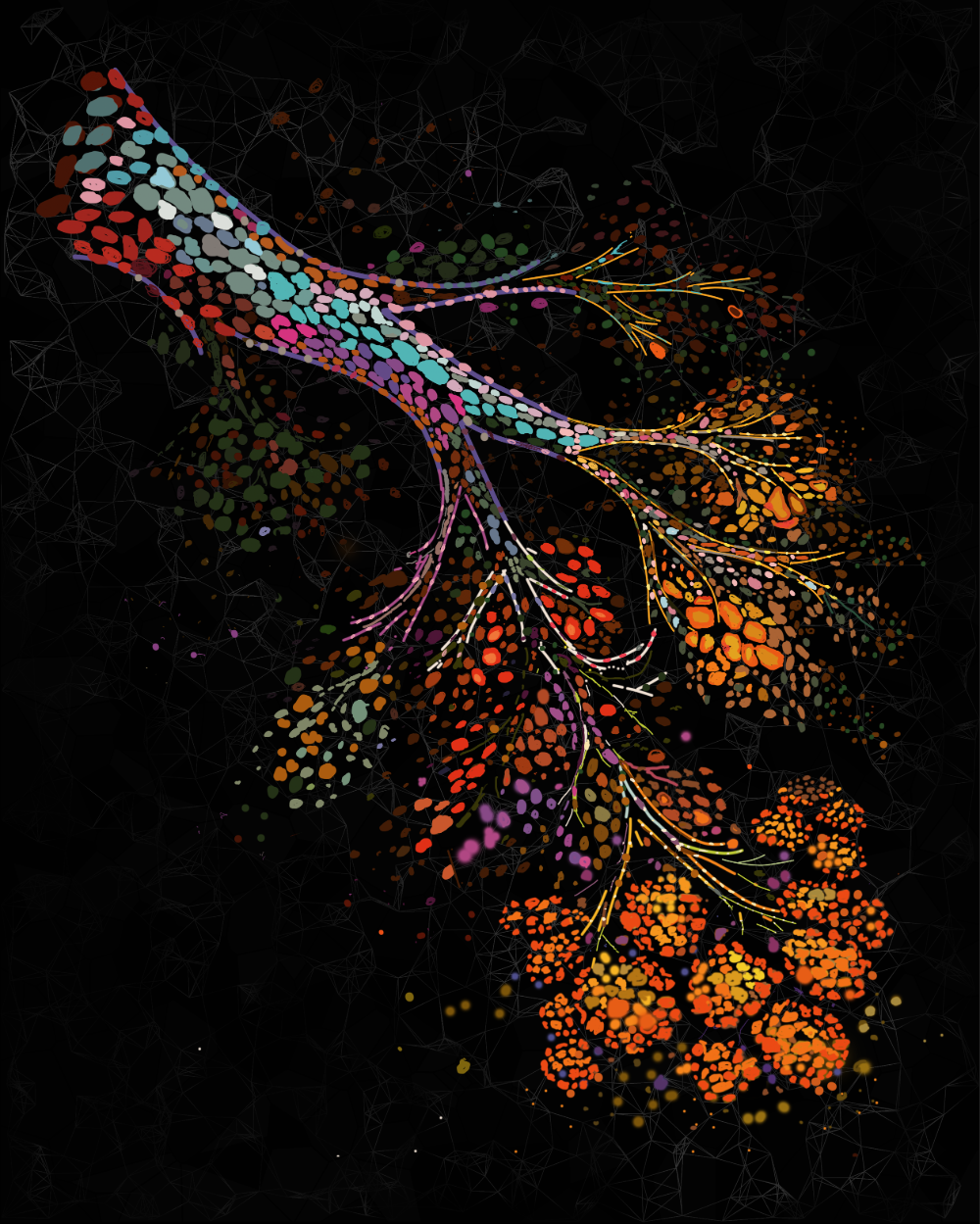
Most detailed map of breast tissue changes reveals role of menopause in cancer susceptibility
31st March 2026
Scientists have created the most detailed map to date, comprising over 3 million cells, showing how breast tissue changes as women age – including dramatic changes during menopause.
Find out more -
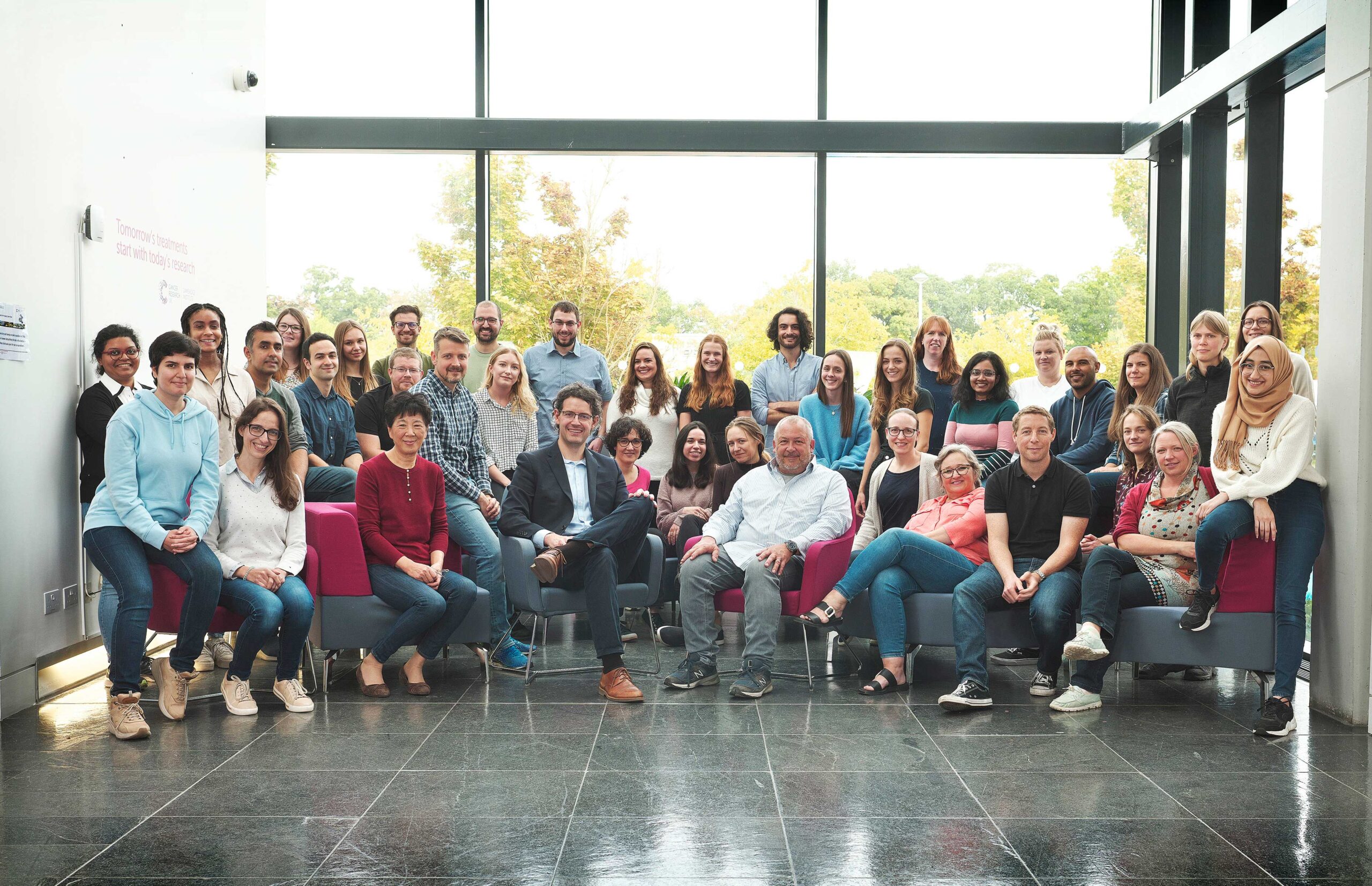
Hannon Group joins global team to decode cancer’s dark proteome
4th March 2026
Prof Greg Hannon and his group joins global Cancer Grand Challenges team taking on the dark proteome challenge.
Find out more