John Marioni elected to EMBO Membership

Senior Group Leader, Dr John Marioni, has been elected a member of the European Molecular Biology Organisation (EMBO) in recognition of his high-quality life science research.
Marioni is one of 64 life scientists that have been elected to EMBO membership this year, joining a community of more than 1,800 leading life scientists.
EMBO Members are actively involved in the organisation. They serve on EMBO Council, Committees, and Advisory Editorial Boards of EMBO Press journals, evaluate applications for EMBO funding, and mentor early-career scientists. Collectively, they can influence the direction of the life sciences in Europe and beyond.
“I am delighted to welcome the new members into our organisation and look forward to working with them,” says EMBO Director Maria Leptin. “An election to the EMBO Membership recognises outstanding achievements in the life sciences. The new members will provide expertise and guidance that will help EMBO to further strengthen its initiatives.”
New members are nominated and elected by the existing EMBO Membership; it is not possible to apply to become a member. One election is held each year. The new EMBO Members will be formally welcomed at the annual EMBO Members’ Meeting between 27 and 29 October 2021.
Related News
See all news-

In Memoriam: Professor Greg Hannon (1964–2026)
9th April 2026
It is with profound sadness that we share the news of the passing of Professor Greg Hannon, who led the Cancer Research UK Cambridge Institute for over eight years.
Find out more -
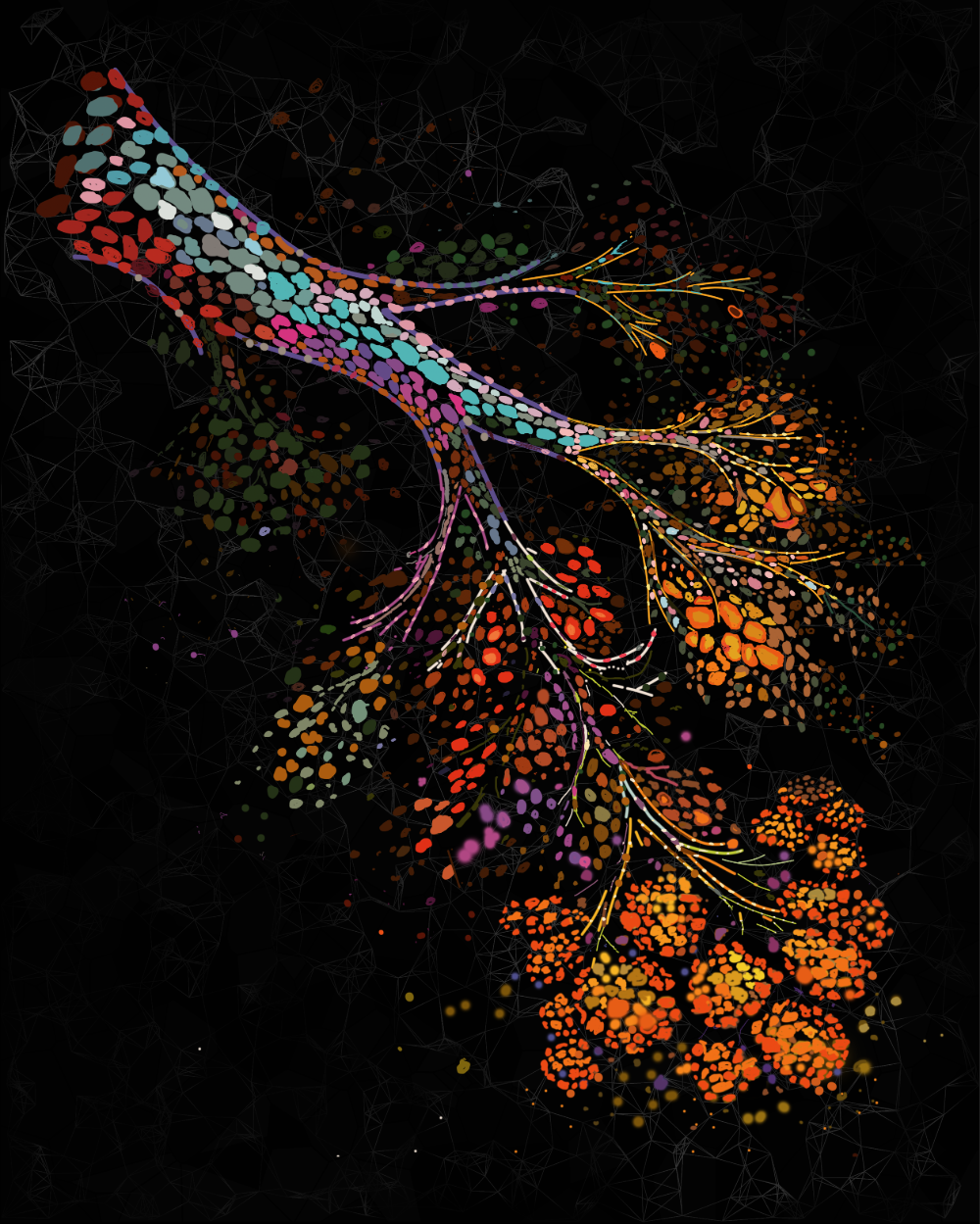
Most detailed map of breast tissue changes reveals role of menopause in cancer susceptibility
31st March 2026
Scientists have created the most detailed map to date, comprising over 3 million cells, showing how breast tissue changes as women age – including dramatic changes during menopause.
Find out more -
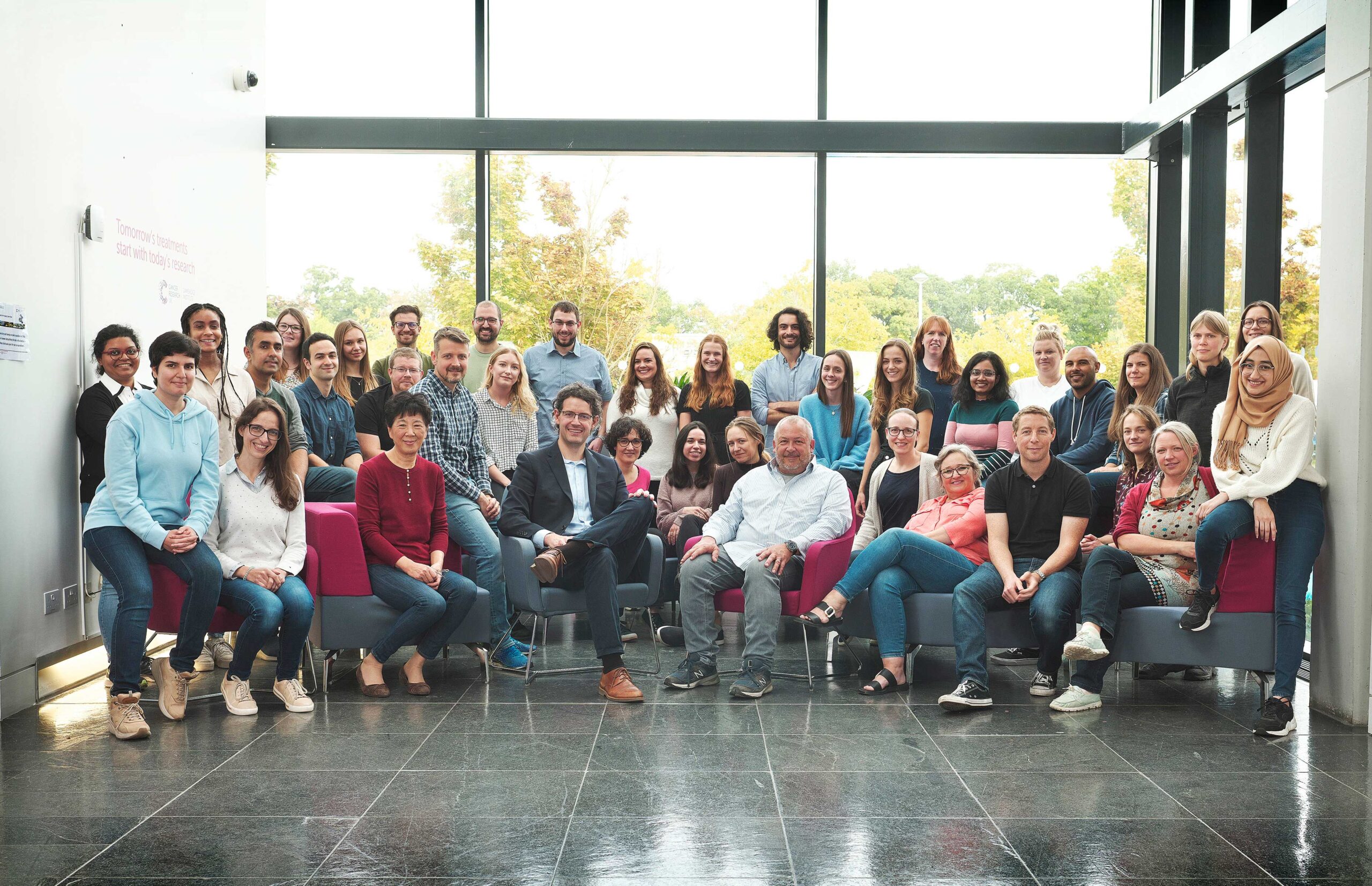
Hannon Group joins global team to decode cancer’s dark proteome
4th March 2026
Prof Greg Hannon and his group joins global Cancer Grand Challenges team taking on the dark proteome challenge.
Find out more