Institute scientists to work on £20 million “Grand Challenge”
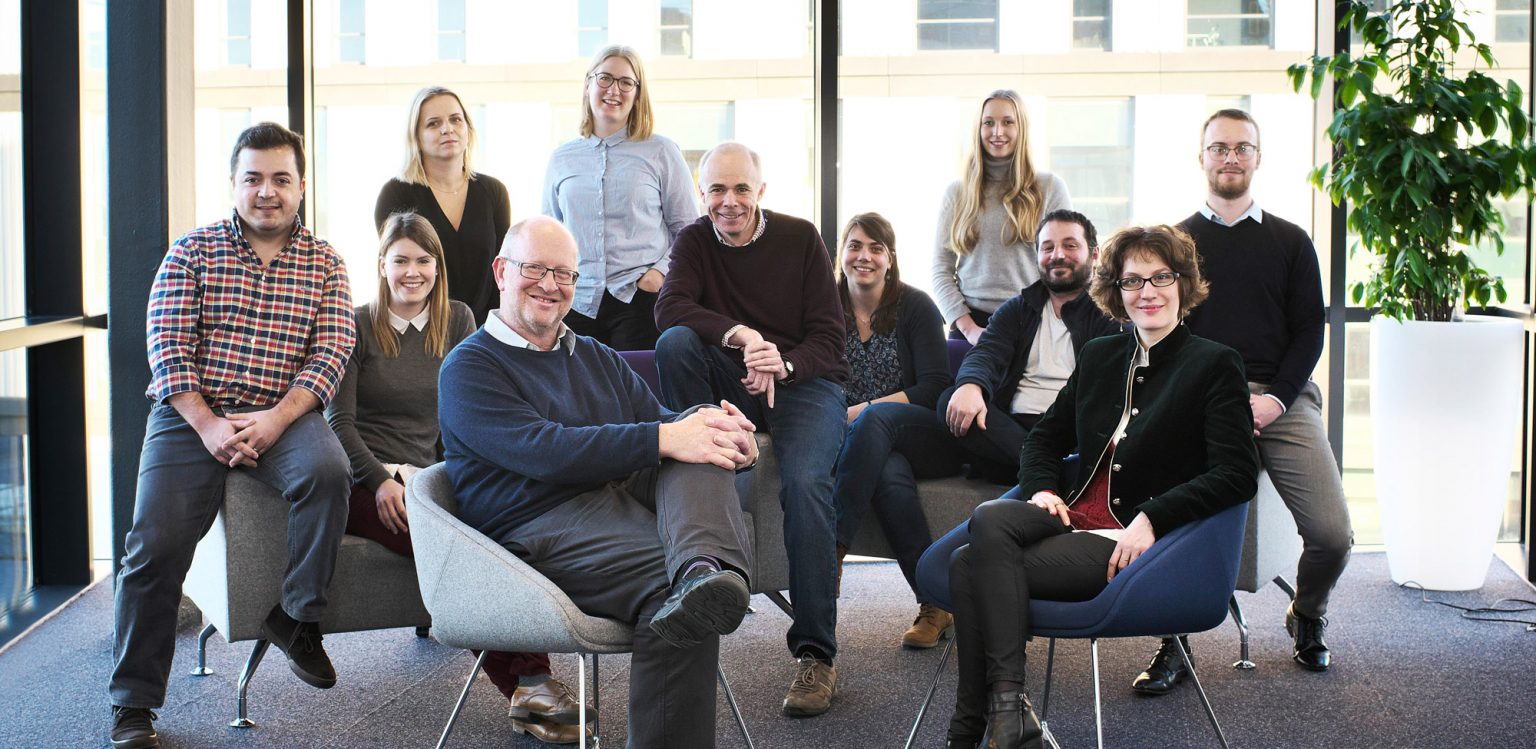
Scientists at the Cancer Research UK Cambridge Institute are set to play a key role in a multimillion pound Cancer Research UK project which aims to revolutionise the prevention, diagnosis and treatment of cancer.
The Winton Group will collaborate with a team of international researchers on a £20 million ‘Grand Challenge’ research project, looking at new ways to tackle cancers linked to chronic inflammation.
The project was selected for the funding by an international panel of experts considering a shortlist of ten exceptional, multi-disciplinary collaborations from universities, institutes and industry across the globe.
Cancer Research UK’s Grand Challenge was established to help scientists attack some of the hardest, unanswered questions in cancer research.
The team at the Cancer Research UK Cambridge Institute will be led by Dr Doug Winton and is set to receive over £1.4 million over the next five years as part of the global project.
We are very excited to be collaborating on this pioneering project which unites different kinds of researchers – biologists, physicists and engineers – who can challenge the way we currently treat cancer caused by inflammation.
Dr Doug Winton, Cancer Research UK Cambridge Institute Group Leader
They will work with scientists in London, the USA, Canada and Israel to help unravel how chronic inflammation is linked to cancer.
Inflammation is part of the body’s immune response. Chemicals released by white blood cells help protect the body from damaged cells, foreign substances or infections. Chronic inflammation can be caused by several factors such as viral and bacterial infections (including colitis), being overweight or lack of exercise, which can lead to diseases such as cancer.
It is suggested that up to 1 in 4 cancers globally are linked to inflammation.
Recent work shows that the cells surrounding cancers can control whether or not the cancer grows or disappears. The aim is to determine whether it’s possible to treat those cells rather than treating the cancer cells directly.
The scientists want to find new approaches to treatment – from repurposing everyday anti-inflammatory drugs, to designing cells that target cancer-promoting tissues.
The group will use mouse models to test these new therapies.
People in Cambridge have every right to feel proud of the world-class research taking place on their doorstep and of their fundraising efforts, which are helping to beat cancer.
Danielle Glavin, Cancer Research UK spokesperson
Dr Doug Winton, Group Leader at the Cancer Research UK Cambridge Institute, said: “We are very excited to be collaborating on this pioneering project which unites different kinds of researchers – biologists, physicists and engineers – who can challenge the way we currently treat cancer caused by inflammation.
“This research has the potential to increase our ability to prevent this type of cancer in high-risk patients. The scale of the project is huge and would not be possible without the Grand Challenge funding.”
Danielle Glavin, Cancer Research UK spokesperson for Cambridge, said:“Grand Challenge gives us the perfect opportunity to address complex questions and cross new frontiers in our understanding of cancer, to transform the lives of patients.
“We’re excited to be able to fund such innovative research which brings cancer experts in Cambridge together with their counterparts in the USA, Canada, Israel and London.
“People in Cambridge have every right to feel proud of the world-class research taking place on their doorstep and of their fundraising efforts, which are helping to beat cancer.”
Related News
See all news-
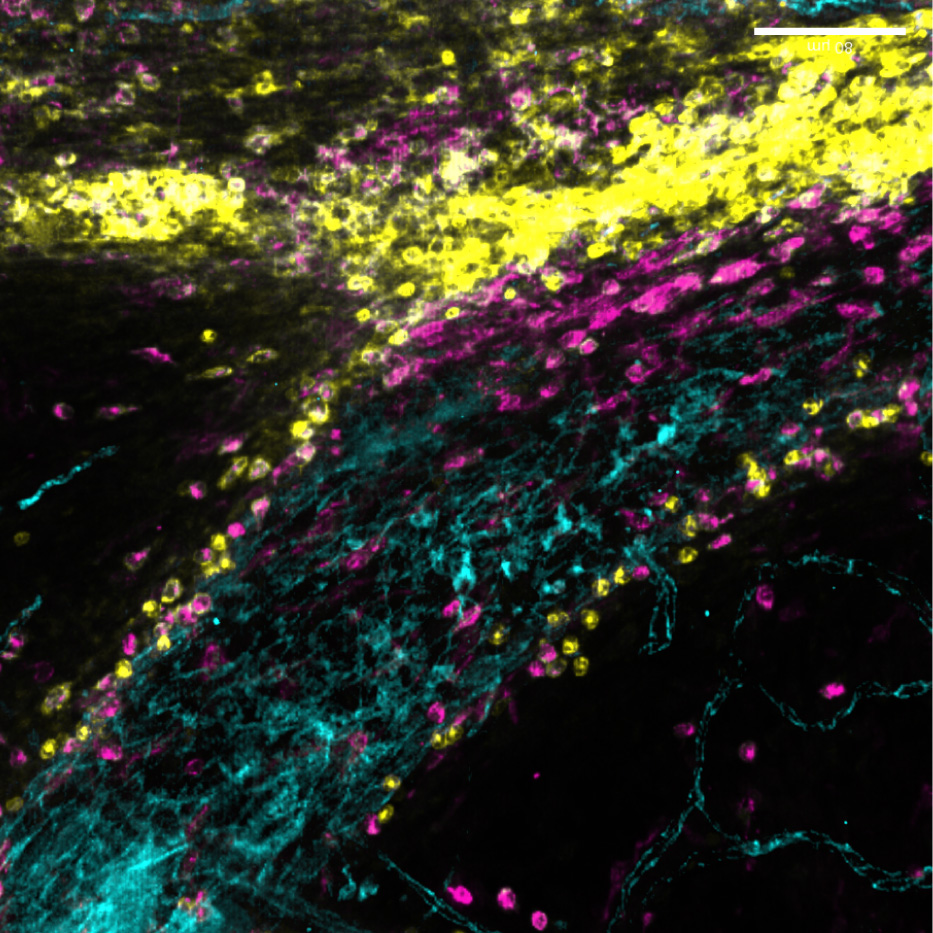
New immune pathway offers treatment hope for childhood brain tumours
3rd February 2026
A newly discovered immune pathway could lead to gentler treatments for multiple childhood brain cancers, according to new research from our Gilbertson Group published today in Nature Genetics.
Find out more -
Targeting paused cells could improve chemotherapy for lung and ovarian cancers
3rd February 2026
New research published today in Nature Aging by scientists at the University of Cambridge sheds light on why some lung and ovarian cancers stop responding to chemotherapy, and how this resistance might one day be prevented.
Find out more -
Pioneering trial offers hope on world pancreatic cancer day
20th November 2025
An early-stage trial at Addenbrooke’s Hospital, aims to improve treatment for people with late-stage pancreatic cancer, a challenging cancer that is often diagnosed late, when few treatment options are available.
Find out more