Giving the immune system a double boost against cancer
Cancer immunotherapies, which empower patients’ immune systems to eliminate tumors, are revolutionising cancer treatment.
Many patients respond well to these treatments, sometimes experiencing long-lasting remissions. But some cancers remain difficult to treat with immunotherapy, and expanding the impact of the approach is a high priority.
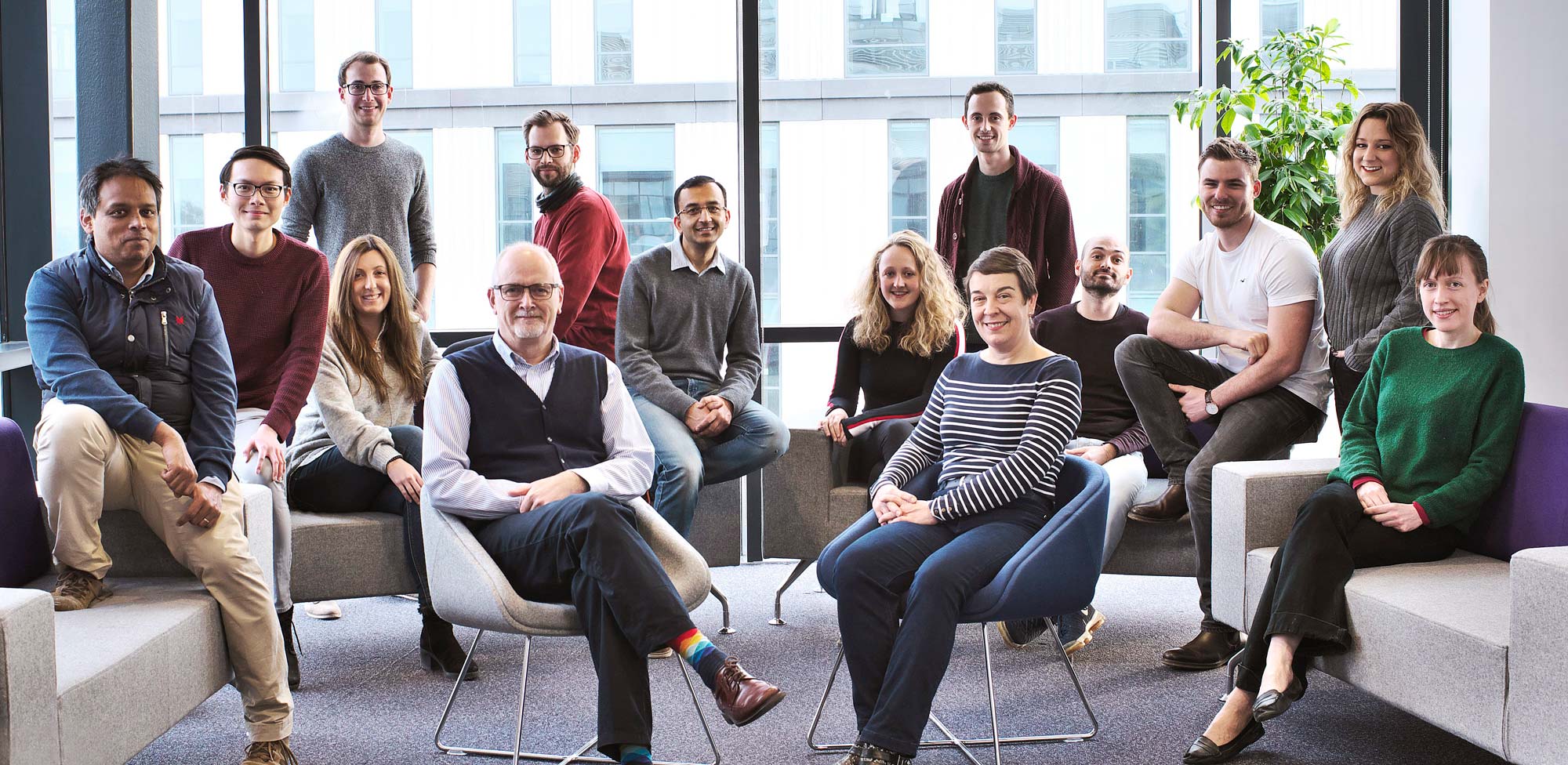
In the October 30 issue of the Proceedings of the National Academy of Sciences, a team led by Cold Spring Harbor Laboratory scientists Tobias Janowitz and Douglas Fearon together with Duncan Jodrell at the Cancer Research UK Cambridge Institute, University of Cambridge, reports on a clinical trial of a drug that induces an integrated immune response in the tumours of patients with cancer types that do not usually respond to immunotherapy. The researchers hope the potential treatment might make such tumours more responsive to the class of drugs known as immune checkpoint inhibitors.
Checkpoint inhibitors release natural brakes on the immune system, freeing it to find and destroy cancer cells. But they generally have not been effective against cancer cells with low levels of genetic mutation. Janowitz said: “Those tumours often do not seem to be visible to the immune system and do not seem to be unmasked by these therapies that are currently available. And we have reasons to believe that that is because they can engage an immune suppressive pathway that keeps most of the immune cells out of the cancer cell nest.”
In this clinical trial, the research team interrupted that immunosuppressive pathway with a drug called plerixafor. The drug was administered continuously by I.V. for one week to 24 patients with either pancreatic cancer or colorectal cancer with a low tumour mutational burden. All patients had advanced disease, and biopsies were collected from metastatic tumours before and after treatment.
When the team analysed those patient samples, they found that critical immune cells had infiltrated the tumours during the time patients received plerixafor, including a cell type known to summon and organise key players in the anti-cancer response. The finding was encouraging because the team detected changes that have also been observed in patients whose cancers responded well to checkpoint inhibitors.
Daniele Biasci, who led the computational immunology analyses of the study, added: “This finding is encouraging, because the gene expression patterns induced by plerixafor in this study have also been observed in tumours from patients who respond to immune checkpoint inhibitors, a class of drugs increasingly used for cancer immunotherapy”.
Jodrell, who led the planning and patient recruitment for the clinical study, said, “I am delighted that the work of this multi-disciplinary team has translated important laboratory findings into patients, with the potential to make a difference in these hard-to-treat cancers.” A clinical trial based on this study is about to start recruitment and will test the effects of combining plerixafor with an approved checkpoint inhibitor.
Adapted from a Cold Spring Harbor Laboratory press release.
“I am delighted that the work of this multi-disciplinary team has translated important laboratory findings into patients, with the potential to make a difference in these hard-to-treat cancers.”
Duncan Jodrell, CRUK Cambridge Institute
Related News
See all news-

In Memoriam: Professor Greg Hannon (1964–2026)
9th April 2026
It is with profound sadness that we share the news of the passing of Professor Greg Hannon, who led the Cancer Research UK Cambridge Institute for over eight years.
Find out more -
Most detailed map of breast tissue changes reveals role of menopause in cancer susceptibility
31st March 2026
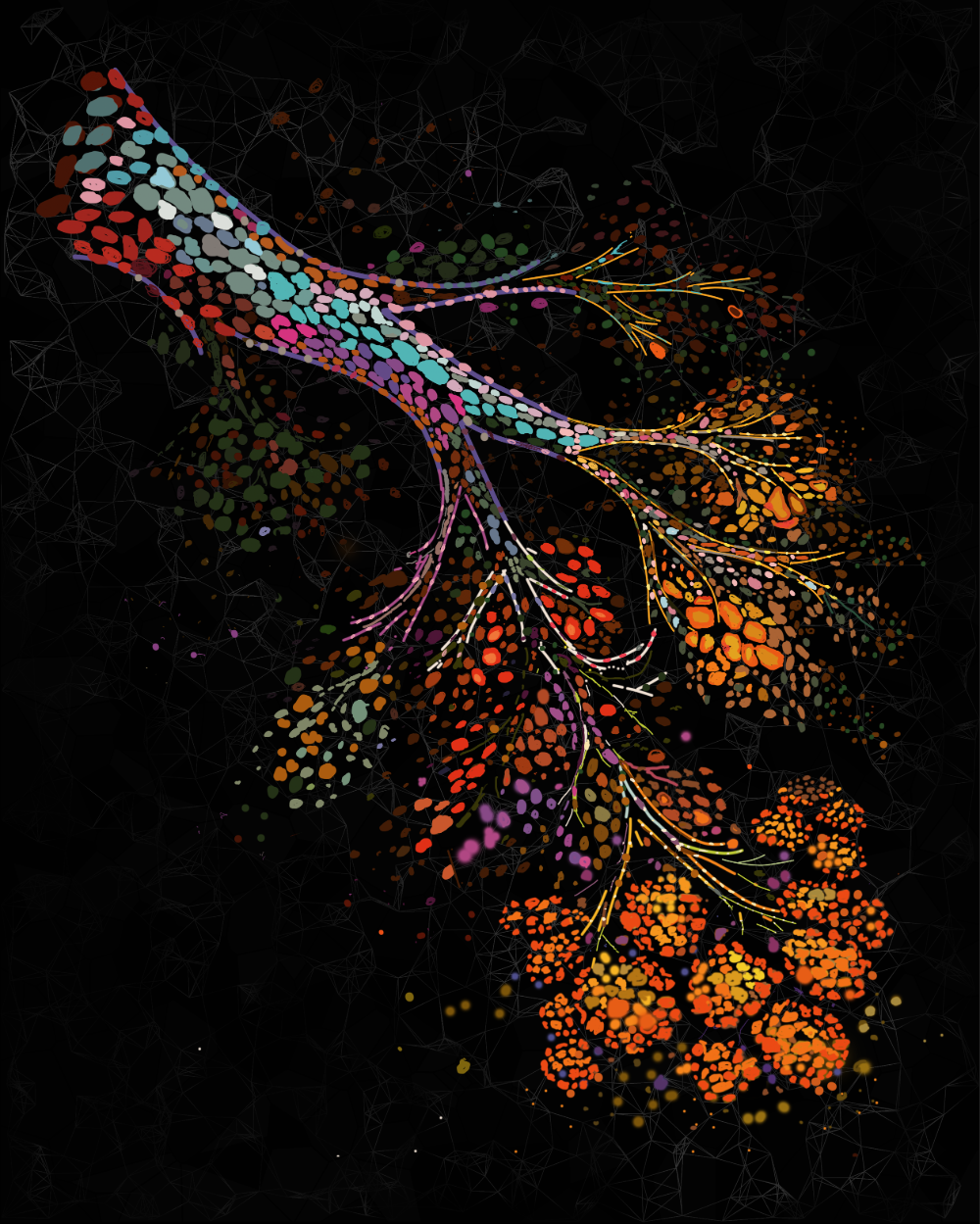
Scientists have created the most detailed map to date, comprising over 3 million cells, showing how breast tissue changes as women age – including dramatic changes during menopause.
Find out more -
Hannon Group joins global team to decode cancer’s dark proteome
4th March 2026
Prof Greg Hannon and his group joins global Cancer Grand Challenges team taking on the dark proteome challenge.
Find out more