Dr Stockis awarded prestigious Marie Curie Fellowship
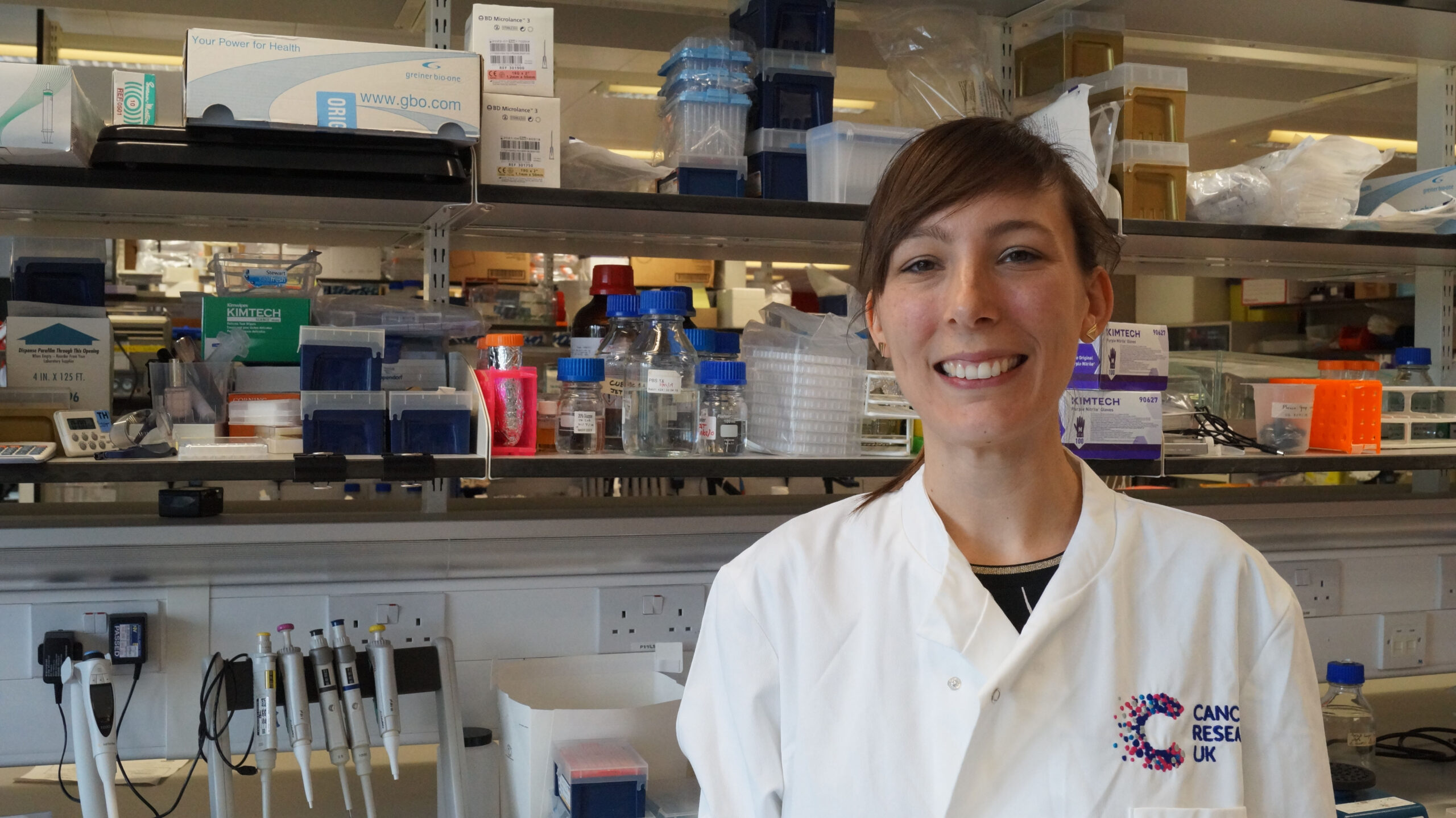
Dr Julie Stockis, Halim Group, has been awarded a prestigious Marie Skłodowska-Curie Fellowship to study how immune cells in the pancreas communicate with each other during pancreatitis and pancreatic tumour development.
Although cancer survival has doubled over the last forty years, progress hasn’t been even across all cancer types. For pancreatic cancer, there has been little improvement in the outlook for patients.
For some cancers, immunotherapy has shown promise, triggering the immune system to attack a patient’s cancer. While this has brought hope for patients with melanoma and lung cancer, it has yet to be shown successful in pancreatic cancer.
Dr Julie Stockis has been awarded a Marie Curie Fellowship for two years to understand more about immune cells, and how they communicate in pancreatitis and pancreatic cancer.
Pancreatitis is a well-known risk factor for pancreatic cancer development. Although the pancreatic epithelium is capable of regenerating after an acute episode of pancreatitis, chronic insults to the epithelium, and/or genetic mutations alter this regeneration process, contributing to tumour development.
Several immune cells have been shown to help regulate epithelial regeneration in other tissues. Regulatory T cells (Tregs) have been shown to regulate skin and intestinal stem cell numbers and specialisation, whereas Type 2 innate lymphoid cells (ILC2s) are known to influence tissue regeneration.
Previous research in the Halim Group has shown that communication between ILC2s in the tissue is essential for increasing the number of Tregs.
Dr Stockis’ project will focus in understanding the role of ILC2s and Tregs, along with their communication with epithelial cells in pancreatitis and tumour development. By learning more about the role of the immune cells in pancreatic cancer, the team hope to find new pathways to target for treatments.
Related News
See all news-
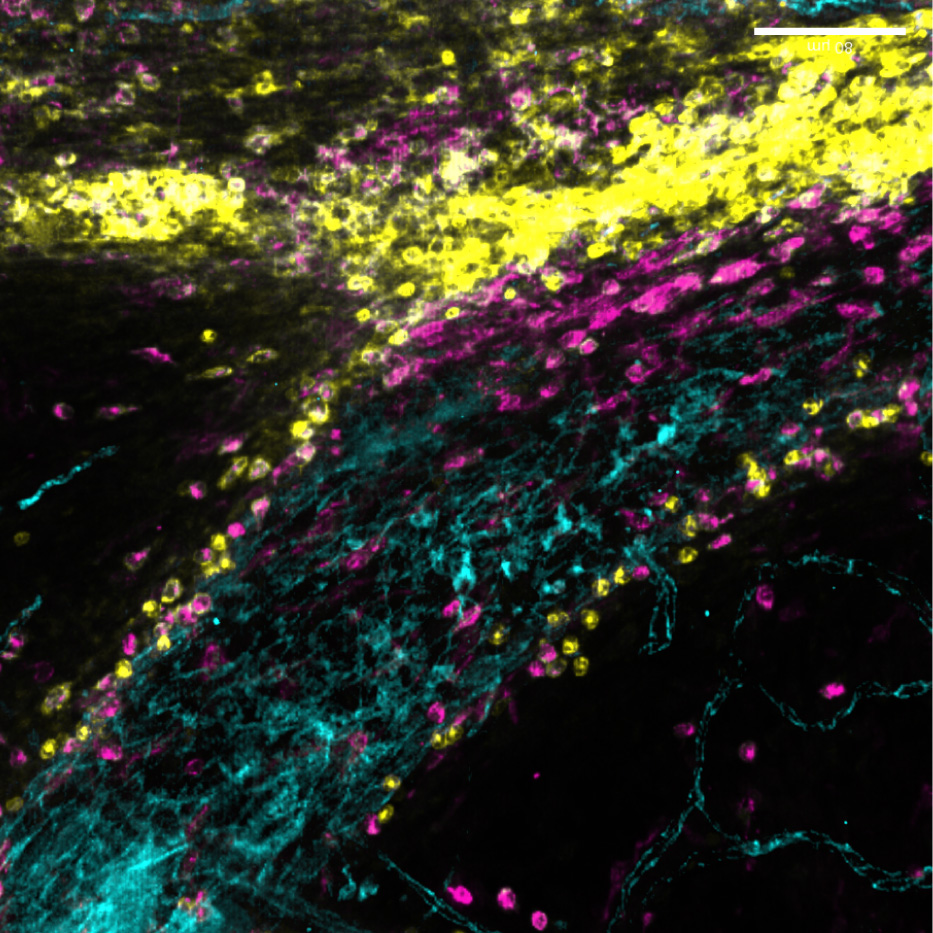
New immune pathway offers treatment hope for childhood brain tumours
3rd February 2026
A newly discovered immune pathway could lead to gentler treatments for multiple childhood brain cancers, according to new research from our Gilbertson Group published today in Nature Genetics.
Find out more -
Targeting paused cells could improve chemotherapy for lung and ovarian cancers
3rd February 2026
New research published today in Nature Aging by scientists at the University of Cambridge sheds light on why some lung and ovarian cancers stop responding to chemotherapy, and how this resistance might one day be prevented.
Find out more -
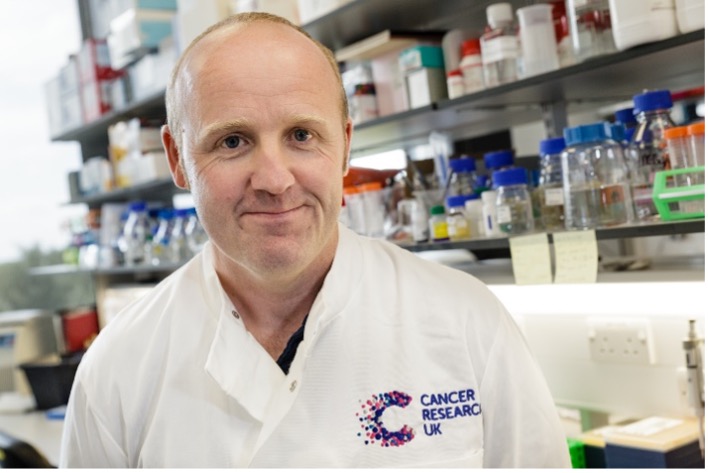
Pioneering trial offers hope on world pancreatic cancer day
20th November 2025
An early-stage trial at Addenbrooke’s Hospital, aims to improve treatment for people with late-stage pancreatic cancer, a challenging cancer that is often diagnosed late, when few treatment options are available.
Find out more