Dr Sarah Bohndiek awarded the CRUK Future Leaders Prize
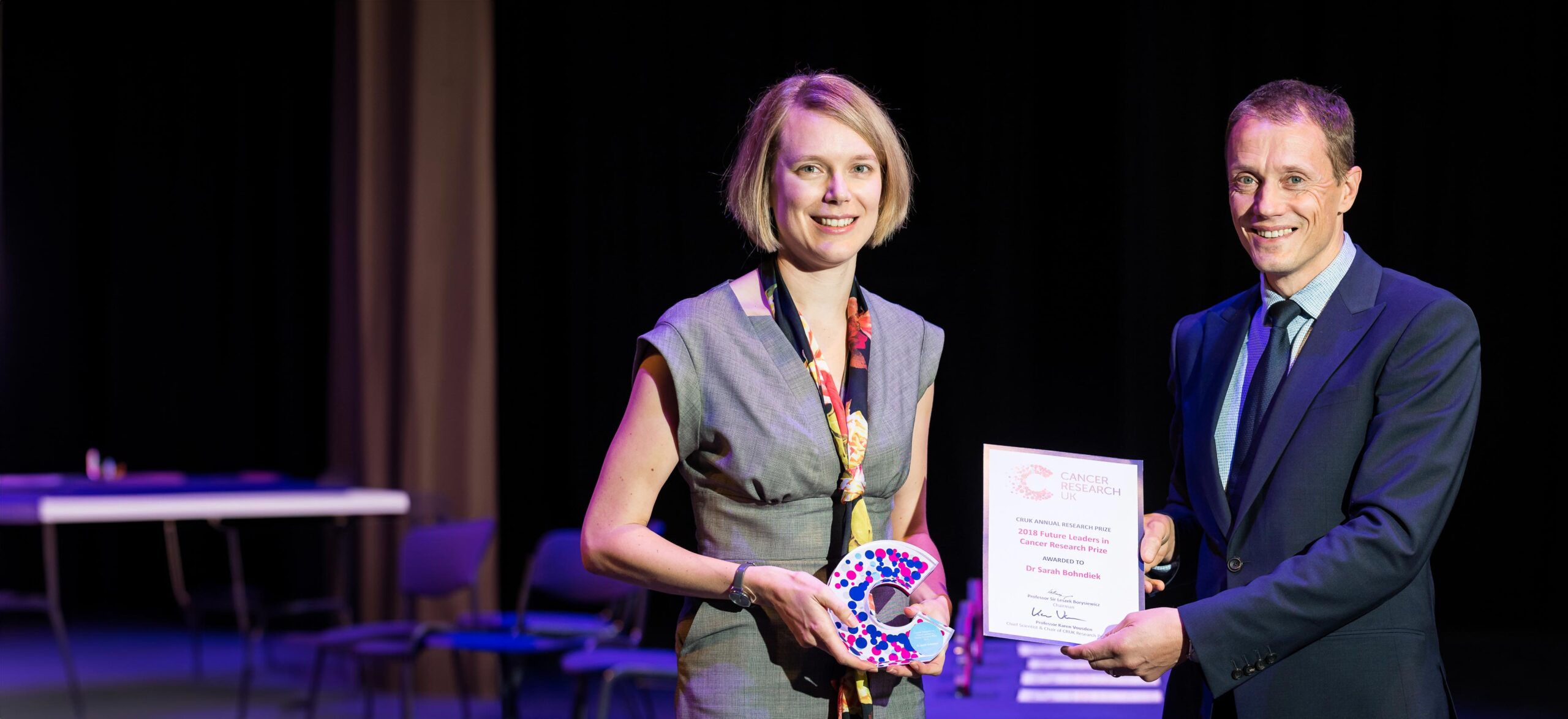
Dr Sarah Bohndiek has been awarded the Cancer Research UK Future Leaders Prize at this week’s National Cancer Research Institute (NCRI) Conference in Glasgow.
The Future Leaders Prize celebrates early career scientists who have demonstrated the potential to achieve world-leading status by producing research of international importance. The prize is awarded annually to up to three outstanding cancer researchers nominated by their peers and selected by an international panel.
Dr Bohndiek’s work focuses on developing new imaging tools to study the development and evolution of cancer based on low cost optics and photonics technologies. The Group apply new imaging methods in cancer models to explore the role of the tumour microenvironment in cancer development and are active in the translation of these methods into the clinic. She became a Group Leader at the Cancer Research UK Cambridge Institute in 2014 and a Reader in Biomedical Physics in 2017.

Dr Sarah Bohndiek also co-leads the Cancer Research UK Cambridge Centre’s Early Detection Programme with Prof Rebecca Fitzgerald, who received the Jane Wardle Prize at the same event. The prize recognises an individual who has produced world-leading research in the field of prevention and early detection of cancer. Prof Fitzgerald is a Programme Leader at the MRC Cancer Unit whose work focuses on the need to identify patients at a high risk for cancer of the oesophagus so they can be prevented from developing the disease.
Related News
See all news-
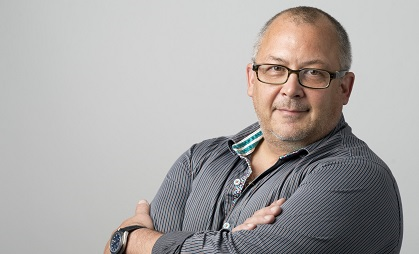
In Memoriam: Professor Greg Hannon (1964–2026)
9th April 2026
It is with profound sadness that we share the news of the passing of Professor Greg Hannon, who led the Cancer Research UK Cambridge Institute for over eight years.
Find out more -
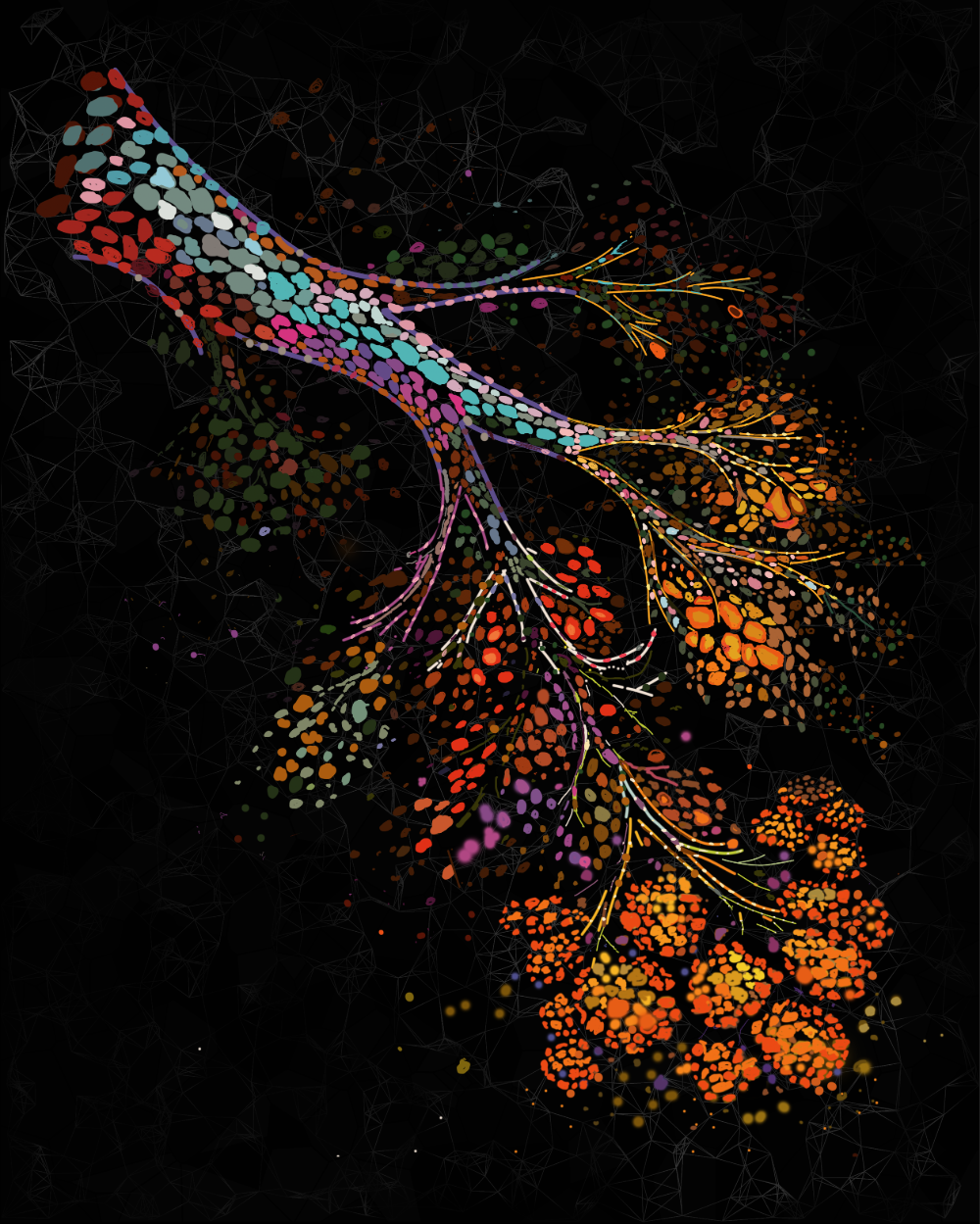
Most detailed map of breast tissue changes reveals role of menopause in cancer susceptibility
31st March 2026
Scientists have created the most detailed map to date, comprising over 3 million cells, showing how breast tissue changes as women age – including dramatic changes during menopause.
Find out more -
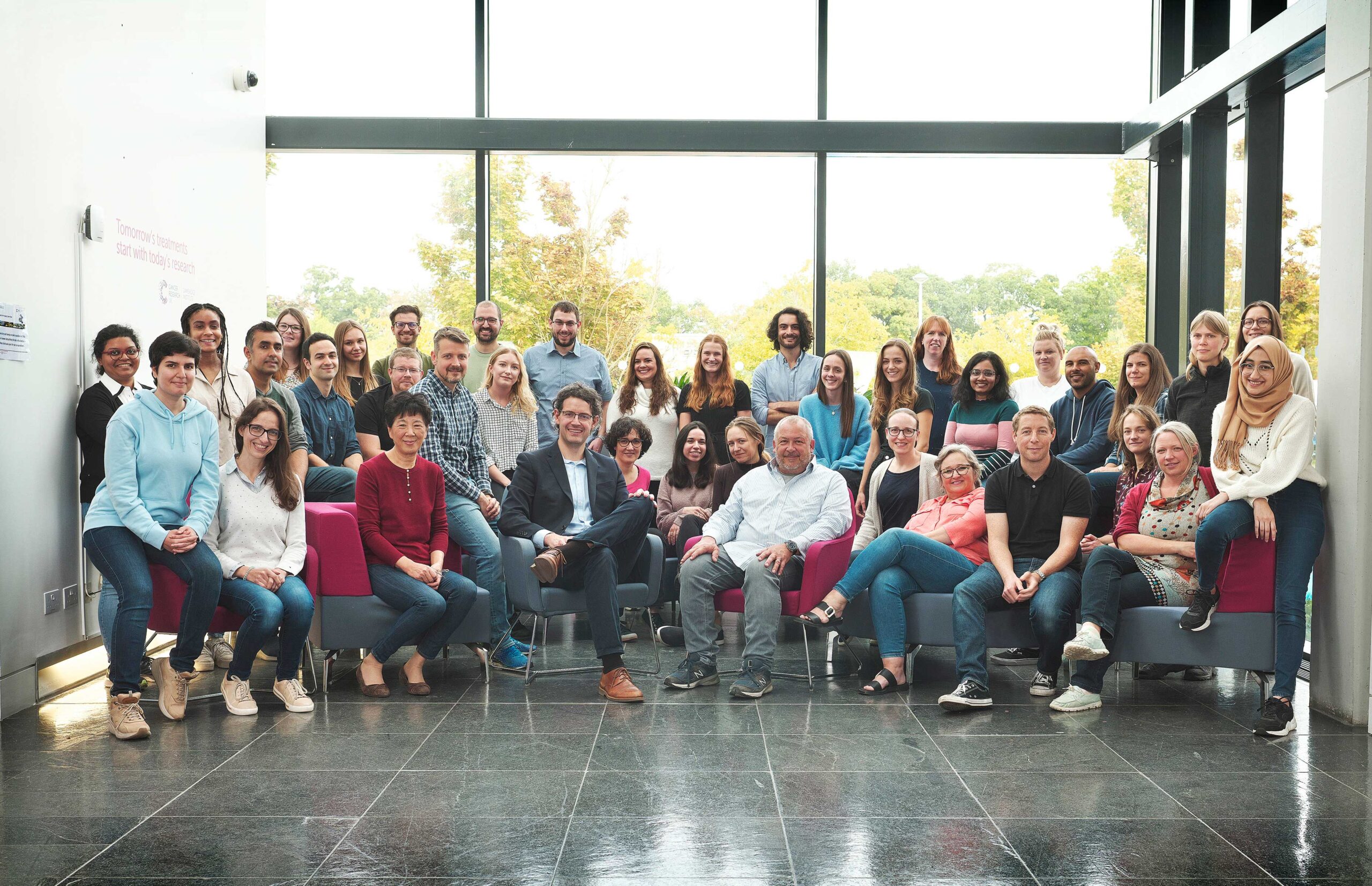
Hannon Group joins global team to decode cancer’s dark proteome
4th March 2026
Prof Greg Hannon and his group joins global Cancer Grand Challenges team taking on the dark proteome challenge.
Find out more