Dr Raza Ali joins Institute as new Group Leader
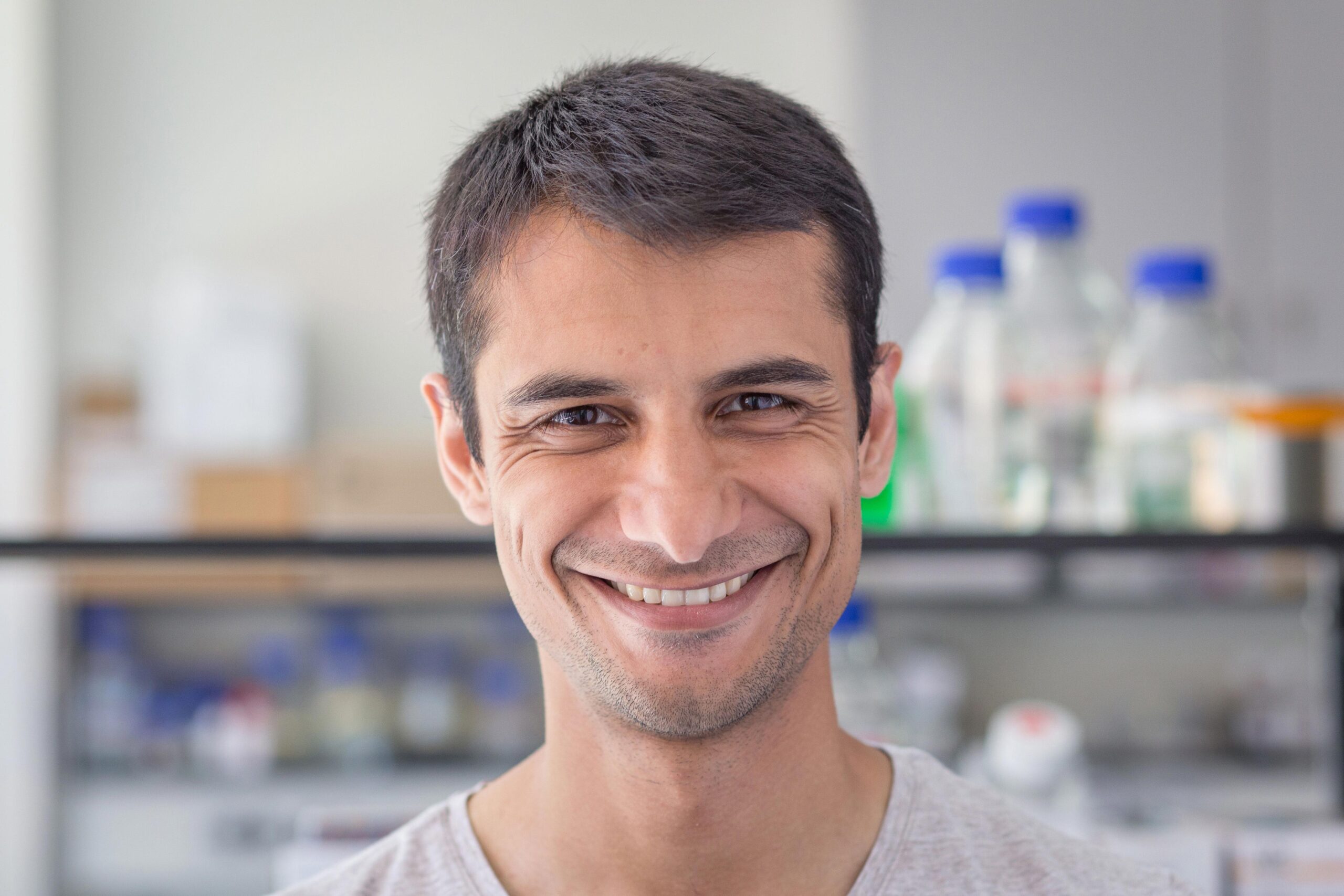
We are delighted to announce that Dr Raza Ali will be joining the Institute as a new Junior Group Leader in early 2020.
Raza studied Medicine at Cardiff University, later specialising in Histopathology before joining the Caldas Group for his PhD as a Clinical Research Fellow. After completing his PhD, he was granted an NIHR Academic Clinical Lecturer position as the Department of Pathology before being awarded a CRUK Clinical Scientist Fellowship, where he worked on immune checkpoint programs to target immunotherapy in triple-negative breast cancer at the University of Zurich.
During his tenure as Junior Group Leader, Raza will model how the tumour-immune interaction changes over time in breast cancer. There is an urgent need to identify breast cancer patients who will benefit from immunotherapy, with current biomarkers unable to identify patients that will experience a long-term benefit and those likely to develop resistance in the short-term.
Raza will precisely map the key cellular players within the tumour-immune ecosystem to provide snapshots of disease progression. Translating these findings from state-of-the-art research into clinical-grade assays is an important goal, with the ultimate aim being to personalise immunotherapy and bring real benefit to patients in the clinic.
We look forward to welcoming Raza to the Institute.
Related News
See all news-
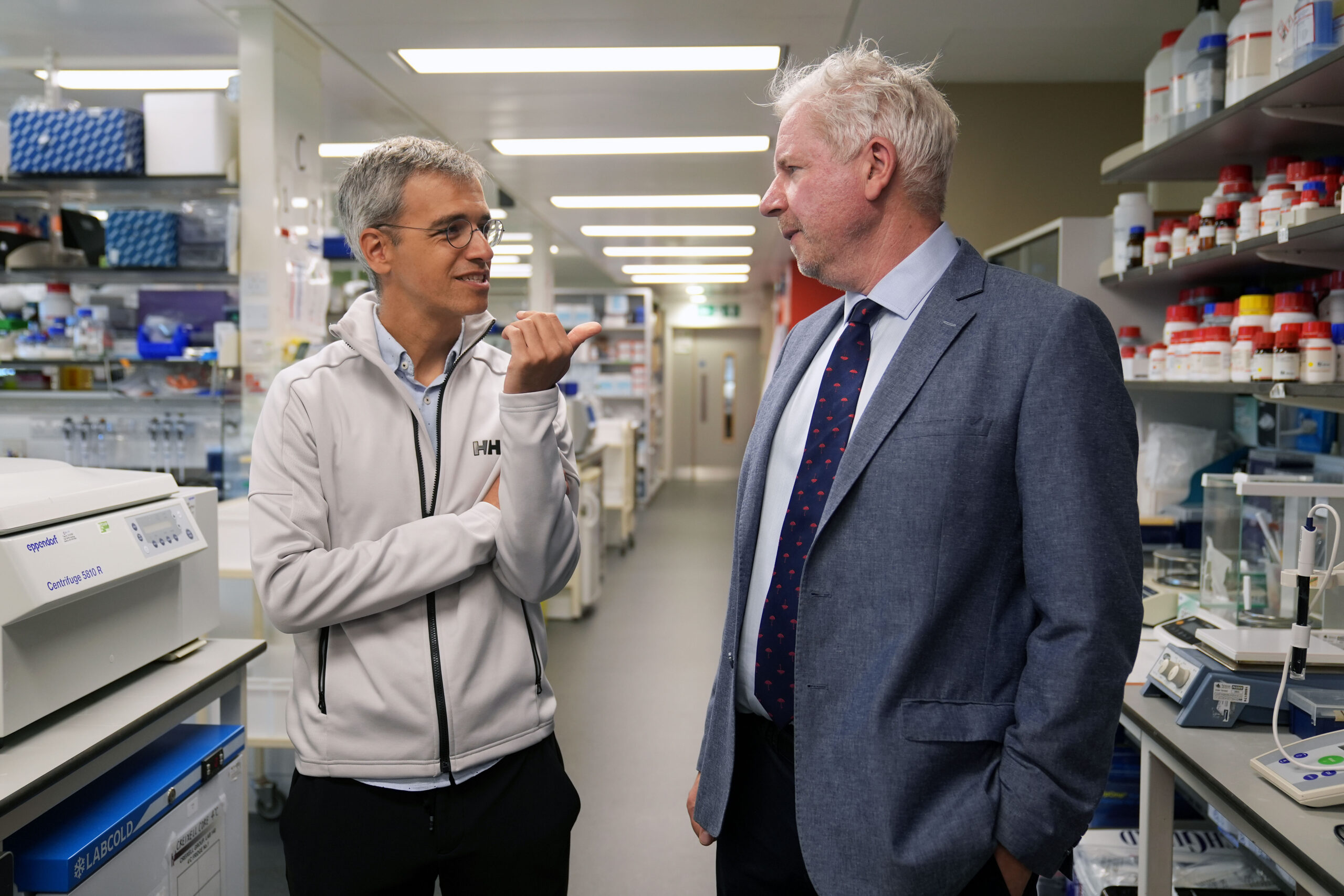
Sophie Kinsella’s family meet the brain cancer researchers carrying forward her legacy
5th October 2026
Sophie Kinsella’s family has unveiled a plaque in her honour at laboratory focusing on glioblastoma.
Find out more -

Maike de la Roche promoted to Research Professor
1st October 2026
Congratulations to Prof Maike de la Roche, following her promotion to Research Professor at the Cancer Research UK Cambridge Institute (CRUK CI).
Find out more -
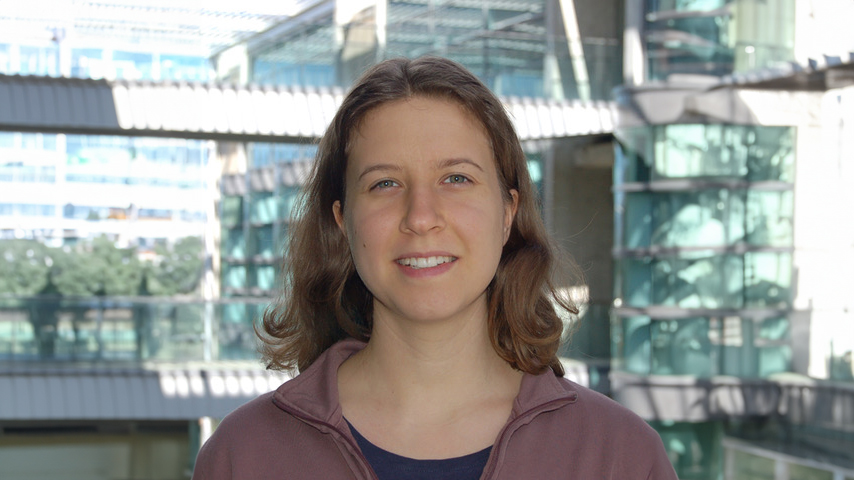
Dr Magdalena Crossley awarded £2 million Wellcome Career Development Award
11th September 2026
Dr Magdalena Crossley has been awarded a £2 million Wellcome Career Development Award to investigate how unusual RNA-DNA structures contribute to cancer and other diseases.
Find out more