Dr Nitzan Rosenfeld receives €50,000 Meyenburg Award
Dr Nitzan Rosenfeld is being honored with the 2017 Meyenburg Award, which carries a €50,000 monetary prize.
He receives the award for his excellent work on the detection of tumor DNA in the blood.
The Meyenburg Foundation, which is based at the DKFZ, has awarded the distinction since 1981. The Meyenburg Award honors outstanding achievements in cancer research. Presented annually, it is accompanied by one of the highest monetary prizes in German science.
The importance of this award is also reflected in the fact that numerous Meyenburg laureates have gone on to win a Nobel Prize: Andrew Fire, who won the Meyenburg Award in 2002, received a Nobel Prize for Medicine in 2006. Elizabeth Blackburn, laureate of 2006, became a Medicine Nobel Prize winner in 2009. Shinya Yamanaka, Meyenburg Award winner of 2007, also received the Nobel Prize for Medicine in 2012. Stefan Hell, winner of 2011, received the Nobel Prize for Chemistry in 2014.
Dr Rosenfeld has made seminal contributions to advancing a method for detecting cancer DNA in the blood to applicability in cancer medicine.
“Nitzan Rosenfeld’s work has been instrumental in advancing the detection of tumor DNA in blood samples from an experimental technique to a method opening a multitude of new options in cancer medicine,” says Christof von Kalle, board member of the Meyenburg Foundation. “For many common cancer types, colleagues could already show in large studies what liquid biopsy can do. For example, a recurrence of bowel cancer could be detected based on a rise in cancer DNA in patient blood ten months earlier than by medical imaging. In lung cancer cases, colleagues were able to show how therapy resistance develops.”
The Meyenburg-Award will be presented on Tuesday, November 28, 2017, at a symposium held at the German Cancer Research Center (DKFZ).
Related News
See all news-
In Memoriam: Professor Greg Hannon (1964–2026)
9th April 2026
It is with profound sadness that we share the news of the passing of Professor Greg Hannon, who led the Cancer Research UK Cambridge Institute for over eight years.
Find out more -
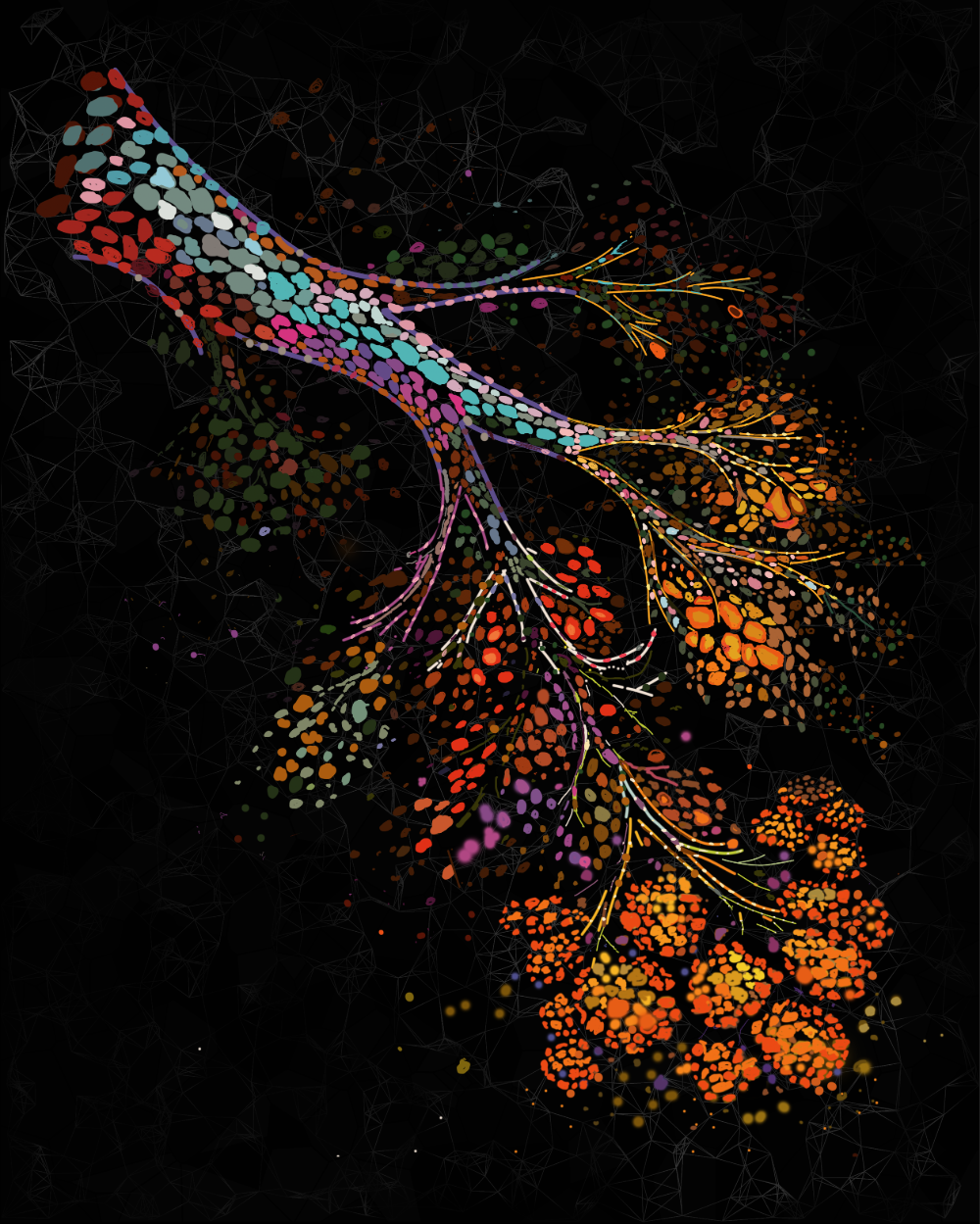
Most detailed map of breast tissue changes reveals role of menopause in cancer susceptibility
31st March 2026
Scientists have created the most detailed map to date, comprising over 3 million cells, showing how breast tissue changes as women age – including dramatic changes during menopause.
Find out more -
Hannon Group joins global team to decode cancer’s dark proteome
4th March 2026
Prof Greg Hannon and his group joins global Cancer Grand Challenges team taking on the dark proteome challenge.
Find out more