Dr Florian Markowetz awarded a CRUK Future Leaders Prize
Dr Florian Markowetz was one of three researchers awarded a Cancer Research UK Future Leaders in Cancer Research Prize at an awards ceremony at the National Cancer Research Institute (NCRI) Cancer Conference.
This prize recognises scientists early in their career whose significant contribution to cancer research demonstrates their potential to become world-class leaders in their field.
Dr Florian Markowetz’s work is providing insights into how tumours interact with their environment. By studying the cancer’s genes in the context of the tissue around it, they are finding which signals indicate how a cancer will behave. You can find out more about his work here.
Sir Harpal Kumar, chief executive of Cancer Research UK, said: “I’m delighted to announce this year’s prize winners. These pioneering scientists are receiving awards for their extraordinary and wide-ranging contributions to cancer research. Although their work spans many different areas and types of cancer, they all share a determination to beat cancer for good. Through their pioneering work they open up new opportunities to detect and treat cancer which will help us save lives.”
Related News
See all news-
In Memoriam: Professor Greg Hannon (1964–2026)
9th April 2026
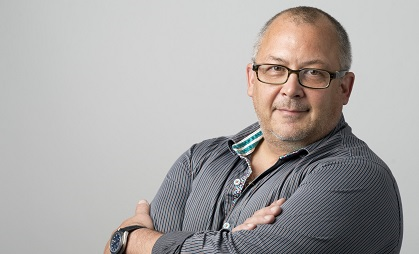
It is with profound sadness that we share the news of the passing of Professor Greg Hannon, who led the Cancer Research UK Cambridge Institute for over eight years.
Find out more -
Most detailed map of breast tissue changes reveals role of menopause in cancer susceptibility
31st March 2026
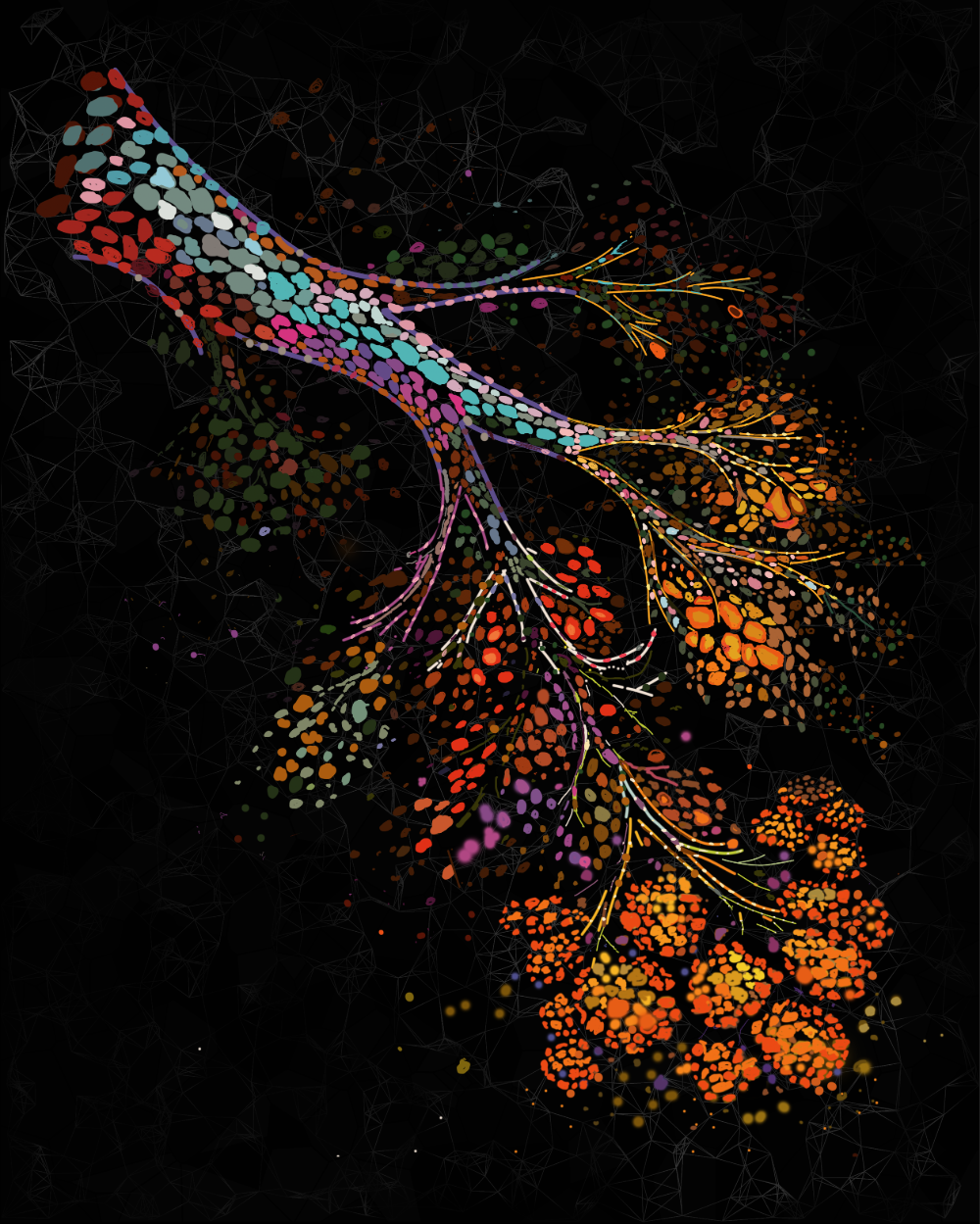
Scientists have created the most detailed map to date, comprising over 3 million cells, showing how breast tissue changes as women age – including dramatic changes during menopause.
Find out more -
Hannon Group joins global team to decode cancer’s dark proteome
4th March 2026
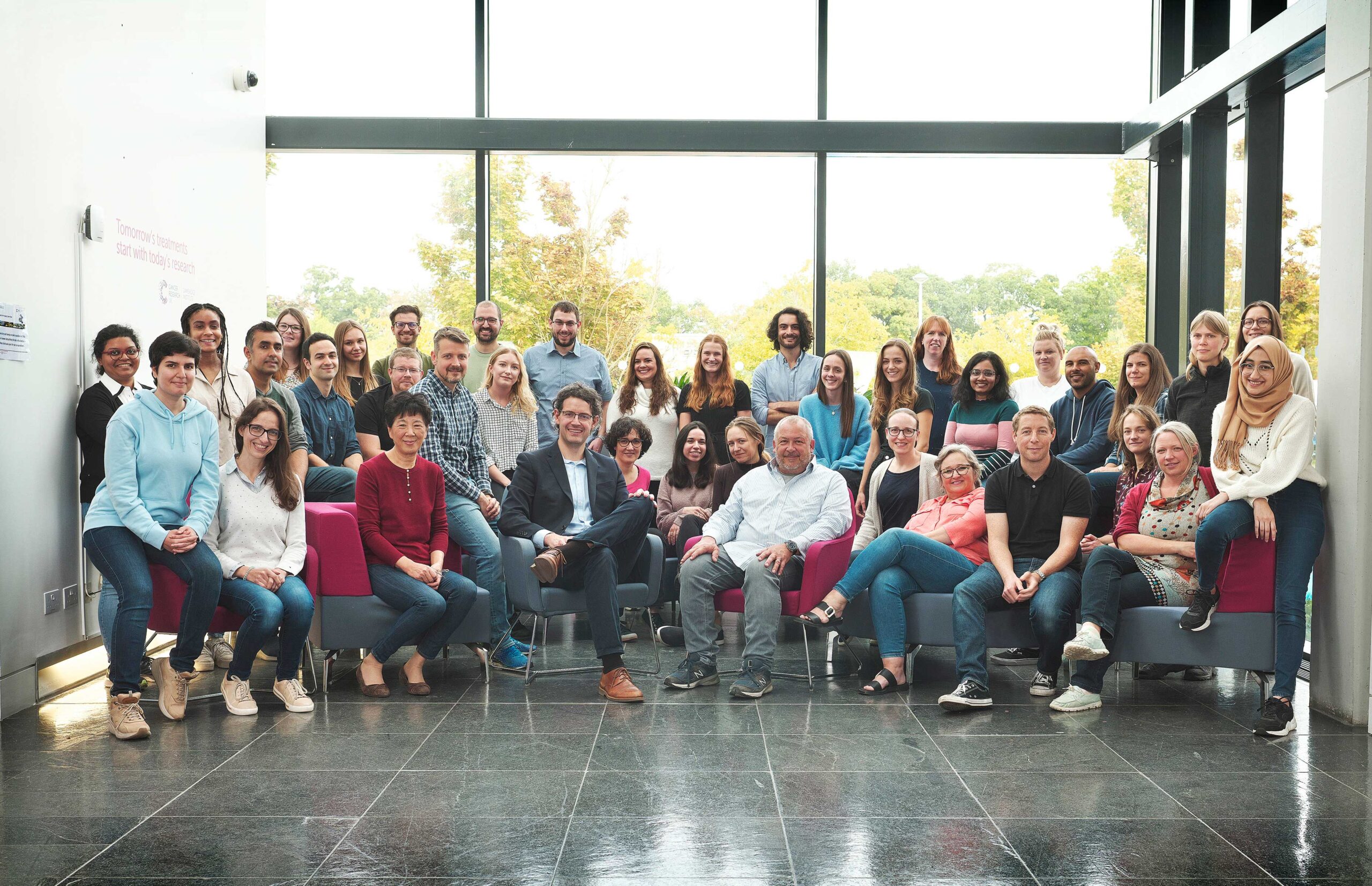
Prof Greg Hannon and his group joins global Cancer Grand Challenges team taking on the dark proteome challenge.
Find out more