DNA in blood can track cancer development and response in real time
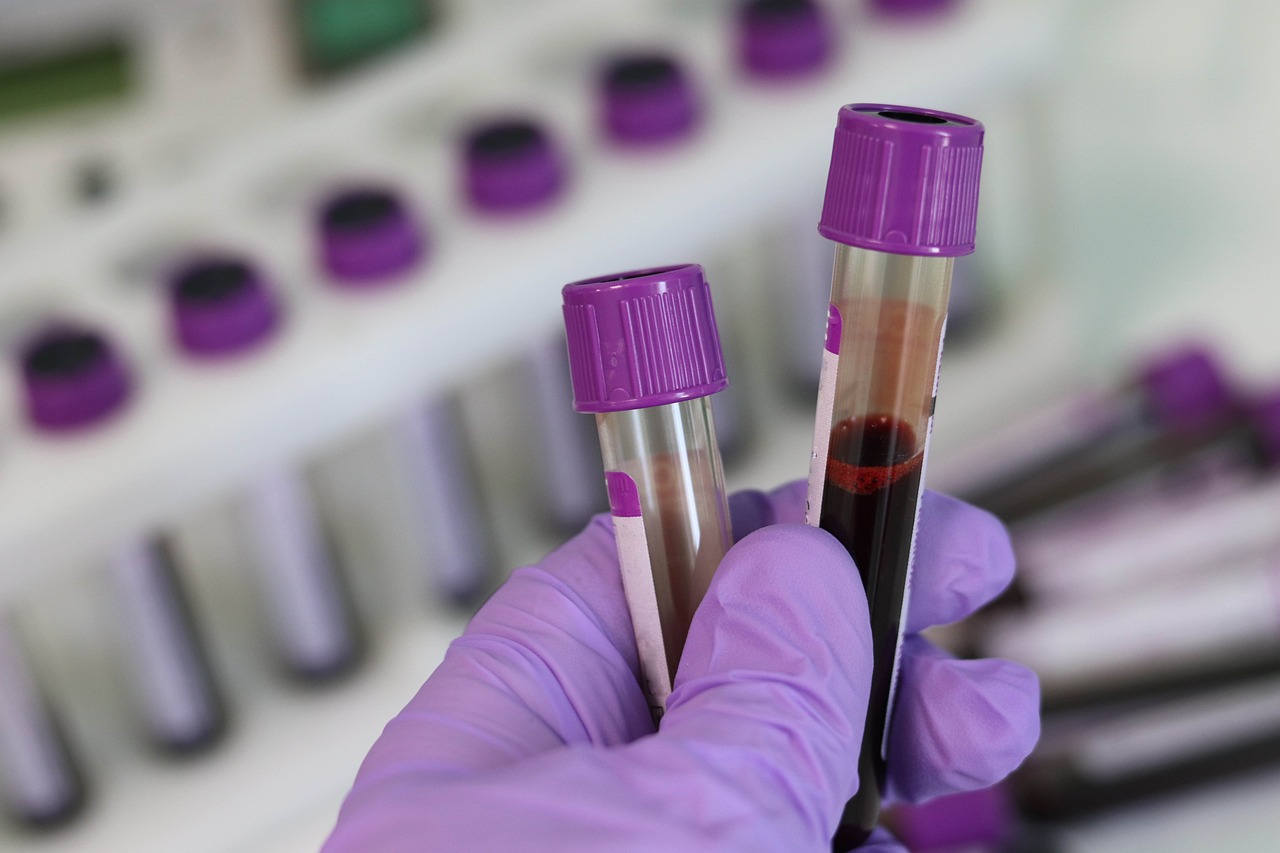
Scientists have shown for the first time that tumour DNA shed into the bloodstream can be used to track cancers in real time as they evolve and respond to treatment, according to a new Cancer Research UK study published in the journal Nature Communications.
Over three years, researchers at the University of Cambridge took surgical tumour samples (biopsies) and blood samples from a patient with breast cancer that had already spread to other parts of her body. They carefully studied small fragments of DNA from dying tumour cells that are shed into the blood, comparing them with DNA from the biopsy that was taken at the same point in time.
“The findings could change the way we monitor patients, and may be especially important for people with cancers that are difficult to reach.” – Professor Carlos Caldas, Cancer Research UK Cambridge Institute
The results show that the DNA in the blood samples matched up with that from the biopsies, reflecting the same pattern and timing of genetic changes appearing as the cancer developed and responded to treatment. The results provide the first proof-of-principle that analysing tumour DNA in the blood can accurately monitor cancer within the body.
Study author Professor Carlos Caldas, senior group leader at the Cancer Research UK Cambridge Institute, said: “This definitively shows that we can use blood-based DNA tests to track the progress of cancer in real time. The findings could change the way we monitor patients, and may be especially important for people with cancers that are difficult to reach, as taking a biopsy can sometimes be quite an invasive procedure.”
The patient in the study had breast cancer that had already spread to a number of other organs. The researchers – part of a collaborative team effort involving the Carlos Caldas and Nitzan Rosenfeld laboratories at the Cancer Research UK Cambridge Institute – were even able to distinguish between the different secondary cancers and examine how each of the tumours was responding to treatment.
Professor Caldas added: “We were able to use the blood tests to map out the disease as it progressed. We now need to see if this works in more patients and other cancer types, but this is an exciting first step.”
Dr Kat Arney, science information manager at Cancer Research UK, said: “Spotting tumour DNA in the bloodstream is a really promising area of research, and has the potential to give doctors valuable clues about a patient’s disease without having to take repeated tumour samples.
“For now, surgical biopsies still play an important role in diagnosing and monitoring cancers. But this work gives us a window into the future, where we’ll use less invasive techniques to track the disease in real time.”
Related News
See all news-

In Memoriam: Professor Greg Hannon (1964–2026)
9th April 2026
It is with profound sadness that we share the news of the passing of Professor Greg Hannon, who led the Cancer Research UK Cambridge Institute for over eight years.
Find out more -
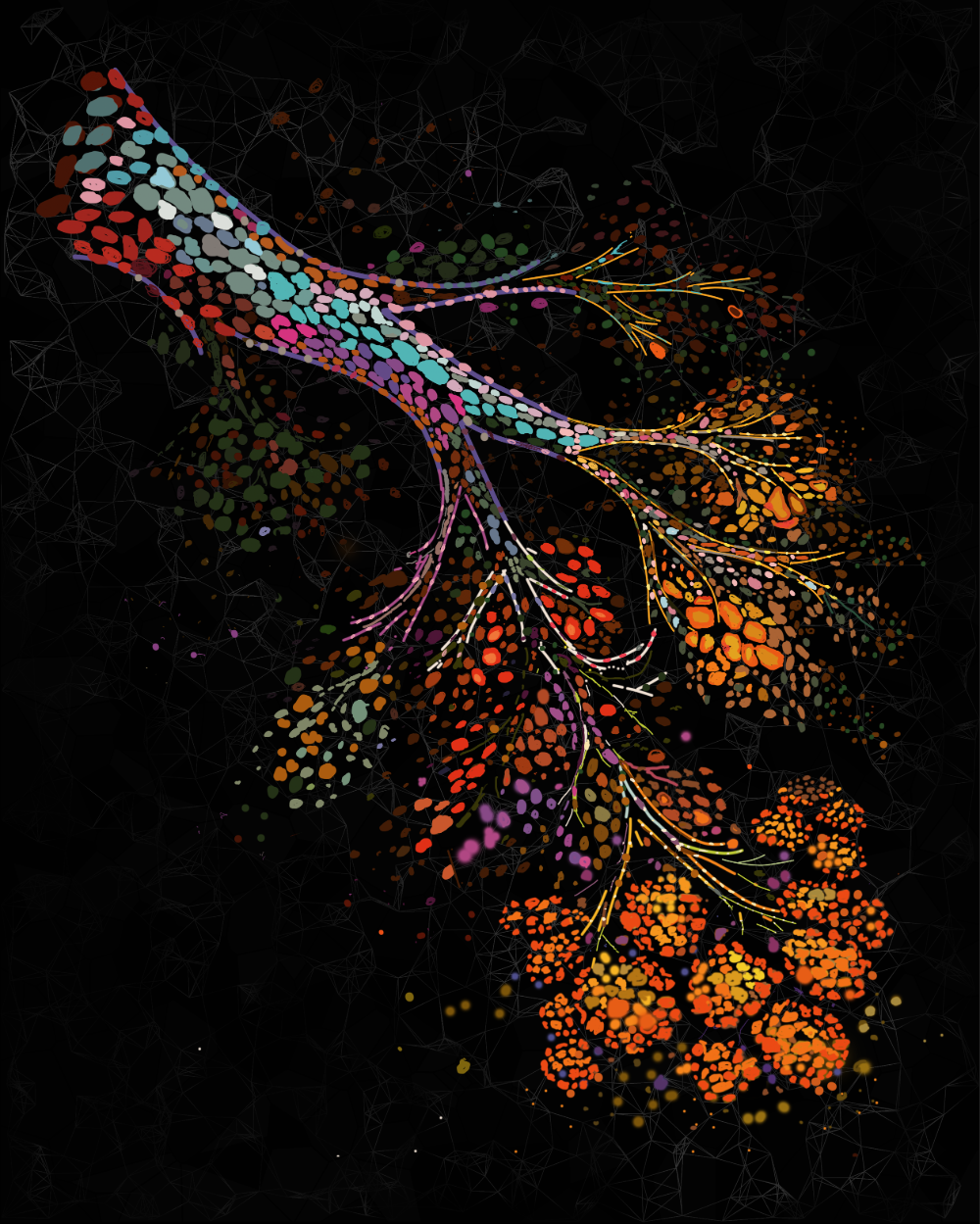
Most detailed map of breast tissue changes reveals role of menopause in cancer susceptibility
31st March 2026
Scientists have created the most detailed map to date, comprising over 3 million cells, showing how breast tissue changes as women age – including dramatic changes during menopause.
Find out more -
Hannon Group joins global team to decode cancer’s dark proteome
4th March 2026
Prof Greg Hannon and his group joins global Cancer Grand Challenges team taking on the dark proteome challenge.
Find out more