Author: Branwen Brockley
-
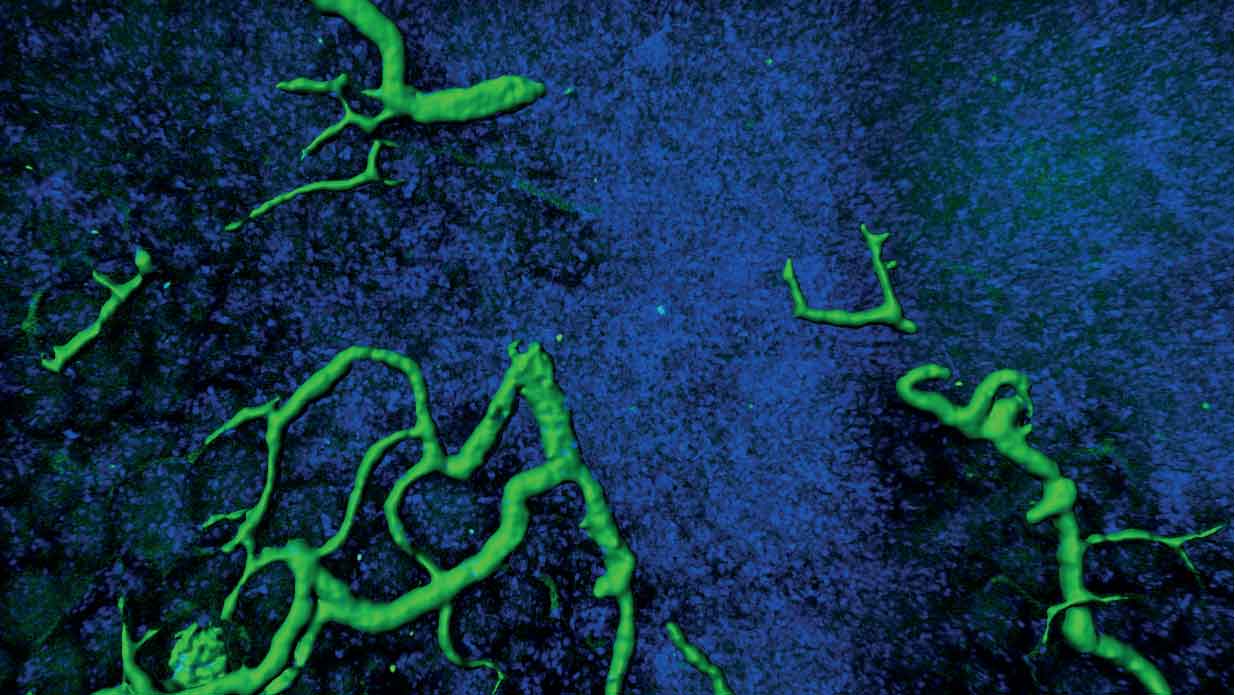
Breakthrough in understanding of how cancer spreads could lead to better treatments
The Gilbertson Group have discovered that cancer cells ‘hijack’ a process used by healthy cells to spread around the body.
Find out more -

Can epigenetics prime evolution? – Dr Sito Torres-Garcia receives prestigious fellowship
Dr. Sito Torres-Garcia from our Hannon Group has been selected for The Branco Weiss Fellowship.
Find out more -

Professor Steve Jackson to join the Cancer Research UK Cambridge Institute
One of the world’s leading experts in DNA repair, Professor Steve Jackson, has accepted an appointment as a Senior Group Leader at the Cancer Research UK Cambridge Institute.
Find out more -
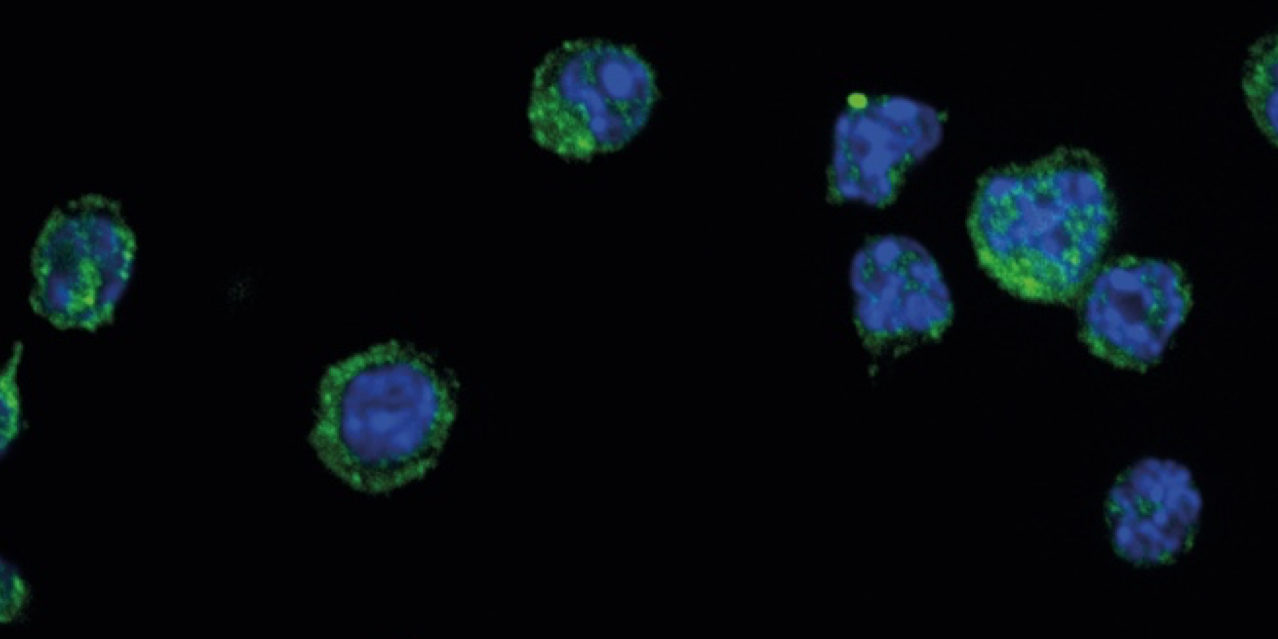
Ancient signalling pathway could provide treatment hope for Inflammatory Bowel Disease
An ancient signalling pathway, known as the Hedgehog pathway, plays a vital role in inflammatory bowel disease (IBD) and may be a druggable target for treatment, according to new research from the de la Roche group.
Find out more -

Richard Gilbertson elected to EMBO membership
Senior Group Leader, Professor Richard Gilbertson, has been elected a member of the European Molecular Biology Organisation (EMBO) in recognition of his high-quality life science research.
Find out more -
Joachim Hanna awarded Guts UK/ Dr Falk Prize
Joachim Hanna was awarded the Medical Student Prize for an essay describing his research project, which investigated the intestinal inflammation in Inflammatory Bowel Disease (IBD).
Find out more -

Cambridge cancer specialist to Race for Life
Institute researcher and oncologist, Dr Sara Lightowlers, is combining PhD study, looking after her two young children, and fitness as she prepares to take part in Cancer Research UK’s Race for Life.
Find out more -
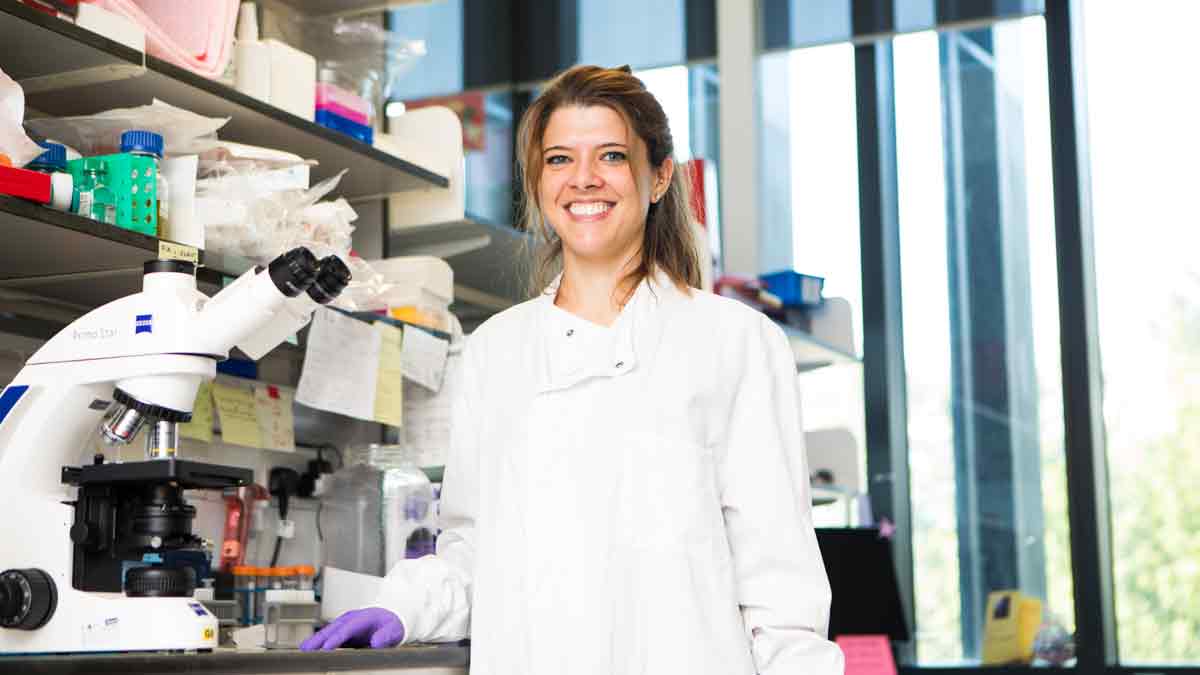
Cambridge researchers receive £4m from Cancer Grand Challenges to take on some of cancer’s toughest challenges
The team will investigate cancer cachexia – a debilitating wasting condition people often experience in the later stages of their cancer that imparts a poor prognosis and quality of life – seeking to develop novel therapies.
Find out more -

Tumour ‘signatures’ could allow scientists to provide more accurate treatment for deadliest cancers
Scientists have found a way to identify and interpret ‘signatures’ that reveal the complex genetic causes of some of the deadliest cancers – which often have a survival rate of less than 10%.
Find out more