Author: Branwen Brockley
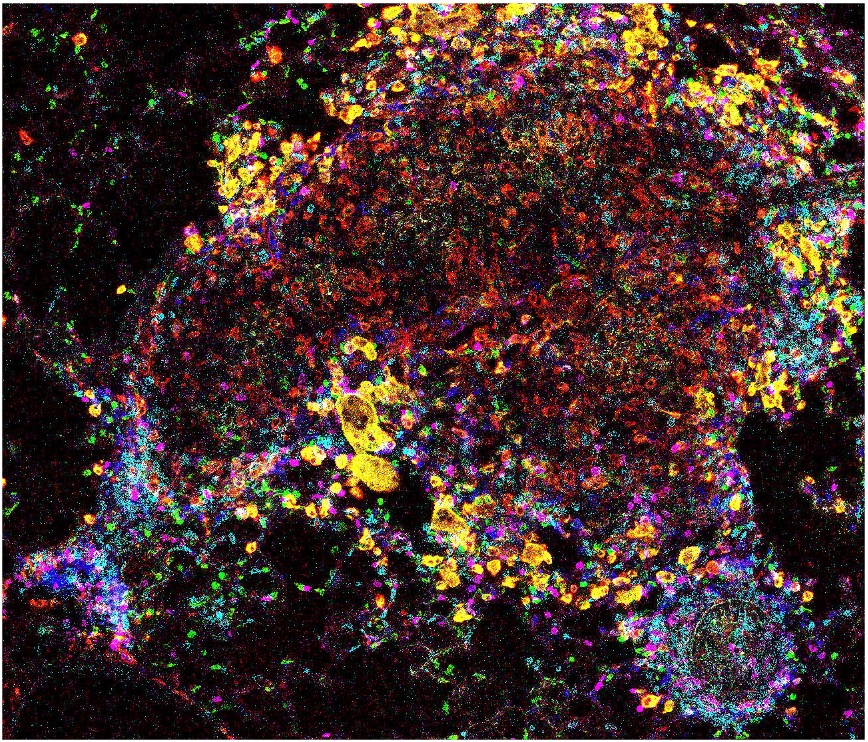
-
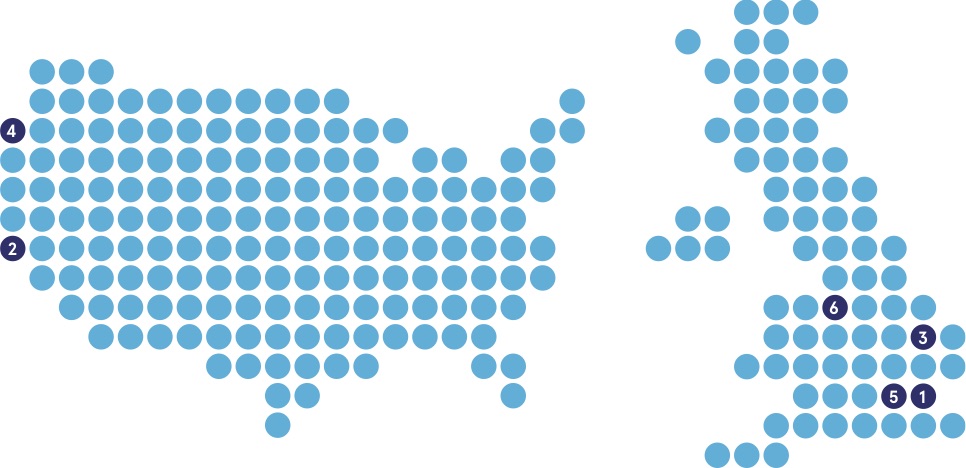
International alliance sets bold research ambition to detect the (almost) undetectable
A new transatlantic research alliance developing radical new strategies to detect cancer at its earliest stage.
Find out more -

UK-Japan collaboration to understand epigenomes and ageing
The Narita Group have been awarded £490,000 to study epigenomes and ageing from the UK Research and Innovation (UKRI) Fund for International Collaboration, in a joint call with the Japan Society for the Promotion of Science (JSPS).
-
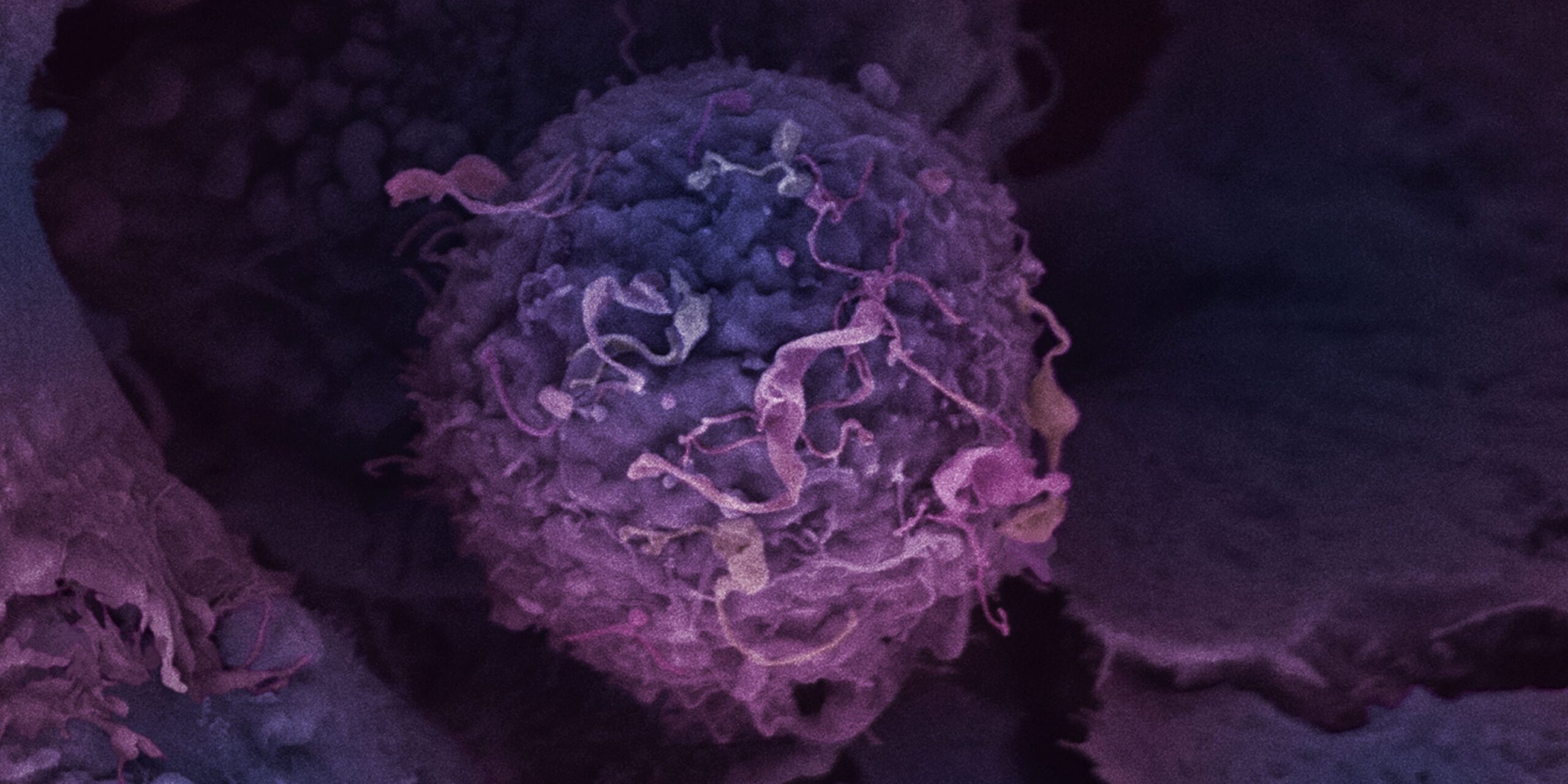
Highly sensitive blood test could improve breast cancer treatment
A new, highly sensitive blood test is one of the first to successfully monitor breast cancer patients with early stage disease.
Find out more -

Institute Group Leaders awarded promotions in the University
Two of our Senior Group Leaders, Jason Carroll and Masashi Narita, have been promoted to professors in this years’ round of Senior Academic Promotions.
Find out more -
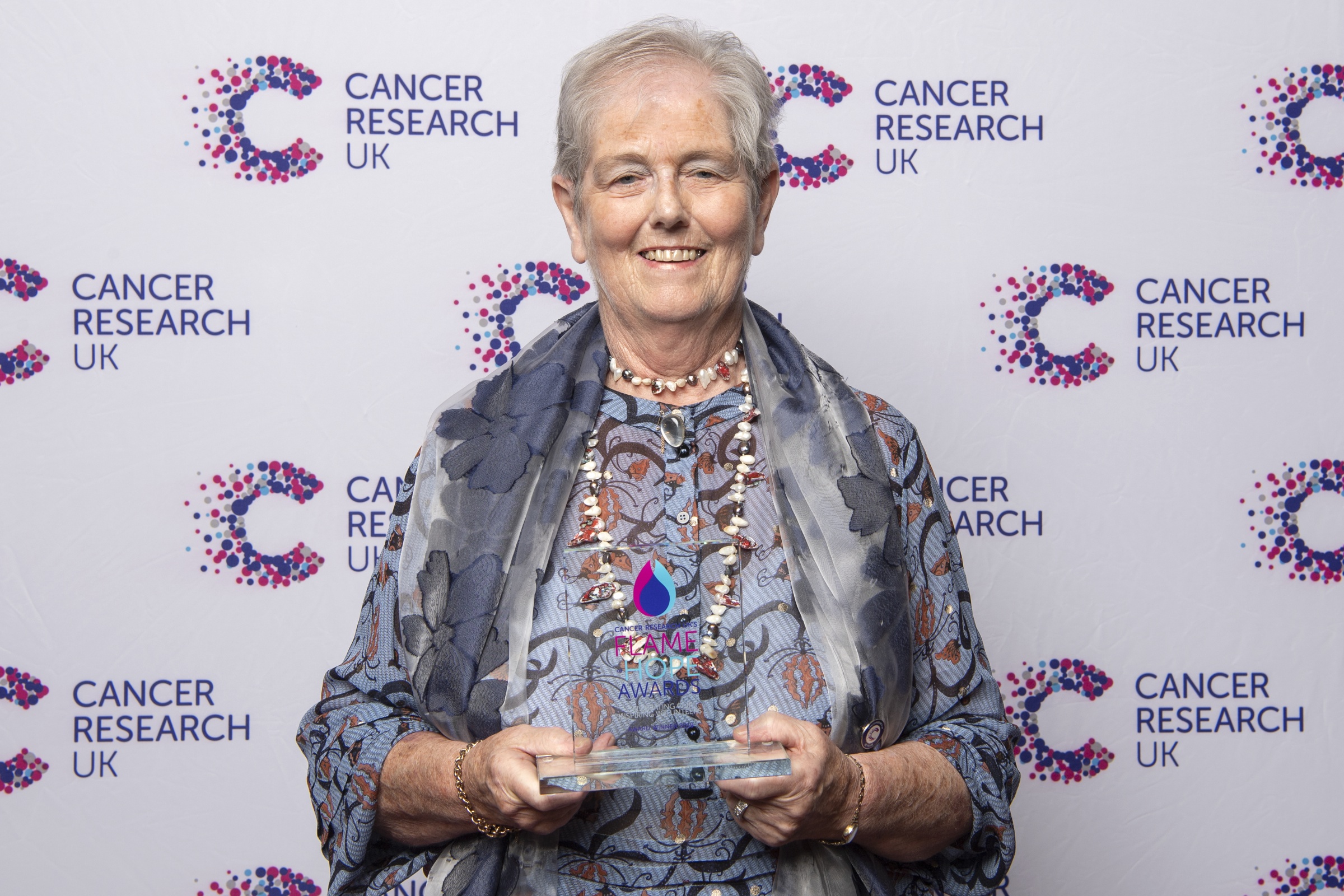
Fundraiser Annette Beeton’s dedication to charity earns national prize
Over the last 45 years, the Burghley Park and Peterborough Ladies society has raised over £1 million for the Cancer Research UK Cambridge Institute.
Find out more -
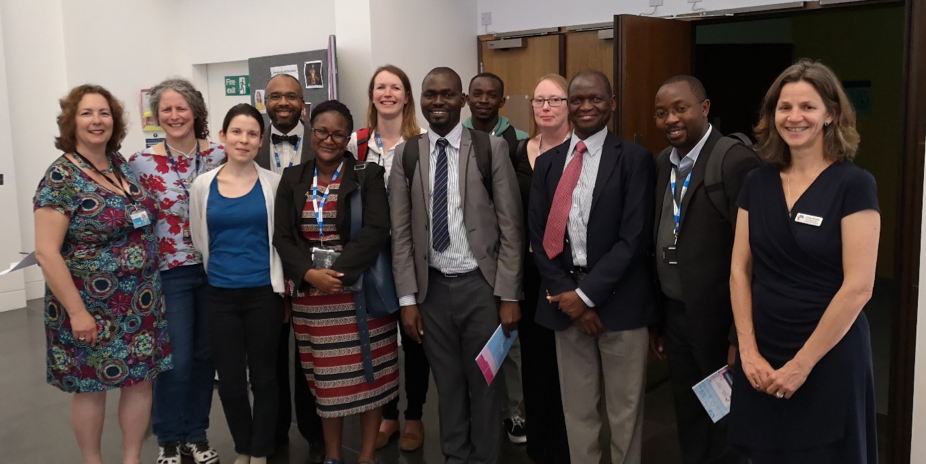
Strengthening links between Uganda and Cambridge in cancer research
A group of senior representatives from the Uganda Cancer Institute have visited Cambridge to strengthen collaborations and explore further opportunities for improving outcomes for cancer patients both in Uganda and in the UK.
Find out more -
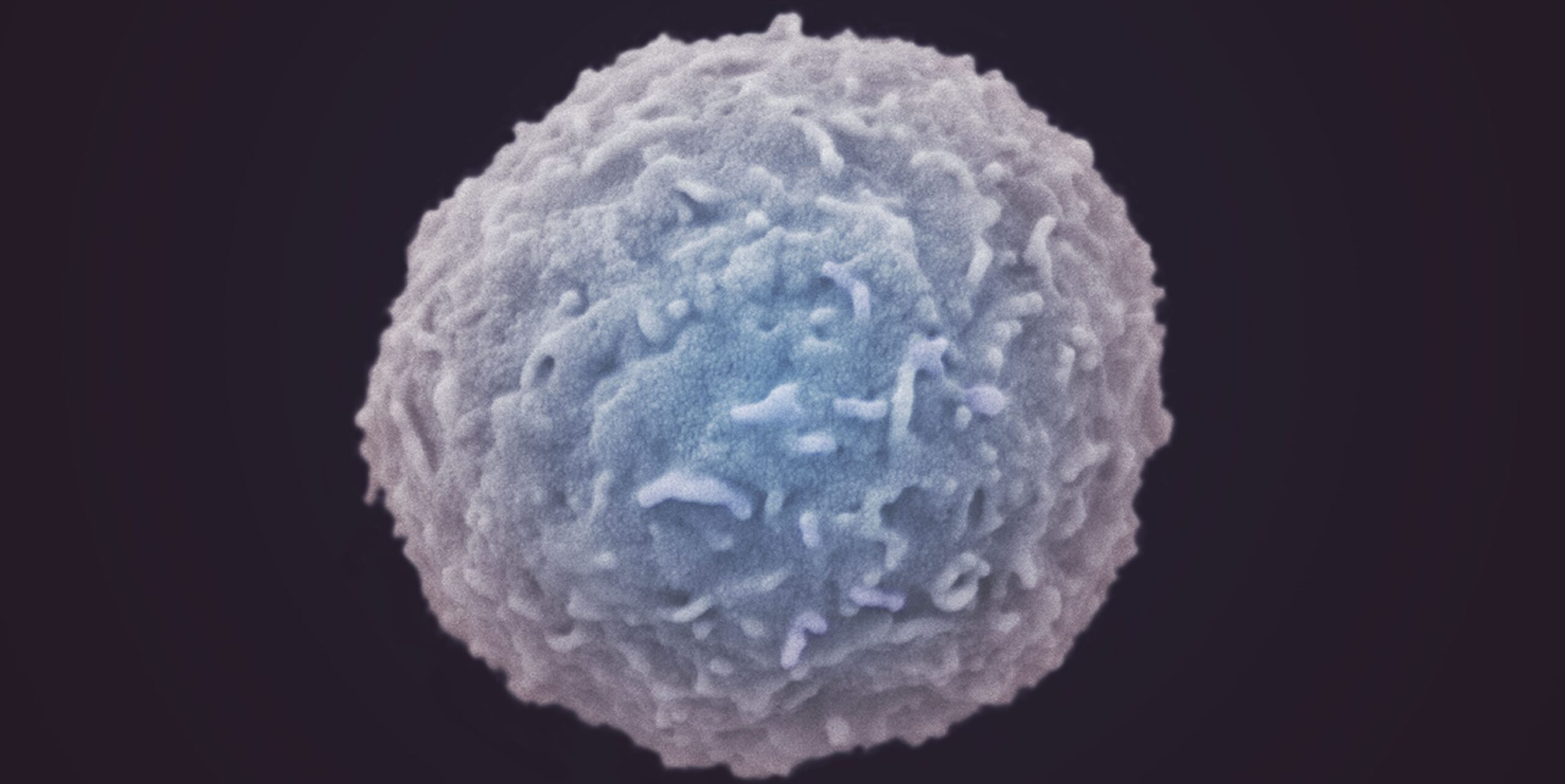
Ageing and the anti-tumour response
New research from the de la Roche, Odom, and Marioni groups, has identified a novel age-dependent immune cell mechanism that enhances tumour growth.
Find out more -

Gilbertson Group receive £5.8m to find new treatments for brain tumours in children
Researchers at the Institute are set to receive over £5.8 million from Cancer Research UK and The Brain Tumour Charity to find new ways to treat brain tumours in children.
Find out more -

Fanni Gergely elected to EMBO Membership
Dr Fanni Gergely, Senior Group Leader at the Institute, has been elected as a member of the European Molecular Biology Organisation (EMBO) in recognition of her high quality life science research.
Find out more