Author: Branwen Brockley
-
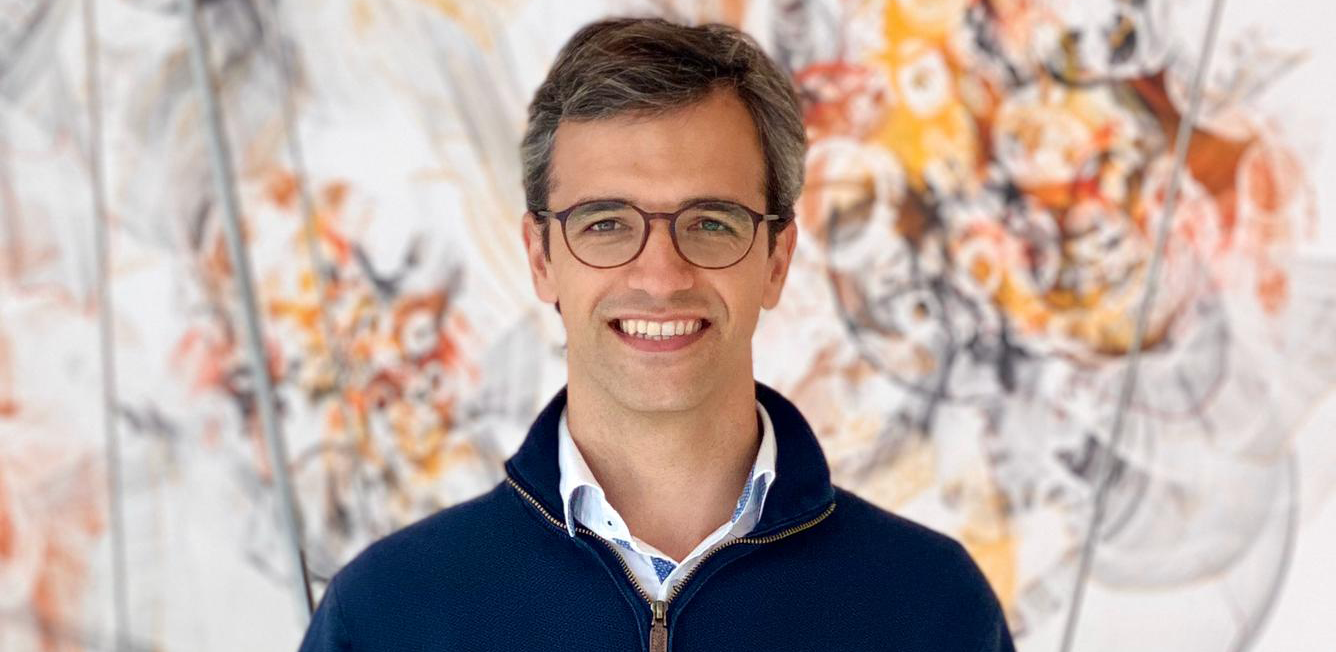
Dr Pau Creixell joins Institute as new Group Leader
Dr Pau Creixell has joined the Institute as a new Junior Group Leader, in partnership with the CRUK Cambridge Centre and Children’s Brain Tumour Centre of Excellence.
Find out more -
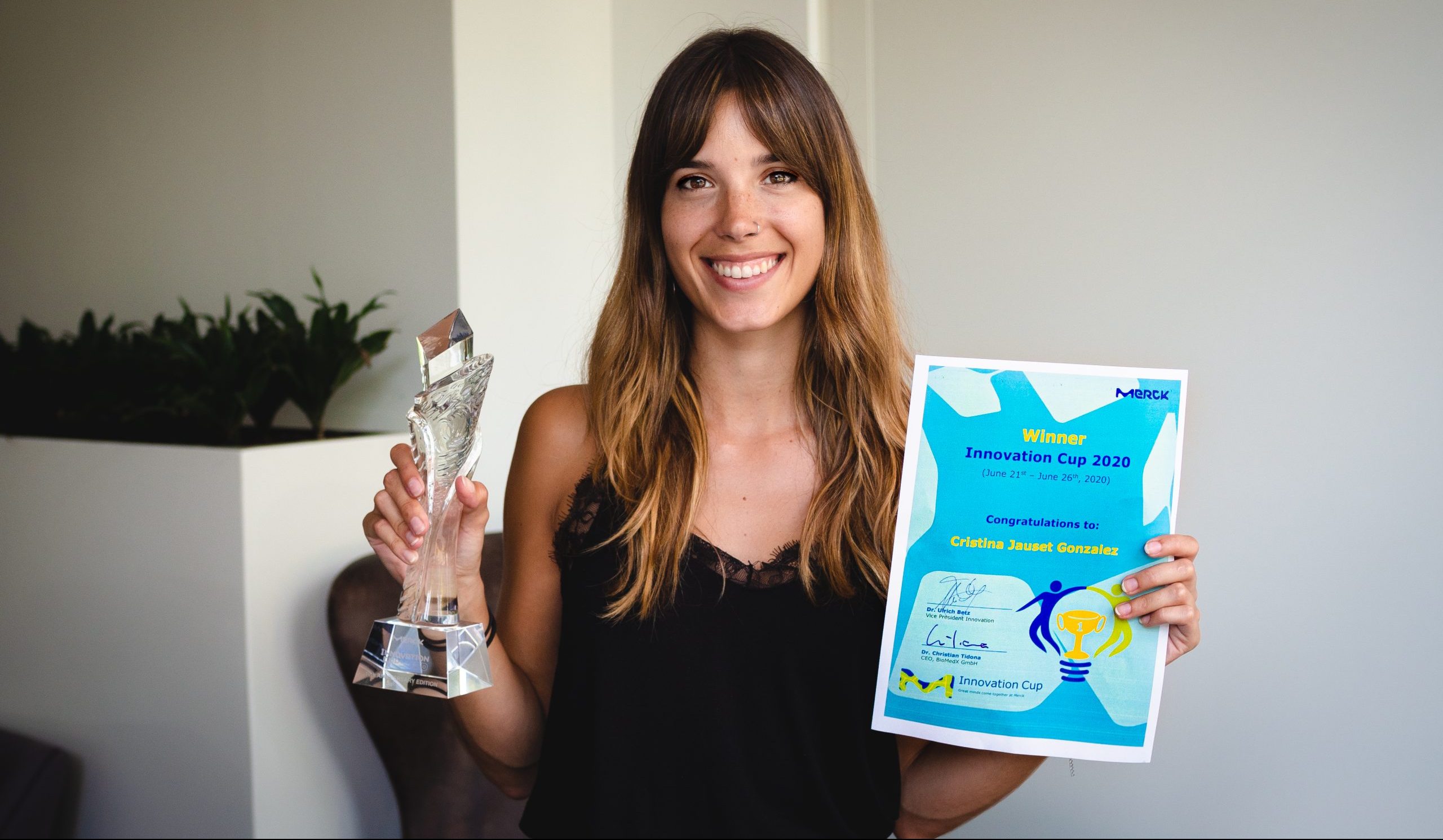
PhD student Cristina Jauset Gonzalez wins Merck Innovation Cup 2020
Cristina Jauset Gonzalez, has won the Merck Innovation Cup 2020, working in an international team of researchers to create a novel drug discovery platform to aid the development of treatments for cancer and other diseases.
Find out more -
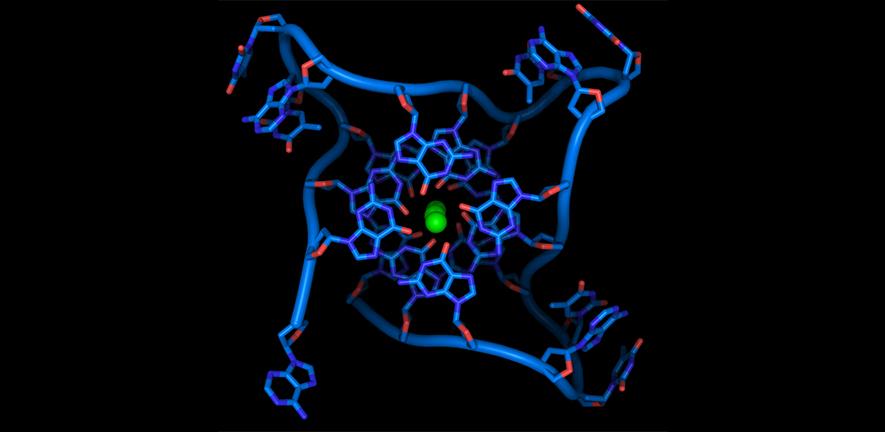
Four-stranded DNA structures found to play role in breast cancer
Four stranded DNA structures – known as G-quadruplexes – have been shown to play a role in certain types of breast cancer for the first time.
Find out more -
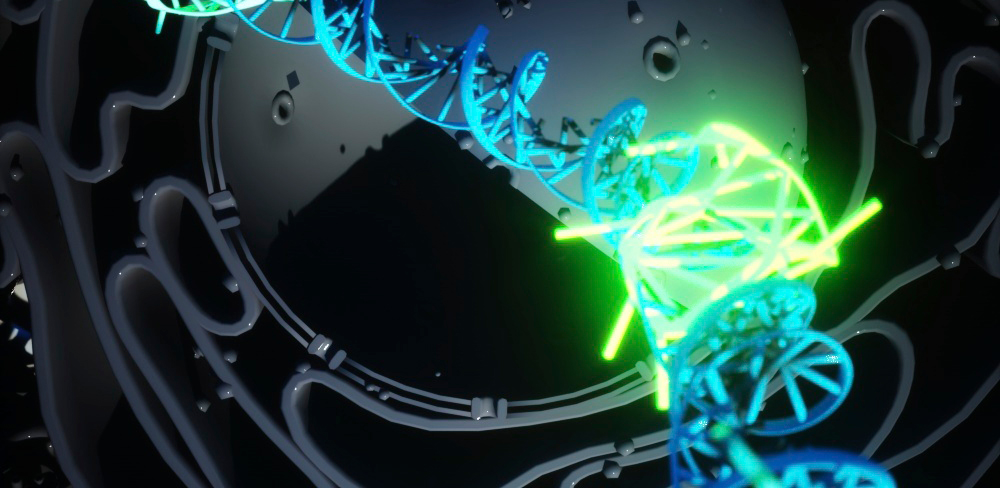
Formation of quadruple helix DNA tracked in live human cells for the first time
The formation of four-stranded DNA has been tracked in living human cells, allowing scientists to see how it works, and its possible role in cancer.
Find out more -

Institute Group Leaders awarded promotions by the University
We are delighted to announce that several of our Group Leaders have been promoted in the University of Cambridge Senior Academic Promotions.
Find out more -
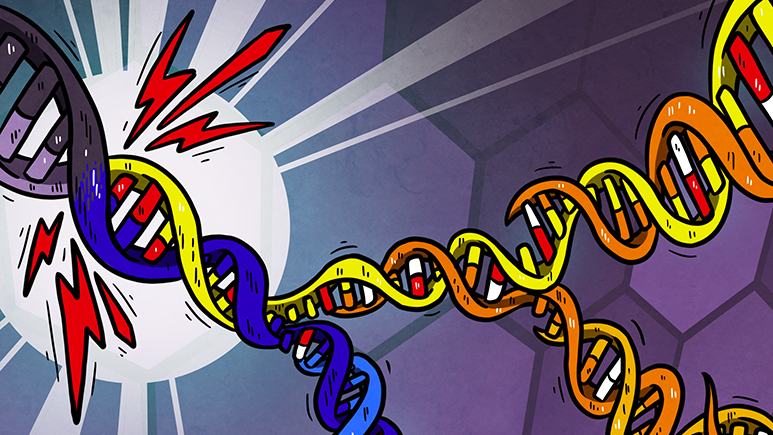
Cancer study shows how chemicals cause complex cell mutations
A new study from the Odom Group provides fresh insights into why some harmful substances are so efficient at causing cancer, and could aid the quest for better treatments.
Find out more -
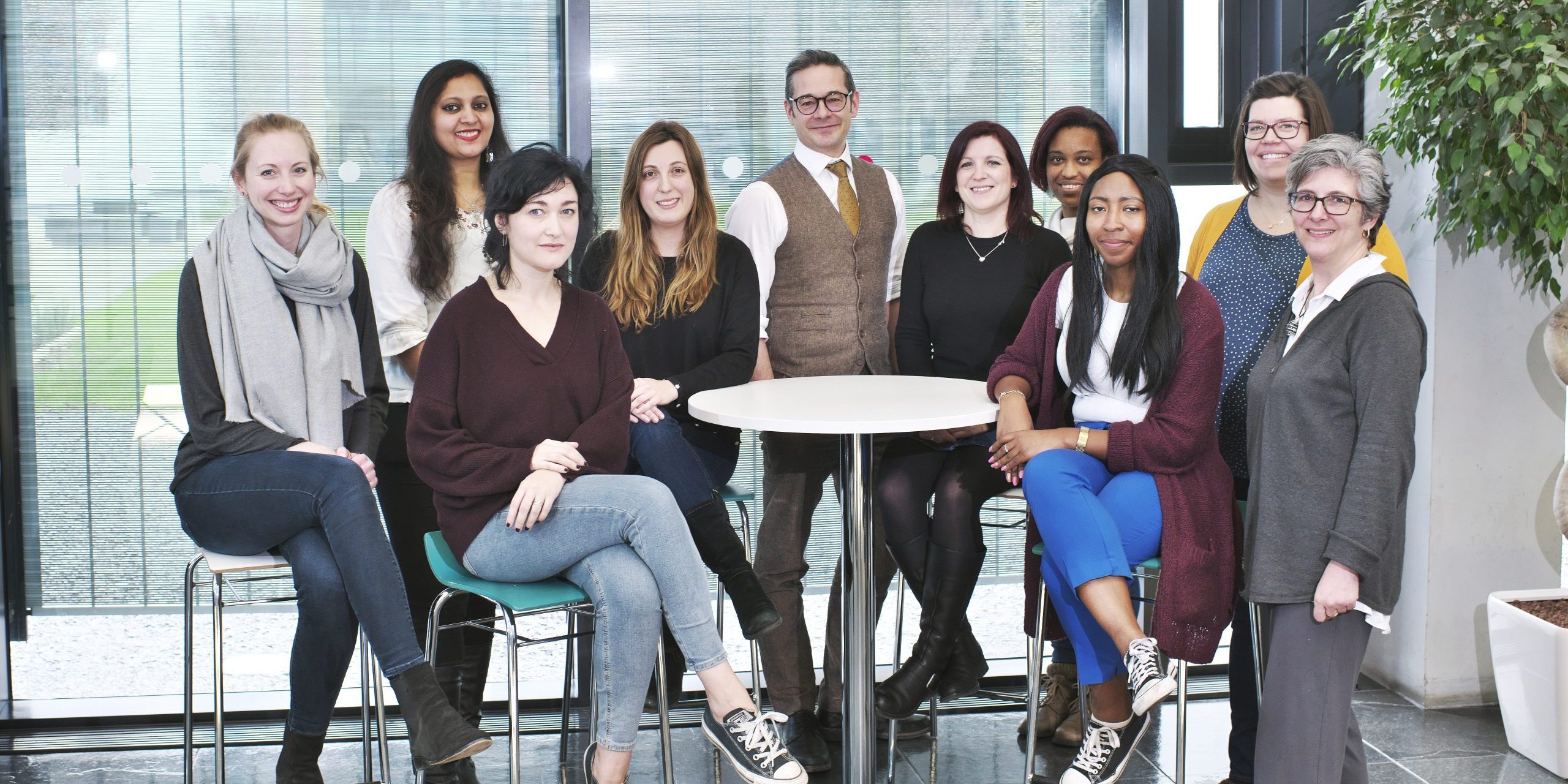
New insights into the formation of medulloblastoma
Research from our Gilbertson Group provides new insights into the formation of the most common type of malignant brain tumour in children.
Find out more -
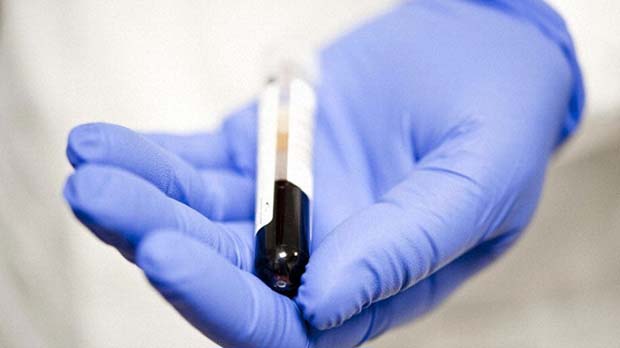
New blood test to monitor cancer up to ten times more sensitive than current methods
A new method of analysing cancer patients’ blood for evidence of the disease could be up to ten times more sensitive than previous methods.
Find out more -
Uncovering the immunogenic effect of chemotherapy
New research uncovers the potential benefit of neoadjuvant chemotherapy to increase the level of specific immune cells in and around tumour sites of people with high-grade serous ovarian cancer (HGSOC).
Find out more