Academy students pitch scientific solutions to the Institute
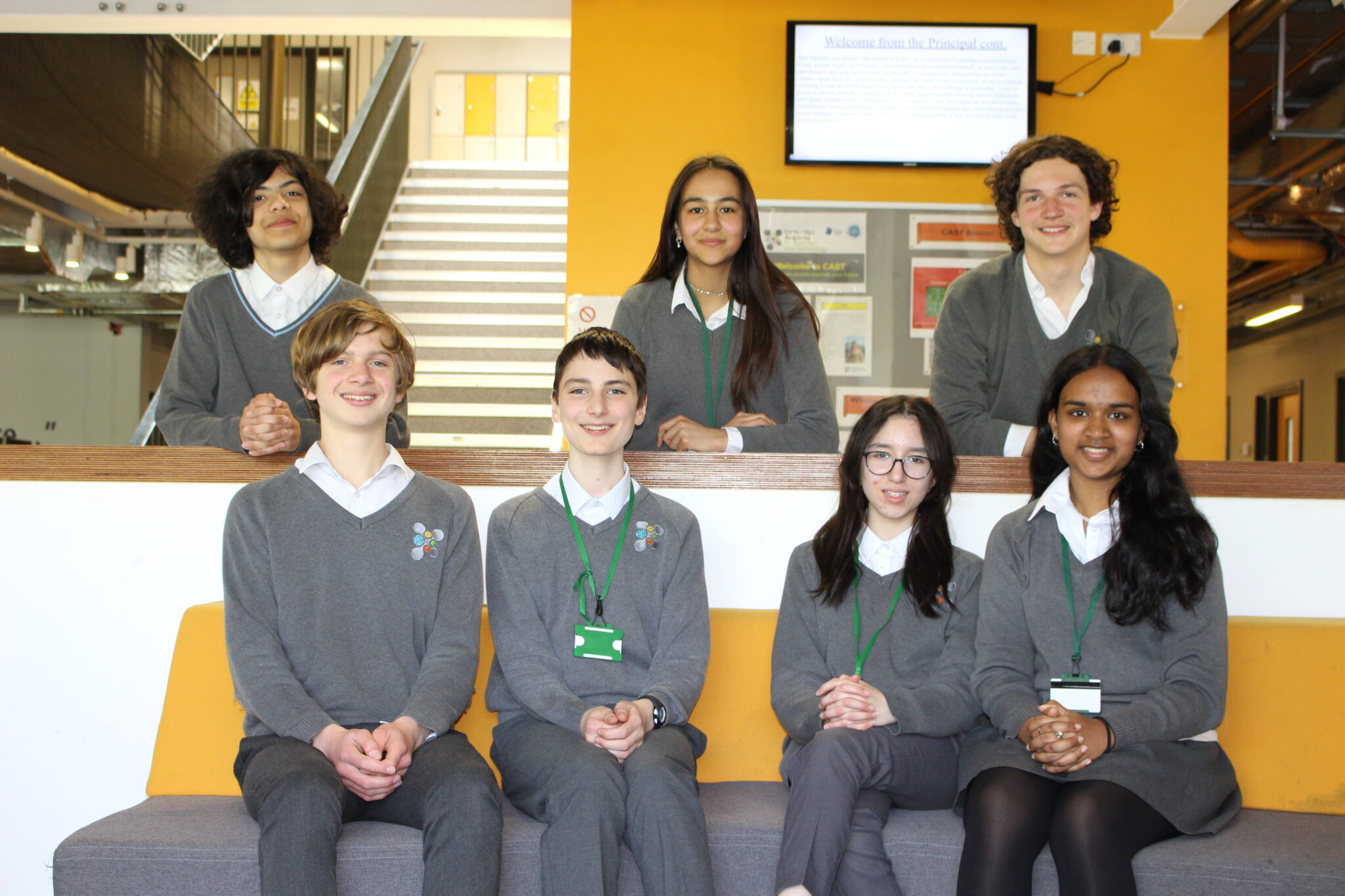
Students from Cambridge Academy for Science and Technology (CAST) pitched enrichment activities for research mice, which they have designed and built, to a panel of experts from the Cancer Research UK Cambridge Institute and local partners.
This “Dragons Den” day marked the culmination of a long-term programme of activities organised in partnership between CAST and CRUK Cambridge Institute, enabling Year 10 students to explore meaningfully the work of a Biological Research Unit and the essential role of research involving animals in research to beat cancer.
Whilst the majority of research supported by Cancer Research UK doesn’t involve animals, when there is no alternative it is sometimes essential for us to understand, prevent and cure cancer.
Student teams were challenged to develop an enrichment activity suitable for mice housed at CRUK Cambridge Institute and present their idea, backed by scientifically rigorous evidence, to the judges. Students learned about the role of environmental enrichment in improving animal welfare, supporting the mice to display natural behaviours and increasing their wellbeing. It is essential to closely monitor animal stress as heightened levels of stress hormones can impact medical data.
Competition entries ranged from slow-release rollable feeding stations to 3D-printed lily pads. The extremely high standard of entries meant that two teams were ultimately named as joint winners.
The students in the first winning team were Sel Huseyin, Jack Connell, William Astley, Hana Bouchekhima and Negina Sorkhabi. Their pitch, including a fully costed business plan, was for a product called the “Müshaus”, which was designed to stimulate natural behaviours in mice including nest-building and climbing.
The students in the second winning team were Niharika Nudurumati and Dylan Fairclough. These young people pitched a castle enrichment activity for zebra fish, designed in a transparent blue plastic to enable the fish to shelter and explore whilst remaining observable.
Danielle Pacey, Principal at Cambridge Academy of Science and Technology said: “Our students benefit enormously from opportunities to apply and expand their learning in practical scientific settings. The challenge set by the CRUK Cambridge Institute has been a great way for our young people to strengthen their independent thinking and improve their understanding of cancer research. Importantly, it has also given them first-hand insight into the breadth of careers available to them in this area, tying into ongoing conversations we have with all our students about their future career aspirations”.
To support their work, students participated in a series of workshops coordinated by Tony Davidge, Deputy Head of the Biological Research Unit at the CRUK Cambridge Institute. The workshops were delivered over five months by CRUK Cambridge Institute staff alongside other University of Cambridge research facilities and industry partners. Students learned in tandem about pioneering cancer research at CRUK Cambridge Institute and the UK’s strict animal welfare legislation, which governs how research involving animals can be undertaken.
Tony Davidge, Deputy Head of the Biological Research Unit said: “Our team welcomes the opportunity to share more about what we do and we have been so impressed by the maturity, interest and enthusiasm with which the students from Cambridge Academy of Science and Technology have approached the challenge”.
Students were also offered the opportunity to visit the Biological Resource Unit, or to take a virtual tour, allowing them to see first-hand where their enrichment activities would be used as well as helping them to refine their final plans and gain a fuller understanding of research involving animals.
The programme also facilitated open discussion between CRUK Cambridge Institute staff and CAST students to support the young people to explore their own personal ethics around the use of animals in society including the topics of pets, meat consumption and research. Accordingly, students were introduced to the concept of the ‘3 Rs’ framework that underpins legislation regarding animal research – reduction, replacement and refinement – to help them to independently evaluate experimental practice and understand the decision making that goes into designing and undertaking work in this area.
“The challenge set has been a great way for our young people to strengthen their independent thinking and improve their understanding of cancer research. Importantly, it has also given them first-hand insight into the breadth of careers available to them in this area, tying into ongoing conversations we have with all our students about their future career aspirations”
Danielle Pacey, Principal at Cambridge Academy of Science and Technology
Related News
See all news-

In Memoriam: Professor Greg Hannon (1964–2026)
9th April 2026
It is with profound sadness that we share the news of the passing of Professor Greg Hannon, who led the Cancer Research UK Cambridge Institute for over eight years.
Find out more -
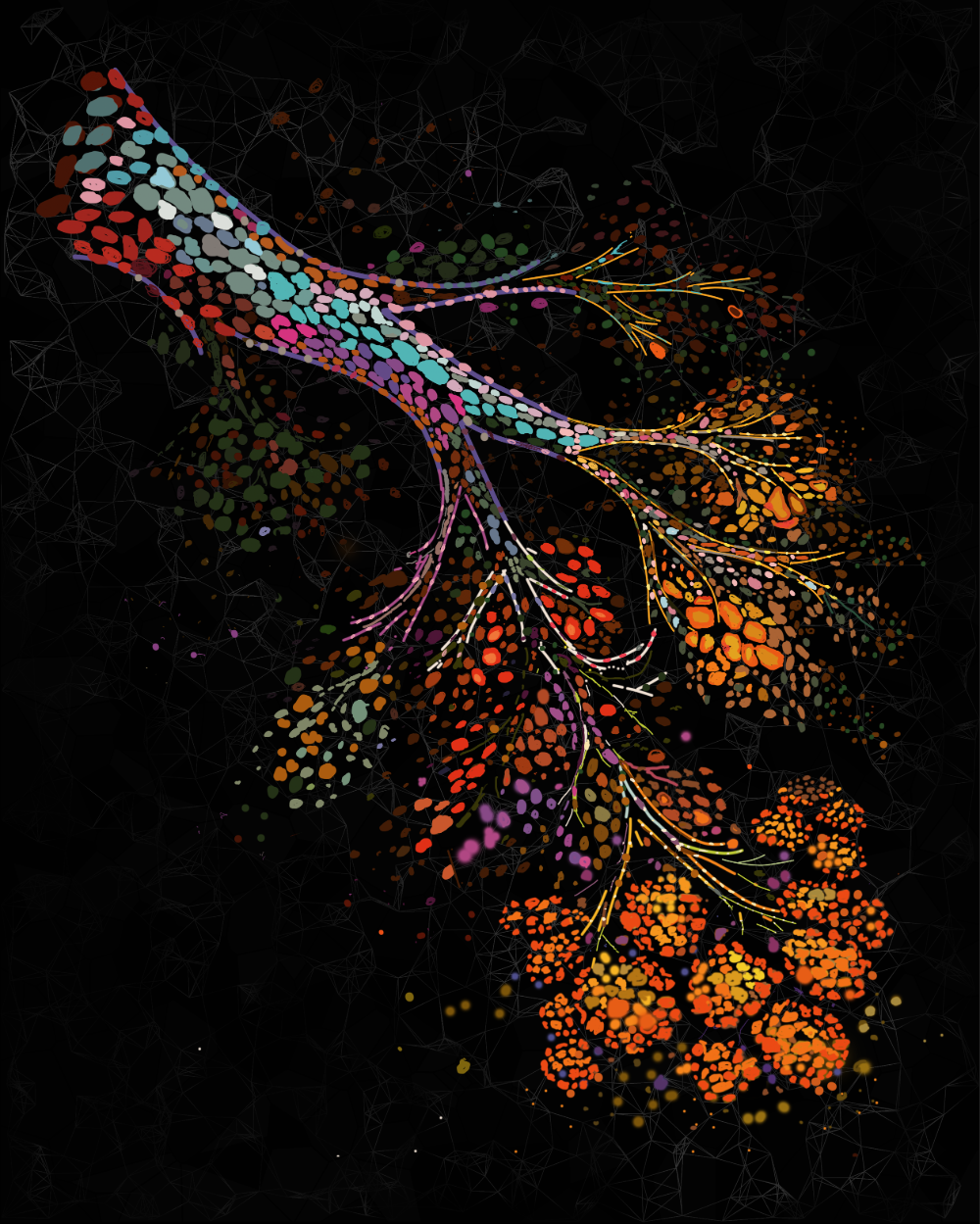
Most detailed map of breast tissue changes reveals role of menopause in cancer susceptibility
31st March 2026
Scientists have created the most detailed map to date, comprising over 3 million cells, showing how breast tissue changes as women age – including dramatic changes during menopause.
Find out more -
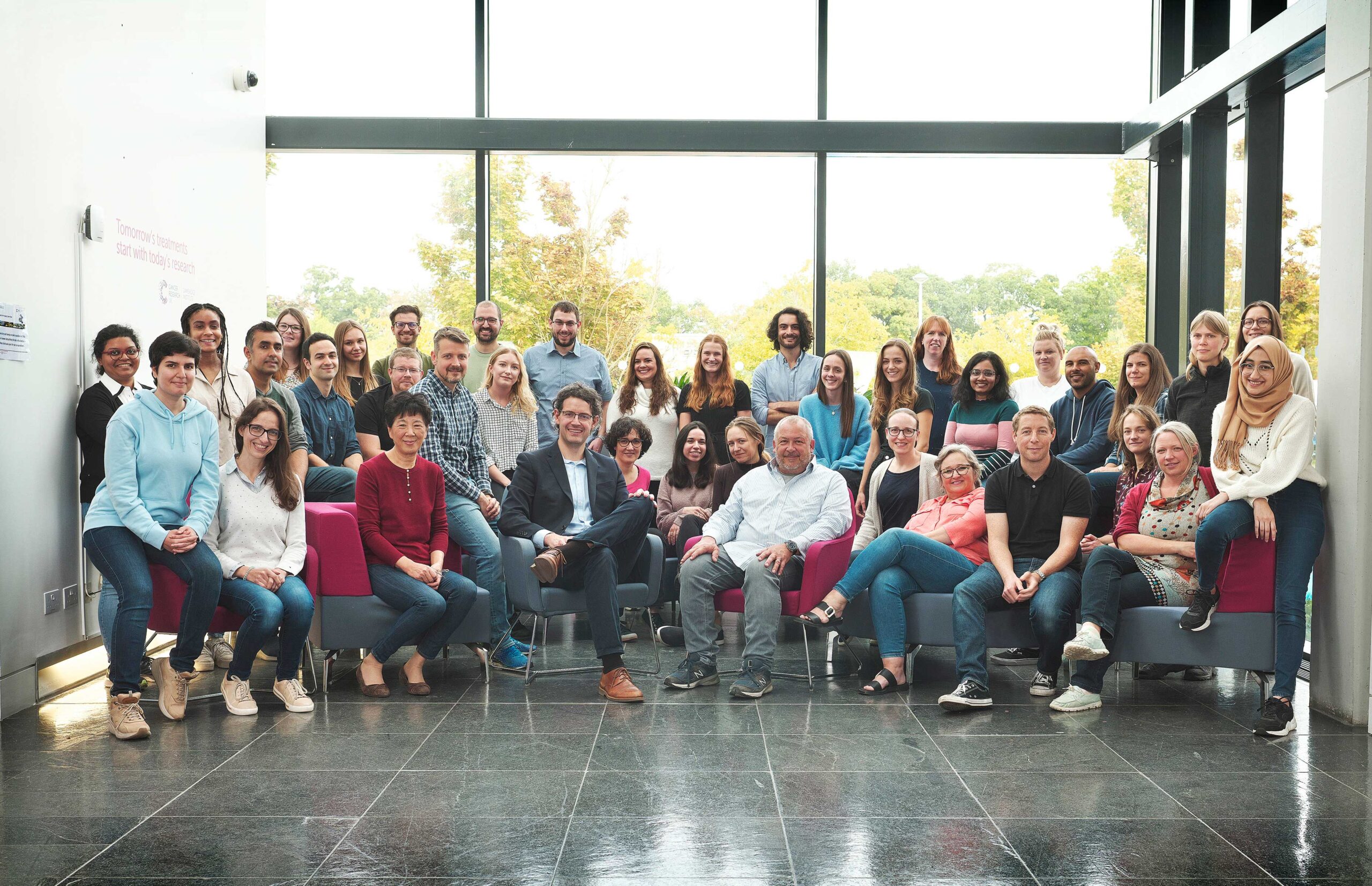
Hannon Group joins global team to decode cancer’s dark proteome
4th March 2026
Prof Greg Hannon and his group joins global Cancer Grand Challenges team taking on the dark proteome challenge.
Find out more