A decade of research at the Institute
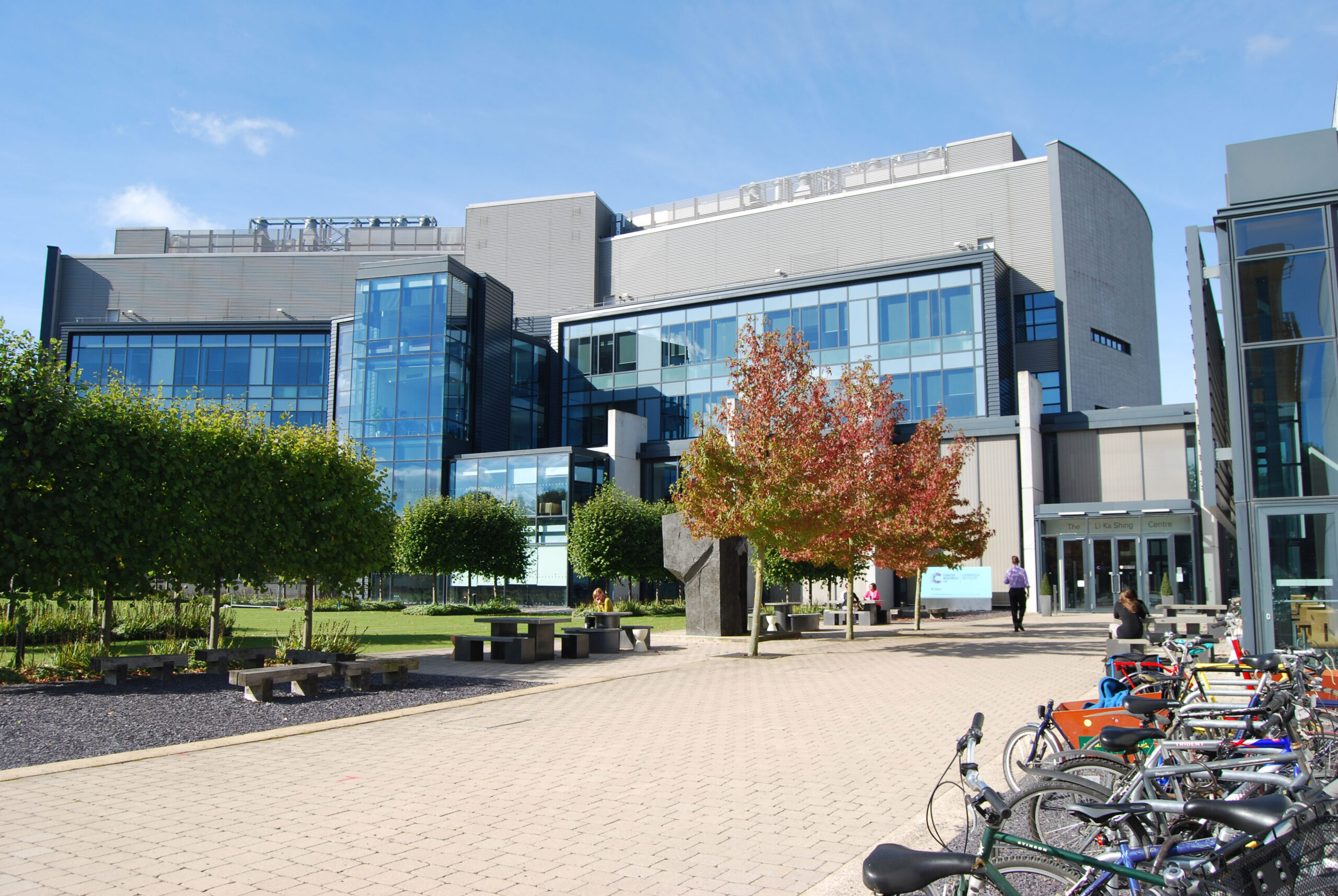
The Cancer Research UK Cambridge Institute celebrated our tenth birthday on Thursday 2 February 2017.
And to mark the big day, we’re taking a look back at its history, including some of the fantastic research that the institute has produced.
In the beginning
The institute was built through a partnership between Cancer Research UK and the University of Cambridge, along with extra funding from Sir Ka-shing Li, a Chinese investor. Its first director was Professor Sir Bruce Ponder and Professor Fiona Watt was deputy director.
The building cost around £45 million, took 5 years to plan and 3 years to build. The aim was to be a link between high-quality lab research and the neighbouring wards of Addenbrooke’s Hospital. The Institute was officially opened by HRH The Queen on Friday 2 February 2006.
Dr Stefanie Reichelt, who heads up the light microscopy facility at the institute and was its first official employee, recalls the empty rooms from her first visit: “There were concrete walls and there was nothing in the labs then. I had to start from scratch, build up a team and find the right equipment for the research in our lab.”
But beyond the cutting-edge research, it has been visits to labs from those affected by cancer that have stuck with Stefanie over the years
“It gives us a purpose and reminds us why we’re doing this,” she says. “The purpose is not just to create more knowledge, it’s to find cures for cancers.”
From the lab
Some of the biggest discoveries that have come out of the institute emerged from the METABRIC study, led by Professor Carlos Caldas. Using samples from thousands of breast cancers, the researchers looked for molecular patterns and differences between tumours that give clues about how the cancer started or how it might be treated.
The landmark finding has been that breast cancer can actually be divided up into 10 different diseases, which could have important implications for how they are treated in the future.
Another area the institute has pioneered is using blood tests to get important information about cancer. These tests – known as liquid biopsies – are showing great promise and could one day be used to diagnose and give information about the unique molecular profile of a person’s cancer.
This can direct choice of treatment, and also tell patients and doctors how well that treatment is working. Generally these aren’t quite ready for clinics just yet, but the hope is that they’ll make the process of tracking cancer a lot easier in future.
Check out our video below to see how they work.
To the clinic
High tech kit that reveals cancer in more detail using various cameras, scans and microscopes is also being developed at the institute. These imaging methods have the potential to detect the earliest signs of some cancers, how aggressive a tumour might be or how well a treatment is working. These techniques have been pioneered by researchers such as Professor Kevin Brindle and Dr Sarah Bohndiek – one technique even uses vitamin C.
Improvements in imaging technology allow doctors a look inside a patient without resorting to invasive surgery and so are a very important part of how cancers are both diagnosed and treated.
While so much great work is going on at the institute, more and more research is about linking up different labs so that they can share their knowledge and expertise. We’ve been teaming up with labs from as far afield as Australia and Japan to keep making progress against cancer.
Some of our collaborations are even out of this world – researchers from the institute have been working with astronomers to improve our microscopes.
Our institute has some of the brightest minds in science and medicine
– Professor Simon Tavaré, director of the Cancer Research UK Cambridge Institute
As well as the international collaborations, another great strength of the institute are its links to nearby Addenbrooke’s Hospital and the University of Cambridge teaching hospitals. This means that patients can be put right at the heart of what the researchers in the lab are doing, and the researchers in turn have a direct route to the clinic so that they can see if their theories hold true in the only setting that truly matters.
That’s why the institute has started 20 clinical trials and has been involved in at least 20 others, including one that’s looking to treat cancers that have spread and another that is testing whether one of the scanning technologies developed in the institute’s labs can help doctors see if a treatment is working within a day or two.
Right Now, then what?
In 2015 camera crews were given behind the scenes access and the institute was beamed into millions of homes as part of our ‘Right Now’ campaign. One of the institute’s scientists shared why research is so important to her.
Which brings us to now.
The institute has grown over the years and now houses 420 staff from 36 countries, with millions invested in research each year. Together they have published 1200 scientific papers and trained 142 postgraduate students – the next generation of researchers. They even hosted the International PhD Student Cancer Conference in 2016, bringing together cancer PhD students from institutes across Europe.
There has been a lot to celebrate over the last 10 years, says its director, Professor Simon Tavaré.
“Part of our success is our collaborative spirit,” he says. “Our institute has some of the brightest minds in science and medicine.”
But the focus is still very much on the problems that remain unanswered and, according to Tavaré, our supporters and volunteers are what keep the scientists on track.
“We have the support of many incredible volunteers and fundraisers,” he says.
“There is still much work to do in the fight against cancer and our research is only possible because of their fundraising efforts. As we approach this milestone and World Cancer Day, we are celebrating their efforts as well.”
Related News
See all news-
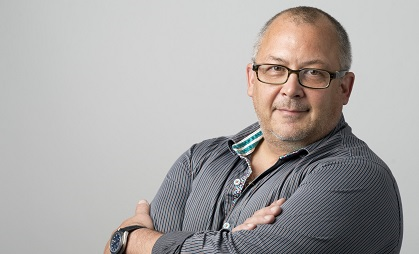
In Memoriam: Professor Greg Hannon (1964–2026)
9th April 2026
It is with profound sadness that we share the news of the passing of Professor Greg Hannon, who led the Cancer Research UK Cambridge Institute for over eight years.
Find out more -
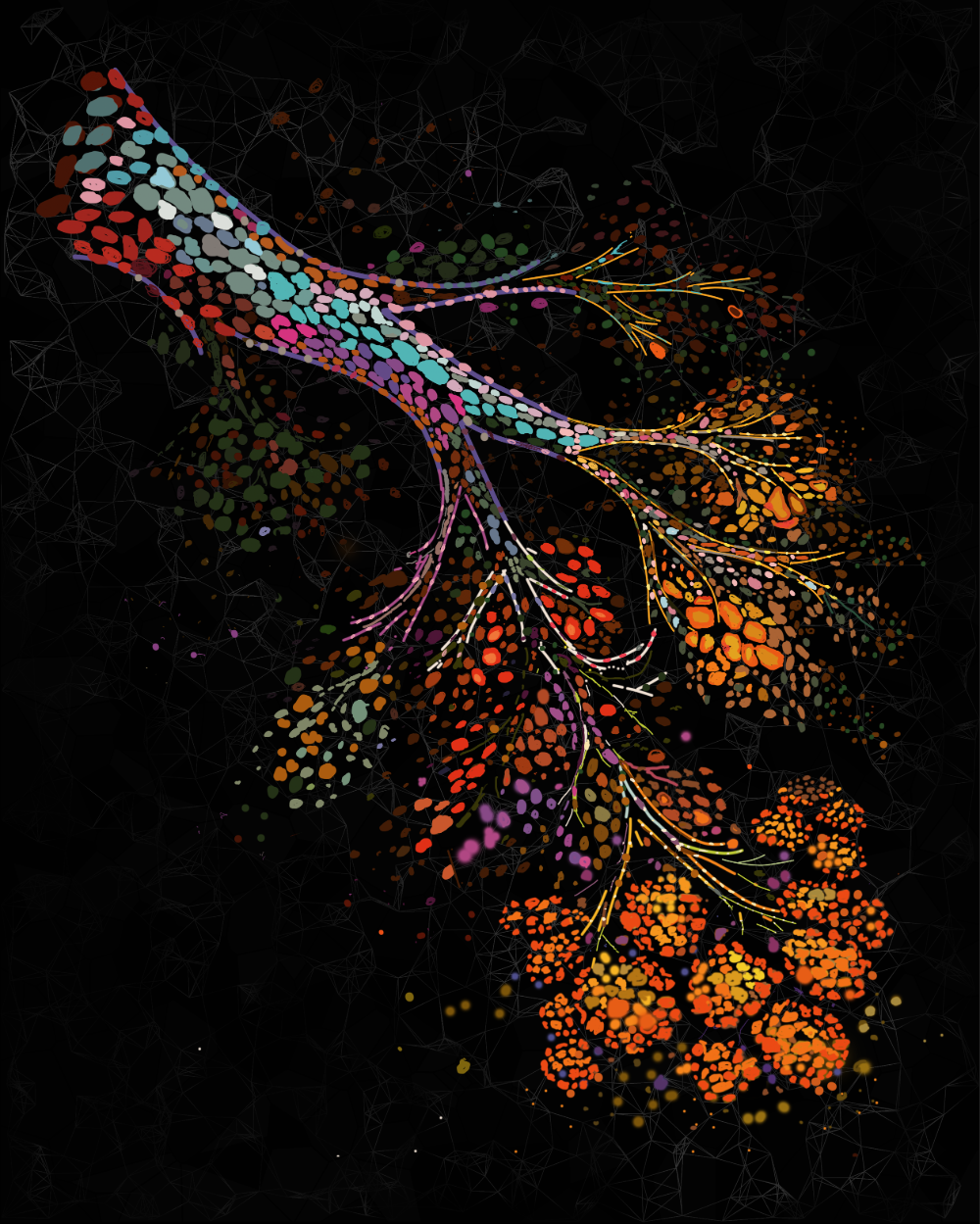
Most detailed map of breast tissue changes reveals role of menopause in cancer susceptibility
31st March 2026
Scientists have created the most detailed map to date, comprising over 3 million cells, showing how breast tissue changes as women age – including dramatic changes during menopause.
Find out more -
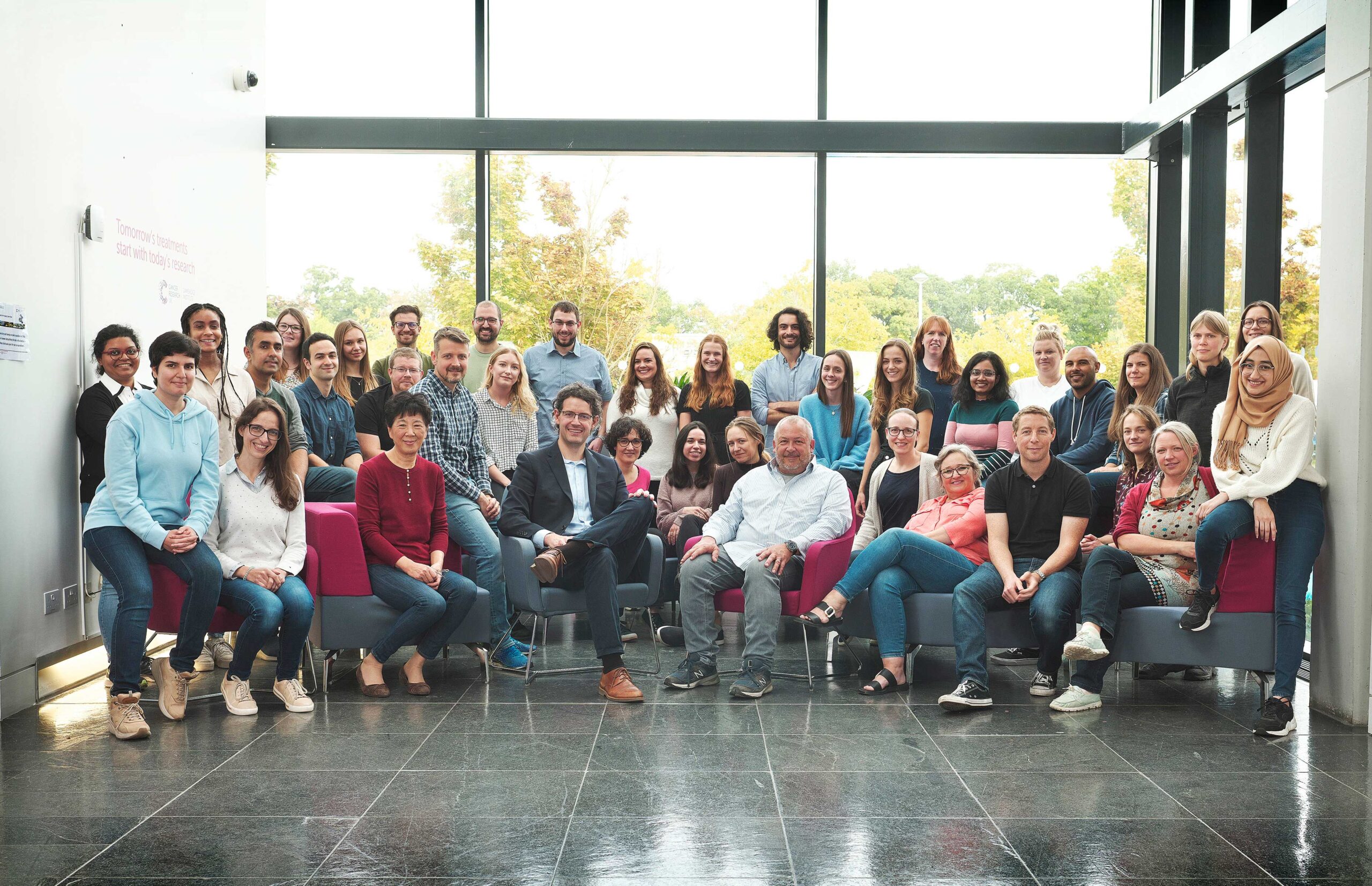
Hannon Group joins global team to decode cancer’s dark proteome
4th March 2026
Prof Greg Hannon and his group joins global Cancer Grand Challenges team taking on the dark proteome challenge.
Find out more