Summer Research Programme
Our nine-week research programme for ambitious students.
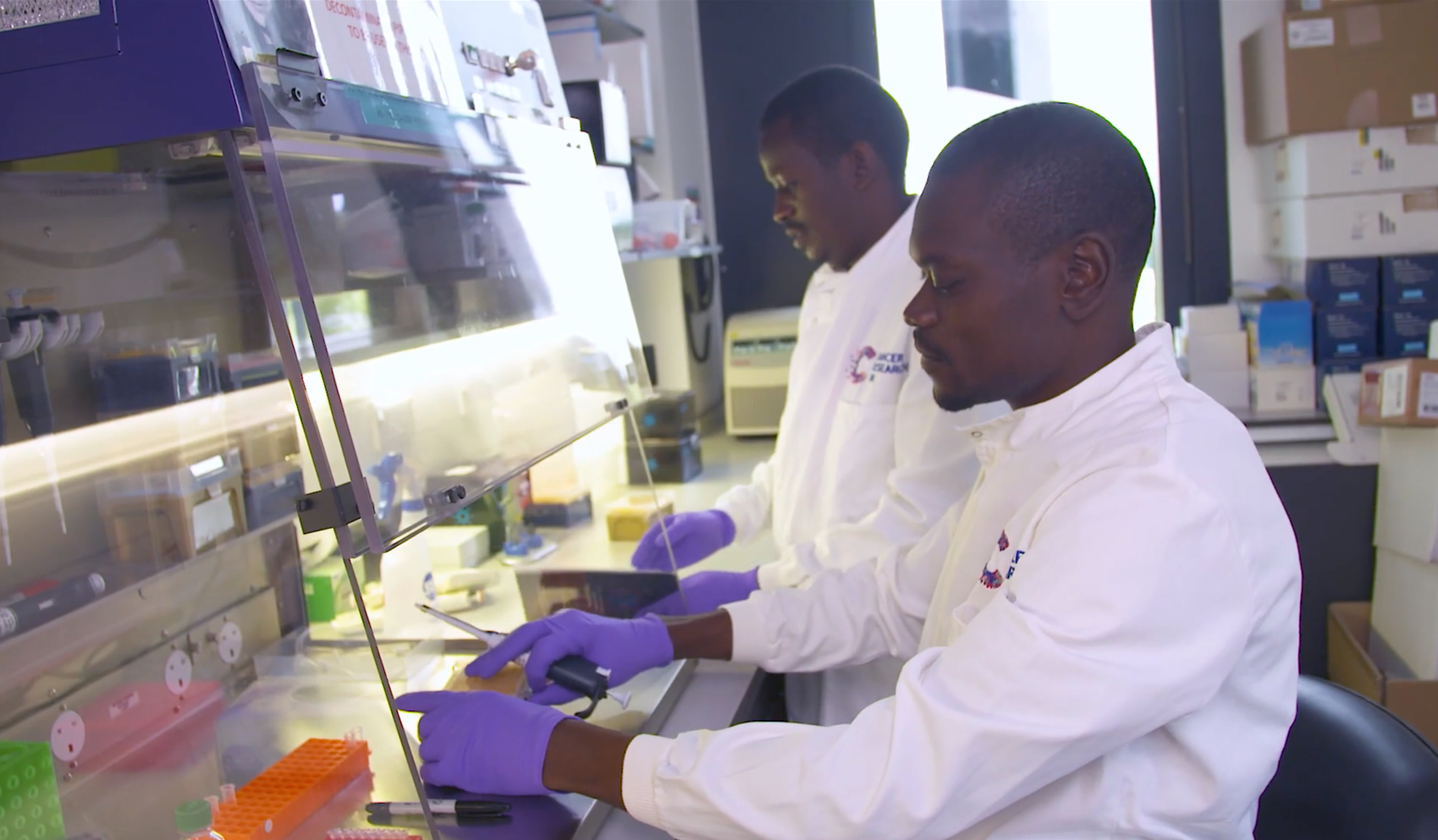
Our nine-week Summer Research Programme aims to inspire bright and ambitious students to start their careers in cancer research.
This opportunity is offered to students who are interested in pursuing PhD study after completing their current degree.
Each student will be embedded in one of our multidisciplinary research groups to work on their own project, with access to our state-of-the-art Core Facilities.
You will have the opportunity to develop your project together with your supervisor who will discuss potential projects as part of the interview process.
Students work under the supervision of a postdoctoral or PhD researcher and participate in lab meetings. You will have the opportunity to network with Group Leaders at weekly seminars and at the end of your study period, you will have the opportunity to write a brief scientific report on your research project and present your findings at the Summer Programme Symposium.
The Cancer Research UK Cambridge Institute Summer Research Programme will be held from Monday 6 July to Friday 4 September 2026.
All Summer Students will receive the equivalent of the Real Living Wage for the nine-week programme, and will be required to attend for 35 hours per week across five days. Single accommodation will be provided to participants free-of-charge at Corpus Christi College for the duration of the programme, including weekends.
It is expected that successful applicants will attend all nine weeks, so please ensure that you are available for the duration of the programme before applying. Accommodation will be available from Sunday 5th July 2026.
Standard Applications for the 2026 Summer Research Programme are now closed.
Applications for the 2026 Uganda Cancer Institute programme have now closed.
Standard Applications
Students can apply either through our standard process, or you can choose to be considered as part of our partnerships with the Uganda Cancer Institute. You can find out more about each on this page.
We are offering to reimburse the reasonable travel expenses of successful candidates, to and from Cambridge, upon production of the relevant receipts (to a maximum limit of £200), subject to terms and conditions.
Applicants must meet the following eligibility criteria:
- You must be a registered student at a UK Higher Education institute, studying on an undergraduate degree course.
- You should be engaged in a continuous period of study at the time of the Summer Research Programme (July-September 2026), for example:
- Year two of a three-year undergraduate course
- Year three of a four-year undergraduate course
- Year three of an integrated Master’s course (excluding pre-Master’s)
Note: This course is particularly suitable for students who are interested in progressing to a PhD in a related subject. We welcome applications from students intending to apply for PhD study commencing in the academic year 2027-28.
Standard Applications for the 2026 Summer Research Programme are now closed.
Uganda Cancer Institute Applications
- You must be a registered student at a recognised Ugandan Higher Education institute, studying on a degree course.
- You should be engaged in a continuous period of study at the time of the Summer Research Programme (July-September 2026), for example:
- Year two of a three-year undergraduate course
- Year three of a four-year undergraduate course
- Year three of an integrated Master’s course (excluding pre-Master’s)
- A current Master’s student completing your studies no earlier than October 2026
Note: this course is particularly suitable for students who are interested in progressing to a PhD in a related subject. We welcome applications from students intending to apply for PhD study commencing in the academic year 2027-28.
Applications for the 2026 Uganda Cancer Institute programme have now closed.
Student reflections
Former summer programme students share their thoughts about some of their favourite moments from their time at the Institute.
-
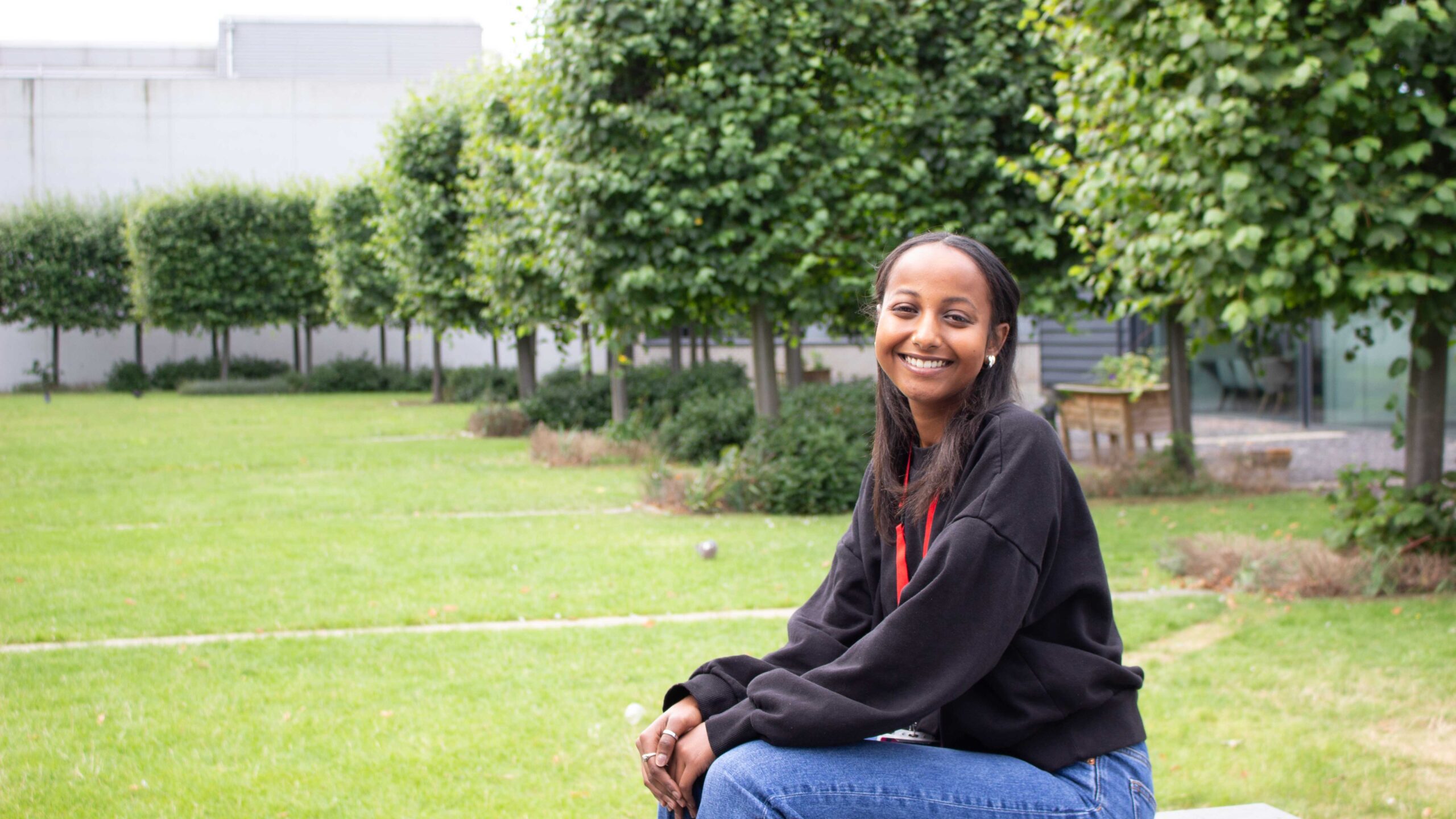
“My favourite parts of the programme have been the incredibly welcoming team and the inspiring individuals around me. Being in such a supportive environment has made me feel valued, and I’ve learned something unique from each team member.”
Shukri Muse, University of East Anglia
-
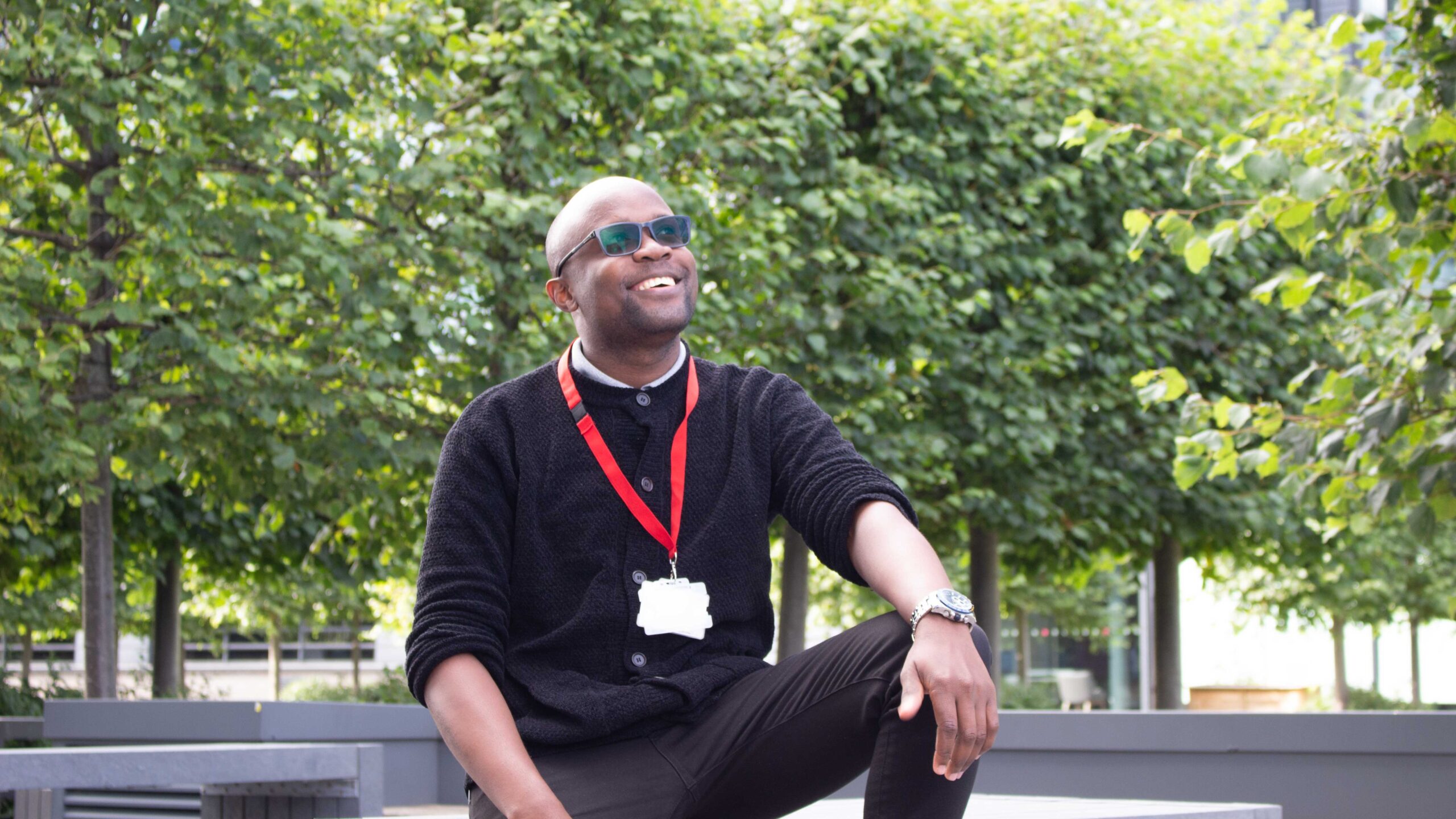
“I now possess superior research abilities in immunology and a worldwide perspective on cancer research because of my time at the Institute. I’m eager to impart this knowledge to my fellow Ugandan classmates and my colleagues in the department of immunology and molecular biology at Makerere University and the Uganda Cancer Institute when I return home.”
Gideon Nsubuga, Makerere University, Uganda
Read more about Gideon’s experience in his blog post for Cambridge Africa.
-
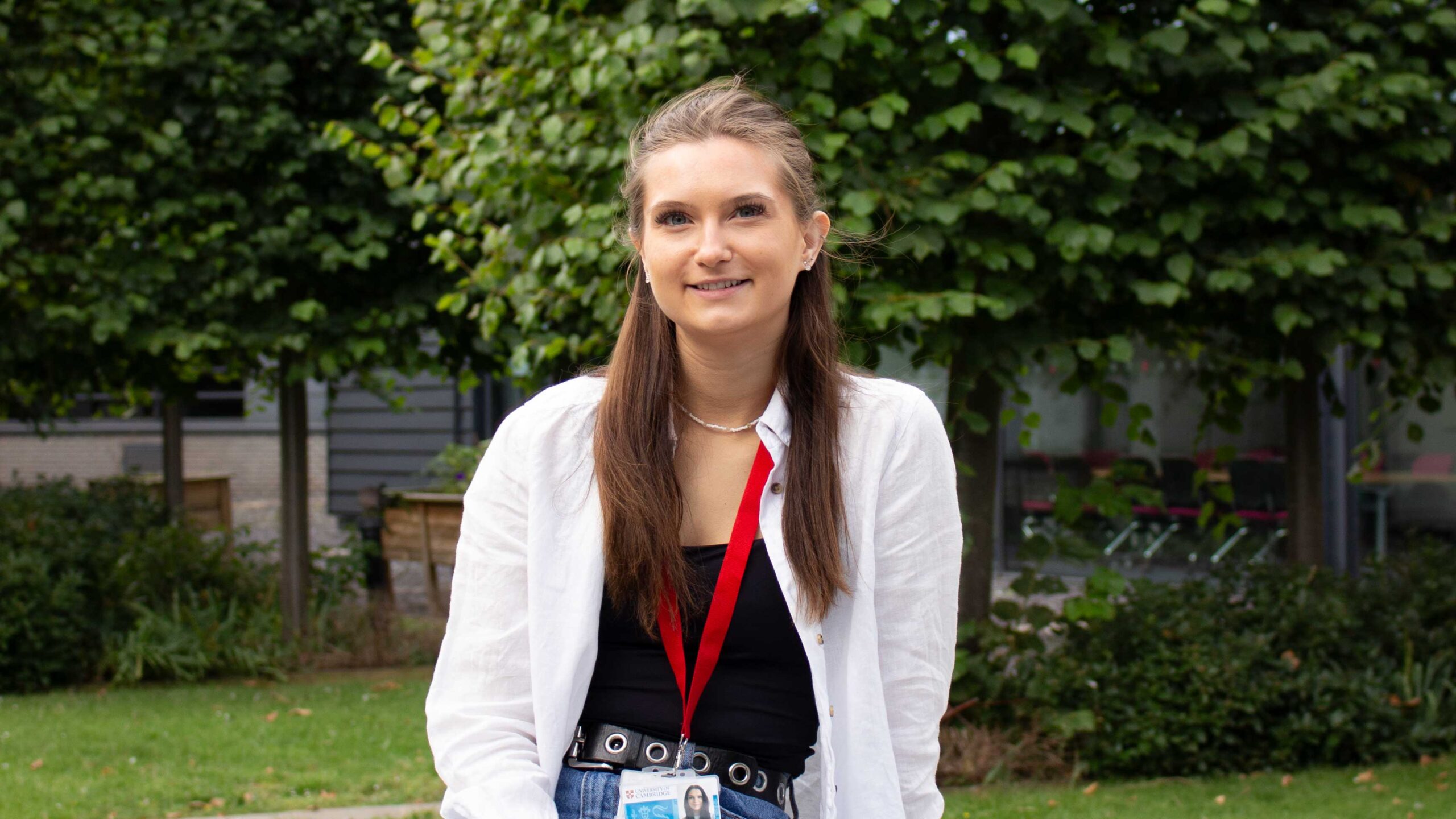
“I have enjoyed being welcomed into my research group and meeting so many like-minded individuals. I didn’t expect I would have the chance to meet and hear lectures from the top leaders at the Institute, as well as being able to take part in Institute-organised social events which happen almost weekly!”
Joanna Porter, University of Edinburgh