Maike de la Roche secures funding to develop new immunotherapy
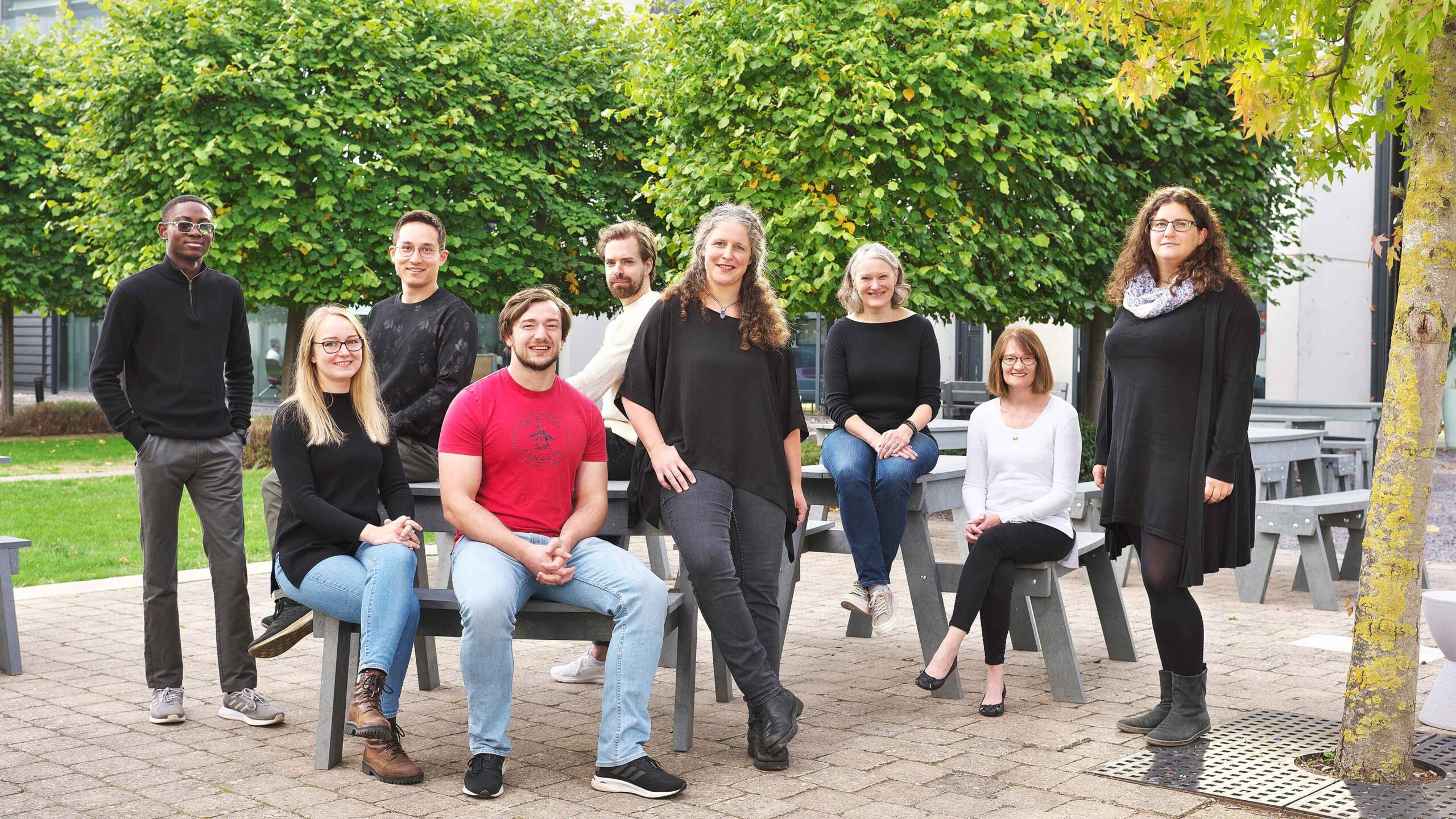
Scientists at the University of Cambridge have developed a potential new immunotherapy treatment that targets a protein found in colorectal and liver cancers. New funding will enable them to test how effective this therapy could be to prepare it for clinical trials.
Immunotherapy has transformed the treatment of many cancers, however, there has been limited success of these therapies towards some solid tumours such as colorectal and liver cancer. At present, these cancers have among the highest fatality rates, which means more effective treatments are desperately needed.
Targeted therapies are essential for the successful treatment of solid-tumour cancers, particularly in their later stages. However, the lack of specific molecular targets within individual tumours and the drug resistance mechanisms deployed by cancer cells, such as releasing molecules that suppress the immune system, have made developing targeted therapies particularly challenging.
Scientists at the University of Cambridge, from the Cancer Research UK Cambridge Institute and Department of Biochemistry, have developed a potent new therapy called “superkiller” CAR-T cells.
The therapy is highly effective against cancerous cells that express the LGR5 protein. Superkiller CAR-T cells work by supercharging cytotoxic immune cells to target and destroy LGR5+ cancer cells.
This protein is found in over 80% of colorectal cancers and 65% of liver cancers, but has either no or very low expression in healthy human tissue, making LGR5 an effective target for cancer therapies.
Supported by joint funding from the Cambridge Enterprise Translational Investment Fund and Cancer Research Horizons, Dr Maike de la Roche (Cancer Research UK Cambridge Institute) and Dr Marc de la Roche (Department of Biochemistry) will now finalise the superkiller CAR-T cell treatment and carry out experiments in new models to understand how effective the new therapy could be before taking the treatment to human clinical trials.
Dr Maike de la Roche said, “We’ve identified an effective new way to harness the power of immunotherapy which has the potential to treat several cancers of unmet need. We hope that this funding will enable us to prepare the superkiller CAR-T cell treatment for human clinical trials, moving us one step closer to offering it as a future therapy to patients.”
Related News
See all news-
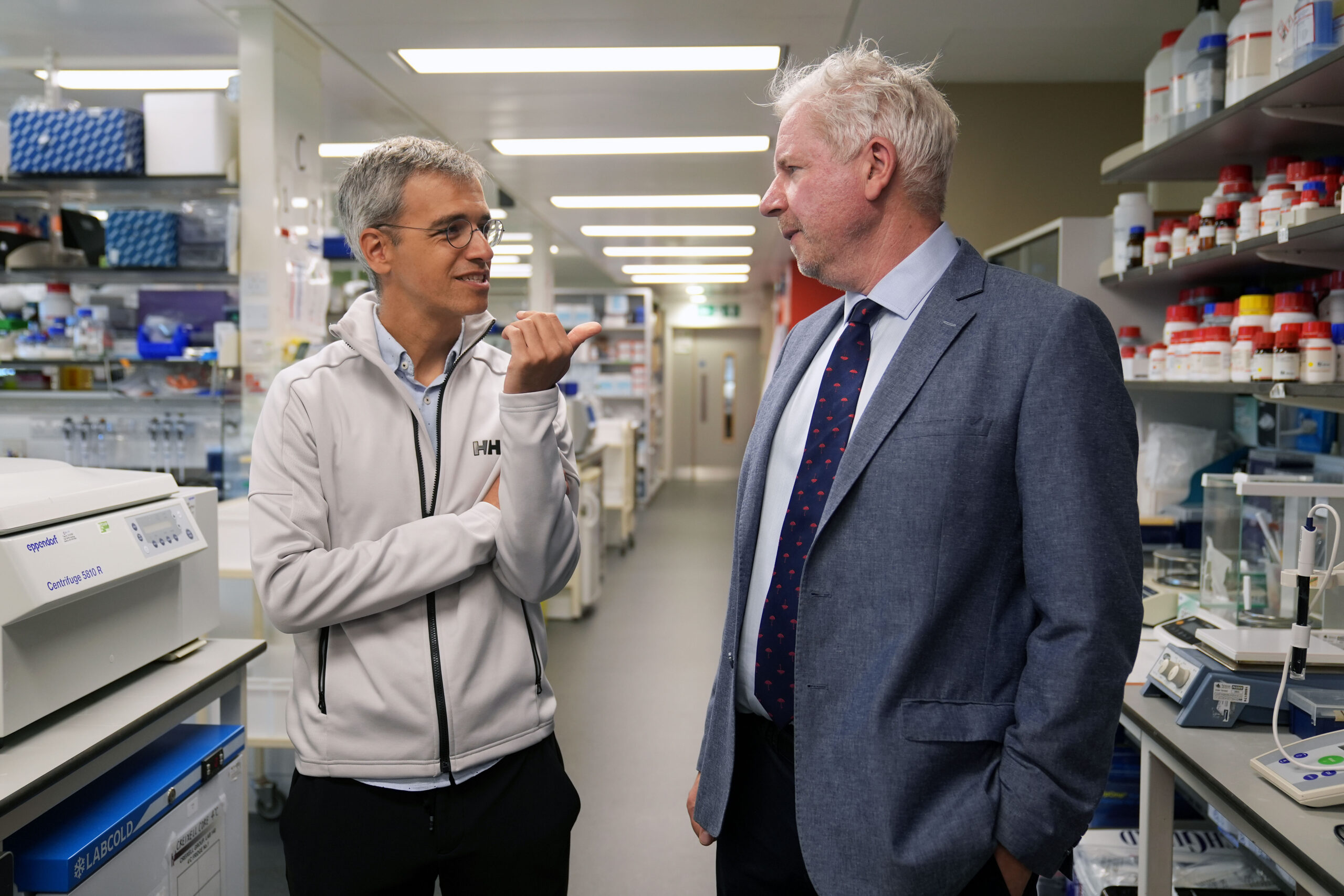
Sophie Kinsella’s family meet the brain cancer researchers carrying forward her legacy
5th October 2026
Sophie Kinsella’s family has unveiled a plaque in her honour at laboratory focusing on glioblastoma.
Find out more -
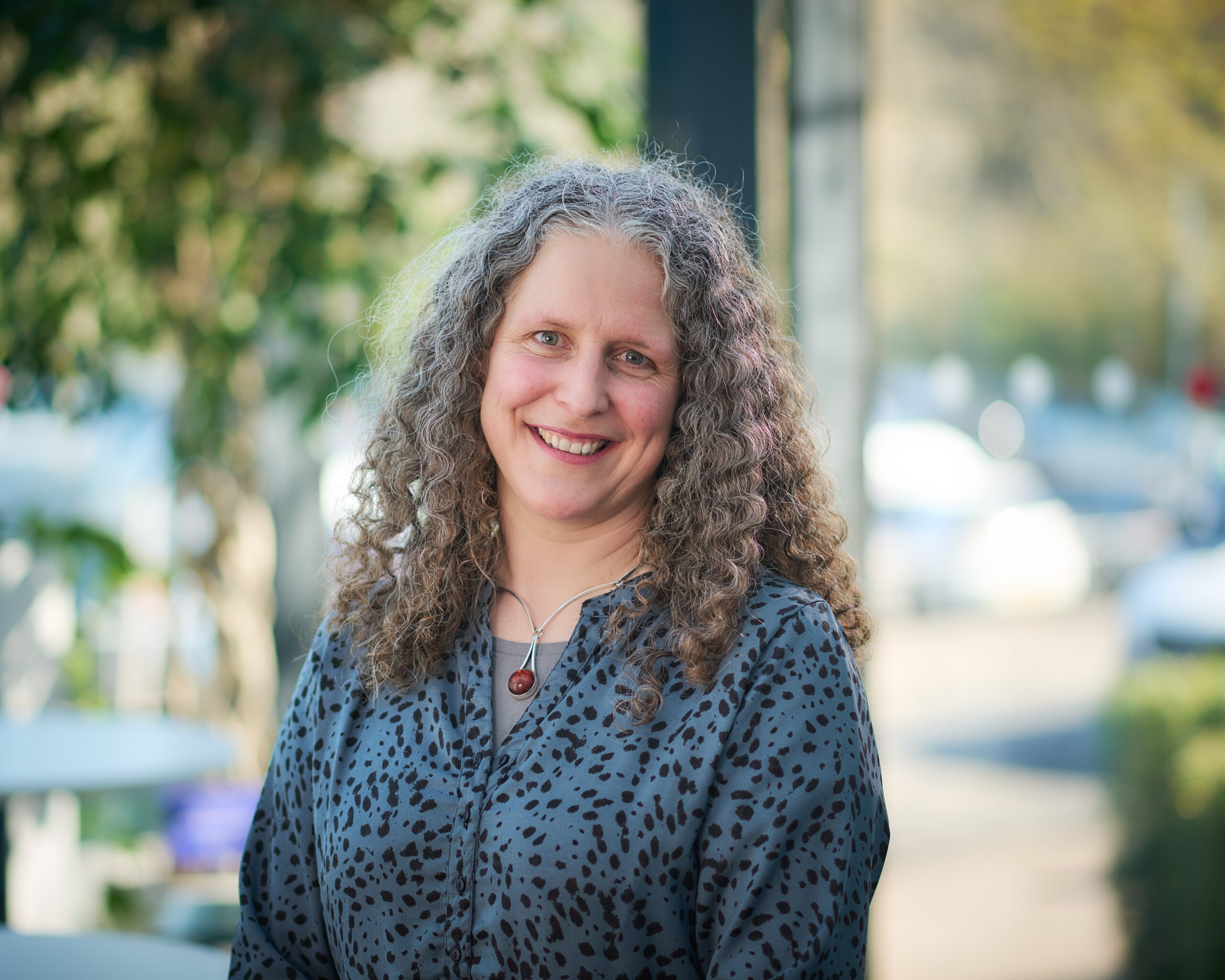
Maike de la Roche promoted to Research Professor
1st October 2026
Congratulations to Prof Maike de la Roche, following her promotion to Research Professor at the Cancer Research UK Cambridge Institute (CRUK CI).
Find out more -
Dr Magdalena Crossley awarded £2 million Wellcome Career Development Award
11th September 2026
Dr Magdalena Crossley has been awarded a £2 million Wellcome Career Development Award to investigate how unusual RNA-DNA structures contribute to cancer and other diseases.
Find out more