Andrew Holding receives Turing Fellowship
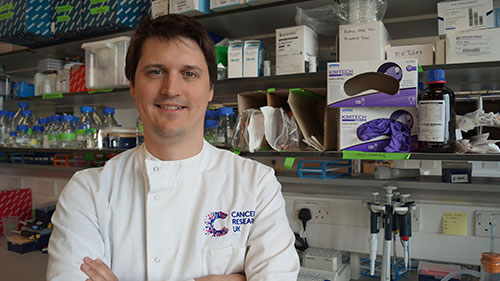
Dr Andrew Holding has been selected to receive a fellowship grant from the Alan Turing Institute.
The purpose of the Turing Fellowship Scheme is to allow University academic staff to spend time at the Institute, increase their interaction with colleagues in related disciplines and at other universities, initiate research through new collaborations and partnerships and help set the research agenda for the Institute.
Holding’s research project brings together several cutting edge technologies: combining single cell sequencing and CRISPR gene editing with neural networks to establish a computational model that predicts therapeutic response to combination drug therapies.
Glucocorticoid Receptor (GR) activation by dexamethasone (Dex) has been one of the mainstay therapies for Acute Lymphoblastic Leukaemia (ALL) for over three decades. The caveat is drug resistance: 60% of adult patients are unresponsive to therapy at relapse. Combination therapies have great potential in meeting this challenge. In the case of ALL, simultaneous targeting of multiple GR cofactors has potential to reprogramme the cancers’ response, enabling us to bypass resistance, increase the potency of therapy, and decrease off-target (toxic) effects, thereby improving clinical outcome.
Each year there are ~750 cases of ALL, predominantly in those of age 0–4, where cure rates are high. However, in older patients and children who relapse, survival is dismal, leading to around 240 deaths annually. By predicting therapies that bypass resistance, this project will play a key role in improving the current five-year survival rate in adults which, at only 40%, is considerably short of public targets, including CRUK’s own 75% 10-year survival goal.
Drug resistance in ALL, and cancer in general, is therefore a critical problem for survival. Combinatorial therapies have the potential to bypass resistance. Screening human cancer cells in the for drug response has been successful in predicting single therapeutic options from a patient’s genotype but does not resolve the challenge of identifying particularly efficacious combinations of drugs. I propose an alternative strategy: first, establishing how cancer cells respond to combination therapies by experimentally targeting combinations of genes in a high-throughput manner; and secondly, integrating the results through machine learning.
Turing Fellowship Scheme
The normal tenure of a Turing Fellow is one to two years. Fellowships supported through this mechanism provide access to the Institute, its facilities and resources, and support for travel and subsistence costs to spend time at the Institute. Applicants may request a 5%FTE ‘buy-out’ to support spending 5% or more of their time in residence at the Turing Institute conducting research and participating in Turing activities. Current Turing Fellows whose Fellowship will end before December 2018 may apply to this call for an extension to their Fellowship.
Related News
See all news-
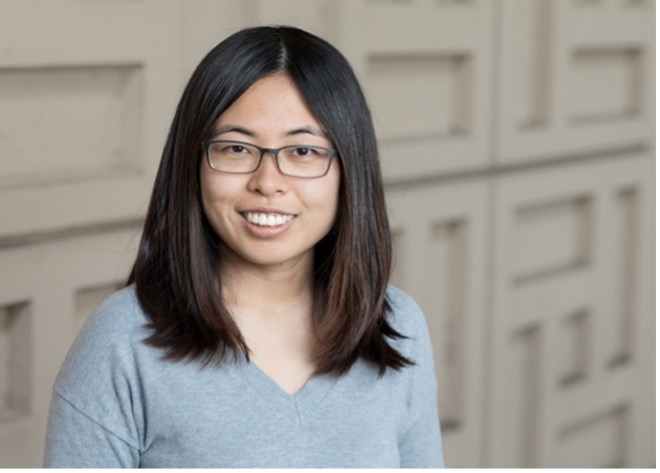
Dr Guiping Wang appointed as a Junior Group Leader
18th May 2026
Dr Guiping Wang joins the Cancer Research UK Cambridge Institute as a Junior Group Leader, starting in September 2026.
Find out more -
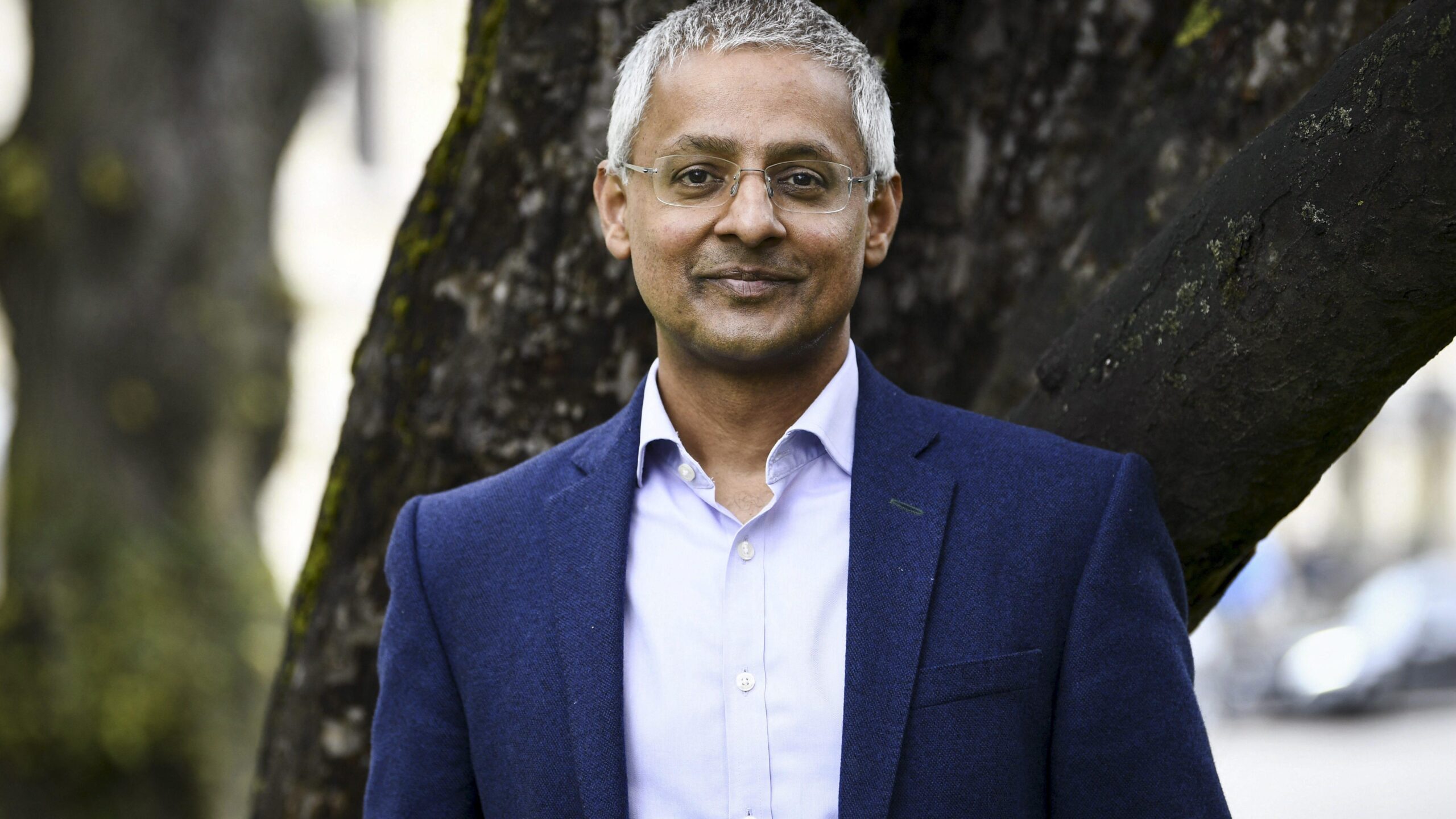
Shankar Balasubramanian receives the Princess of Asturias Award for Scientific and Technical Research
14th May 2026
The 2026 award recognises Prof Balasubramanian and his co-recipients David Klenerman and Pascal Meyer for their pioneering work in genome sequencing technologies.
Find out more -
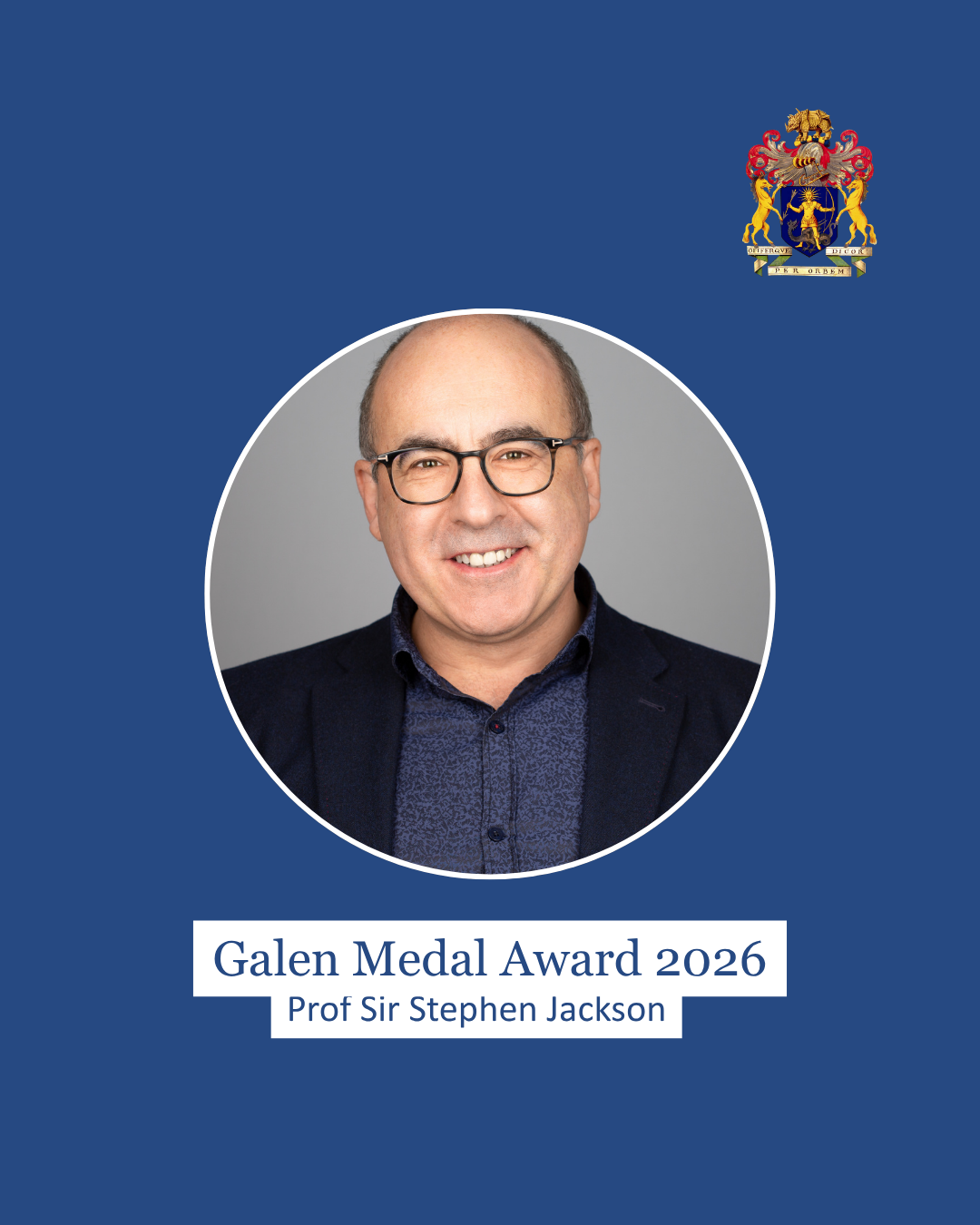
Prof Sir Steve Jackson receives the 2026 Galen Medal in Therapeutics
14th May 2026
This award comes in recognition of his transformational work on the mechanisms of DNA repair, cell survival and the DNA-damage response (DDR), as well as for the development of the cancer-targeting drug Olaparib.
Find out more