Sophie Kinsella’s family meet researchers carrying on her legacy
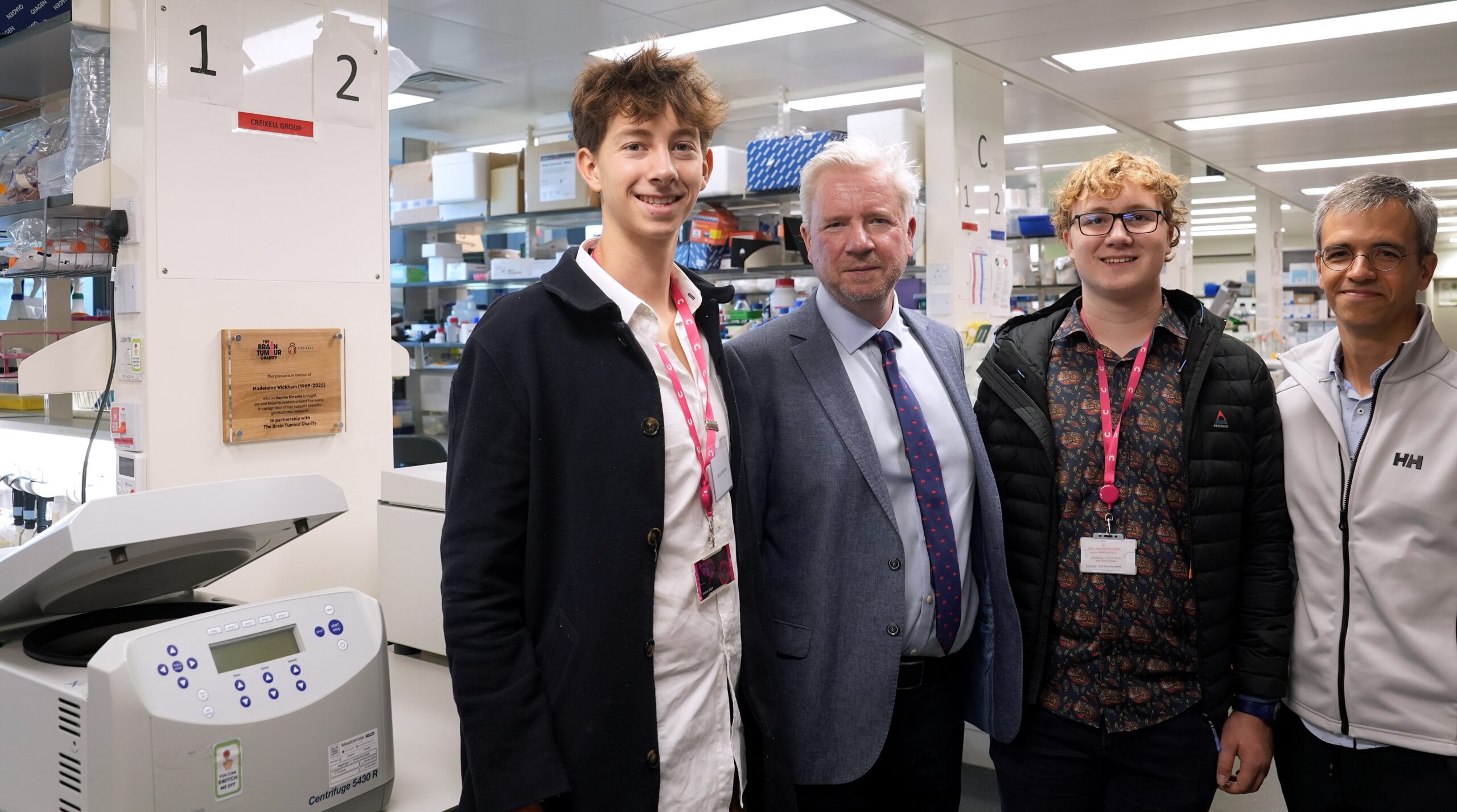
Sophie Kinsella’s family has unveiled a plaque in her honour at the Cambridge laboratory developing new treatments for the type of brain tumour she had.
Best-selling novelist Madeleine Sophie Wickham wrote under the pen name Sophie Kinsella. She was diagnosed with glioblastoma in 2022 and sadly died in December 2025.
On Friday, Sophie’s widower Henry Wickham and two of their five children, Oscar, 22, and Rex, 16, visited the Cancer Research UK Cambridge Institute to witness first-hand the research they’re helping to fund. They were also joined by Henry’s brother Edward, sister-in-law Samantha, and their son Max, 16.
Through donations to The Brain Tumour Charity, the family is supporting the work of Dr Pau Creixell and his team who are developing better treatments for glioblastoma at the Institute.
Glioblastoma is the most common type of aggressive brain tumour found in adults. Even after standard treatments, which include surgery – where possible – followed by radiotherapy with chemotherapy, the tumours frequently recur.
Pau’s team is using new technology to combine elements from existing drugs to create new compounds that can slow cell growth by inhibiting protein kinases. Protein kinases play a role in cell growth and multiplication. By blocking their activity, the uncontrolled, rapid growth of tumour cells may also be stopped.
Pau explained: “We are starting to understand the molecules within the cells that are driving that disease, what’s promoting the cells to become cancerous and for that brain tumour to start to grow. What’s more challenging is how we stop that from happening.
“There are specific proteins that we study in the lab, protein kinases, and we’re starting to understand the best way to block them, so that disease won’t progress.”
During her lifetime, Sophie raised awareness of brain tumours, took part in The Brain Tumour Charity’s Twilight Walk in 2024, and her novella ‘What Does It Feel Like?’ featured a character called Eve who was living with a brain tumour.
Through a fundraising classical concert, book signings, a half marathon and a boxing match her family and friends raised thousands of pounds for The Brain Tumour Charity.
Asked how the family was doing almost a year since her death, Henry said they were “actually doing really well” because Sophie was “loving us forward.”
He explained that Sophie, who they knew as Maddy or Mummy, left him notes and instructions on “how to carry on”, adding: “She was an incredible individual. One of the things that was amazing about her suffering from this illness was that she always bore it incredibly well.
“She had such love for others who were suffering from this disease, and she connected with many privately and was able to offer support and was offered support back.
“It may sound odd, but one of the things that Sophie did was that she was very keen to look after us going forward, and I’ve heard this described by the therapist I see as ‘loving us forward’.
“She wanted us to do well. She made a video for the family, she wrote notes to me, she gave me instructions about how to carry on and it’s made a massive difference to our lives to feel that she is loving us forward and wanting us to enjoy our lives.
“I think one of the things you learn from having a terminal illness… you realise how important life is and realise how important it is to take your opportunities in life.”
Following a tour of the lab, Henry, said: “I tell you what Sophie would say. The first thing she would say is: ‘Do they really all have to wear white coats? Could they not have more colourful things?’ She’d want to style the lab a bit. But she was very intellectual, she would have had very tough questions for those in charge of the lab.”
Dr Michele Afif, chief executive of The Brain Tumour Charity, said: “We are hugely grateful to Sophie’s family and their wide network of friends for doing so much to support the research we fund.
“It’s helping scientists pursue new approaches to treat glioblastoma when current options are so incredibly limited.”
Since 2015, The Brain Tumour Charity has awarded £28 million to projects involving glioblastoma research. One of these is Dr Creixell’s project which has been receiving a £1.5m Quest for Cures grant over five years since June 2024.
Brain tumours remain the leading cause of cancer deaths in the under 40s in the UK.
Related News
See all news-
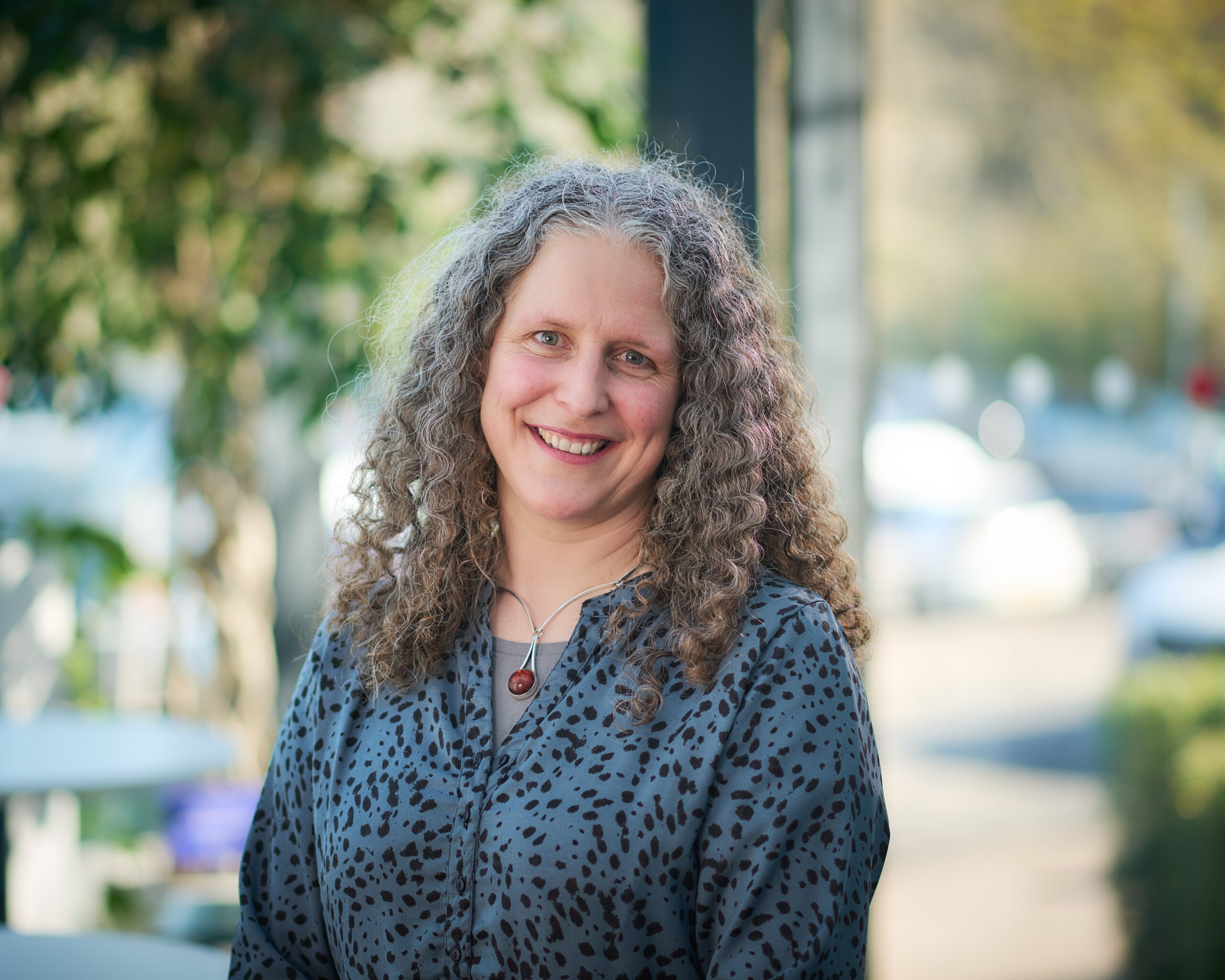
Maike de la Roche promoted to Research Professor
1st October 2026
Congratulations to Prof Maike de la Roche, following her promotion to Research Professor at the Cancer Research UK Cambridge Institute (CRUK CI).
Find out more -
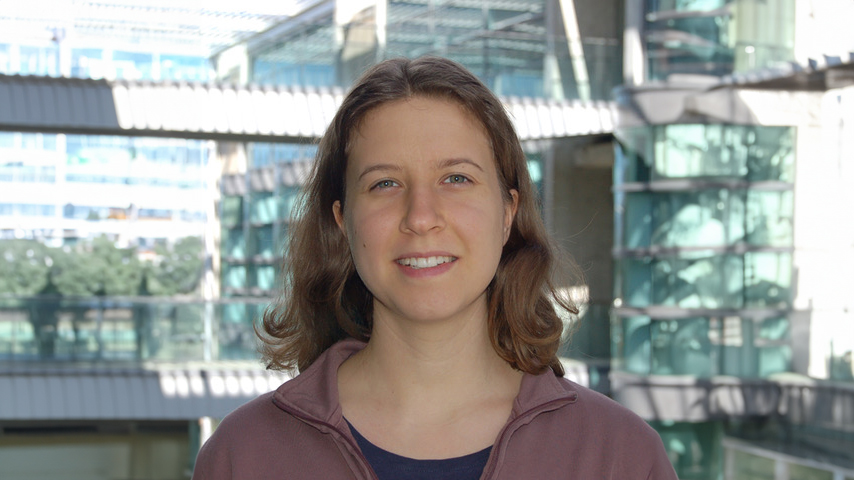
Dr Magdalena Crossley awarded £2 million Wellcome Career Development Award
11th September 2026
Dr Magdalena Crossley has been awarded a £2 million Wellcome Career Development Award to investigate how unusual RNA-DNA structures contribute to cancer and other diseases.
Find out more -
Study reveals how our inherited genes interact with DNA damage to drive cancer
27th July 2026
Find out more