Affiliated Clinical Faculty
We are creating a fully integrated clinical translation centre in Cambridge, ensuring all cancer research has a constant line of sight to the clinic.
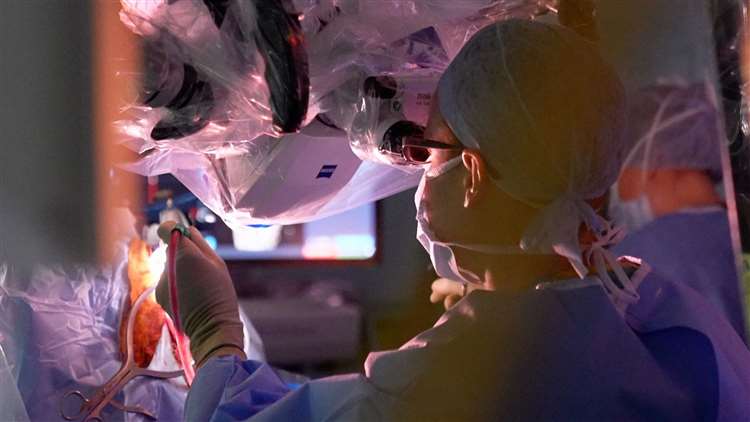
The affiliated clinical faculty provide crucial clinical input into our strategy and research programmes, ensuring that everything we do has the potential to help cancer patients.
We aim to create a truly collaborative environment, with dedicated space for our affiliated faculty within the Institute to host trainees and use our state-of-the-art facilities for clinical research.
-
Prof Jean Abraham
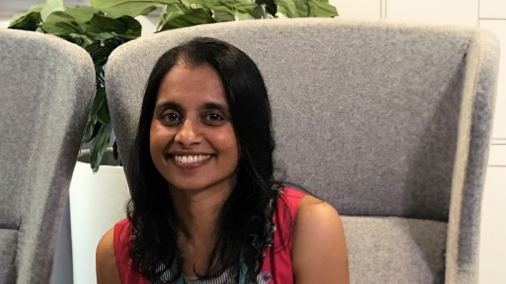
Professor of Precision Breast Cancer Medicine and Honorary Consultant in Medical Oncology at the University of Cambridge.
She is Director of the Precision Breast Cancer Institute. She also leads the Mark Foundation Institute of Integrated Cancer Medicine with Prof James Brenton, and the Breast Cancer Virtual Institute with Prof Jason Carroll for the Cancer Research UK Cambridge Centre. She is part of the national NIHR Clinical Studies Group for Breast Cancer and part of the NCRI Working Party for Early Disease.
Prof Abraham’s research focuses on high-risk and hereditary early-stage breast cancers and aims to identify better ways to personalise breast cancer treatments, avoiding over-treatment and unnecessary toxicity and providing better clinical outcomes. She is Chief Investigator of multiple clinical trials, including the PARTNER trial and the Personalised Breast Cancer Programme.
The PARTNER trial has been testing a new treatment approach for patients with aggressive breast cancer with inherited BRCA1 and BRCA2 gene mutations. So far, this approach has been shown to significantly improved survival rates for patients meaning it could become the most effective treatment to date.
The Personalised Breast Cancer Programme, pioneered at Addenbrooke’s Hospital and since rolled out across five UK sites, undertakes whole-genome sequencing of a patient’s tumour. By identifying the specific mutation driving an individual’s cancer, clinicians can refine their treatment plan and select the best treatment pathway for them. The data gathered through the programme will also aid the development of better predictive and prognostic tools to improve clinical outcomes in the future.
Discover Prof Abraham’s collaboration with the Hannon Group -
Prof Charlotte Coles
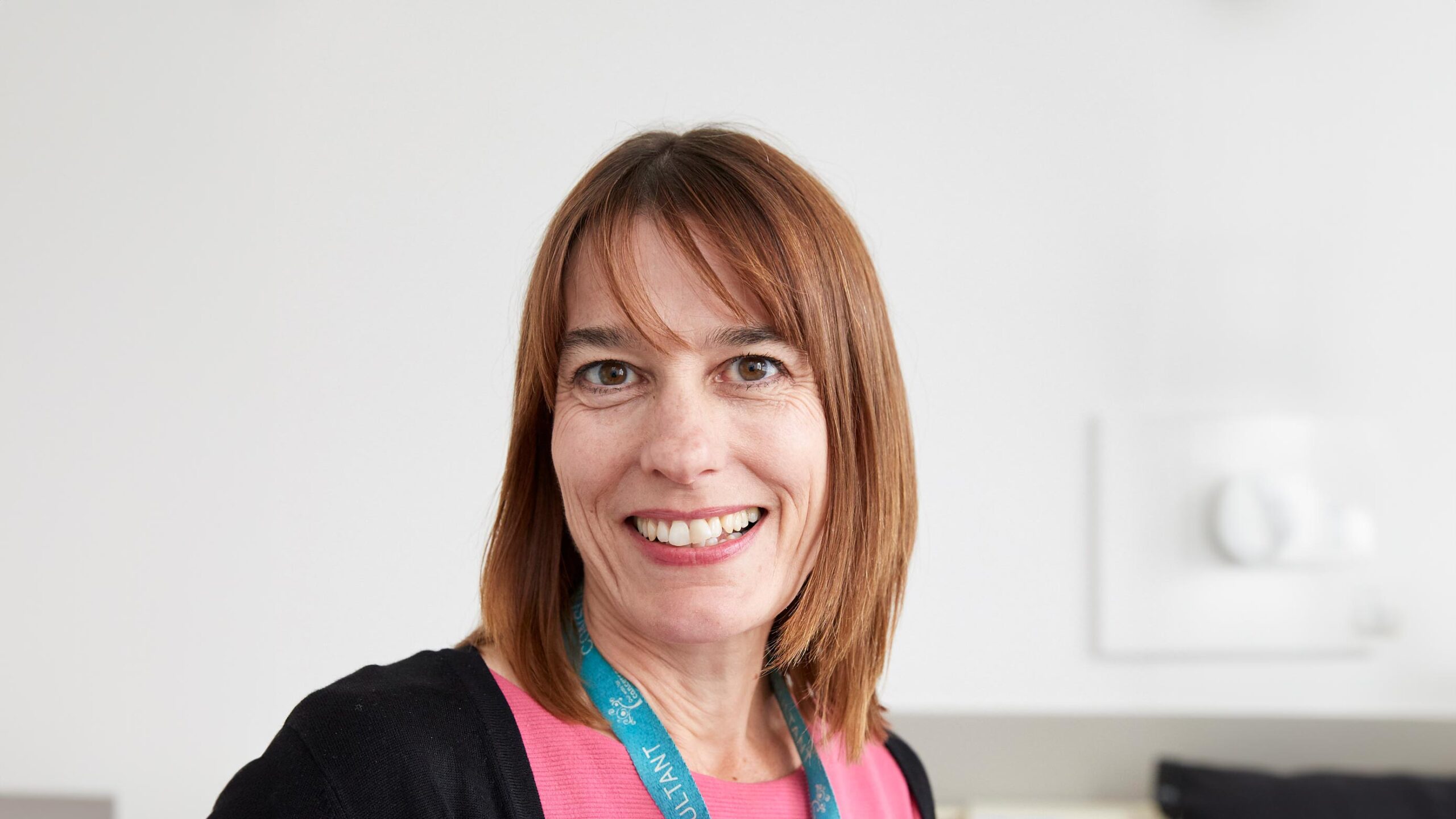
Professor of Breast Cancer Clinical Oncology, Deputy Head of the Department of Oncology, University of Cambridge, and Co-director of CRUK RadNet Cambridge; NIHR Research Professor 2019-2024.
She leads practice-changing breast radiotherapy trials, has influenced international hypofractionation policy, and addressed global health, gender, and equity challenges within the Lancet Breast Cancer Commission.
Charlotte led the Cambridge Breast IMRT Trial, providing evidence for simple breast IMRT (a high-precision cancer treatment that protects surrounding health tissue) as standard-of-care; and IMPORT Low, showing partial-breast radiotherapy was non-inferior to whole-breast with similar or reduced toxicity. She leads IMPORT High with 5-year results showing efficacy and safety of hypofractionated simultaneous integrated boost (an advanced form of radiotherapy delivered at higher doses, over a shorter time period).
Charlotte is a member of the FAST-Forward Trial Management Group, demonstrating that 1-week is non-inferior to 3-week radiotherapy with similar side-effects. These trials have informed NICE guidelines and are internationally practice changing. She also leads PRIMETIME: biomarker-directed omission of breast radiotherapy, and PARABLE, the first UK breast proton beam therapy trial. Both trials have completed recruitment, with primary outcome results due in 2027/28.
Charlotte facilitated international breast radiotherapy guidelines during the COVID-19 pandemic and co-led UK and European Breast Radiotherapy Consensuses, facilitating equity of access to breast hypofractionation.
She was Editor-in-Chief of Clinical Oncology from 2015-21, stepping down to chair the Lancet Breast Cancer Commission, published in 2024. The follow-on research and policy work includes partnerships with the WHO, ABC Global Alliance, and UK and international breast cancer charities and advocacy groups. In 2023, she was elected to the Academy of Medical Sciences and awarded the Royal College of Radiologist’s Gold Medal.
-
Dr Kate Fife
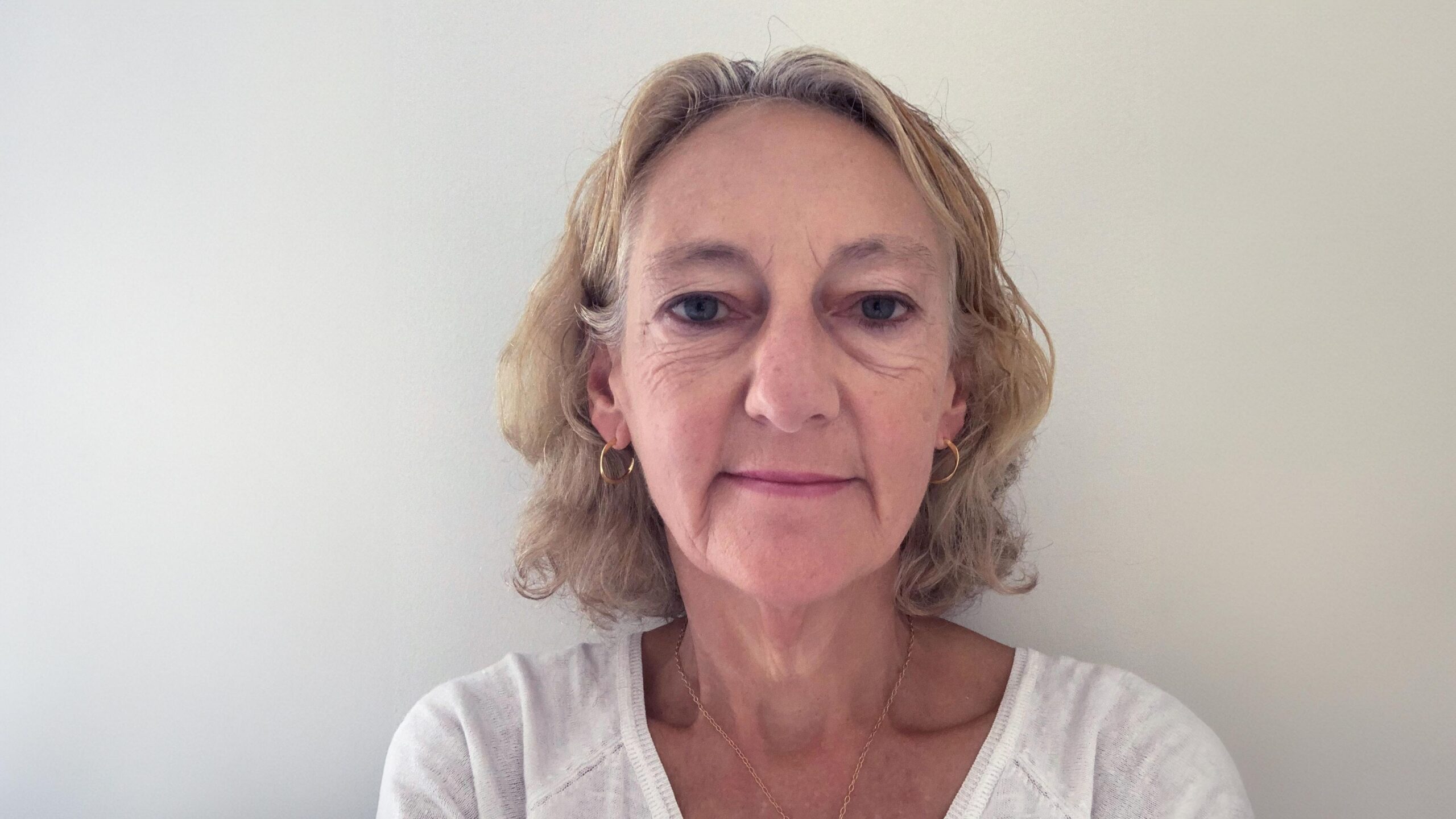
Consultant Clinical Oncologist at Cambridge University Hospitals NHSFT and Affiliated Associate Professor, University of Cambridge.
Dr Fife specialises in melanoma (skin cancer) and renal (kidney) cancers. She co-leads the Addenbrooke’s renal cancer clinic, one of the largest in the UK.
She specialises in the radiotherapy and systemic therapy of renal and skin cancers. She is Principal Investigator for several national and international clinical trials, and her research interests include the use of tyrosine kinase inhibitors and immunotherapy in the treatment of renal cancers and vismodegib (a medication which inhibits the Hedgehog signalling pathway) to treat advanced basal cell carcinomas.
Read more about Dr Fife’s work with the de la Roche GroupAssociated groups
-
Prof Rebecca Fitzgerald
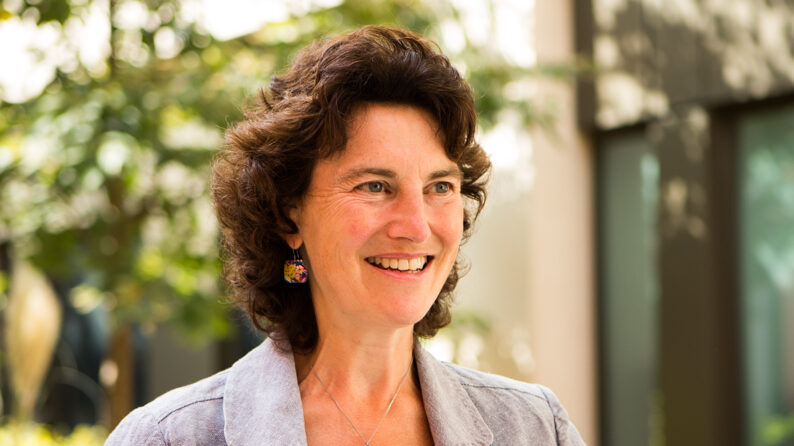
She leads the Cambridge component of the CRUK International Alliance in Early Detection (ACED) and is an NIHR Senior Investigator.
By investigating the steps in malignant transformation in the oesophagus (foodpipe) and stomach, her research focuses on understanding the earliest steps of cancer development and improving methods for the early detection and prevention of oesophageal cancer. Her team come from a variety of disciplines spanning data science, genomics, and cell biology. They work on model systems through to clinical trials in order to bring fresh perspectives to the challenge.
Rebecca’s team are behind the capsule sponge test, a tool to hasten the diagnosis of Barrett’s Oesophagus (which can be a precursor to oesophageal cancer) to ensure that more individuals have the benefit of an earlier and more precise diagnosis.
Her work to conceive the capsule sponge and develop the evidence base across multiple large-scale trials has spanned two decades and has been recognised with numerous awards including the Westminster Medal, the NHS Innovation Award, the Jane Wardle Prevention and Early Diagnosis Prize, the Don Listwin Award for Outstanding Contribution to Cancer Early Detection and, in 2025, the NIHR Impact Award.
Learn how the Markowetz Group is working with Prof FitzgeraldAssociated groups
-
Prof Brian Huntly
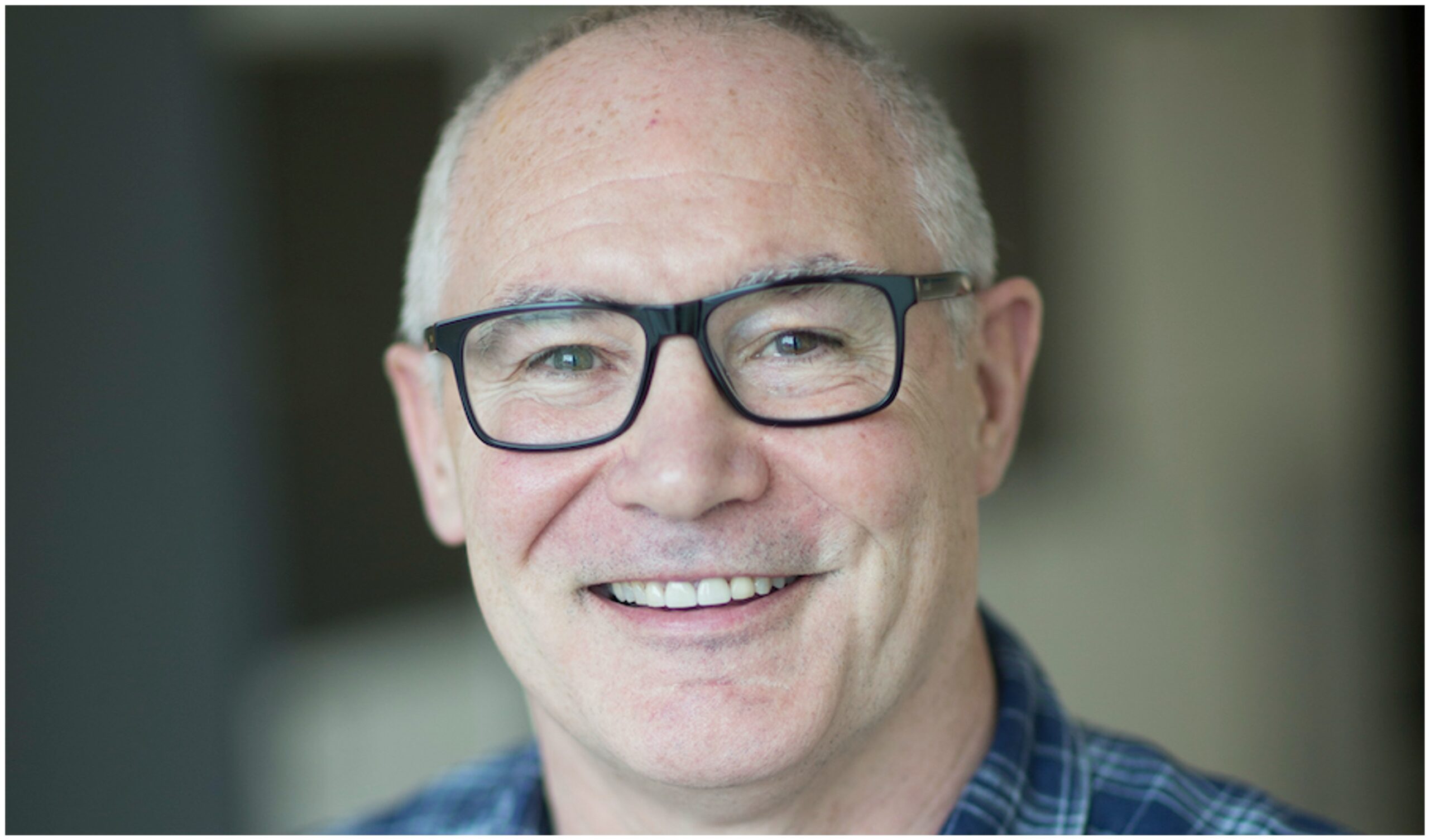
Professor of Leukaemia Stem Cell Biology and Head of the Department of Haematology, University of Cambridge. Co-Lead for the Cambridge Haematological Malignancies Virtual Institute. Consultant Haematologist, Cambridge University Hospitals.
He is a Fellow of the Academy of Medical Sciences and President Elect of the European Hematology Association. He has many connections to Cancer Research UK, who are a major funder of his research.
His research group seeks to understand how normal stem and progenitor cell function is corrupted during the development and maintenance of cancers and how these processes might be targeted to improve outcomes in haematological (blood-related) malignancies. The group has a significant focus on lymphoma and acute myeloid leukaemia (AML).
Therapeutically, their work includes the identification of the bromodomain and extra terminal (BET) proteins as critical mediators of leukaemia stem cells in AML and the development of an inhibitor of these proteins. More recent developments include a new therapy for B cell acute lymphoblastic leukaemia, for which a trial is in preparation, and a therapeutic strategy for prevention of malignant transformation of the most common form of clonal haematopoiesis to AML, which they are progressing to trial.
Associated groups
-
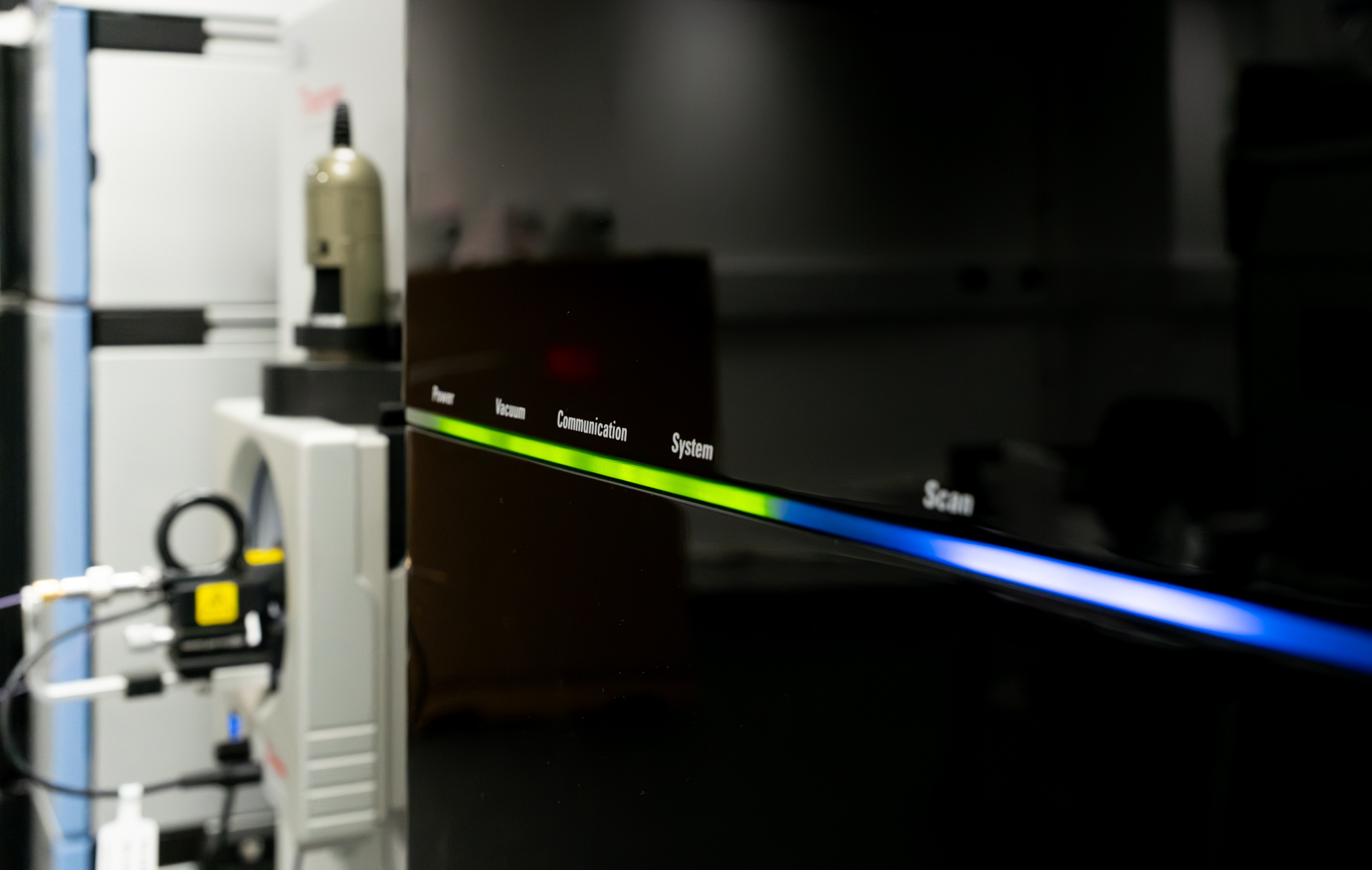
Proteomics
Expert service for protein identification, quantification, post-translational modification profiling using next-generation mass spectrometry platforms
Find out more -
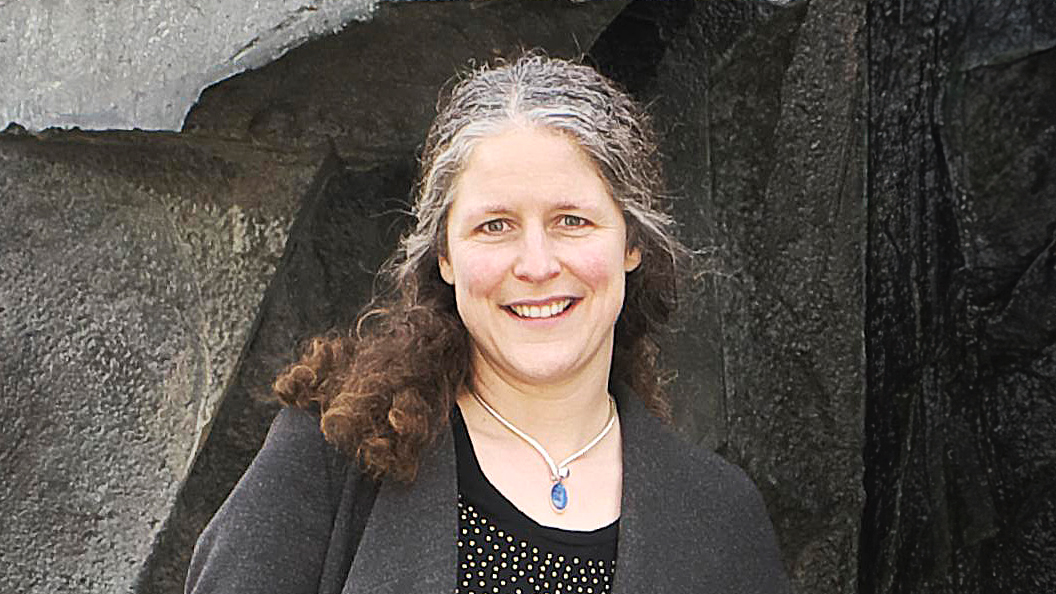
de la Roche Group
Cancer immunology
Find out more -
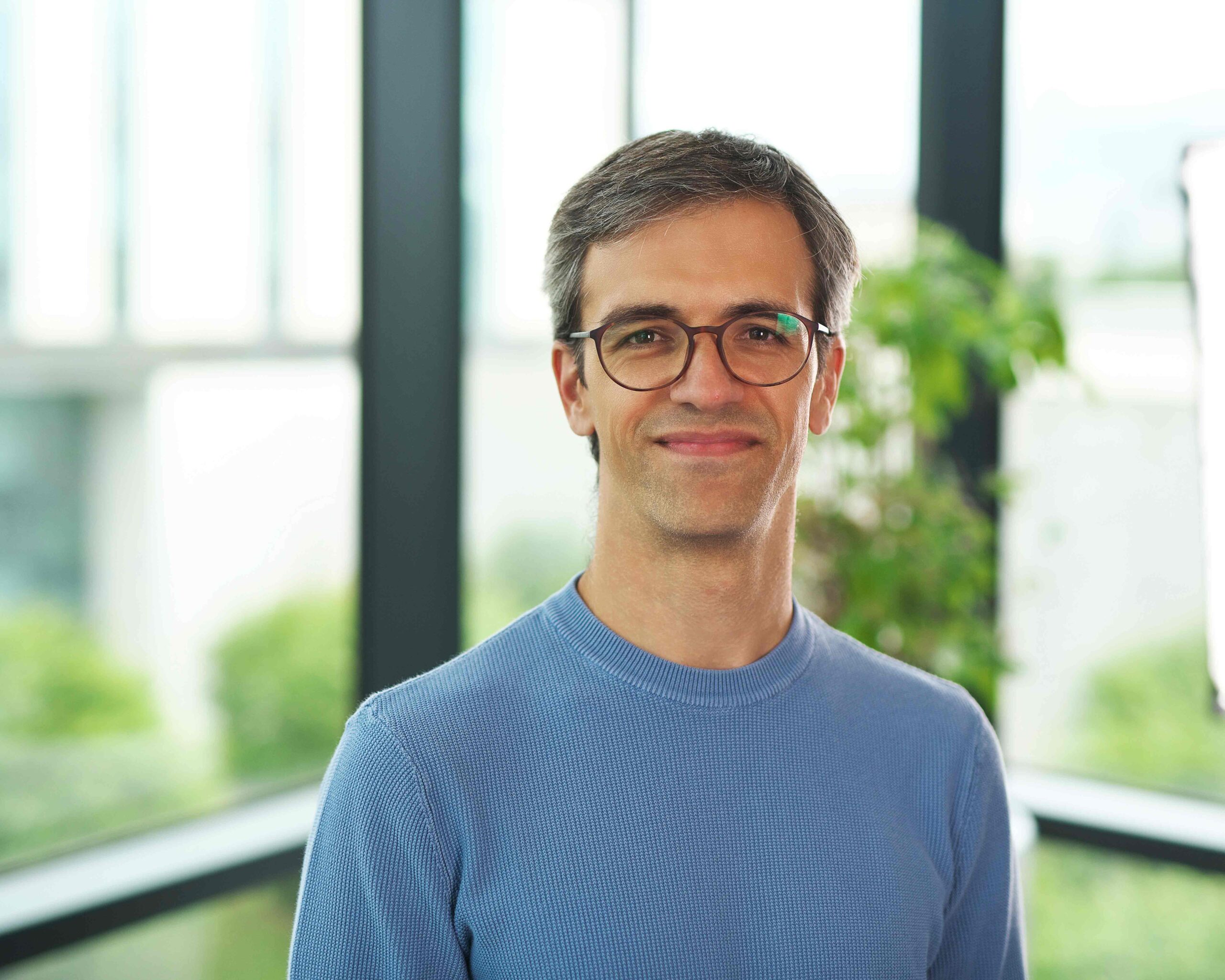
Creixell Group
Cancer signalling and therapeutics
Find out more -
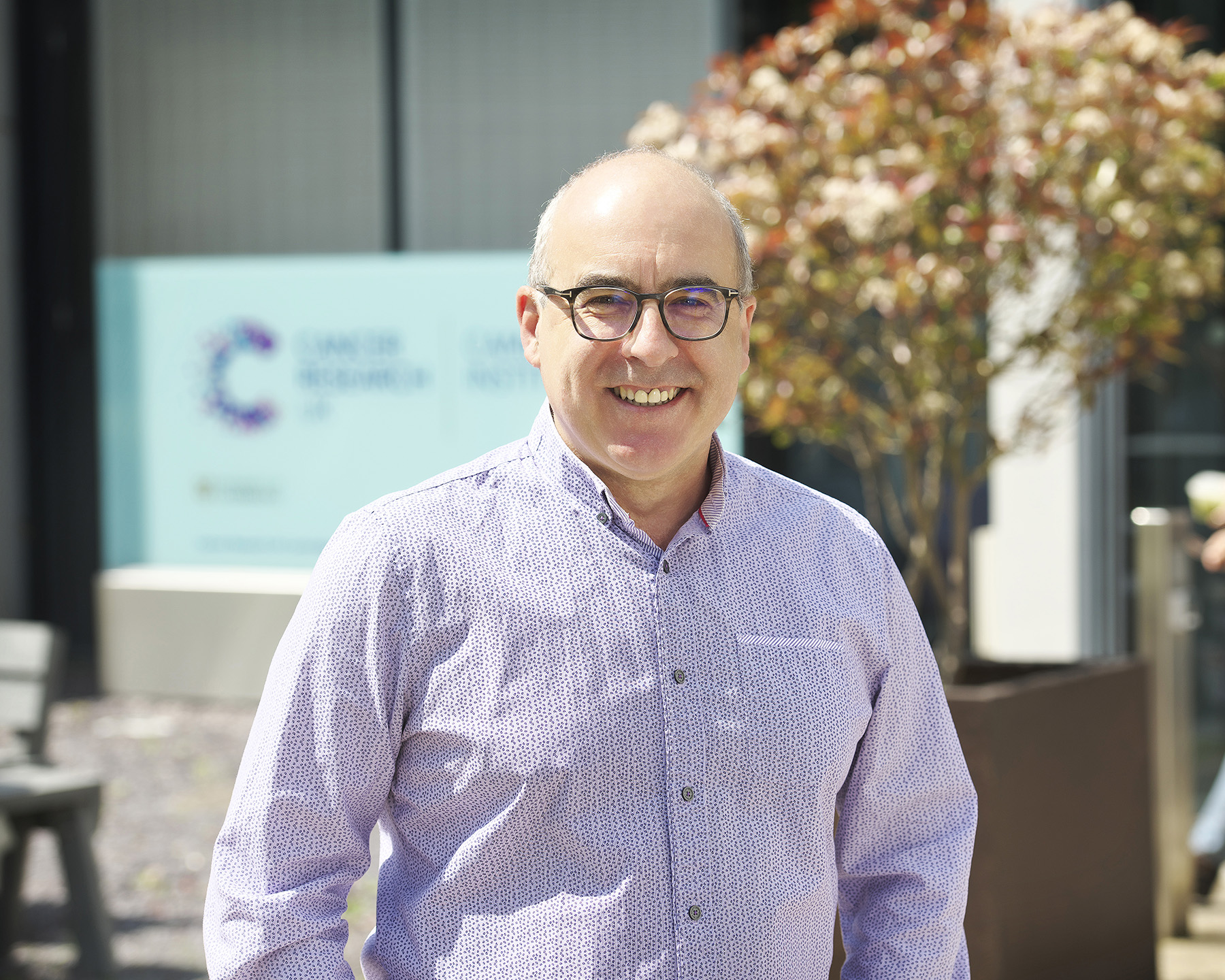
Jackson Group
Maintenance of genome stability
Find out more
-
-
Prof Serena Nik-Zainal
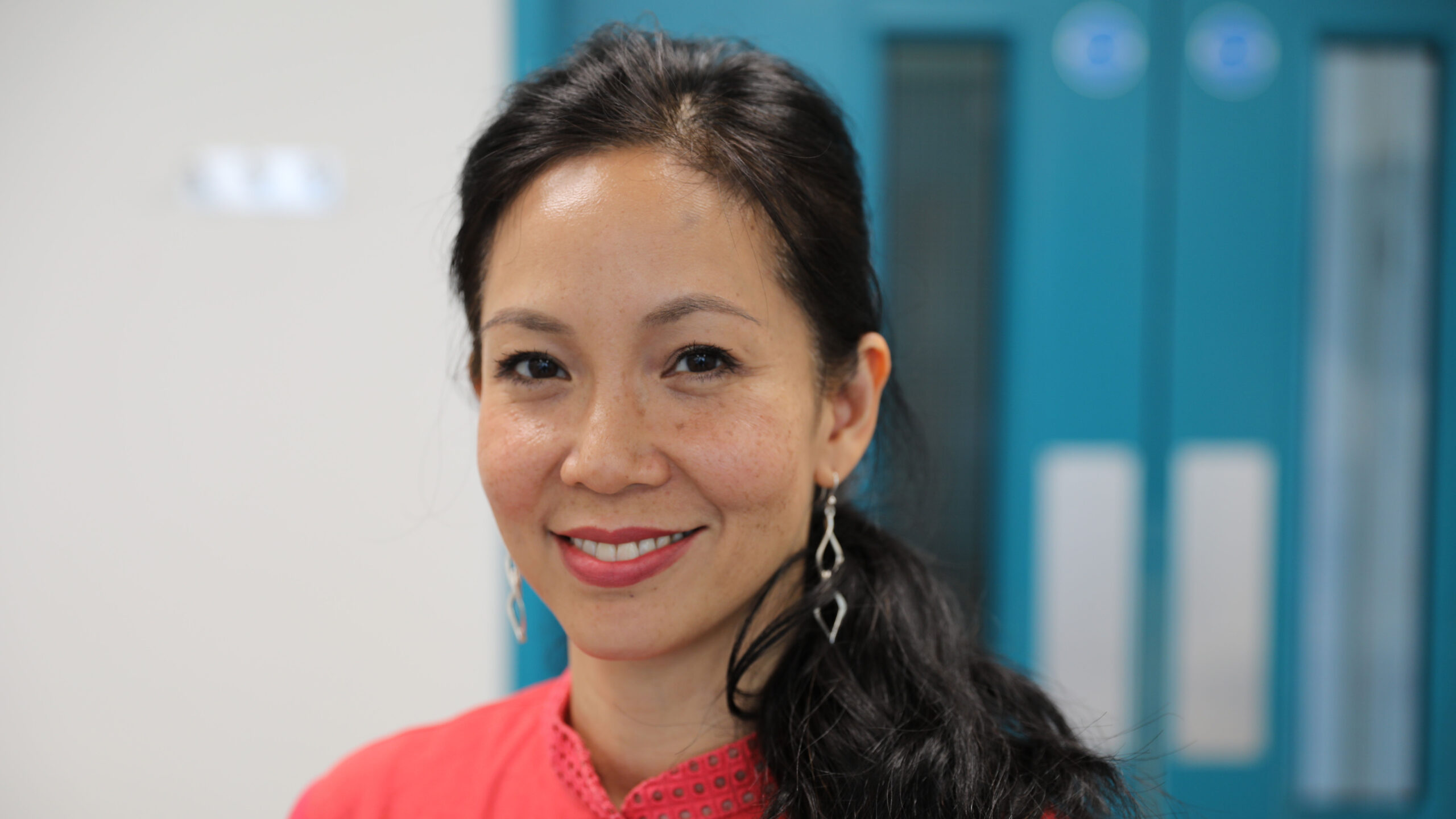
Professor of Genomic Medicine and Bioinformatics, University of Cambridge and Honorary Consultant in Clinical Genetics, Cambridge University Hospitals NHSFT.
She is an NIHR Research Professor and leads the Genomic Medicine theme for the NIHR Cambridge Biomedical Research Campus. Her research group continues to spearhead the whole cancer genomics field through a combination of computational and experimental approaches, with the goal of refining and personalising cancer treatment.
A key focus of her work is on the clinical application of mutational signatures, specific patterns of genetic mutations that occur in different tumour types. This includes developing machine-learning based tools that can detect this genetic information in patients to inform cancer diagnosis and treatment decisions, and validating these models through clinical studies.
Dr Nik-Zainal’s group is heavily involved in the UK 100,000 Genomes Projects and has performed pan-cancer analyses of more than 20,000 whole cancer genomes to date. She teaches extensively, developing material on cancer genome interpretation for undergraduates, postgraduates, and the National Training Programme in Clinical Genetics in conjunction with Health Education England.
-
Prof Robert Rintoul
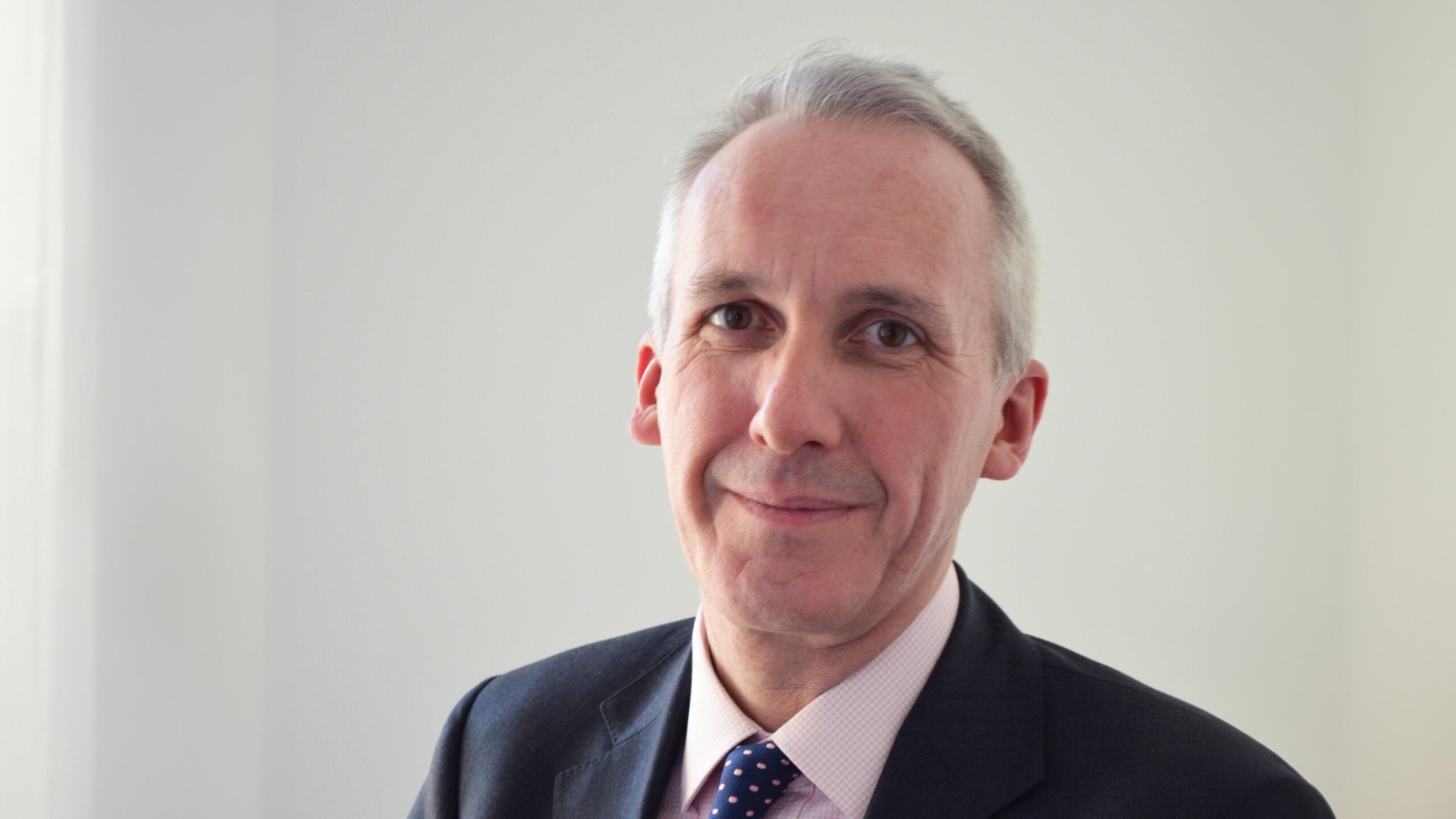
Professor of Thoracic Oncology in the Department of Oncology, University of Cambridge and Honorary Consultant Respiratory Physician, Royal Papworth Hospital, Cambridge.
Prof Rintoul co-leads the CRUK Cambridge Centre Thoracic Cancer Programme, supporting and co-ordinating thoracic oncology research across Cambridge. An active clinical trialist, he is Director of the UKCRC-registered Papworth Trials Unit Collaboration.
He runs programmes of research in early-stage lung cancer and pleural mesothelioma (a rare, aggressive cancer of the lining of the lungs, primarily caused by asbestos exposure). He is Chief Investigator of multiple translational clinical trials in biomarker discovery for earlier detection of primary and second primary lung cancer including SPORT and the EVOLUTION programme. He founded and leads Mesobank UK, the UK national bioresource for malignant mesothelioma, which is developing and characterising novel organoid models (essentially 3D, miniature models of human organs that are an efficient, accurate, and personalised way to study disease).
Learn about Prof Rintoul’s collaboration with the Brenton and Narita Groups -
Prof Grant Stewart
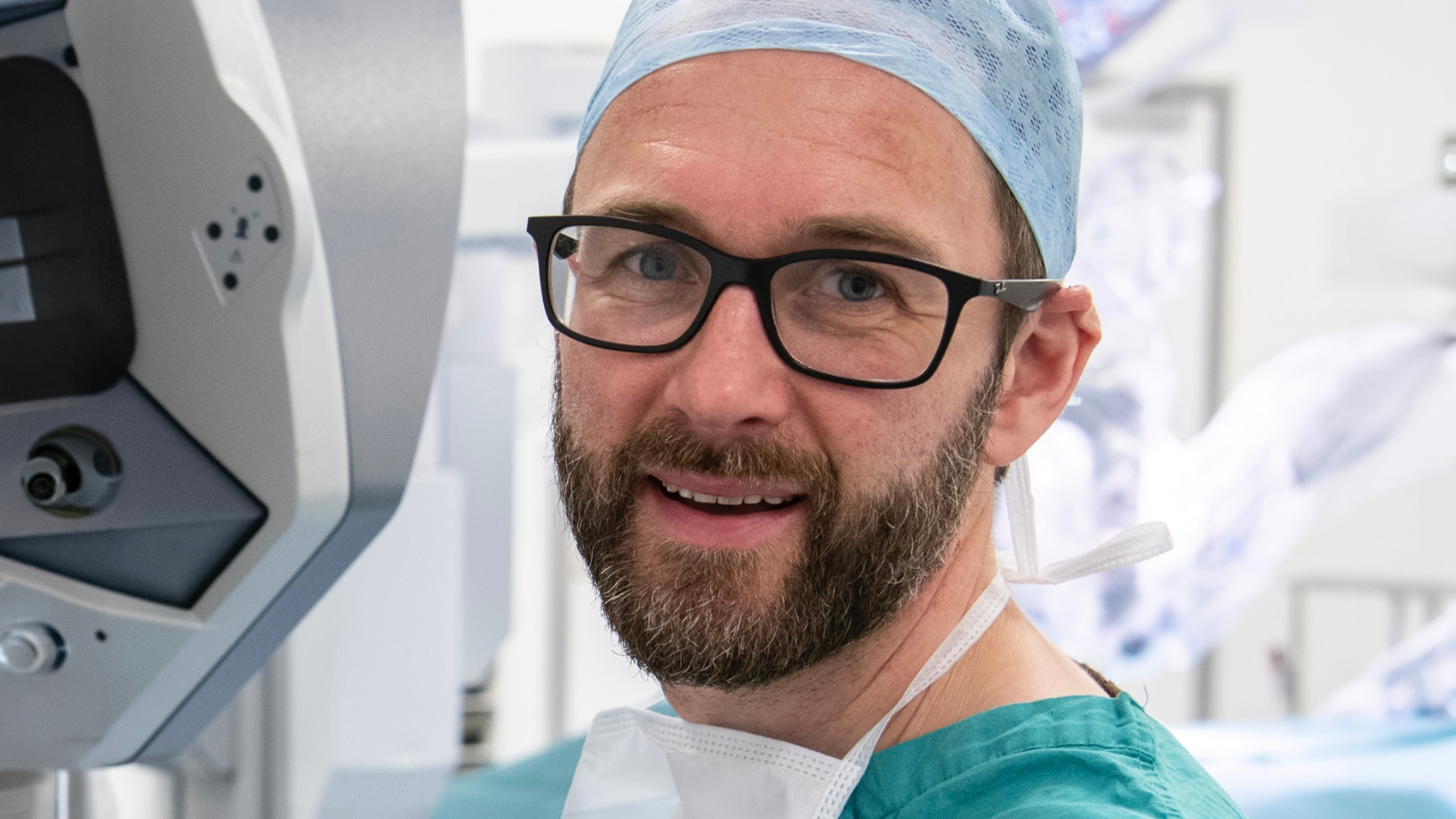
Head of Department of Surgery, Professor of Surgical Oncology, University of Cambridge and co-director of the Urological Malignancy and Integrated Cancer Medicine Virtual Institutes, Cancer Research UK Cambridge Centre.
He is Clinical Director of the National Kidney Cancer Audit and Clinical Lead for the NICE Kidney Cancer Guidelines.
As an academic surgeon, Prof Stewart focuses on developing and promoting surgery-related clinical trials and translational research. He has a specific interest in optimising management of patients with initially localised renal (kidney) cancer. This includes improving early detection through screening and the development of effective biomarkers, as well as determining the optimum drug treatments provided around the time of surgery to improve patient outcomes.

Partnerships
From strategic collaborations with industry to leading and contributing to national funding initiatives, our partnerships aim to bring about real change for people with cancer.
Find out more