New immune pathway offers treatment hope for childhood brain tumours
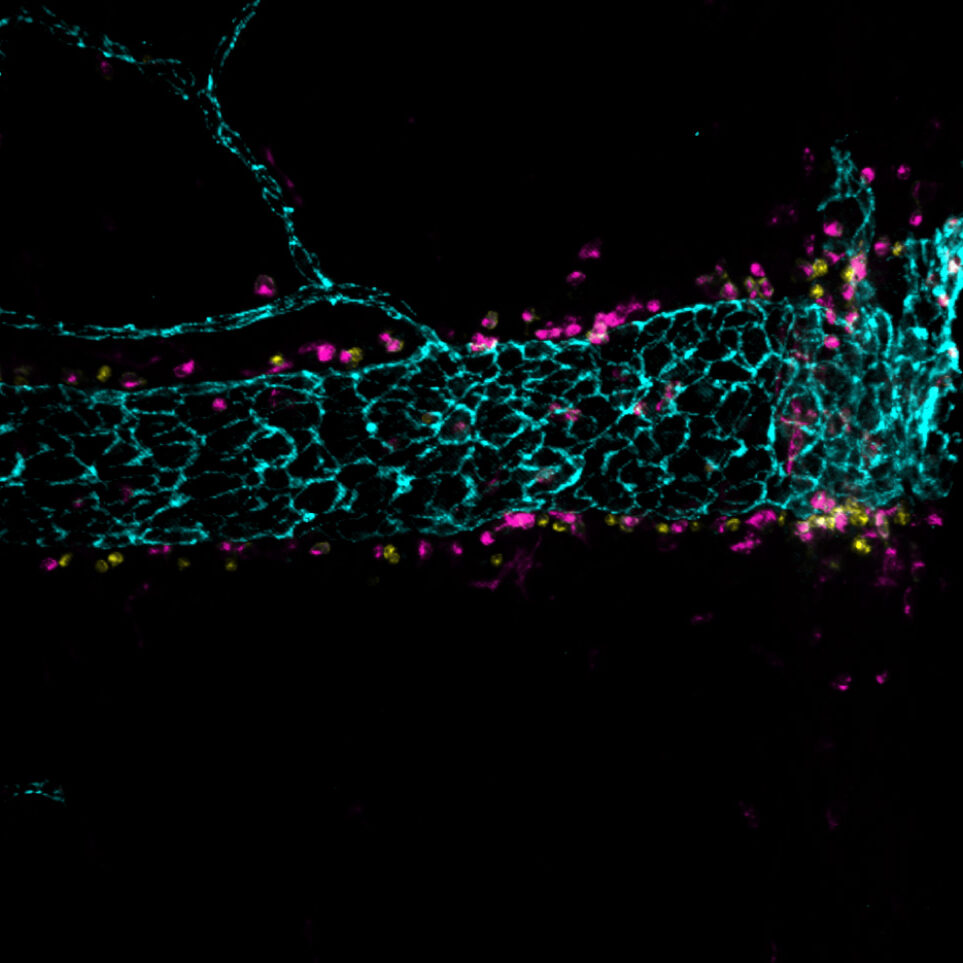
A newly discovered immune pathway could lead to gentler treatments for multiple childhood brain cancers, according to new research from our Gilbertson Group published today in Nature Genetics.
Childhood brain tumours are the leading cause of cancer deaths in children, and current treatments can result in lifelong side effects that reduce patients’ quality of life.
Immunotherapies, which harness the body’s own immune system defences, have had limited success against these cancers.
Almost all childhood brain tumours begin developing before birth, when the immune system is still immature. It has been suggested that because of this early start, the body may learn to tolerate these cancers as part of itself, allowing tumours to grow without being attacked by the immune system.
New research from the Gilbertson Group reveals how tumours are able to exploit this early life immune tolerance and how blocking this mechanism in laboratory models can prompt the immune system to recognise and attack these cancers.
Using mouse models, the scientists found that cerebrospinal fluid, the liquid that bathes the brain, plays an instructional role in helping childhood brain tumours evade the immune system. Signals released by the tumours travel through this fluid to the skull’s bone marrow, where they can influence the production of immune cells.
The team identified a previously unknown population of blood stem cells in the skull that can present brain-derived molecules to immune cells, acting as messengers between the tumour and the immune system. These interactions steer immune responses away from attack, pushing key immune cells into a state that allows tumours to grow.
Researchers were then able to block these tumour-derived signals using antibody treatments in three different cancer models in mice. Across all three, the treatments prompted the immune system to recognise and attack the tumours, causing them to shrink and improving survival.
These findings uncover a potential new way of treating childhood brain tumours by re-engaging the immune system, though further work will be needed to test whether this approach is safe and effective for children.
The team is now hoping to secure funding to test their findings in early-stage clinical trials in children.
This work was made possible by the Microscopy, Flow Cytometry, Proteomics, Genomics, Bioinformatics, Biological Resource Unit and Genome Editing core facilities at the Cancer Research UK Cambridge Institute.
Prof Richard Gilbertson, Senior Group Leader at the Cancer Research UK Cambridge Institute said “It is so exciting to have identified a potential new treatment approach for all children with a brain tumour. This treatment appears to have very few side-effects which is particularly important for children and their families, given the lasting impact current treatments can have. Our hope now is to test whether this strategy can be safely translated into clinical trials for young patients.”
“What really surprised me throughout this work, is the extent to which the tumour interacts with the immune system outside of the tumour itself. Where the field has been previously caught up on the lack of immune cells within the tumour, we’ve failed to see just how much the tumour is able to educate immune cells in these brain border tissues. Crucially, this creates an exciting opportunity to bring immunotherapies into paediatric brain tumour patients, with the potential to target a number of different layers of communication.”
Dr Elizabeth Cooper, first author, Cancer Research UK Cambridge Institute
Related News
See all news-
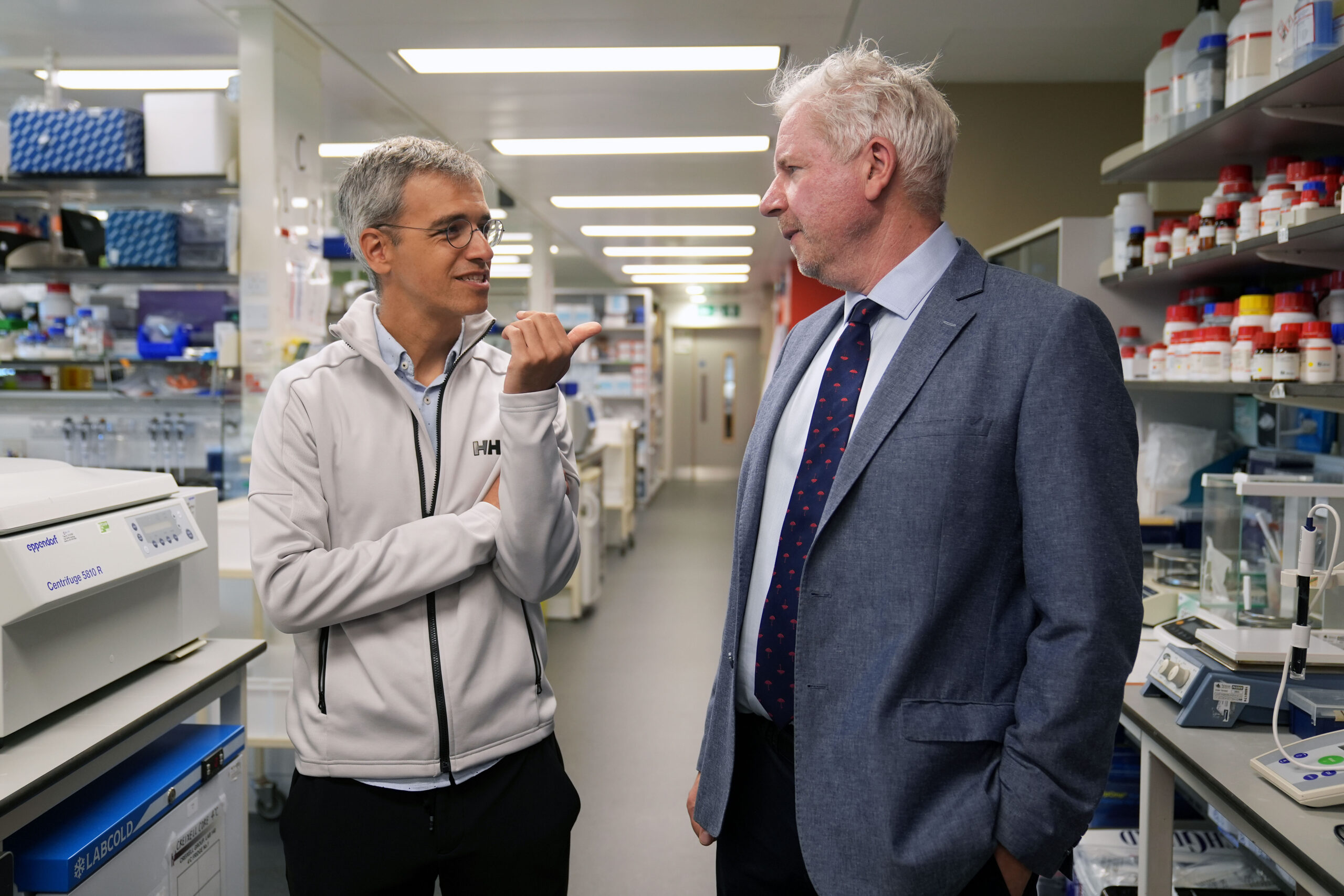
Sophie Kinsella’s family meet the brain cancer researchers carrying forward her legacy
5th October 2026
Sophie Kinsella’s family has unveiled a plaque in her honour at laboratory focusing on glioblastoma.
Find out more -

Maike de la Roche promoted to Research Professor
1st October 2026
Congratulations to Prof Maike de la Roche, following her promotion to Research Professor at the Cancer Research UK Cambridge Institute (CRUK CI).
Find out more -
Dr Magdalena Crossley awarded £2 million Wellcome Career Development Award
11th September 2026
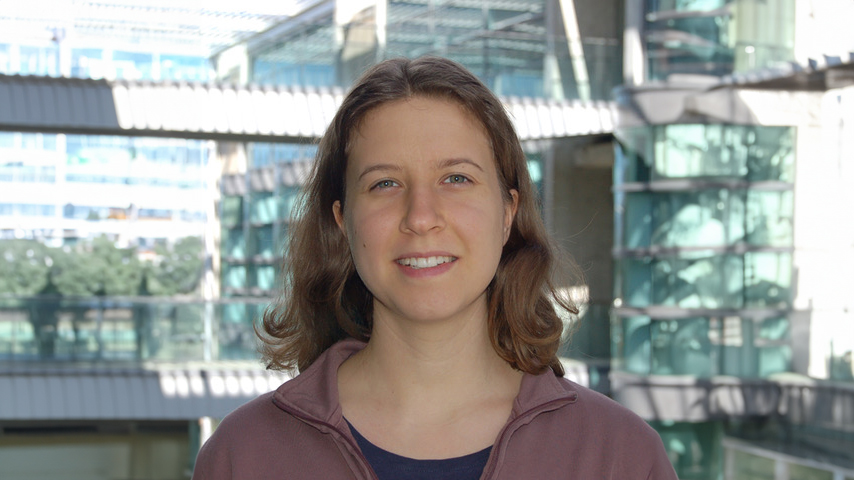
Dr Magdalena Crossley has been awarded a £2 million Wellcome Career Development Award to investigate how unusual RNA-DNA structures contribute to cancer and other diseases.
Find out more