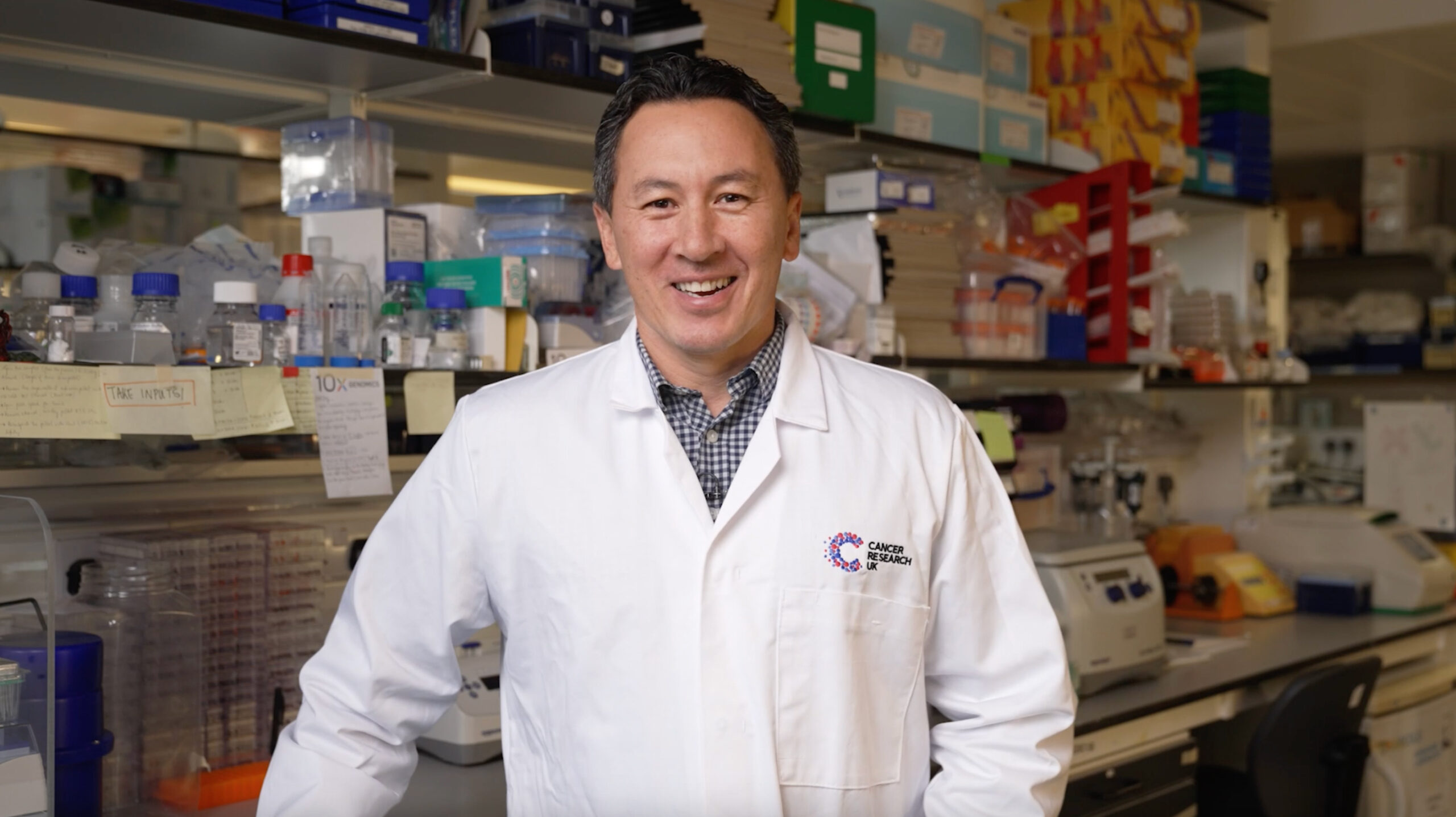
Ian Hall, Principal Scientific Associate
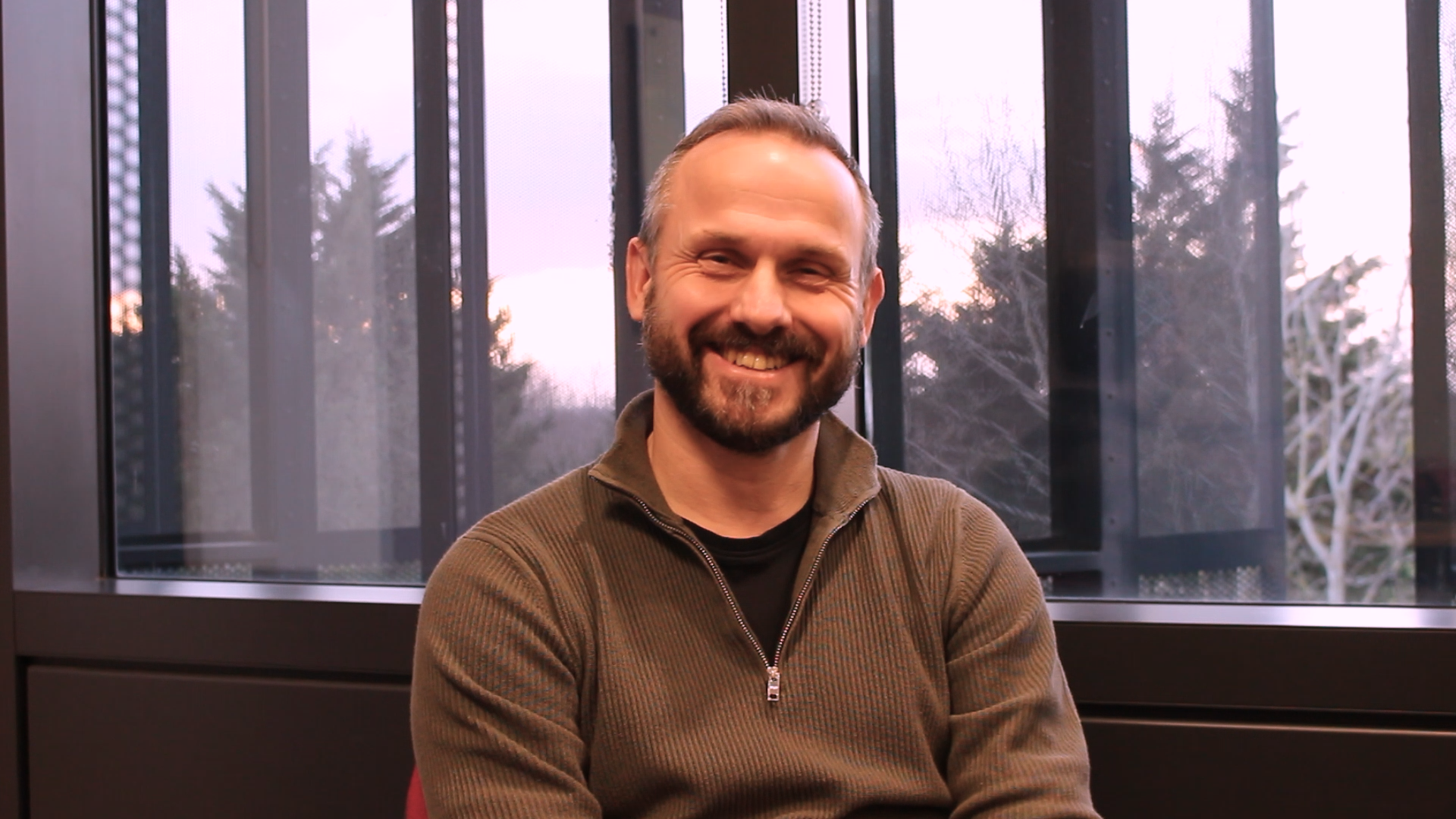
As a Principal Scientific Associate in one of our in-house Core Facilities, Ian supports the diverse range of research topics carried out across the Institute.
Ian’s work is fuelled by a strong interest not only in biology but in the sciences more broadly – especially physics. This background interest is helpful with the research instrumentation side of his role, particularly in the advice he can give to colleagues working with plate readers and imaging equipment, where a knowledge of the properties of light is especially useful to bring to the table.
Get to know Ian in his video or check out the snippets below.
How do Core Facilities interact with other teams at the Institute?
“My role really is to support the research groups as they come down on any day. You’re not going to know exactly what’s going to be asked of you. Although we have some routine testing and things like this, normally we’re relying on the researchers to come down and say ‘okay, I have this problem’ or ‘I want to do this and how can you help me?’
We also perform a lot of training, giving advice and troubleshooting when people come down and they have problems with instruments or just don’t know how to proceed. We can offer advice that way.”
What is your proudest achievement during your time here?
“It was quite recently, actually! My proudest achievement was, just at the last minute, realizing there was a spare slot to talk about our Facility for half-an-hour in the Wednesday Lunchtime talks. I spoke about liquid nitrogen, which is always good fun anyway!
I put together a presentation within 24 hours and managed to go and present in front of the Wednesday lunchtime crowd, which is often made up of scientists. You know, sometimes it’s more intimidating to give a talk to your peers than it is to a public or a lay audience, because you sometimes think, if I don’t know exactly what I’m talking about, someone’s going to pick up on that, and they’re going to ask me really awkward questions in front of everyone else. But it went down really well and I was really proud of how it came across and how it was received.”
The Institute is based on the Cambridge Biomedical Campus where there are lots of other organisations working in the same sector. What impact does this have on your day-to-day?
“If something is not being used here to 100% capacity, which instruments don’t tend to be, there is capacity for external companies to come and say to us “can we use this? Can you help us with this?” We have that facility for them and can also offer some advice and training. Similarly, they’re interesting to talk to because they come from different fields and sometimes it helps to broaden our knowledge as well.”
You mentioned your background was in physics rather than biology, what impact has that had on your time here?
“All the aspects of physics and chemistry come in to help biology because I’m in the research instrumentation side. Instrumentation uses physics, it uses light, the properties of light, to look at certain aspects of cell function or how a cell behaves in a certain way.”
How has the role changed since you’ve been doing it?
“We’re not just working on imaging but also on the software that goes with it. This is where you can try to get AI in to make some sort of intelligent, quantification of the images you acquire. That’s really cool.”