Dr Richard Mair to co-lead £13.7M investment for brain tumour research
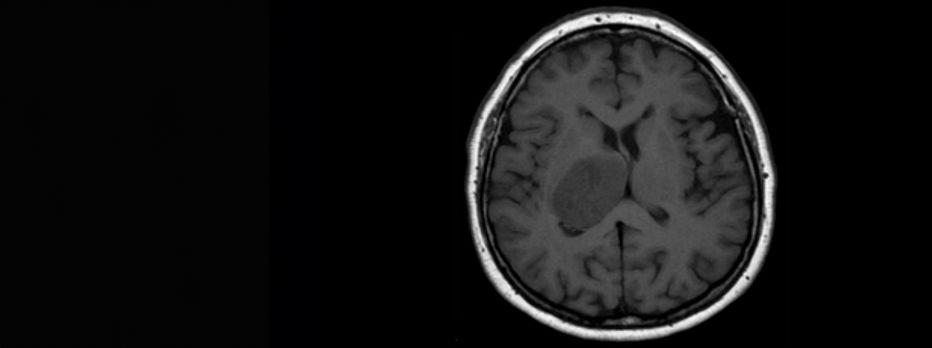
The National Institute for Health and Care Research (NIHR) has today announced a £13.7 million investment that will support ground-breaking research to develop novel brain tumour treatments in the UK.
The funding will establish the NIHR Brain Tumour Research Consortium, a national partnership uniting 48 hospitals, universities, cancer centres and charities along with patients, in a coordinated UK-wide effort to transform outcomes for people living with brain tumours and their families.
Today’s announcement will be followed by further NIHR funding into brain tumour treatment trials, which will be delivered as part of the consortium, in early 2026. Research delivered by the consortium will complement research funded and delivered by others, including the Medical Research Council and UK Research and Innovation.
Shifting the dial in brain tumour research
Brain tumours are among the toughest cancers to treat. This world-leading consortium will help doctors and researchers understand the disease better, test new innovative treatments earlier, and make trials available to more adults and children closer to home.
The consortium will also support the development of the next generation of leaders in brain tumour research, strengthening the UK as a key location for evaluating brain tumour treatments, both now and for the future.
Professor Juanita Lopez, from The Royal Marsden NHS Foundation Trust, will lead the Consortium with Professor Darren Hargrave, of the UCL Great Ormond Street Institute of Child Health, and Dr Richard Mair from the Cancer Research UK Cambridge Institute at the University of Cambridge and Cambridge University Hospitals NHS Foundation Trust, as co-leads.
They will develop and enhance innovative clinical trials focusing on new and emerging treatments through precision medicine (therapies tailored to certain individuals’ tumours). In future they hope to expand into new areas such as radiotherapy techniques, and gene and immunotherapies which modify a person’s DNA and immune system respectively to tackle cancer. This will create stronger evidence to support future NHS access if treatments prove safe and effective and improve health outcomes.
Professor Lucy Chappell, Chief Scientific Adviser at the Department of Health and Social Care, and NIHR CEO, said:
“Brain tumours are one of the most difficult cancers to treat with thousands of people diagnosed each year. This new funding aims to shift the dial in brain tumour research, accelerating the UK towards more life-changing treatments for adults and children with this deadly disease.
“This vital partnership brings together some of the UK’s best scientists, health and care professionals, charities and patients to improve lives through cutting-edge research. It demonstrates how NIHR is driving life-changing research for the health of our society, and ensuring more people can be part of research including those from underserved communities.”
Minister for Public Health and Prevention, Ashley Dalton, said:
“Brain tumours devastate lives, and for too long we haven’t had the right tools to tackle them effectively.
“By bringing together our brilliant researchers, NHS teams, charities and patients, we’re taking a major step forward in our mission to create an NHS Fit for the Future and ensure fewer lives are lost to the biggest killers. This consortium will help us better understand brain tumours, treat more effectively, and ultimately save lives.
“Everyone deserves the chance to live well for longer, and this research investment is part of our commitment to building a fairer, healthier country.”
Professor Juanita Lopez, Consultant Medical Oncologist at The Royal Marsden NHS Foundation Trust and Group Leader at The Institute of Cancer Research, said:
“I am really excited for this transformational opportunity to build a contemporary, coordinated, national collaboration that will allow the best of science to be taken forward rapidly into clinical trials, and accelerate new drugs all the way to registration for patient benefit.”
Aiming to improve survival rates
There are 13,000 new brain, other Central Nervous System (CNS) and intracranial tumour cases in the UK every year making these the eighth most common cancer in the UK, accounting for 3% of all new cancer cases*.
The consortium will address 5 challenges contributing to the current lack of new and effective therapies:
- Large amounts of variation. There are more than 100 brain cancer types and even patients with the same type can be affected differently.
- The limited number of new drugs available for testing.
- Insufficient research facilities, research leaders and research staff.
- Shortcomings in planning and execution of research studies.
- Lack of consistent and dedicated support for brain cancer research.
The partnership has the potential to shift the dial and position the UK as a leading location for brain tumour treatment research. Its activities will include:
- Enrolling patients to a ‘real world’ study tracking their progress in everyday medical settings, before matching them to new clinical trials based on their cancer subtype.
- Developing pioneering new clinical trials – including platform trials – to test interventions including targeted precision medicines, radiotherapy technologies, immunotherapies, and novel gene therapies.
- Developing new training programmes for those working in brain cancer research to build capacity and increase skills among the next generation of researchers.
- Partnering with patients to ensure the patient’s voice is heard in everything we do.
“This award is hugely important for patients and their families battling brain tumours. It will dramatically accelerate the work of the Tessa Jowell Brain Cancer Mission, further uniting the entire community of brain tumour researchers, healthcare professionals and patients to end the devastation caused by these terrible diseases.”
Prof Richard Gilbertson, Senior Group Leader at the CRUK CI and Chair of the Tessa Jowell Brain Cancer Mission
Related News
See all news-
Sophie Kinsella’s family meet the brain cancer researchers carrying forward her legacy
5th October 2026
Sophie Kinsella’s family has unveiled a plaque in her honour at laboratory focusing on glioblastoma.
Find out more -
Maike de la Roche promoted to Research Professor
1st October 2026
Congratulations to Prof Maike de la Roche, following her promotion to Research Professor at the Cancer Research UK Cambridge Institute (CRUK CI).
Find out more -
Dr Magdalena Crossley awarded £2 million Wellcome Career Development Award
11th September 2026
Dr Magdalena Crossley has been awarded a £2 million Wellcome Career Development Award to investigate how unusual RNA-DNA structures contribute to cancer and other diseases.
Find out more