Prof Greg Hannon shortlisted for prestigious Cancer Grand Challenge

Professor Greg Hannon, Director of the Cancer Research UK Cambridge Institute, has been selected for the final stages of Cancer Grand Challenges selection process as part of team ILLUMINE.
The shortlist of 12 multidisciplinary, global teams is now competing for up to £20m each, with the aim of delivering breakthroughs that no single researcher, lab, institute or country could achieve alone.
Cancer Grand Challenges is the only initiative of its kind in cancer. By bringing together leading researchers from different disciplines and institutes around the world, global super teams are formed to take on the most complex challenges in cancer research.
Each team will now receive £30,000 in seed funding to allow the team to come together and develop their full research proposal and compete for up to £20m in funding, empowering it to rise above the traditional boundaries of geography and discipline and transform outcomes for people affected by cancer.

Team ILLUMINE spans 8 research institutes in 4 countries, bringing together scientists at the Broad Institute, Cancer Research UK Cambridge Institute, Dana-Farber Cancer Institute, Netherlands Cancer Institute and Weizmann Institute.
If successful, they would seek to unlock the treatment potential of the cancer dark proteome, a group of mysterious and largely unknown proteins that exist in our cells, by comprehensively mapping and characterising its function. The team plans to focus on hard-to-treat cancers, creating an unprecedented atlas of the cancer dark proteome. It plans to use cutting-edge experimental techniques to uncover where dark proteins come from, how they are made, and what they do.
Capitalising on its unique expertise the team will leverage and integrate cutting-edge experimental approaches to uncover hidden layers of cancer cell biology. ILLUMINE aims to ultimately identify new tumour antigens that are potentially found across cancers and develop innovative immunotherapies for hard-to-treat cancers, transforming patient outcomes.
The funded teams will be announced in March 2026 at the Cancer Grand Challenges Summit in London.
Find out more“The global scientific community responded with extraordinary enthusiasm to our new challenges, with a record number of proposals that push the boundaries of cancer research, from harnessing AI to reprogramming cancer cells. Congratulations to the 12 finalist teams who now have the opportunity to drive the next major breakthroughs in cancer research, as part of this pioneering global initiative.”
Dr David Scott, Director of Cancer Grand Challenges
Related News
See all news-
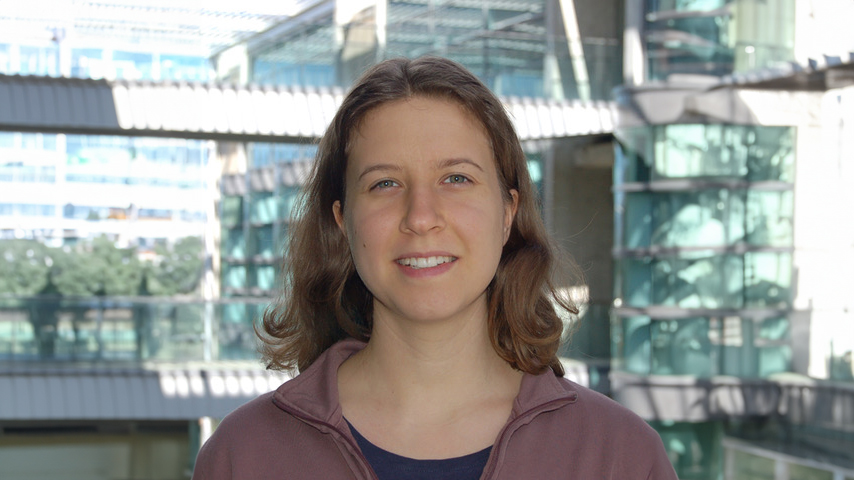
Dr Magdalena Crossley awarded £2 million Wellcome Career Development Award
11th September 2026
Dr Magdalena Crossley has been awarded a £2 million Wellcome Career Development Award to investigate how unusual RNA-DNA structures contribute to cancer and other diseases.
Find out more -
Study reveals how our inherited genes interact with DNA damage to drive cancer
27th July 2026
Find out more -
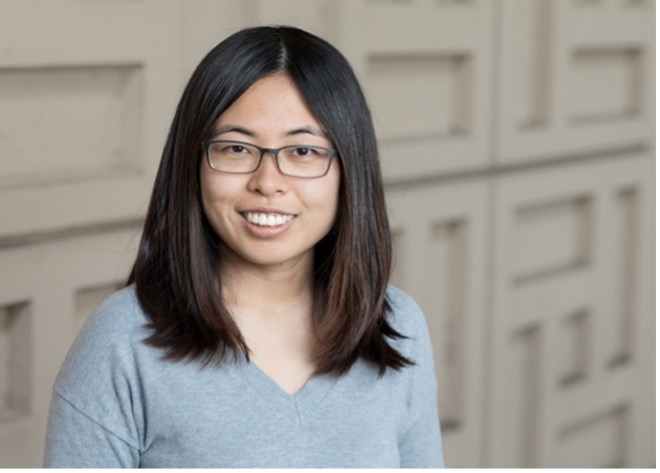
Dr Guiping Wang appointed as a Junior Group Leader
18th May 2026
Dr Guiping Wang joins the Cancer Research UK Cambridge Institute as a Junior Group Leader, starting in September 2026.
Find out more